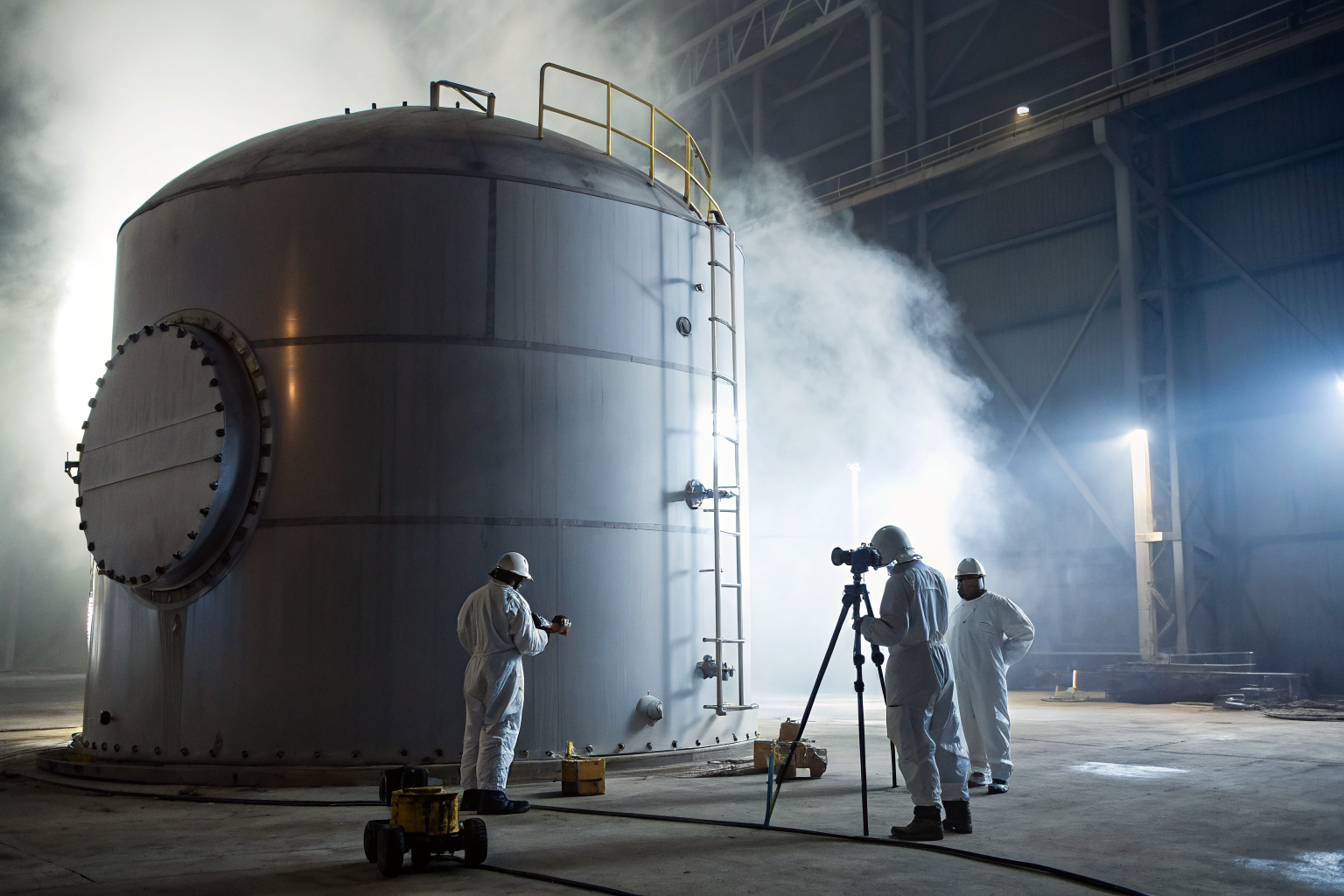
Integrity Testing vs Inspection: 5 Key Differences Explained
Tank failures cost the petroleum industry $2.3 billion annually, yet most facilities still confuse routine visual inspection with actual integrity testing. Understanding these differences determines whether your tanks meet regulatory requirements or face catastrophic failure.
Key Takeaways:
- Integrity testing uses NDT methods to detect internal flaws while inspection only examines visible surfaces
- API 653 requires integrity testing every 20 years versus annual visual inspections for most storage tanks
- Testing costs 3-5x more than inspection but prevents 89% of catastrophic failures according to STI data
What Is the Core Difference Between Testing and Inspection?

Integrity testing is a comprehensive evaluation using non-destructive testing methods to assess internal structural conditions of storage tanks. Visual inspection is a surface-level examination that identifies obvious external defects, corrosion, and operational issues. The fundamental difference lies in detection capability — testing reveals hidden problems while inspection only catches visible damage.
Integrity testing detects internal structural defects through ultrasonic thickness measurements, magnetic particle testing, and dye penetrant analysis. These methods penetrate tank walls to measure actual metal thickness and identify microscopic cracks before they become failures. Visual inspection relies on external observation to spot rust, dents, foundation settlement, and obvious leaks.
EPA Regulations under SPCC plans recognize this distinction by requiring different documentation standards for each method. Facilities using integrity testing can demonstrate compliance with quantitative data showing wall thickness and structural soundness. Visual inspection provides qualitative observations about surface conditions and operational status.
The detection gap is significant. Visual inspection detects only 23% of tank wall thinning compared to ultrasonic testing according to industry studies. This means three-quarters of structural deterioration remains hidden during routine visual assessments. Integrity testing exposes these hidden defects before they cause environmental releases or safety incidents.
Testing Methods: NDT vs Visual Assessment Techniques

NDT testing measures wall thickness and structural integrity using sophisticated equipment that penetrates tank materials. Ultrasonic testing sends sound waves through steel walls to measure thickness with precision down to 0.001 inches. Magnetic particle testing reveals surface and subsurface cracks by magnetizing steel and applying iron particles that cluster around defects. Dye penetrant testing identifies surface cracks by applying colored liquid that seeps into defects.
Visual assessment techniques rely on human observation and basic tools. External visual inspection examines tank shells, roofs, foundations, and appurtenances for obvious defects. Internal visual inspection requires tank entry to observe interior surfaces, but this only reveals conditions visible to the naked eye. Measurement tools include rulers, calipers, and thickness gauges for spot checks.
The technical capabilities differ dramatically. Ultrasonic testing detects wall thickness changes down to 0.001 inches across entire tank surfaces, creating detailed thickness maps. Magnetic particle testing reveals hairline cracks invisible during visual inspection. Radiographic testing penetrates welds to identify internal defects that never appear on surfaces.
Visual inspection misses critical defects. Internal corrosion reduces wall thickness uniformly, making it impossible to detect through visual observation until perforation occurs. Stress corrosion cracking develops internally along grain boundaries without surface indicators. Weld defects like incomplete penetration or slag inclusions remain hidden until catastrophic failure.
Equipment requirements reflect this complexity. NDT testing requires ultrasonic thickness gauges, magnetic particle equipment, dye penetrant materials, and certified technicians trained in defect interpretation. Visual inspection needs flashlights, measuring tapes, cameras for documentation, and personnel familiar with tank construction.
Certification standards ensure testing accuracy. NDT technicians must hold Level II or III certifications under SNT-TC-1A or similar programs. Visual inspectors need tank storage experience but no standardized certification requirements. This training gap affects reliability of defect detection and regulatory acceptance.
How Do API 653 and STI SP001 Standards Differ?
| Standard | Scope | Testing Method | Frequency | Certification Required |
|---|---|---|---|---|
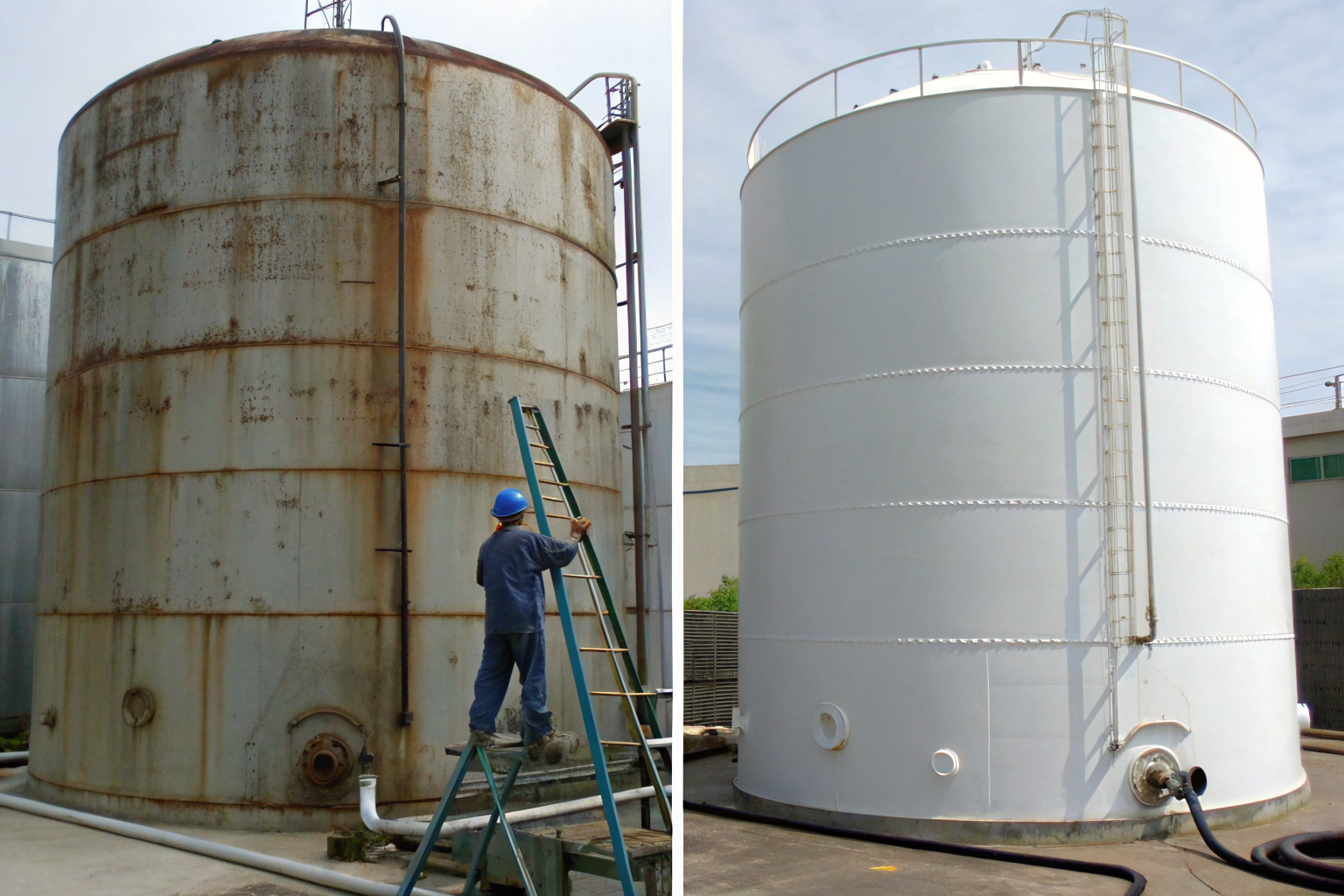
| API 653 | Aboveground storage tanks >1,000 barrels | Ultrasonic thickness testing, visual inspection | Every 20 years internal, 5 years external | API 653 Inspector |
| STI SP001 | Shop-fabricated tanks <30,000 gallons | Visual inspection, selective NDT | Annual visual, periodic testing | Tank system specialist |
| EPA SPCC | All regulated tanks | Method varies by tank type | Per facility SPCC plan | Professional Engineer |
API 653 governs aboveground storage tank integrity assessment through mandatory testing intervals and inspection requirements. Tanks over 1,000 barrels must undergo internal inspection every 20 years with ultrasonic thickness testing to measure remaining wall thickness. External inspections occur every 5 years focusing on shell conditions, foundations, and appurtenances.
STI SP001 covers smaller shop-fabricated tanks with different requirements. Annual visual inspections suffice for most applications, but tanks in aggressive service require periodic integrity testing. The standard emphasizes leak detection over structural assessment since smaller tanks pose lower environmental risks.
Certification requirements vary between standards. API 653 mandates certified inspectors who complete training programs and pass examinations covering tank construction, deterioration mechanisms, and inspection techniques. STI SP001 requires qualified personnel but allows more flexibility in certification backgrounds.
Testing intervals reflect risk assessment principles. API 653’s 20-year internal inspection cycle assumes normal corrosion rates in petroleum service. Facilities can extend intervals based on corrosion monitoring data showing slower deterioration rates. STI SP001 allows annual visual inspection for tanks in non-corrosive service.
Environmental Compliance links both standards to regulatory requirements. SPCC plans must reference applicable standards and document inspection methods. Facilities choosing API 653 compliance demonstrate higher technical rigor than minimum SPCC requirements.
What Are the Cost and Time Implications?

Integrity testing requires specialized equipment and certified technicians, driving costs significantly higher than visual inspection. Comprehensive ultrasonic testing costs $15,000-$25,000 per large storage tank including equipment mobilization, technician time, and report preparation. Visual inspection costs $2,000-$5,000 per tank for external assessment with basic documentation.
Time requirements multiply the cost difference. Visual inspection takes 2-4 hours per tank versus 1-2 days for comprehensive integrity testing depending on tank size and testing scope. Internal inspections require tank cleaning, gas-freeing, and confined space procedures that extend downtime to weeks rather than hours.
Personnel costs reflect certification requirements. NDT technicians earn $75-$125 per hour compared to $35-$55 for visual inspectors. Equipment rental adds $500-$1,000 daily for ultrasonic testing gear versus minimal tool costs for visual inspection.
Downtime costs often exceed direct inspection expenses. Tank removal from service during integrity testing stops product flow and requires alternative storage arrangements. Large refineries lose $50,000-$100,000 daily revenue per tank during extended outages. Visual inspection minimizes downtime through rapid external assessment.
Long-term economics favor integrity testing despite higher upfront costs. Early detection of wall thinning allows planned repairs during scheduled maintenance rather than emergency response to tank failures. Tank replacement costs $500,000-$2,000,000 compared to $50,000-$150,000 for plate repairs identified through testing.
Audit Preparation benefits from documented integrity testing results. Regulators accept quantitative wall thickness data as definitive compliance evidence. Visual inspection reports face more scrutiny during enforcement actions since they rely on subjective observations rather than measurable data.
When Does EPA Require Testing vs Inspection?

EPA Regulations mandate specific testing requirements for Secondary Containment based on tank capacity, contents, and environmental risk factors. Facilities with tanks over 10,000 gallons must document integrity assessment methods in SPCC plans with more rigorous requirements than smaller installations. The regulations don’t explicitly require NDT testing but demand “adequate” inspection methods to ensure structural soundness.
SPCC Plan requirements vary by facility complexity and risk profile. Single-walled tanks in secondary containment areas need periodic integrity verification to ensure containment effectiveness. Double-walled tanks with leak detection systems can rely on automated monitoring rather than manual inspection. Tank age influences required assessment frequency with older installations facing more stringent evaluation requirements.
Regulatory enforcement patterns show EPA accepting various compliance approaches. Facilities using API 653 integrity testing rarely face inspection adequacy challenges during audits. Visual inspection programs must demonstrate enhanced frequency and documentation to satisfy regulatory expectations. Regional EPA offices interpret requirements differently, creating compliance uncertainty for visual-only programs.
Trigger events mandate immediate integrity assessment regardless of scheduled intervals. Discovered releases, nearby tank failures, or environmental complaints prompt EPA to demand comprehensive structural evaluation. Visual inspection cannot satisfy these emergency assessment requirements since regulators need definitive data about tank condition.
Secondary Containment integrity connects directly to tank structural soundness. Facilities cannot claim effective containment without verifying tank integrity through appropriate testing methods. This regulatory logic links SPCC compliance to structural assessment standards even when not explicitly required.
Compliance documentation must demonstrate assessment adequacy through objective criteria. Facilities choosing integrity testing provide wall thickness measurements, defect locations, and remaining service life calculations. Visual inspection programs need enhanced photography, detailed defect descriptions, and repair tracking to meet regulatory expectations.
Which Method Should You Choose for Your Facility?

Tank age determines appropriate assessment methodology more than any other factor. Tanks over 15 years old show 67% higher failure rates when relying solely on visual inspection according to industry failure analysis. New installations under 10 years can use visual inspection effectively while building baseline data for future integrity testing.
Evaluate your tank inventory systematically. Start with tanks containing the most hazardous materials or largest volumes since failure consequences are highest. Consider tanks in aggressive service environments like coastal areas or chemical storage where corrosion accelerates. Prioritize tanks with poor maintenance histories or previous repair records.
Assess regulatory exposure honestly. Facilities facing frequent EPA inspections benefit from integrity testing’s documentation advantages. Operations in sensitive environmental areas need definitive structural data to demonstrate due diligence. Companies with compliance violations should upgrade to testing programs to rebuild regulatory credibility.
Budget constraints require phased implementation strategies. Begin integrity testing on highest-risk tanks while maintaining visual inspection on lower-priority equipment. Spread testing costs over multiple years to manage cash flow impacts. Coordinate testing with planned maintenance outages to minimize operational disruption.
Risk tolerance guides the final decision. Conservative operations choose integrity testing to prevent catastrophic failures and environmental releases. Facilities accepting higher risk can rely on enhanced visual inspection with more frequent intervals and better documentation. Most successful programs combine both methods based on individual tank risk profiles.
Environmental Compliance requirements often make the choice for you. Facilities must meet minimum regulatory standards regardless of cost preferences. Tank Storage operations in environmentally sensitive areas face stricter assessment requirements that favor integrity testing over visual inspection alone.