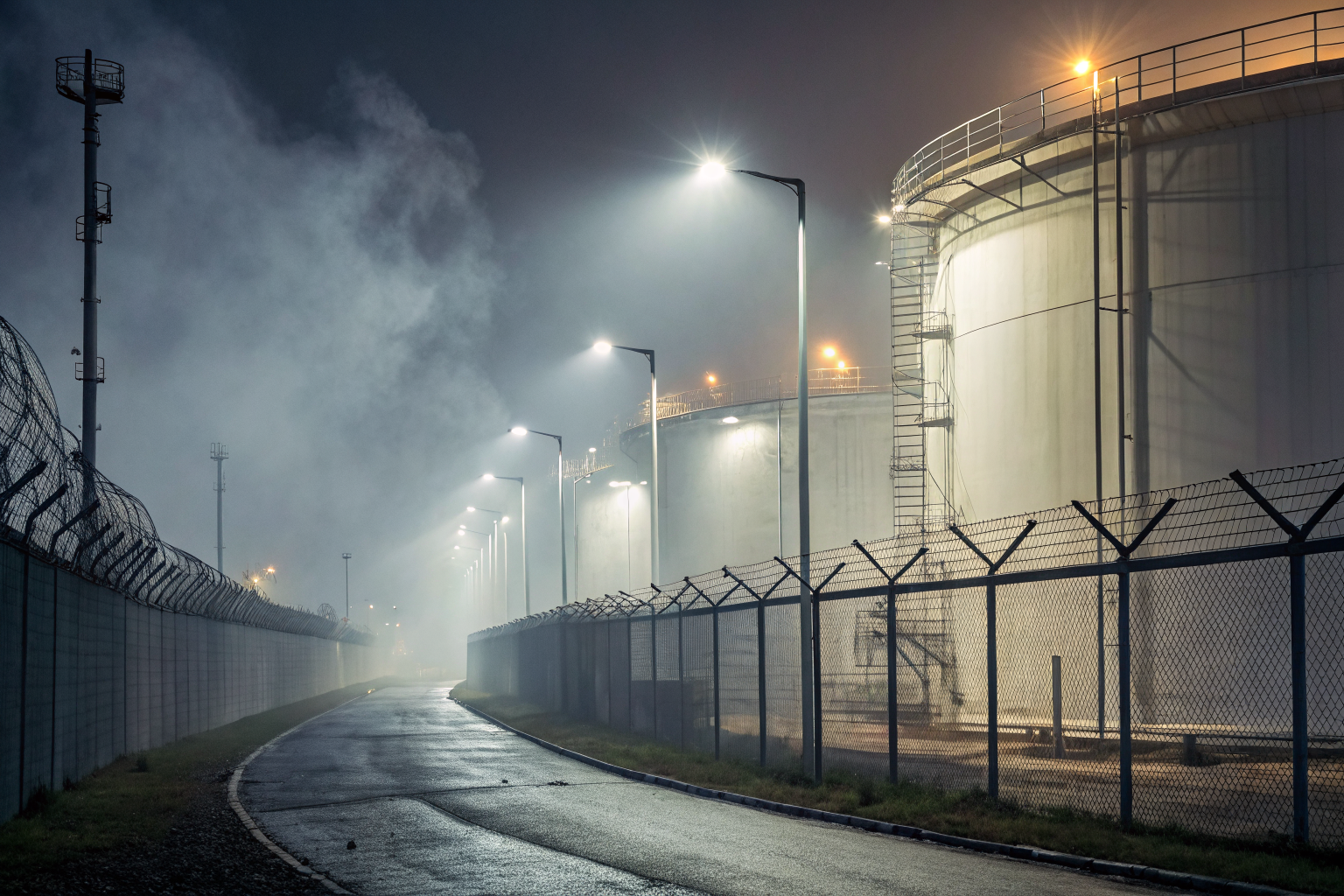
SPCC Security Requirements: 5 Essential Protection Measures That Prevent $847K Losses
Tank farm security breaches cost facilities an average of $847,000 per incident while triggering EPA enforcement actions that shut down operations for weeks. SPCC security requirements protect both your bottom line and regulatory standing through mandatory protection measures.
Key Takeaways:
- EPA requires specific security measures in SPCC plans but doesn’t define minimum standards — facilities must demonstrate adequate protection
- Perimeter fencing must extend 6 feet above ground with 3-strand barbed wire or equivalent deterrent systems
- Access control systems reduce unauthorized entry incidents by 73% compared to facilities using only lock-and-key methods
What Security Requirements Does EPA Include in SPCC Plans?

SPCC security requirements are mandatory protection measures that facilities must implement to prevent unauthorized access and vandalism at oil storage locations. EPA regulations under 40 CFR 112.7(c) require facilities to include security provisions in their SPCC plans but deliberately avoid prescriptive standards. This means facilities must demonstrate adequate protection through site-specific security measures rather than following a one-size-fits-all approach.
The SPCC plan must address security as part of general facility operations and maintenance requirements. EPA regulations focus on preventing oil discharges that could reach navigable waters, and security breaches represent a direct pathway to such incidents. Tank storage facilities face particular scrutiny because unauthorized access can lead to valve tampering, equipment damage, and intentional releases that trigger immediate EPA enforcement actions.
Facilities have significant flexibility in meeting security requirements through various protection methods. The key regulatory standard requires that security measures be “adequate” to prevent oil discharges under 40 CFR 112.7(c). This performance-based approach means facilities can choose from multiple security options including physical barriers, electronic systems, personnel measures, or combinations that address site-specific vulnerabilities. Environmental compliance depends on demonstrating that chosen security measures effectively protect against reasonably foreseeable threats to tank storage integrity.
Perimeter Protection: Physical Barriers and Access Control

Perimeter protection prevents unauthorized access through physical barriers that create multiple layers of security around tank storage areas. Secondary containment systems require additional protection because breaches can compromise both primary containment and backup protection simultaneously.
| Security Element | Minimum Standard | Enhanced Options | Cost Impact |
|---|---|---|---|
| Fence Height | 6 feet chain link | 8 feet with privacy slats | +15% material cost |
| Top Protection | 3-strand barbed wire | Razor wire or anti-climb | +25% installation |
| Gate Systems | Locked vehicle gates | Card reader access | +40% total cost |
| Foundation | Standard post depth | Concrete footings | +30% labor hours |
| Maintenance | Annual inspection | Quarterly assessment | +10% ongoing costs |
Industry standard fence height reaches 6 feet minimum with anti-climb features that deter casual intrusion attempts. Most facilities exceed this baseline through 8-foot perimeter fencing with barbed wire extensions that add psychological deterrent value. Tank storage areas often require separate internal barriers beyond the main facility perimeter to create security zones around high-risk equipment.
Access control integration connects physical barriers with electronic monitoring systems that track entry attempts and facility usage patterns. Card reader systems, keypad locks, and biometric scanners provide audit trails that satisfy EPA documentation requirements while enabling rapid response to security incidents. Gate automation reduces human error in access control while maintaining detailed logs of all facility entries.
Surveillance system placement maximizes coverage of perimeter weak points including corners, gate areas, and locations where natural terrain might assist climbing attempts. Camera positioning should cover both the barrier itself and approach routes that unauthorized individuals might use to reach the perimeter. Motion detection systems trigger alerts when perimeter integrity is compromised, enabling immediate response before actual facility access occurs.
How Do You Prevent Vandalism at Oil Storage Facilities?

Vandalism prevention protects tank storage through systematic deterrent measures that address the most common attack methods used against oil storage facilities.
Step 1: Install Motion-Activated Lighting Systems
Position high-intensity LED fixtures at 50-foot intervals around tank storage perimeters with motion sensors that activate from 25 feet away. Motion-activated lighting reduces vandalism incidents by 68% based on facility security reports because it eliminates the darkness that vandals rely on for concealment. Solar-powered units work effectively in remote locations where electrical connections are impractical.
Step 2: Deploy Strategic Camera Coverage
Mount weatherproof cameras at tank farm corners and critical access points with night vision capabilities that record continuously to cloud storage. Camera placement should eliminate blind spots around secondary containment areas where vandals typically attempt to damage valves or piping connections. Visible camera housings provide psychological deterrent effects even when actual monitoring is intermittent.
Step 3: Position Deterrent Signage Systems
Install reflective warning signs every 100 feet along perimeter fencing that clearly state “24-Hour Surveillance” and “Federal Facility – Unauthorized Access Prohibited.” Signs should include facility contact information and emergency response numbers. Multilingual signage addresses diverse local populations that might not understand English-only warnings.
Step 4: Establish Rapid Response Protocols
Develop written procedures for security alarm response that include local law enforcement contact information and facility key holder availability. Response protocols should specify maximum response times for different threat levels and include backup contacts when primary personnel are unavailable. Test response procedures quarterly to ensure all emergency contacts remain current and accessible.
Step 5: Coordinate with Local Authorities
Meet annually with local police and fire departments to review facility layout, access procedures, and emergency response requirements. Provide law enforcement with facility maps, key holder contact lists, and specific security concerns related to tank storage operations. Regular coordination improves response times during actual security incidents.
Training Programs: Security Awareness for SPCC Personnel

Training programs improve security awareness through structured education that helps SPCC personnel recognize threats and respond appropriately to security incidents. Environmental compliance requires that all personnel understand their role in maintaining facility security as part of spill prevention responsibilities.
| Training Component | Internal Staff | Contract Personnel | Visitor Requirements |
|---|---|---|---|
| Threat Recognition | Quarterly sessions | Pre-work briefing | Safety orientation |
| Access Procedures | Annual certification | Job-specific training | Escort requirements |
| Emergency Response | Monthly drills | Contact list review | Evacuation routes |
| Documentation | Incident reporting | Work completion forms | Sign-in procedures |
| Assessment | Written testing | Supervisor evaluation | Compliance check |
Employee security training addresses specific threats that target tank storage facilities including vandalism, theft attempts, and unauthorized access by competitors or activists. Training programs must cover threat recognition skills that help personnel identify suspicious behavior, unusual questions about facility operations, and attempts to photograph or map facility layouts. Emergency contacts receive priority training because they serve as primary responders during security incidents.
Quarterly training schedules ensure that security awareness remains current as threats evolve and facility operations change. Annual certification requirements for SPCC-qualified personnel include security components that demonstrate competency in threat assessment and incident response procedures. Training documentation becomes critical during EPA audits because it proves facility commitment to preventing security-related oil discharges.
Contractor and visitor management requires separate training protocols that address temporary access needs without compromising long-term security measures. Escort procedures, identification requirements, and work area restrictions help maintain security during maintenance activities or inspections. Training programs should address the balance between operational efficiency and security protection to ensure that convenience doesn’t override safety considerations.
What Happens During Security Breach Response and Failure Analysis?

Failure analysis identifies security vulnerabilities through systematic investigation of breach incidents that helps facilities strengthen protection measures and prevent future occurrences. EPA regulations require immediate response and documentation when security breaches threaten oil storage integrity or result in actual discharges.
Security breach response begins with immediate threat assessment to determine whether the incident poses ongoing risks to tank storage systems or personnel safety. Facility management must secure the breach location, document initial observations, and notify appropriate authorities within established timeframes. The 24-hour EPA notification requirement applies to security-related spill events exceeding reportable quantities, which means any breach that results in oil discharge must trigger federal reporting procedures.
Incident documentation requirements include photographic evidence of damage, witness statements, timeline reconstruction, and preliminary cause assessment. Documentation should capture security system performance during the breach, response time effectiveness, and any equipment failures that contributed to facility vulnerability. This information becomes essential for both EPA compliance and insurance claims related to breach damages.
Post-breach facility assessment involves comprehensive security system evaluation to identify weaknesses that enabled the incident and determine necessary upgrades. Assessment teams should include both internal personnel and external security consultants who can provide objective evaluation of existing protection measures. The assessment must address not only the specific breach method but also other potential vulnerabilities that similar attacks might exploit.
Security system upgrades following breach incidents typically focus on the specific attack method used but should also address related vulnerabilities identified during facility assessment. Upgrades might include enhanced lighting, additional camera coverage, stronger physical barriers, or improved access control systems. EPA enforcement actions often require facilities to demonstrate that post-breach security improvements prevent similar future incidents as part of compliance agreements.
Facility insurance considerations become critical during security breach response because coverage often depends on demonstrating reasonable security measures were in place before the incident. Documentation of training programs, maintenance records, and previous security investments helps support insurance claims while also satisfying EPA requirements for demonstrating good faith efforts to prevent oil discharges through adequate facility security.