
SPCC plan amendment requirements: 6 Essential Update Triggers
SPCC plan amendment requirements trigger EPA enforcement actions when facilities miss the 6-month or 3-year update deadlines. Most operators don’t know which changes require immediate Professional Engineer recertification versus simple administrative updates.
Key Takeaways:
• Technical amendments require PE certification within 6 months of the triggering event
• Administrative changes must be documented within 6 months but don’t require PE review
• Facilities face penalties ranging from $2,500 to $25,000 per day for non-compliance with amendment deadlines
What Triggers SPCC Plan Amendment Requirements?

SPCC plan amendments are required by specific operational changes that affect a facility’s oil storage or spill prevention systems. EPA Regulations under 40 CFR 112.5 define these triggers as modifications that could impact the facility’s potential for oil discharge or the effectiveness of existing containment measures.
Plan Documentation must be updated whenever facilities make physical changes to storage systems, modify operational procedures, or alter containment infrastructure. This means any change that affects oil handling capacity, storage configuration, or prevention systems triggers the amendment process. The regulation distinguishes between changes requiring immediate action and routine updates that can wait for the standard review cycle.
Facilities face a 6-month deadline for technical amendments following the triggering event. The EPA also requires comprehensive plan reviews at maximum 3-year intervals, regardless of whether specific changes have occurred. Missing these deadlines puts facilities in immediate violation status, with enforcement actions typically beginning 30-60 days after the deadline passes.
The amendment process serves as EPA’s primary mechanism for ensuring SPCC Plans remain current with actual facility conditions. Without proper amendment compliance, facilities operate under outdated spill prevention protocols that may fail during an actual discharge event.
Technical vs Administrative Amendments: When PE Certification Is Required

Technical amendments require PE Certification because they involve engineering changes that affect spill prevention effectiveness or containment capacity. SPCC Amendments fall into this category when they modify structural elements, alter flow patterns, or change containment volumes. Environmental Compliance depends on Professional Engineers validating that these changes maintain adequate spill prevention standards.
Technical amendments include changes affecting more than 1,320 gallons of storage capacity, modifications to secondary containment systems, piping rerouting that alters discharge potential, and installation of new prevention equipment. These changes require full engineering review because they could impact the facility’s ability to contain potential spills.
Administrative amendments cover non-engineering changes like contact information updates, procedure clarifications that don’t alter physical systems, or personnel role changes. These updates must be documented within 6 months but don’t require PE review because they don’t affect the engineering integrity of spill prevention systems.
The PE certification requirement exists because technical changes can create new discharge pathways or reduce containment effectiveness. A Professional Engineer must verify that modifications maintain compliance with 40 CFR 112 technical standards. Administrative changes pose no such risk, explaining why they bypass the PE requirement while still demanding timely documentation.
Tank Storage Modifications That Demand Plan Updates
| Modification Type | Amendment Required | PE Certification | Timeline |
|---|---|---|---|
| New tank >55 gallons | Yes | Yes | 6 months |
| Tank removal/decommissioning | Yes | Yes | 6 months |
| Capacity increase >1,320 gallons | Yes | Yes | 6 months |
| Piping system rerouting | Yes | Yes | 6 months |
| Secondary containment changes | Yes | Yes | 6 months |
| Tank relocation within facility | Yes | Yes | 6 months |
| Connection to existing systems | Yes | If >1,320 gallons | 6 months |
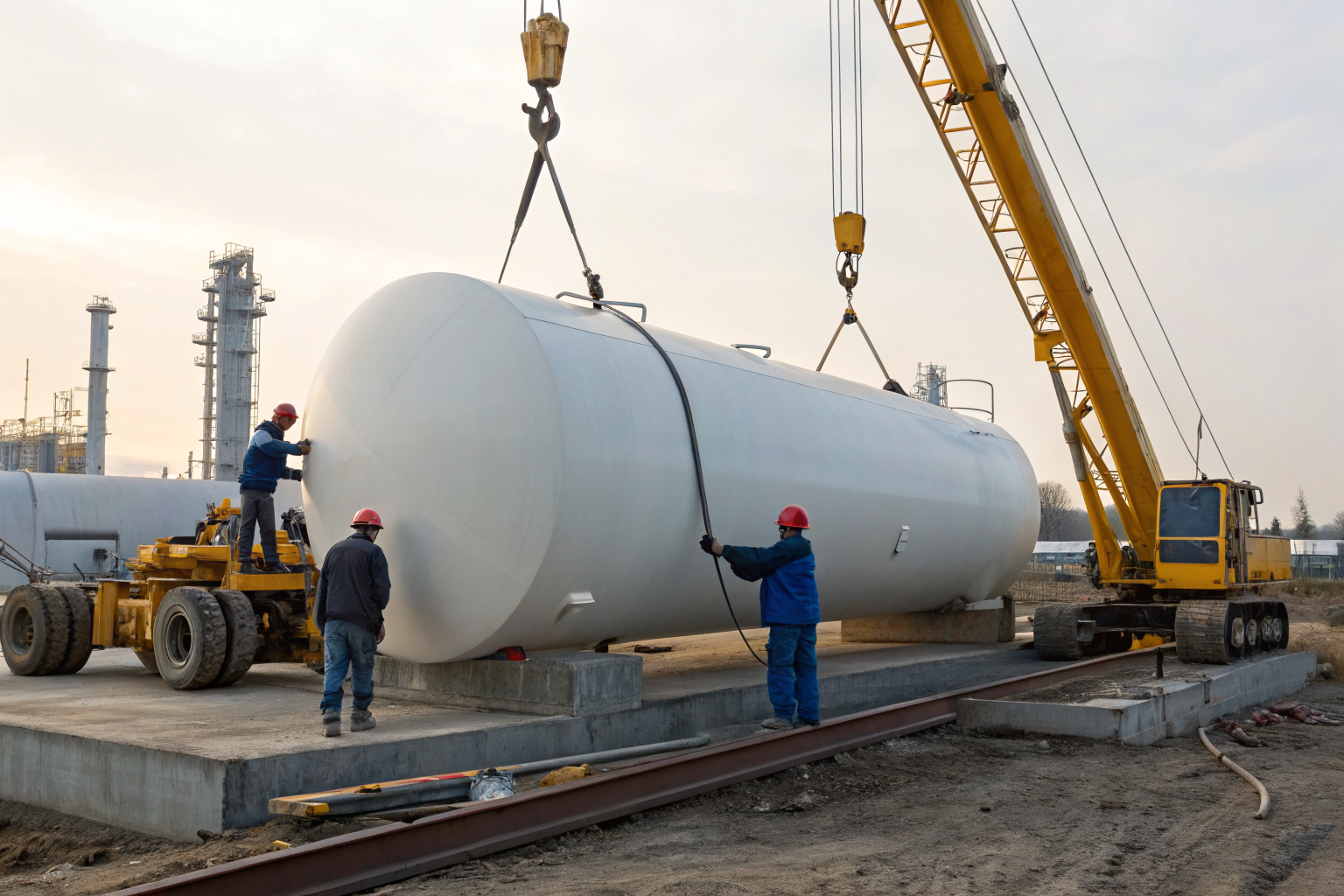
Tank Storage changes trigger mandatory plan amendments because they alter the fundamental risk profile of oil storage operations. Secondary Containment modifications require amendments regardless of tank size because containment integrity directly affects spill prevention capability.
New tank installations exceeding 55-gallon capacity require plan amendments within 6 months of becoming operational. The SPCC Plan must reflect actual storage conditions, not planned or historical configurations. Even temporary tank installations that exceed the 55-gallon threshold demand full amendment compliance.
Piping modifications that connect tanks, reroute product flow, or alter discharge points require technical amendments with PE certification. These changes can create new spill pathways or modify existing containment effectiveness. The amendment must address how piping changes affect overall facility spill prevention and response capabilities.
Capacity modifications exceeding 1,320 gallons always trigger technical amendments because they represent substantial changes to potential discharge volume. Facilities cannot operate under plans that significantly understate actual storage capacity or discharge potential.
How to Document Plan Modifications for EPA Compliance

Plan Documentation ensures regulatory compliance through systematic amendment recording and submission procedures. Environmental Compliance requires specific documentation formats that EPA inspectors can readily verify during facility audits.
Step 1: Document the triggering change with specific details including modification date, equipment specifications, and operational impact assessment. Recordkeeping must include before-and-after diagrams for physical changes and detailed descriptions for procedural modifications.
Step 2: Determine amendment type (technical or administrative) and identify PE certification requirements. Technical amendments require Professional Engineer involvement before documentation can be completed.
Step 3: Prepare amendment documentation using EPA-specified formats, including updated facility diagrams, revised spill prevention procedures, and modified containment calculations where applicable.
Step 4: Obtain PE certification for technical amendments, ensuring the Professional Engineer reviews all modification impacts on spill prevention effectiveness and containment adequacy.
Step 5: Update the master SPCC Plan with amendment information, maintaining version control that clearly identifies what changed and when modifications became effective.
Step 6: File amendment records in the facility’s environmental compliance documentation system. Amendment records must be maintained for minimum 3 years from implementation date, with easy retrieval for EPA inspection purposes.
Common Amendment Mistakes That Trigger EPA Violations

Amendment violations result in EPA enforcement penalties because facilities fail to maintain current spill prevention documentation. EPA Regulations treat outdated plans as equivalent to having no plan, triggering the full range of SPCC enforcement options.
The most frequent compliance failure involves operating under plans that don’t reflect actual facility conditions. Environmental Compliance breaks down when facilities install new equipment, modify storage systems, or change operational procedures without updating their SPCC documentation within required timeframes.
Missed deadline scenarios create automatic violations that EPA enforcement staff can identify through simple document review. SPCC Amendments carry hard deadlines with no regulatory grace period. Facilities that discover missed amendment requirements cannot retroactively achieve compliance without acknowledging the violation period.
Inadequate documentation patterns include incomplete change descriptions, missing PE certifications for technical amendments, and failure to update facility diagrams to reflect current conditions. EPA enforcement data shows that 68% of SPCC violations involve missed amendment deadlines or improper documentation. These violations compound because outdated plans often fail to address actual spill risks, creating both paperwork and operational compliance gaps.
Enforcement cases typically begin with document requests during routine inspections. EPA inspectors compare current facility conditions against SPCC Plan documentation, immediately identifying amendment violations. The agency treats these violations seriously because outdated plans compromise spill response effectiveness during actual discharge events.
Amendment Timeline Requirements and Deadline Management

| Amendment Type | Triggering Event | Documentation Deadline | PE Certification Required | Extension Available |
|---|---|---|---|---|
| Technical | Physical system change | 6 months | Yes | No |
| Technical | Capacity increase >1,320 gal | 6 months | Yes | No |
| Technical | New secondary containment | 6 months | Yes | No |
| Administrative | Contact updates | 6 months | No | No |
| Administrative | Procedure clarification | 6 months | No | No |
| General review | 3-year maximum | By anniversary date | If changes made | No |
| Emergency response | Spill event modifications | 6 months from repair | Yes | No |
Amendment timelines are governed by specific regulatory deadlines that EPA Regulations establish without flexibility for extensions. Environmental Compliance depends on facilities meeting these deadlines regardless of operational challenges or resource constraints.
Technical amendments require completion within 6 months of the triggering event, with no regulatory extensions available. The SPCC Plan calculation begins from the date physical changes become operational, not from planning or approval dates. Facilities cannot delay amendment compliance while awaiting equipment delivery or installation completion.
General plan reviews operate on a 3-year maximum cycle, with deadline calculation from the date of last comprehensive review or initial plan certification. EPA Regulations treat the 3-year review as a backstop requirement that applies even when no specific changes have triggered individual amendments.
Enforcement timeline patterns show EPA typically initiates violation proceedings 30-90 days after amendment deadlines pass. The agency’s inspection scheduling often targets facilities approaching or past amendment deadlines, making timely compliance essential for avoiding enforcement actions that can result in penalties and operational restrictions.