
Twin IBC Spill Pallet: Efficient Containment for Double IBC Storage
Twin IBC spill pallets handle 528 gallons of containment capacity while using 40% less floor space than separate single-tote systems. These dual-position containment units solve warehouse density problems without compromising EPA compliance.
Key Takeaways:
• Twin IBC pallets provide 264-gallon capacity per tote with 110% secondary containment ratio
• Dual containment systems reduce warehouse footprint by 35-40% compared to individual pallets
• HDPE construction withstands 8,000-pound load capacity per IBC position
What Makes Twin IBC Spill Pallets Different from Single-Tote Systems?
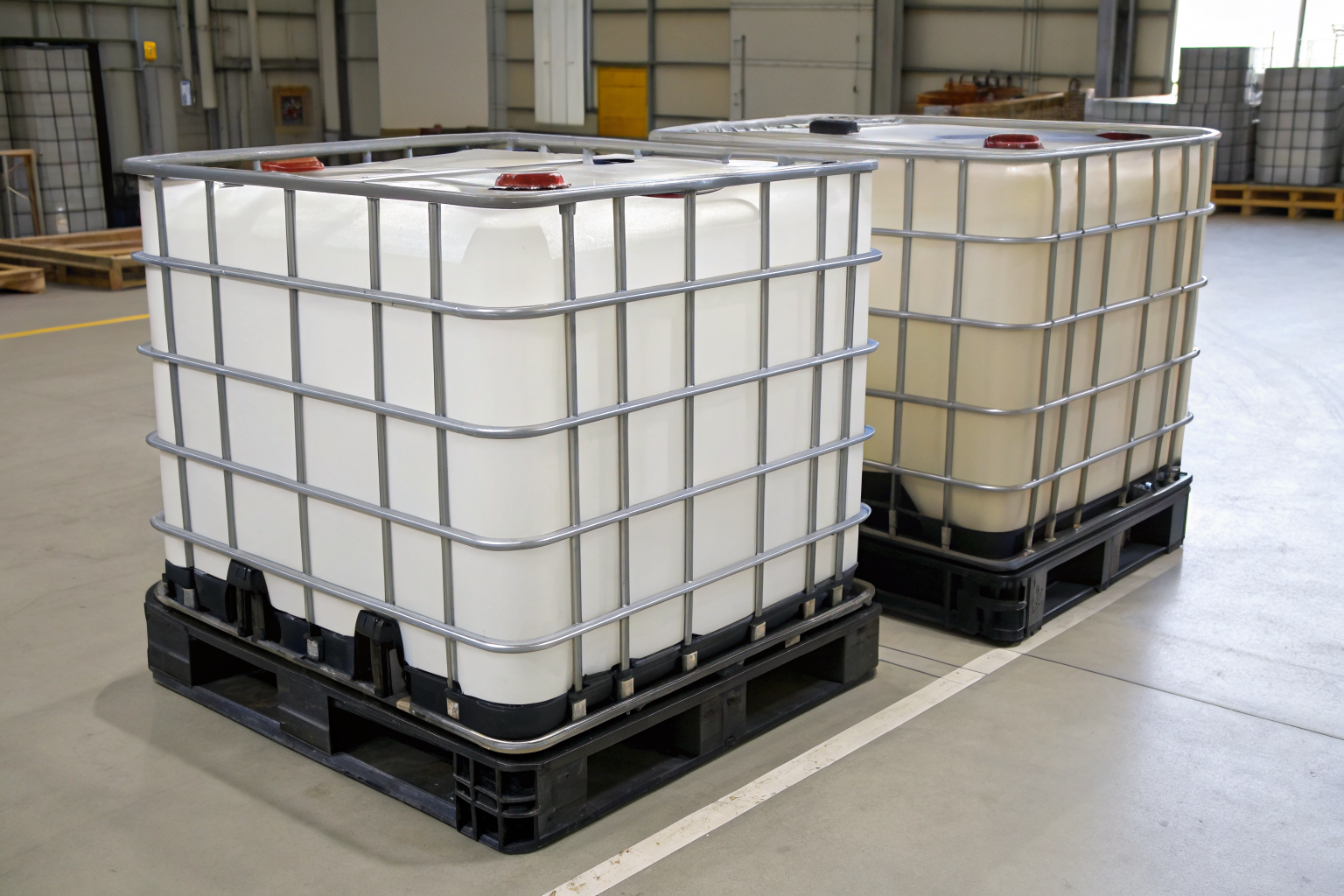
Twin IBC spill pallets are secondary containment systems designed to hold two intermediate bulk containers simultaneously within a single containment structure. This means both totes share the same sump area, creating a unified spill collection zone that captures leaks from either container. The dual-position design eliminates the need for separate containment units while maintaining full regulatory compliance.
Twin IBC spill pallets provide double containment capacity through integrated sump design. The shared containment basin collects spills from both IBC positions, with the total sump volume calculated to handle the largest single container plus 10% additional capacity. This configuration meets EPA requirements while optimizing floor space utilization.
Secondary containment mechanics in twin systems work differently than individual units. Single-tote systems contain only one IBC’s potential spill volume, typically 264-275 gallons for a standard 275-gallon tote. Twin systems must contain the full volume of the largest IBC plus overflow margin. The 264-gallon containment capacity per IBC position ensures 110% EPA requirement coverage even when both positions hold maximum-capacity totes.
Tote containers in twin configurations share structural loading and drainage systems. The unified base distributes weight across a larger surface area, reducing point loads on warehouse floors. This shared foundation also simplifies installation since facilities need fewer individual units to achieve the same storage capacity.
IBC systems benefit from twin pallet design through reduced handling complexity. Forklift operators manage fewer containment units during warehouse operations, streamlining material movement and reducing labor time for positioning and retrieval operations.
Space Efficiency: How Dual IBC Pallets Maximize Warehouse Storage
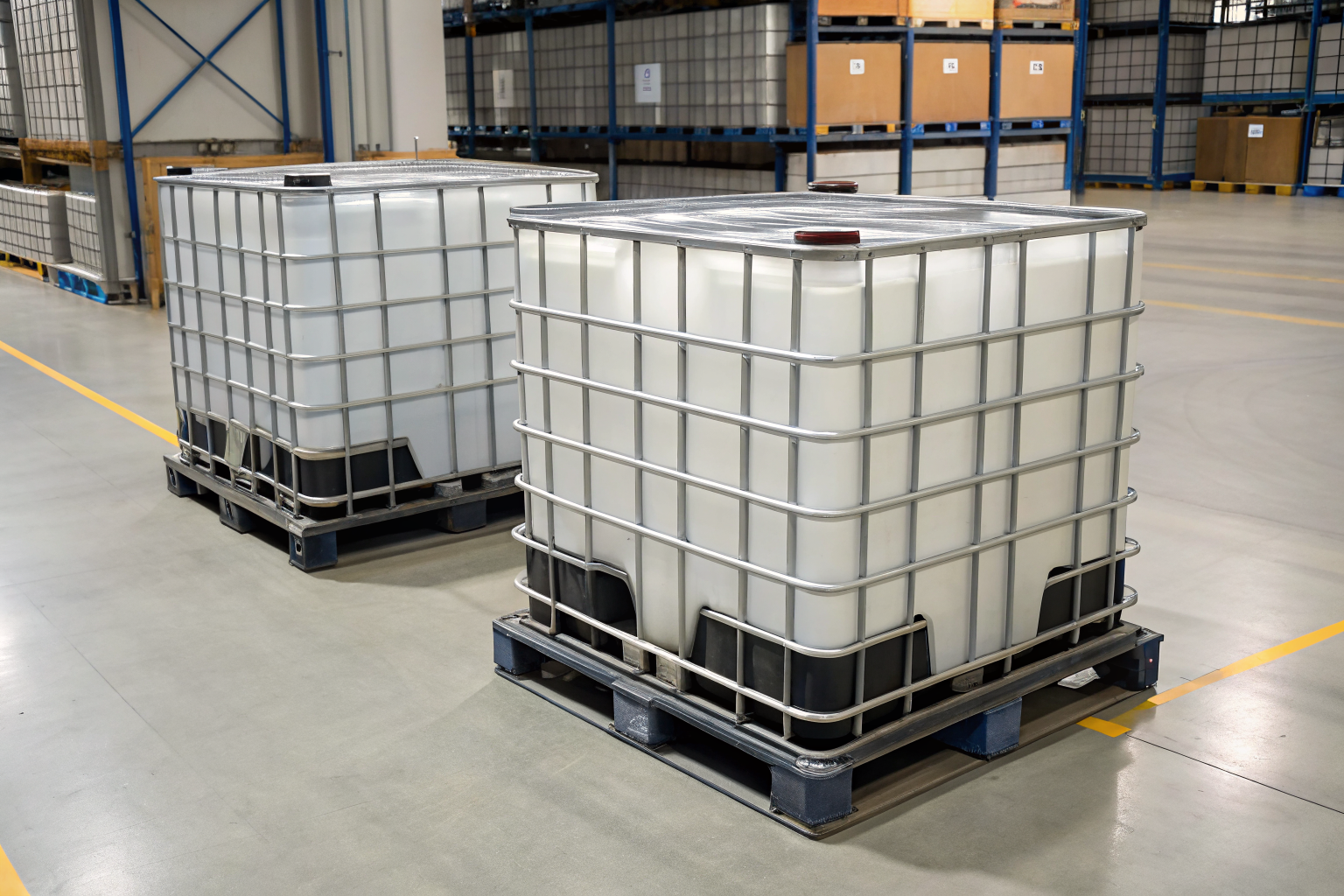
Dual IBC pallets reduce warehouse floor space requirements by consolidating two containment positions into a single footprint. Standard twin units measure approximately 96 inches by 48 inches, compared to two individual 52-inch by 48-inch single pallets requiring 104 inches of combined length when positioned end-to-end. This configuration saves 8 inches of linear space per dual unit.
Warehouse density optimization improves significantly with twin containment systems. Facilities storing 20 IBC containers need 10 twin pallets instead of 20 individual units. The consolidated approach reduces aisle requirements since material handlers access two containers from each stopping point. This efficiency translates to 35-40% floor space reduction in typical warehouse layouts.
Bulk containment operations benefit from twin systems through improved traffic flow patterns. Forklift operators make fewer positioning moves when accessing stored materials. Each pallet position services two containers, cutting travel time and reducing congestion in high-density storage areas.
IBC storage capacity increases within existing warehouse footprints when facilities convert from single to twin containment systems. The space savings allow for additional storage aisles or expanded operational areas without building expansion. Facilities report fitting 60-70% more IBC containers in the same floor space after implementing twin pallet systems.
Footprint efficiency metrics show measurable improvements in storage density. Twin pallets achieve 0.36 containers per square foot of floor space, compared to 0.26 containers per square foot with individual containment units. This represents a 38% improvement in storage efficiency within the same warehouse area.
Twin Tote Design: Construction and Load Capacity Specifications
| Specification | Twin IBC Pallet | Individual Pallet |
|---|---|---|
| Load Capacity per Position | 8,000 lbs | 8,000 lbs |
| Total System Capacity | 16,000 lbs | 8,000 lbs |
| Containment Volume | 528 gallons | 264 gallons |
| Overall Dimensions | 96″ x 48″ x 8″ | 52″ x 48″ x 8″ |
| Material | HDPE | HDPE |
| Forklift Access | 4-way | 4-way |
| Drain Options | 2-inch NPT | 2-inch NPT |
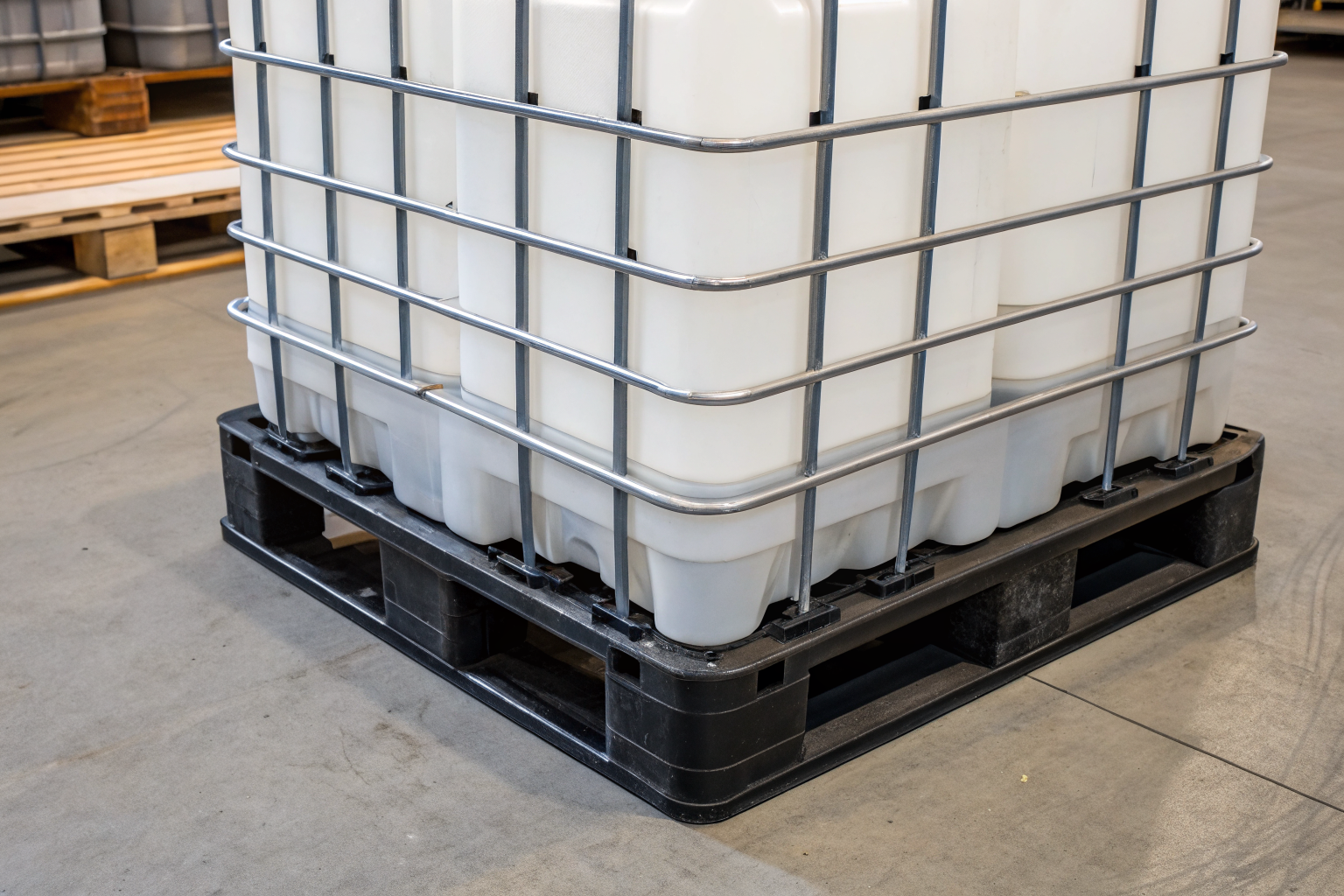
HDPE construction supports 8,000-pound load capacity per IBC position through engineered ribbing and reinforced corner structures. The high-density polyethylene material resists chemical corrosion from petroleum products, acids, and industrial solvents commonly stored in intermediate bulk containers. This material choice ensures long-term structural integrity under continuous loading conditions.
Structural engineering in twin systems distributes weight loads across reinforced support ribs running longitudinally under each IBC position. These ribs transfer container weight to the pallet’s outer frame, preventing sagging or deformation under maximum loading. The design maintains structural integrity even when both positions hold fully loaded 2,200-pound IBC containers.
Forklift compatibility requirements include 4-way access for standard industrial lift trucks. The pallet design accommodates forks from any side, allowing flexible positioning in warehouse environments. Fork pockets maintain 7-inch height clearance and 2.5-inch width tolerance for compatibility with standard forklift tine specifications.
Dual capacity systems feature independent drain connections for each containment section. Some models include removable dividers that separate the twin sump into isolated compartments, preventing cross-contamination when storing different materials. This flexibility supports facilities managing multiple product types in the same storage area.
Load rating verification follows ASTM testing protocols for plastic pallets, ensuring consistent performance under rated capacities. The 8,000-pound static load rating per position includes safety factors for dynamic loading during forklift operations and material handling activities.
EPA Compliance: Do Twin IBC Pallets Meet SPCC Requirements?
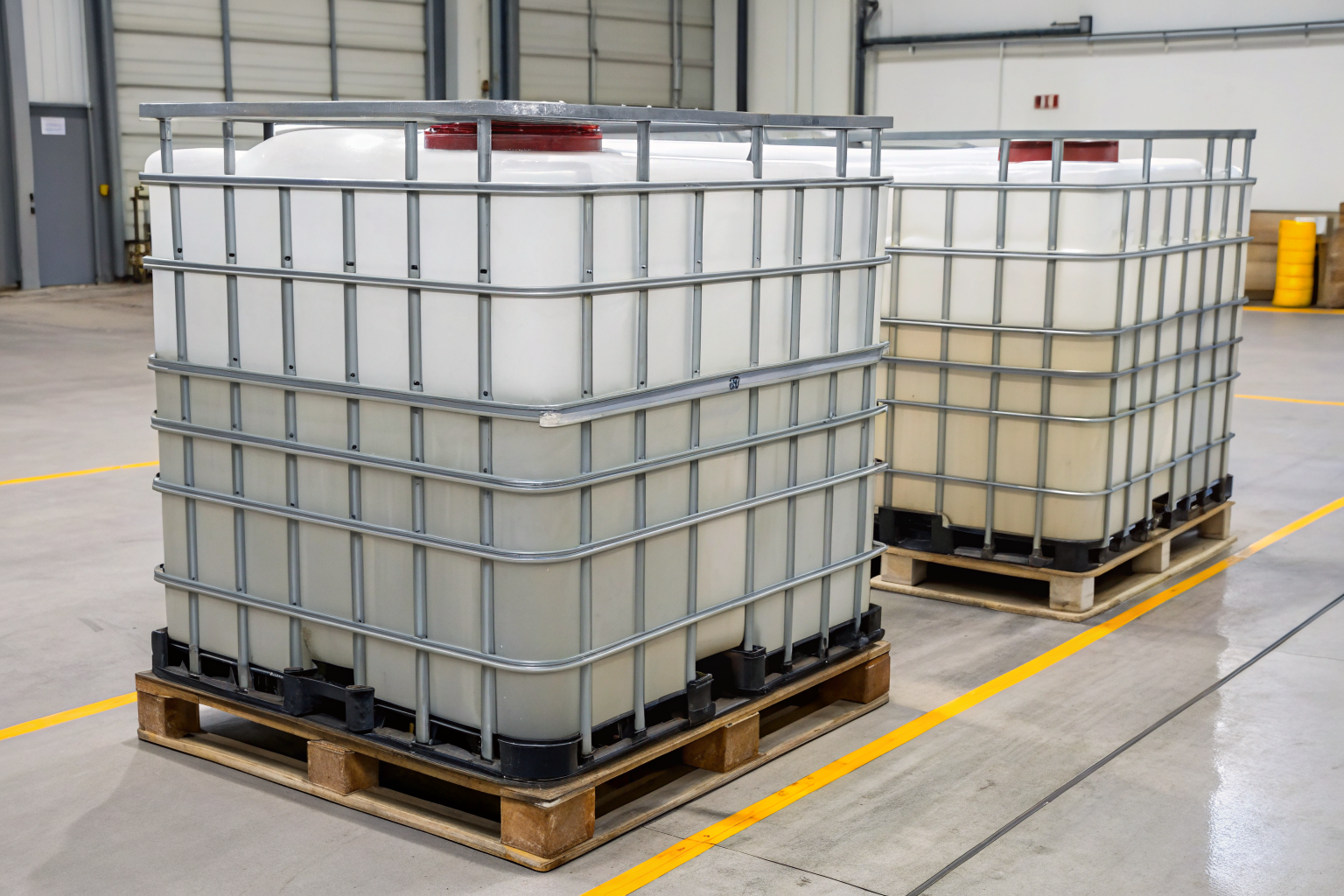
Twin IBC containment satisfies EPA secondary containment regulations under 40 CFR 112.7(c) when properly sized and installed. The regulation requires secondary containment systems to hold the volume of the largest single container plus sufficient freeboard to contain precipitation. Twin pallets meet this standard by providing 264-gallon capacity per IBC position, exceeding the 275-gallon maximum capacity of standard intermediate bulk containers.
SPCC Plan integration requires facilities to document twin pallet specifications, installation locations, and inspection procedures in their written spill prevention plans. The documentation must include containment volume calculations proving 110% capacity coverage for each stored container. Facilities using twin systems list each pallet’s containment volume and maximum storage capacity in their SPCC inventory tables.
Secondary containment regulations apply to any facility storing more than 1,320 gallons of oil in containers larger than 55 gallons. Twin IBC pallets help facilities maintain compliance by providing engineered containment that meets EPA volume requirements. The 110% secondary containment ratio exceeds EPA minimum requirement for oil storage facilities, ensuring regulatory compliance even with maximum-capacity totes.
Spill Prevention documentation requirements include monthly visual inspections of containment systems. Facilities must record inspection results, noting any cracks, damage, or debris in containment areas. Twin pallet systems simplify inspection procedures since each unit covers two storage positions, reducing the number of containment systems requiring individual documentation.
EPA Regulations require immediate cleanup of any spilled material and reporting of discharges exceeding 1,000 gallons or causing environmental harm. Twin containment systems support regulatory compliance by capturing spills before they reach soil or water. The shared sump design ensures captured material stays within the containment boundary until proper disposal.
Compliance verification involves periodic testing of containment integrity and capacity. Facilities conduct annual inspections verifying sump volume, structural condition, and drainage function. Twin systems undergo the same testing protocols as individual containment units, with capacity verification confirming adequate volume for both storage positions.
Installation and Maintenance: Best Practices for Dual IBC Storage
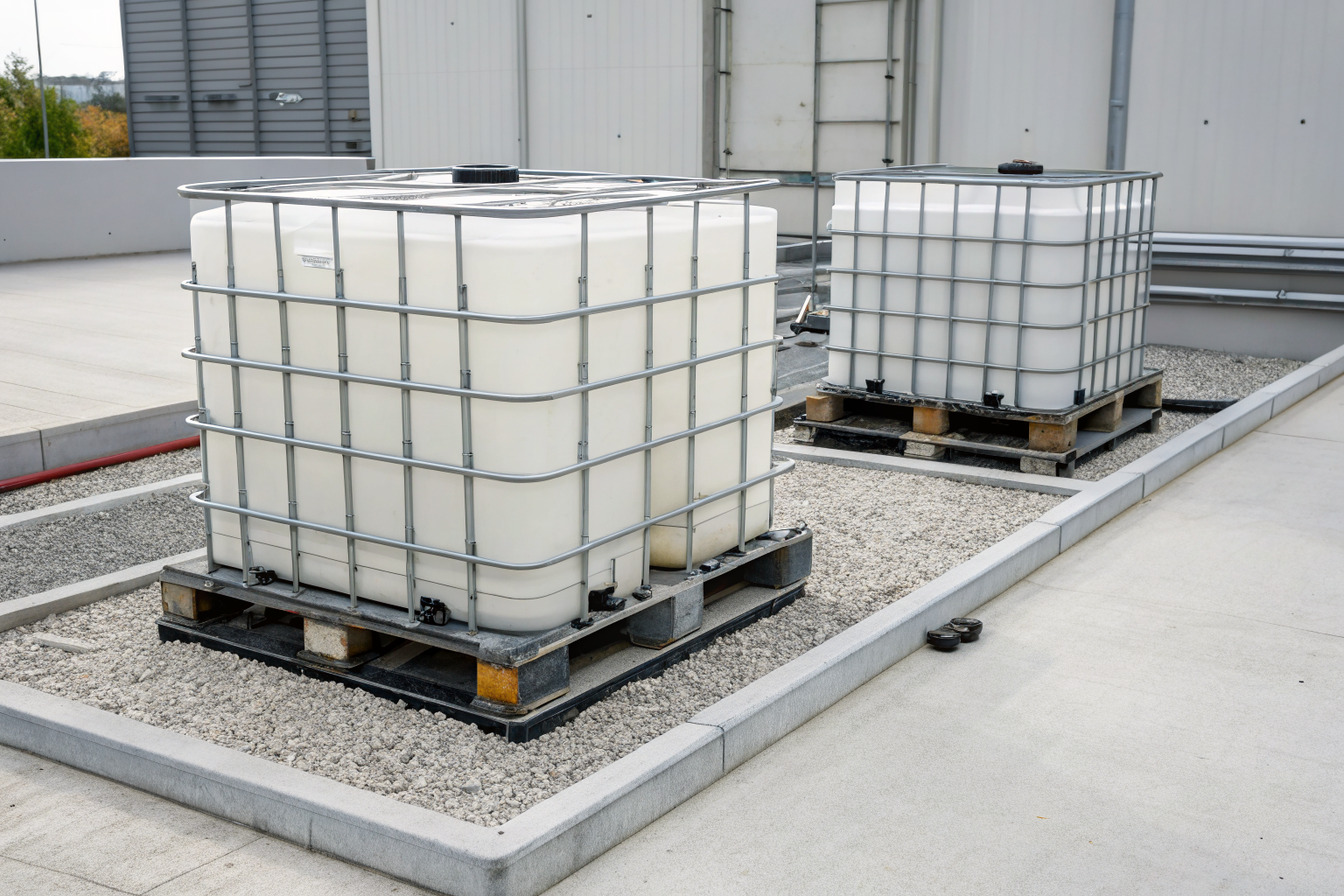
Proper installation prevents containment system failures through attention to foundation requirements and environmental factors. Twin IBC pallet installation follows these critical steps for reliable long-term performance.
Level surface preparation requires concrete or compacted gravel foundations with less than 1/8-inch variance across the pallet footprint. Uneven surfaces create stress concentrations that can crack HDPE containment sumps under loaded conditions. Use a 4-foot level to verify flatness before positioning twin pallets.
Position pallets with adequate clearance for forklift access and material handling. Maintain minimum 36-inch aisles between pallet rows and 48-inch clearance at pallet ends for safe container placement and removal. This spacing prevents damage during routine operations.
Connect drain systems to appropriate collection points following local environmental regulations. Install drain valves in the closed position and secure with locks to prevent unauthorized draining. Some facilities connect multiple twin pallets to central collection systems through underground piping.
IBC storage positioning requires containers to sit squarely on pallet supports without overhanging edges. Verify proper weight distribution by checking that all four container feet contact support surfaces. Improper positioning can cause stress concentration and potential containment failure.
Oil storage facilities implement inspection protocols based on SPCC Plan requirements. Visual inspections occur monthly, documenting sump condition, container placement, and accumulated debris. Quarterly inspections include capacity verification and structural integrity checks.
Double containment systems require regular cleaning to maintain capacity and prevent contamination. Remove accumulated rainwater, debris, and minor spills promptly to preserve full containment volume. Schedule deep cleaning based on material storage types and local environmental conditions.
Maintenance schedules include annual capacity testing and structural inspection. Test drain systems for proper function and verify containment volume meets design specifications. Replace damaged components immediately to maintain EPA compliance and prevent environmental releases.