TAG

spill prevention

SPCC Audit Preparation: 8 Steps to Avoid Common Violations

EPA inspector examining oil tanks in a dramatic, foggy industrial setting.

SPCC audit preparation: 8 Steps to Avoid Common Violations EPA SPCC inspections catch facilities off-guard because most companies prepare for the wrong things. They focus on paperwork updates while missing the specific documentation gaps that trigger violations. SPCC audit preparation requires systematic review of visual inspection records, containment calculations, and integrity testing documentation. Key Takeaways: … Read more


SPCC for Agriculture: 7 Essential Requirements for Farm Oil Storage

Large oil storage tanks on a farm, with dramatic lighting and fog.

SPCC for Agriculture: 7 Essential Requirements for Farm Oil Storage Most farms with 1,320+ gallons of oil storage face EPA fines averaging $37,500 per violation, yet 60% of agricultural operations still operate without proper SPCC compliance. Key Takeaways: Farms storing 1,320+ gallons of oil must have EPA-certified SPCC plans or face penalties up to $37,500 … Read more

Covered vs Uncovered Containment: 6 Benefits of Containment Shelter

A robust containment shelter shields against stormy weather, with water and debris deflected.

Covered vs Uncovered Containment: 6 Benefits of Containment Shelter Uncovered containment systems lose 15% more stored material annually due to weather exposure than covered alternatives. This difference impacts your SPCC plan compliance costs and long-term facility operations. Key Takeaways: Covered containment reduces material loss by 15-20% annually through weather protection UV-resistant shelter systems extend containment … Read more

IBC Hard Top Containment: 5 Best Covered Storage Solutions for Outdoor Use

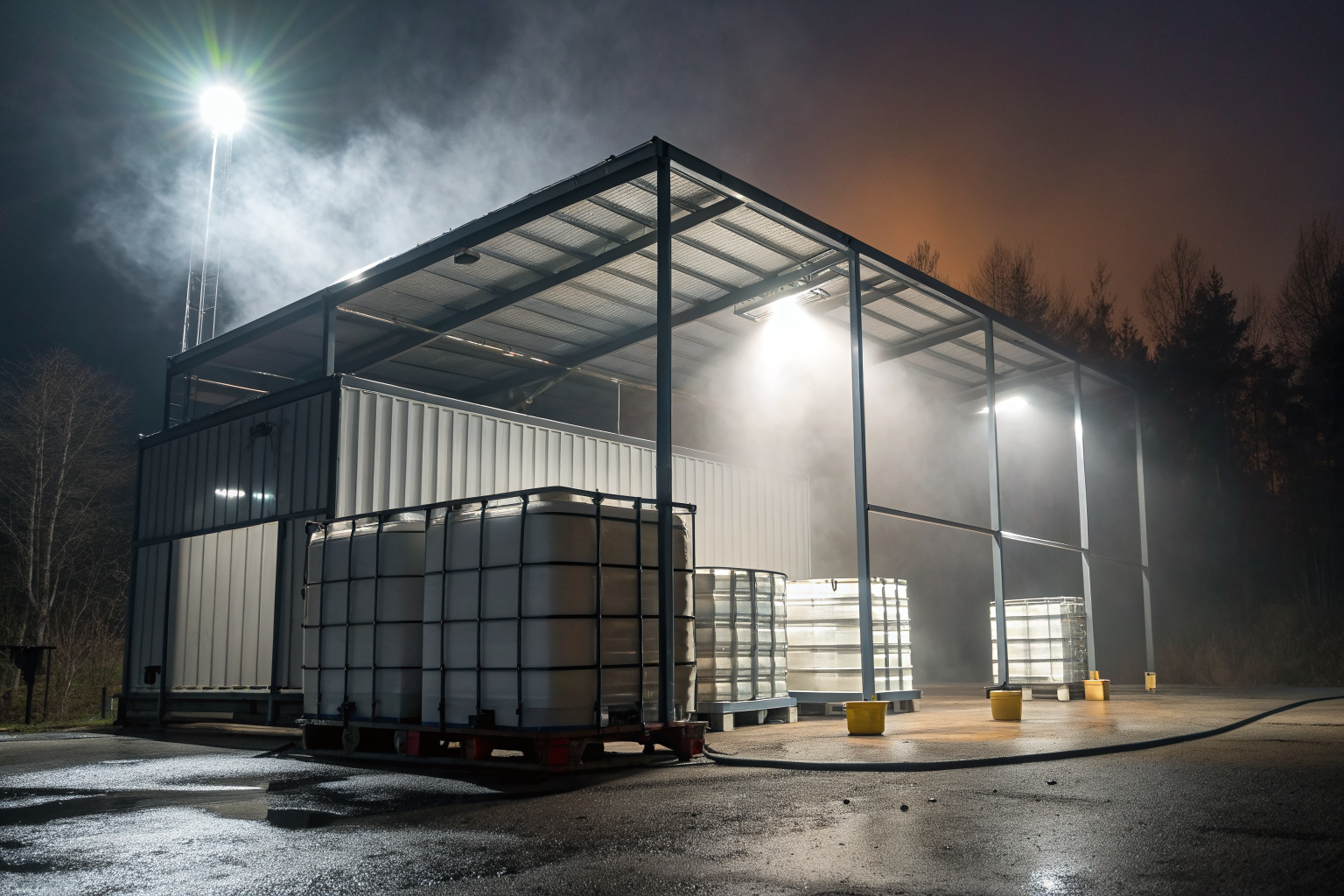
Steel IBC containment shelter with dramatic lighting and industrial elements.

IBC Hard Top Containment: 5 Best Covered Storage Solutions for Outdoor Use Uncovered IBC totes lose 15-20% of chemical integrity per year from UV degradation and temperature cycling alone. IBC hard top containment prevents this costly deterioration while ensuring regulatory compliance for outdoor chemical storage operations. Key Takeaways:• Hard top IBC containment extends chemical storage … Read more

SPCC Inspection Forms: Tank and Containment Inspection Checklists

Workers inspecting oil tanks during sunset at storage facility.

SPCC Inspection Forms: Tank and Containment Inspection Checklists Most SPCC compliance violations stem from inadequate inspection documentation, not actual spill prevention failures. SPCC inspection forms provide the systematic documentation framework that keeps facilities compliant and audit-ready. Key Takeaways: EPA requires monthly visual inspections for all oil storage tanks exceeding 55 gallons capacity Secondary containment systems … Read more

SPCC Compliance Checklist: Complete PDF Audit Guide for Facility Owners

Oil storage facility with tanks and containment at dawn, dramatic lighting.

SPCC Compliance Checklist: Complete PDF Audit Guide for Facility Owners EPA violations for SPCC non-compliance carry fines up to $54,833 per day, making systematic audit procedures the difference between operational continuity and regulatory shutdown. Your SPCC compliance checklist serves as the primary defense against costly violations and operational disruptions. Key Takeaways:• SPCC audits require 47 … Read more

IBC Pallet vs Modular Berm: Rigid vs Flexible Containment Options

IBC pallet and modular berm in a detailed, dramatic setup.

IBC Pallet vs Modular Berm: Rigid vs Flexible Containment Options IBC containment failures cost facilities an average of $47,000 per incident when secondary containment systems fail EPA compliance standards. The choice between IBC pallet vs modular berm systems determines both your regulatory compliance and operational efficiency. Key Takeaways: • Rigid IBC pallets handle 330-gallon capacity … Read more

Twin IBC Spill Pallet: Efficient Containment for Double IBC Storage

Two twin IBC spill pallets in a warehouse with dramatic lighting.

Twin IBC Spill Pallet: Efficient Containment for Double IBC Storage Twin IBC spill pallets handle 528 gallons of containment capacity while using 40% less floor space than separate single-tote systems. These dual-position containment units solve warehouse density problems without compromising EPA compliance. Key Takeaways: • Twin IBC pallets provide 264-gallon capacity per tote with 110% … Read more

IBC Spill Containment Pallet: Complete Guide to 275-Gallon Tote Protection

IBC spill containment pallet in warehouse, dramatic lighting, high detail.

IBC Spill Containment Pallet: Complete Guide to 275-Gallon Tote Protection IBC spill containment pallets prevent catastrophic environmental penalties that cost companies an average of $47,000 per violation according to EPA enforcement data. These specialized platforms protect facilities from regulatory fines while preventing chemical spills from contaminating soil and groundwater. Key Takeaways: EPA requires 110% containment … Read more

Low Profile Spill Pallet: Ergonomic Drum Containment for Easy Access

Workers lifting drums on a low profile spill pallet with dramatic lighting.

Low Profile Spill Pallet: Ergonomic Drum Containment for Easy Access Low profile spill pallets cut drum lifting height by 4-6 inches compared to standard models, reducing workplace injuries while maintaining full EPA secondary containment compliance. These specialized containment systems solve the dual challenge of worker safety and regulatory adherence in high-frequency drum handling operations. Key … Read more