TAG

EPA compliance

SPCC Failure Analysis: 4 Critical Prediction Methods

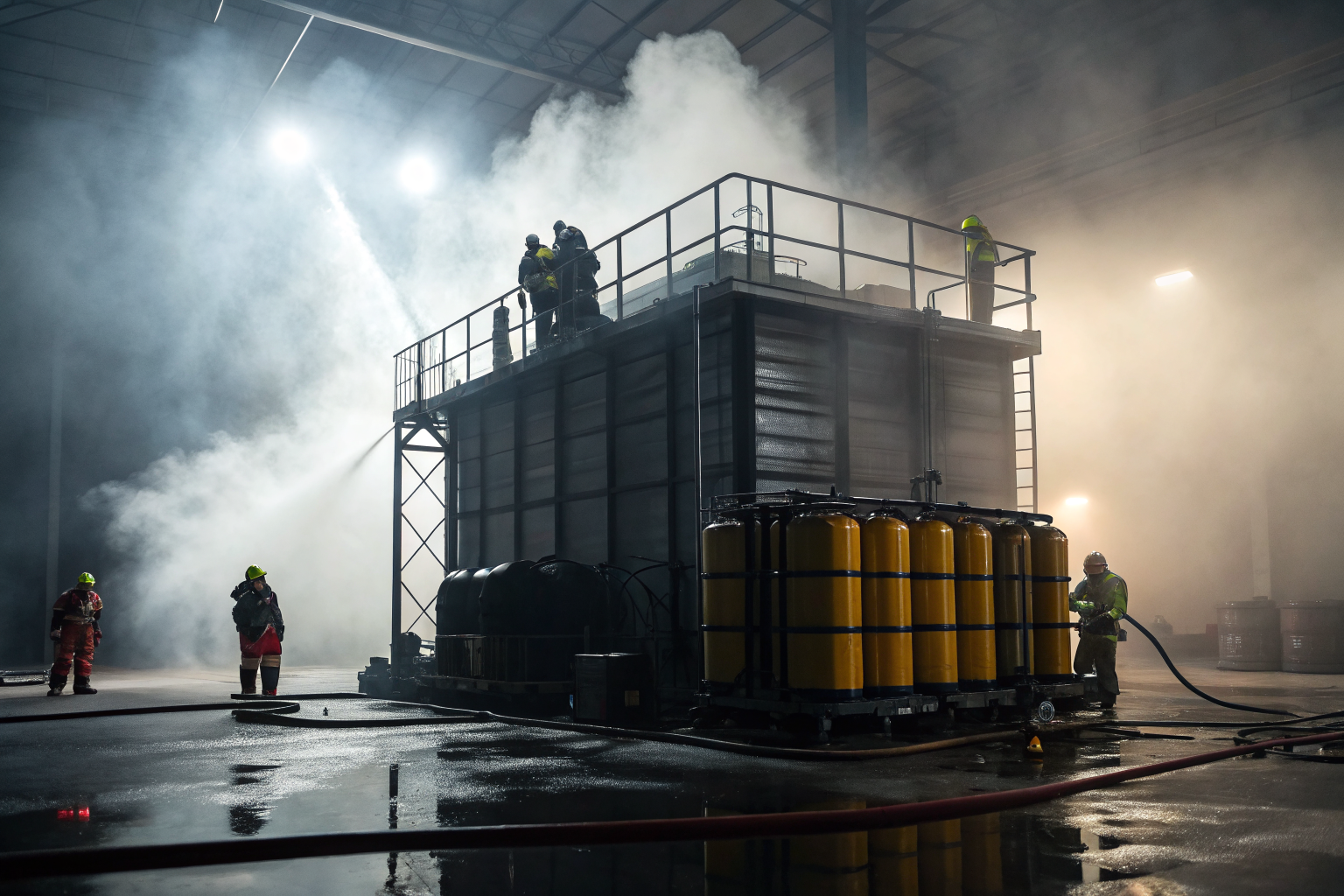
Oil containment facility with dramatic lighting and fog, showcasing analysis theme.

SPCC Failure Analysis: 4 Critical Prediction Methods SPCC failure analysis identifies potential tank system failures before they trigger $2.4 million cleanup costs. Most facilities miss predictable failure patterns that proper analysis methods catch early. Key Takeaways: Probabilistic failure analysis reduces prediction errors by 67% compared to deterministic methods Worst-case discharge calculations require 3 distinct failure … Read more


Discharge Prevention Briefing: 6 Essential Training Elements

Oil personnel in a spill response drill with dramatic lighting

Discharge Prevention Briefing: 6 Essential Training Elements EPA violations cost companies an average of $73,000 per incident, yet most oil discharge events stem from employee errors that proper discharge prevention briefing prevents. Key Takeaways: • SPCC training programs must be conducted annually and documented for all personnel handling oil or petroleum products above 1,320 gallons• … Read more

SPCC Inspection Frequency: 4 Critical Scheduling Requirements

Engineer inspecting large oil storage tanks at a facility, under dramatic lighting.

SPCC Inspection Frequency: 4 Critical Scheduling Requirements EPA violations from missed tank inspections jumped 23% in 2023, making proper SPCC inspection frequency the difference between compliance and costly penalties. Key Takeaways: Monthly visual inspections are mandatory for all tank storage facilities exceeding 1,320 gallons Integrity testing intervals range from 3-10 years based on tank age … Read more

SPCC Recordkeeping Requirements: 7 Critical Documentation Standards

Industrial facility with pipes and tanks, dramatic lighting, foggy night scene.

SPCC Recordkeeping Requirements: 7 Critical Documentation Standards EPA fines for incomplete SPCC documentation averaged $127,000 per violation in 2023, making proper SPCC recordkeeping requirements the difference between compliance and catastrophic penalties. Key Takeaways: • SPCC plans require 3-year retention for all inspection records and maintenance documentation• PE certification documents must include specific calculations and structural … Read more

Buried Piping Integrity Testing: 5 Critical Testing Methods

Engineers testing underground pipes with dramatic lighting and fog.

Buried Piping Integrity Testing: 5 Critical Testing Methods Buried piping failures cost facilities an average of $350,000 per incident when secondary containment systems fail EPA compliance inspections. Buried piping integrity testing prevents these catastrophic failures through systematic verification protocols. Key Takeaways: • Hydrostatic testing detects 94% of structural defects in double-wall piping systems before operational … Read more

SPCC Inspection Forms: Tank and Containment Inspection Checklists

Workers inspecting oil tanks during sunset at storage facility.

SPCC Inspection Forms: Tank and Containment Inspection Checklists Most SPCC compliance violations stem from inadequate inspection documentation, not actual spill prevention failures. SPCC inspection forms provide the systematic documentation framework that keeps facilities compliant and audit-ready. Key Takeaways: EPA requires monthly visual inspections for all oil storage tanks exceeding 55 gallons capacity Secondary containment systems … Read more

Secondary Containment Calculator: Free Spill Containment Sizing Tool

Industrial containment system with tanks and safety gear, dramatic lighting.

Secondary Containment Calculator: Free Spill Containment Sizing Tool Getting secondary containment sizing wrong costs companies thousands in fines, cleanup costs, and regulatory headaches—this secondary containment calculator eliminates the guesswork. Key Takeaways: EPA requires 110% containment capacity for most hazardous liquids, but specific requirements vary by industry and substance type Proper containment sizing prevents 90% of … Read more

IBC Spill Containment Pallet: Complete Guide to 275-Gallon Tote Protection

IBC spill containment pallet in warehouse, dramatic lighting, high detail.

IBC Spill Containment Pallet: Complete Guide to 275-Gallon Tote Protection IBC spill containment pallets prevent catastrophic environmental penalties that cost companies an average of $47,000 per violation according to EPA enforcement data. These specialized platforms protect facilities from regulatory fines while preventing chemical spills from contaminating soil and groundwater. Key Takeaways: EPA requires 110% containment … Read more

Single Drum Containment: 9 Essential Solutions for One-Drum Storage

Single drum on spill pallet in industrial setting with dramatic lighting.

Single Drum Containment: 9 Essential Solutions for One-Drum Storage Single drum containment failures cost manufacturers an average of $47,000 per incident when EPA regulations aren’t met. Your facility’s compliance hinges on selecting the right containment solution for individual drum storage operations. Key Takeaways:• EPA requires 110% containment capacity — meaning a 55-gallon drum needs a … Read more

2 Drum Spill Pallet: Best Solutions for Small-Scale Drum Storage

2 drum spill pallet with standard drums, dramatic lighting, volumetric fog.

2 Drum Spill Pallet: Best Solutions for Small-Scale Drum Storage Most facilities waste 40% more floor space than necessary when storing hazardous drums because they choose oversized containment systems. A 2 drum spill pallet provides the exact containment capacity you need without the bulk. Key Takeaways: 2-drum spill pallets require only 68 gallons containment capacity … Read more