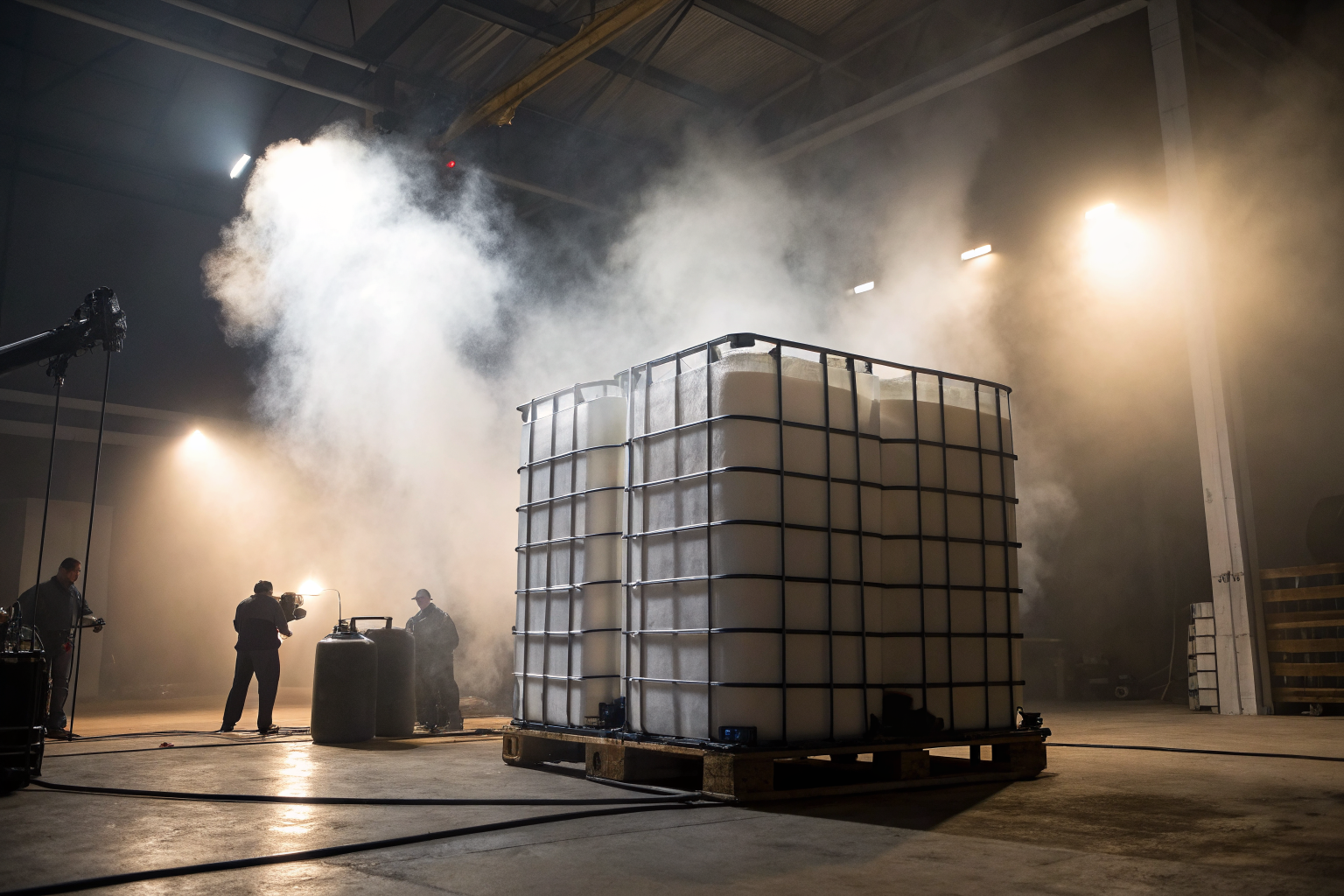
IBC Pallet vs Modular Berm: Rigid vs Flexible Containment Options
IBC containment failures cost facilities an average of $47,000 per incident when secondary containment systems fail EPA compliance standards. The choice between IBC pallet vs modular berm systems determines both your regulatory compliance and operational efficiency.
Key Takeaways:
• Rigid IBC pallets handle 330-gallon capacity with zero setup time but cost 3x more than flexible berms
• Modular berms contain up to 1,320 gallons across multiple IBCs but require 45-60 minutes assembly per unit
• EPA regulations mandate 110% containment capacity — both systems meet this but through different structural approaches
What Are the Core Structural Differences Between IBC Pallets and Modular Berms?
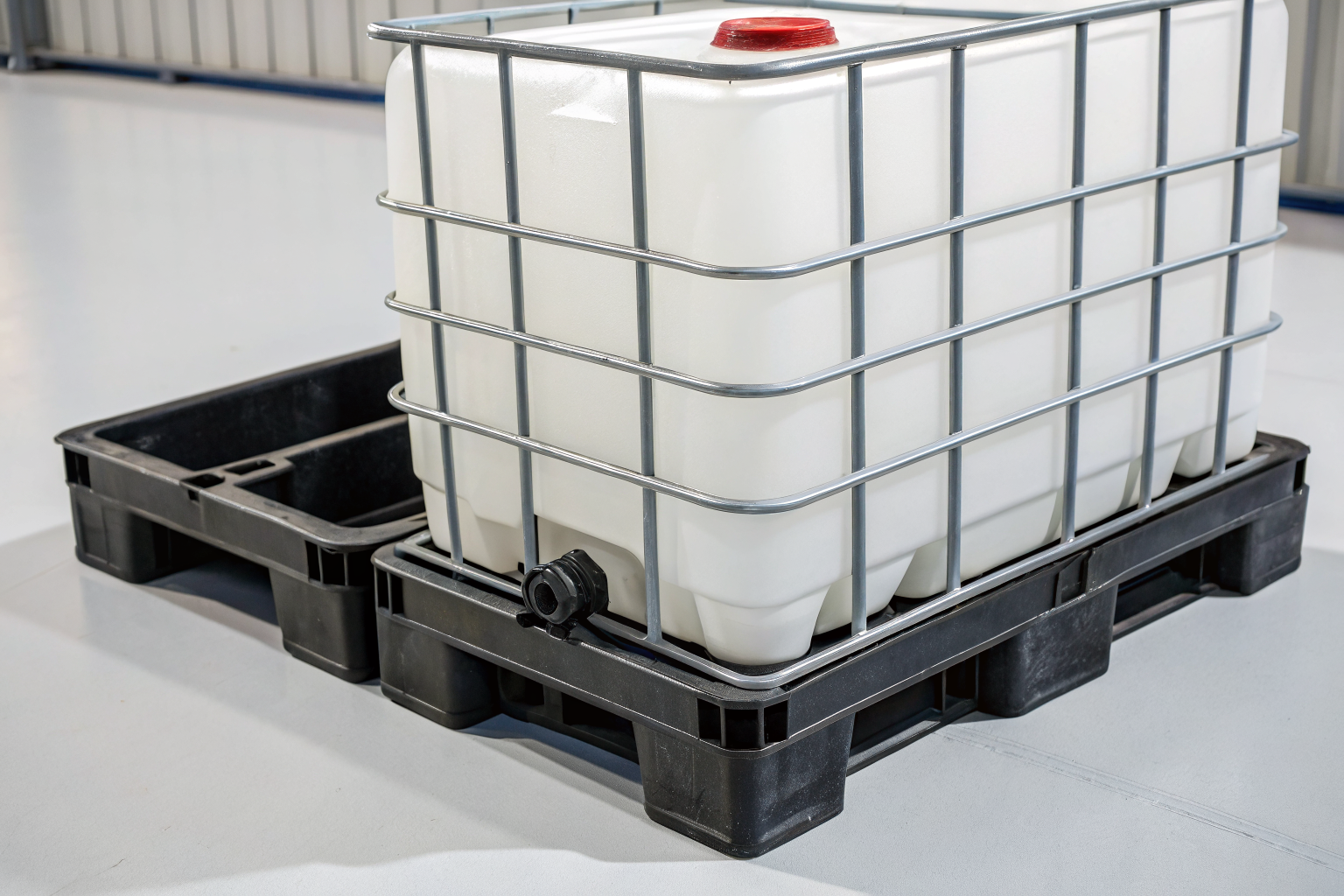
IBC pallets are rigid polyethylene platforms with integrated spill containment sumps. This means you get a one-piece unit that supports your IBC while capturing any leaks in a molded basin below. The rigid construction provides permanent secondary containment that never shifts or settles.
Modular berms use flexible PVC or polyurethane materials formed into containment walls around your storage area. Design options include collapsible sidewalls that fold flat when not in use and rigid corner posts that maintain the berm’s shape under load. The flexible material adapts to uneven surfaces and irregular floor layouts.
Material comparison reveals critical performance differences. IBC pallets use high-density polyethylene (HDPE) that resists UV degradation, chemical attack, and temperature extremes. The rigid structure distributes load evenly across the platform, supporting up to 4,400 pounds of static weight. Secondary containment capacity is fixed at the manufacturing stage.
Modular berms rely on reinforced fabric materials that flex under load. The flexible walls distribute pressure across the entire perimeter rather than concentrating stress at specific points. These systems handle up to 2,200 pounds of distributed weight across the containment area. The fabric construction allows for custom sizing and field modifications that rigid pallets cannot accommodate.
Structural integrity differs fundamentally between these approaches. Rigid pallets maintain their containment capacity regardless of environmental conditions or repeated loading cycles. Flexible berms require periodic inspection for fabric wear, seam integrity, and proper tensioning of support components.
IBC Pallet vs Modular Berm Setup Requirements
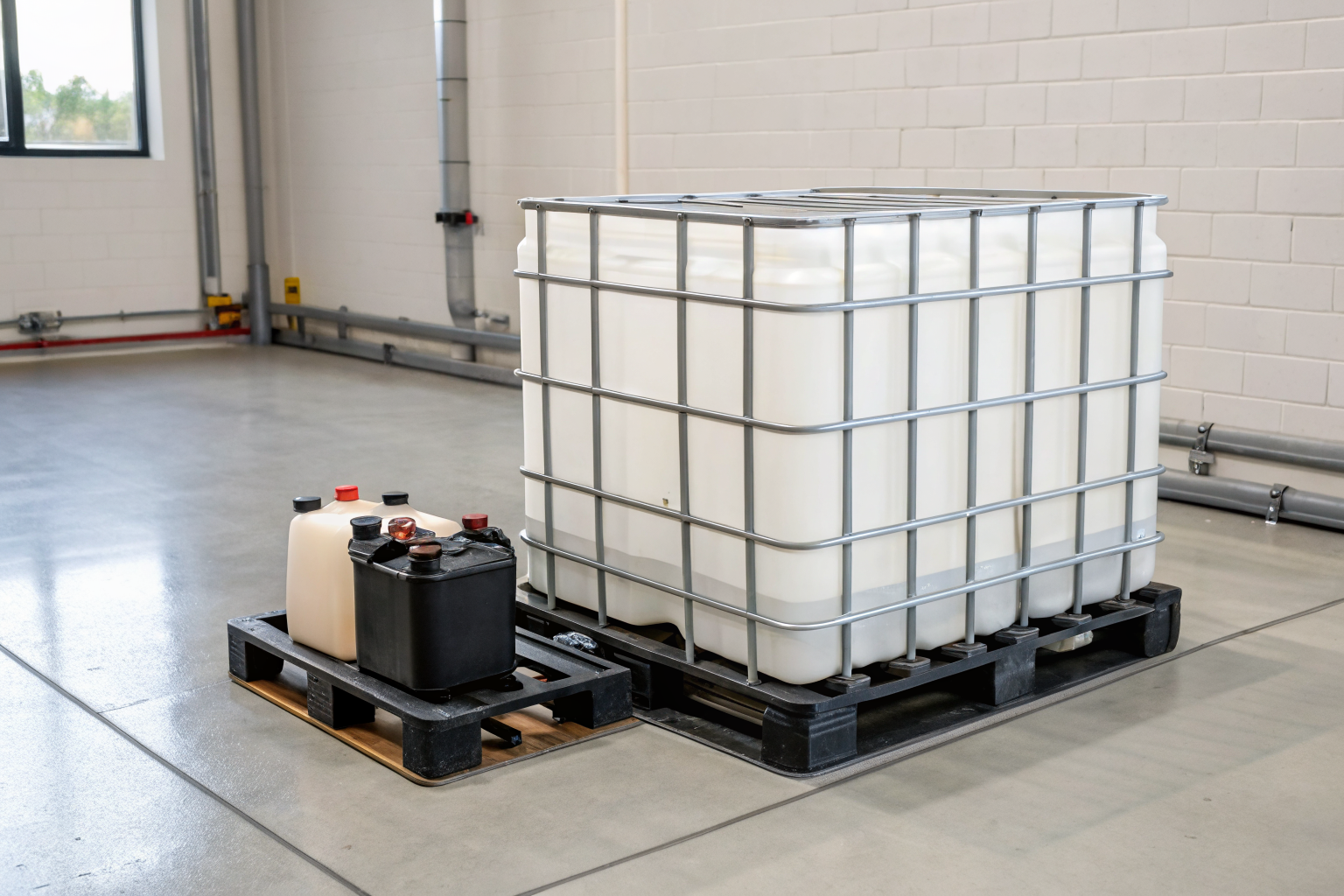
Setup requirements differ dramatically between rigid and flexible systems. IBC pallets arrive ready for immediate use. You position the pallet, place your IBC, and connect any necessary fittings. Total setup time is under five minutes with no tools required.
Modular berms demand significant assembly effort. Setup requirements include unfolding the fabric containment area, inserting rigid corner posts or support frames, and securing the perimeter connections. The process requires basic hand tools and takes 45-60 minutes for a standard four-IBC configuration. Surface preparation becomes critical since any sharp objects or debris can puncture the fabric bottom.
IBC storage considerations affect your product selection strategy. Rigid pallets work on any reasonably level surface without additional preparation. The integrated sump design means spills flow directly into the containment area through drain channels molded into the platform. Design options are limited to the manufacturer’s standard configurations.
Flexible berms require smooth, clean surfaces free from sharp edges or protruding objects. You must inspect and prepare the installation area before each setup. The fabric bottom can accommodate minor surface irregularities but cannot bridge gaps or holes in the floor.
Maintenance demands vary significantly. Rigid pallets require periodic cleaning of the sump area and visual inspection for cracks or damage. The polyethylene construction resists most chemicals and cleans easily with standard detergents.
Modular berms need careful handling during setup and breakdown to prevent fabric damage. Product selection must account for the additional labor costs of assembly and the storage space required for the folded components when not in use.
Capacity Variations: Single IBC vs Multi-Unit Containment
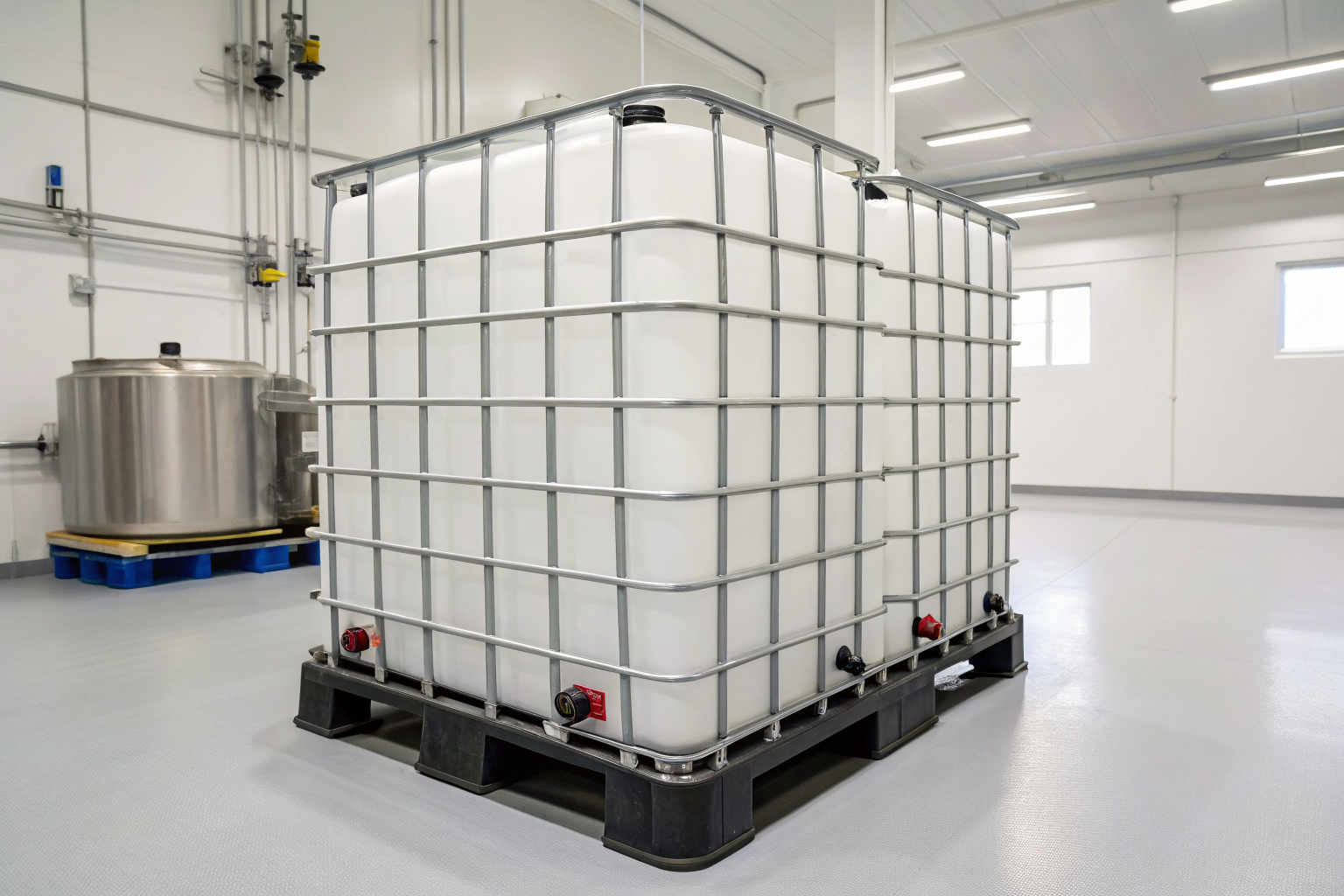
Capacity variations determine application suitability for different facility requirements. Standard IBC pallets contain exactly 363 gallons, meeting the EPA’s 110% rule for a single 330-gallon IBC. SPCC plan compliance requires this minimum containment volume for any oil storage system.
| Containment System | Single IBC Capacity | Multi-Unit Capacity | Maximum IBCs |
|---|---|---|---|
| Standard IBC Pallet | 363 gallons | N/A | 1 |
| Double IBC Pallet | 726 gallons | 726 gallons | 2 |
| Modular Berm (Small) | N/A | 550 gallons | 1-2 |
| Modular Berm (Medium) | N/A | 880 gallons | 2-3 |
| Modular Berm (Large) | N/A | 1,320 gallons | 3-4 |
Secondary containment regulations become more complex with multiple IBCs. The EPA requires 110% of the largest container or 10% of total aggregate capacity, whichever is greater. IBC storage systems must account for the potential failure of multiple containers simultaneously.
Modular berms excel at multi-unit containment scenarios. A single berm system can contain multiple IBCs while maintaining regulatory compliance. The flexible design accommodates different IBC spacings and allows for future expansion without replacing the entire containment system.
Overflow scenarios reveal critical differences between rigid and flexible approaches. IBC pallets have fixed drainage points that direct spills to specific collection areas. If containment capacity is exceeded, overflow follows predictable paths based on the pallet’s molded channels.
Flexible berms distribute overflow across the entire perimeter. The fabric walls can bulge outward under excessive liquid load, potentially compromising containment integrity. SPCC plan requirements mandate that you size the system conservatively to prevent containment failure during maximum credible spill scenarios.
Which Applications Suit Rigid vs Flexible Containment Systems?
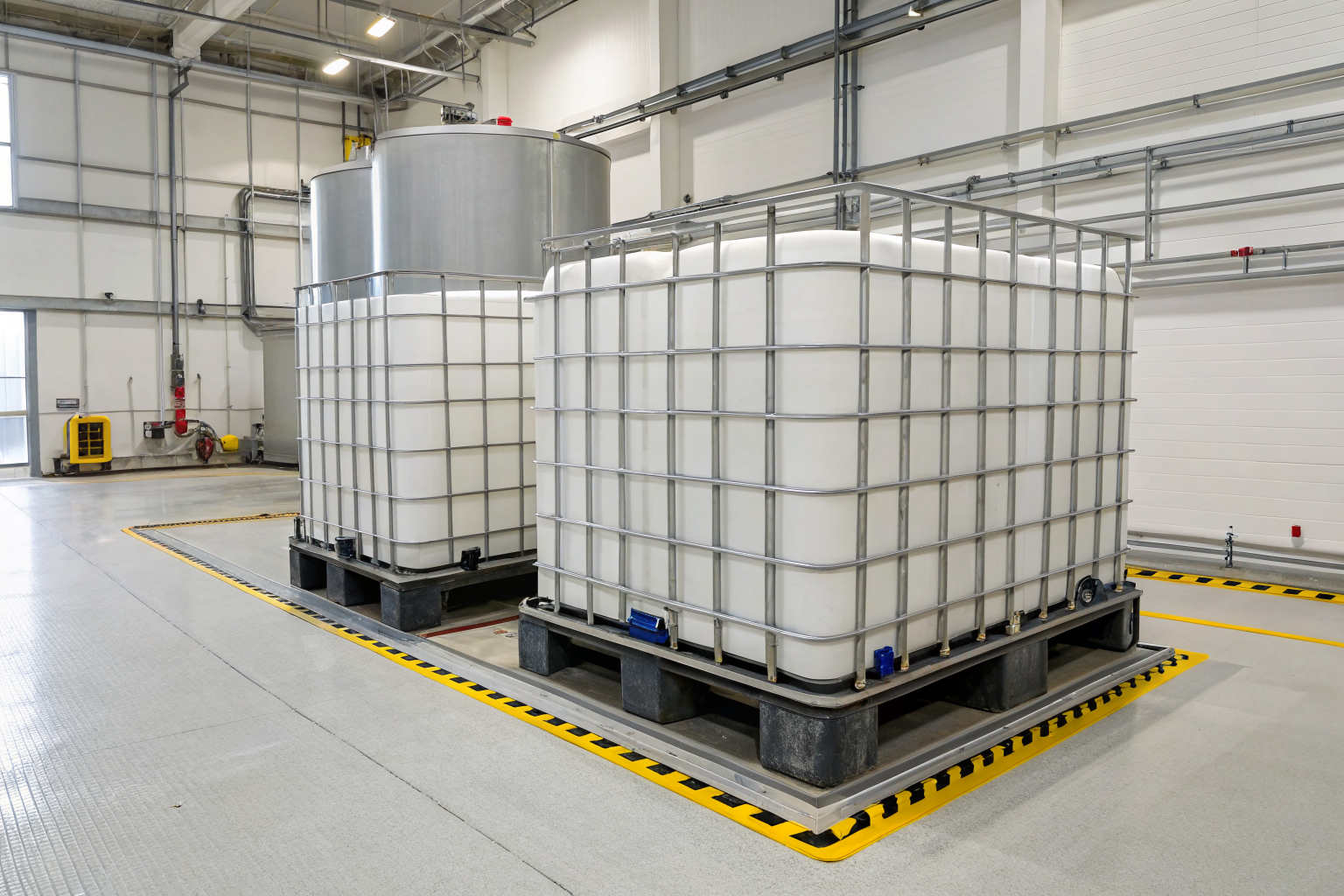
Application suitability depends on operational requirements and environmental conditions. Oil storage facilities with permanent IBC installations benefit from rigid pallet systems. The zero-setup requirement means immediate containment protection without labor overhead or assembly delays.
EPA regulations treat temporary and permanent installations differently under SPCC plan requirements. Permanent installations typically justify the higher cost of rigid systems through reduced maintenance labor and guaranteed containment performance.
Indoor applications favor rigid pallets when floor space is limited and IBCs remain in fixed positions. The compact footprint maximizes storage density while meeting spill prevention requirements. Rigid pallets handle forklift traffic and repeated loading cycles without degradation.
Outdoor installations present different challenges. Rigid pallets handle temperature ranges from -40°F to 140°F without performance loss. UV stabilizers in the polyethylene construction prevent degradation from direct sunlight exposure. The rigid structure resists wind loading and thermal cycling.
Flexible berms operate effectively from 0°F to 120°F but require protection from UV exposure for maximum service life. The fabric construction performs well in covered outdoor areas but needs replacement more frequently under direct weather exposure.
Spill prevention strategies differ based on facility operations. Manufacturing plants with consistent IBC placement benefit from rigid systems that integrate with material handling equipment. The fixed containment geometry works well with automated filling and dispensing systems.
Temporary storage operations favor modular berms despite the setup requirements. Construction sites, emergency response scenarios, and seasonal operations need containment systems that transport easily and adapt to changing site conditions. Product selection must balance portability against containment performance for these applications.
Cost Analysis: Initial Investment vs Long-Term Value
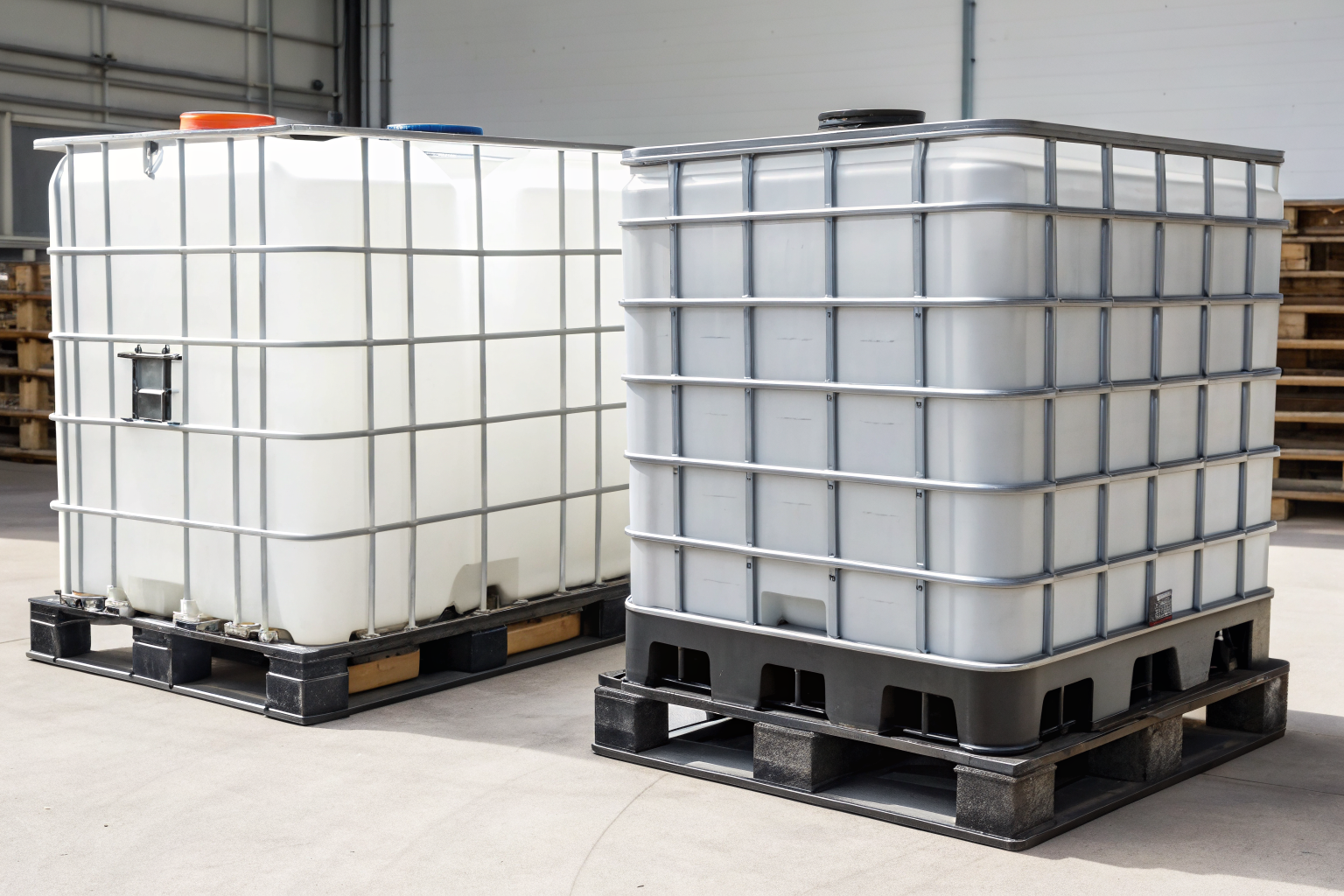
Cost analysis reveals significant total ownership differences between rigid and flexible containment options. Rigid IBC pallets cost $800-1,200 per unit depending on capacity and features. Modular berms range from $300-500 for equivalent containment volume, creating an apparent 60-70% cost savings on initial purchase.
| Cost Category | IBC Pallet | Modular Berm | 5-Year Difference |
|---|---|---|---|
| Initial Purchase | $1,000 | $400 | $600 |
| Installation Labor | $0 | $150 | $150 |
| Annual Maintenance | $25 | $75 | $250 |
| Replacement Frequency | 7-10 years | 3-5 years | 1 replacement |
| Total 5-Year Cost | $1,125 | $1,175 | $50 difference |
Material comparison affects replacement schedules significantly. Rigid pallets last 7-10 years under normal industrial use. The polyethylene construction resists chemical degradation and physical damage from forklift operations. Product selection based solely on initial cost ignores these durability advantages.
Modular berms require replacement every 3-5 years depending on usage intensity and environmental conditions. Fabric wear, seam failures, and UV degradation limit service life. The flexible material cannot be repaired effectively, so any significant damage requires complete system replacement.
Installation costs favor rigid systems through eliminated labor requirements. Each modular berm setup requires 45-60 minutes of labor at current industrial rates of $45-65 per hour. Facilities with frequent IBC rotation multiply this cost across multiple setups per month.
Maintenance expenses accumulate differently between system types. Rigid pallets need periodic cleaning and annual inspection. Cost analysis shows approximately $25 per year in maintenance labor for basic cleaning and condition assessment.
Flexible berms require careful handling, proper storage when not in use, and regular inspection for fabric integrity. The additional labor for setup, breakdown, and storage increases annual maintenance costs to $75-100 per unit. These costs compound over the system’s shorter service life, reducing the initial price advantage significantly.