
SPCC for Manufacturing Facilities: Complete Plant Oil Storage Compliance Guide
Manufacturing facilities face SPCC violations that average $47,000 per incident because plant oil storage systems differ fundamentally from standard commercial operations. Industrial plants operate complex integrated systems where hydraulic fluids, lubricants, and process oils interconnect across production lines.
Key Takeaways:
• Manufacturing facilities require SPCC plans when oil storage exceeds 1,320 gallons aggregate capacity in containers larger than 55 gallons
• Secondary containment for manufacturing oil storage must hold 110% of the largest container volume plus sufficient freeboard for precipitation
• EPA inspections target manufacturing plants 3.2x more frequently than other facility types due to higher environmental risk profiles
What Makes Manufacturing Oil Storage Different from Standard SPCC Requirements?
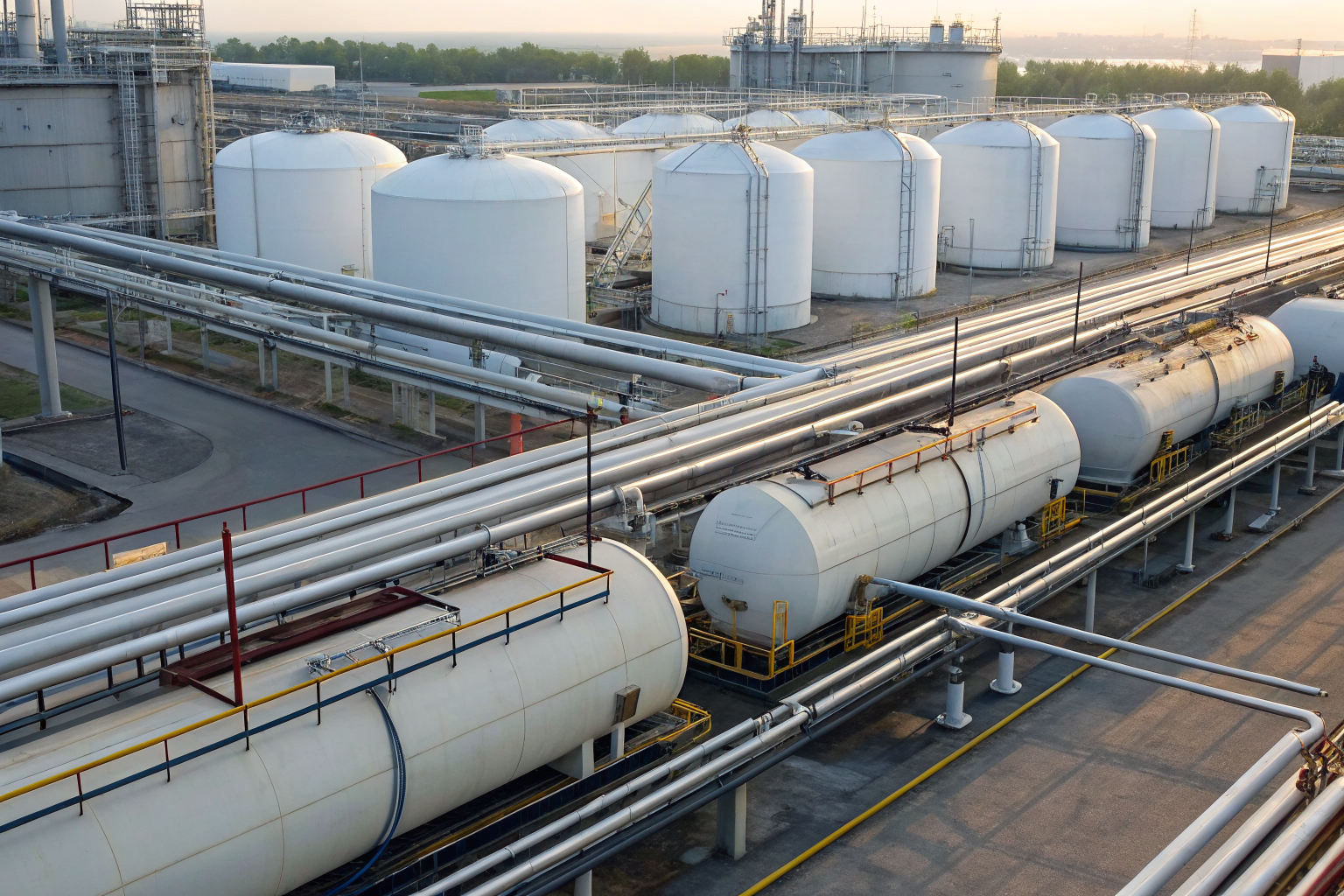
Manufacturing oil storage is a complex network of interconnected systems that serve active production processes rather than simple fuel storage. This means industrial operations face specialized SPCC compliance requirements that generic commercial approaches cannot address. Manufacturing facilities use an average of 12 different oil types versus 3 for commercial facilities.
The fundamental difference lies in system integration. Manufacturing operations connect hydraulic systems, gear boxes, compressor oils, and process lubricants through piping networks that span entire production floors. A single leak in one system can cascade through connected equipment, creating spill volumes that exceed individual container capacities. Standard SPCC plans assume isolated storage tanks with predictable spill patterns. Manufacturing plants operate dynamic systems where oil moves continuously between reservoirs, day tanks, and process equipment.
Facility complexity creates additional compliance layers that commercial operations don’t face. Industrial oil use involves heat exchangers, filtration systems, and automated dispensing equipment that can fail during production cycles. These systems operate under pressure and temperature conditions that affect spill behavior and containment requirements. The oil doesn’t sit static in a tank waiting for dispensing.
Process integration means manufacturing SPCC plans must account for simultaneous equipment operation. When production lines run at capacity, multiple oil systems operate concurrently. A containment system designed for single-tank failure may prove inadequate when process equipment fails during peak operation. Manufacturing facilities require containment calculations that consider worst-case operational scenarios, not just storage capacity.
The regulatory framework recognizes these operational differences through specific requirements for industrial facilities. EPA guidance documents distinguish between commercial fuel storage and manufacturing oil systems precisely because the risk profiles and failure modes differ substantially. Generic SPCC approaches fail for manufacturing operations because they don’t address the interconnected nature of industrial oil systems.
SPCC Trigger Thresholds for Manufacturing Plant Operations
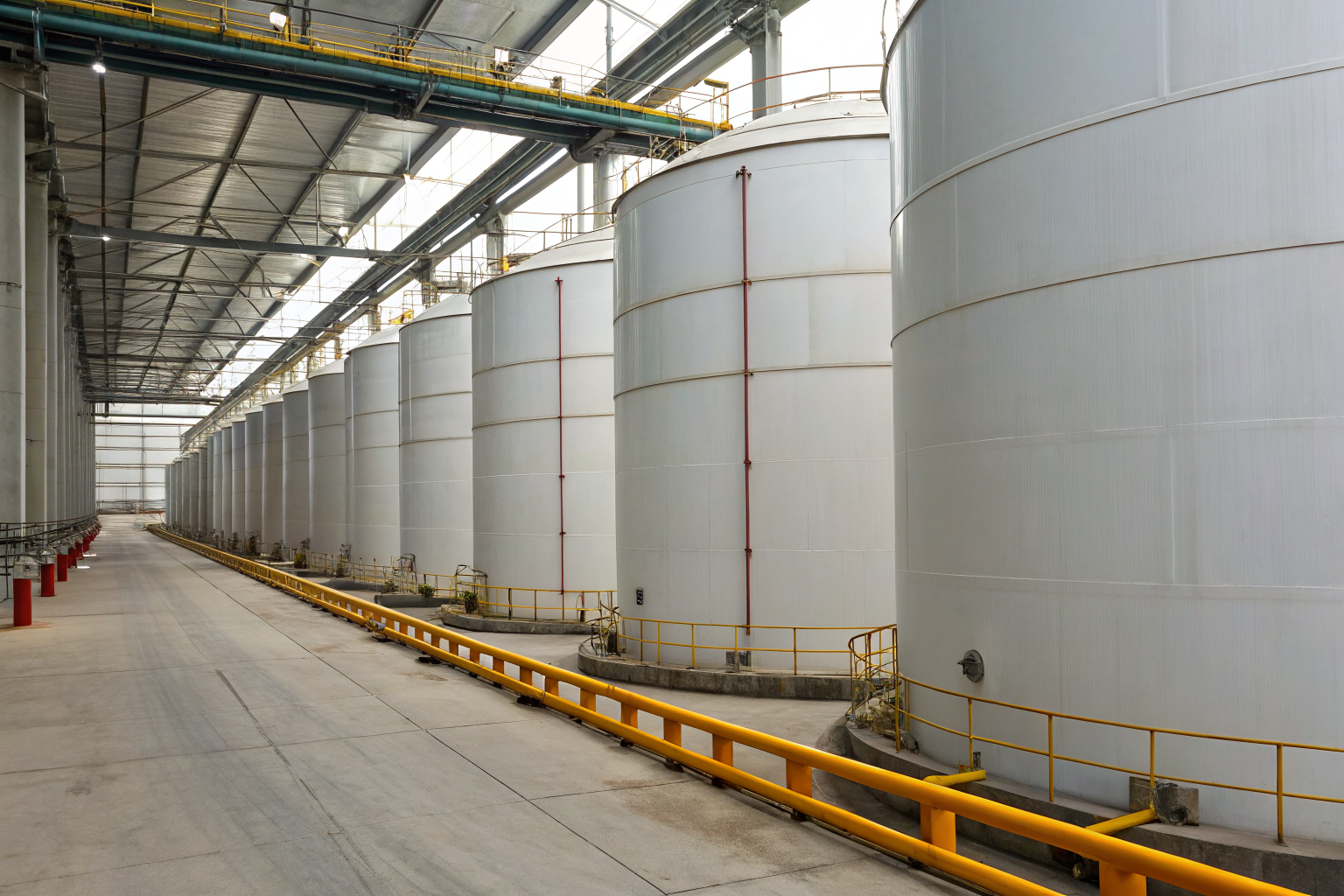
Manufacturing facilities must comply with SPCC regulations at specific thresholds that account for the aggregate nature of industrial oil storage. The 1,320 gallon aggregate capacity rule applies to all oil storage containers larger than 55 gallons on the facility property. Container size threshold of 55 gallons applies to individual tanks, drums, and process vessels.
| Storage Type | Threshold Volume | Container Minimum | Counting Method |
|---|---|---|---|
| Above-ground tanks | All volumes | 55+ gallons | Aggregate total |
| Process equipment reservoirs | All volumes | 55+ gallons | Aggregate total |
| Day tanks and surge vessels | All volumes | 55+ gallons | Aggregate total |
| Underground storage tanks | All volumes | Any size | Aggregate total |
| Mobile equipment (permanent) | All volumes | 55+ gallons | Aggregate total |
| Drums and totes (fixed location) | All volumes | 55+ gallons | Aggregate total |
The aggregate calculation includes every oil-containing system that serves manufacturing operations. Hydraulic reservoirs, gear oil sumps, compressor lubricant tanks, and process oil day tanks all count toward the 1,320 gallon threshold. This differs from commercial facilities where fuel storage typically involves fewer, larger containers.
Underground versus above-ground storage distinctions matter for manufacturing plants because industrial operations often combine both storage types. Underground tanks that supply above-ground process equipment create regulatory complications where both storage categories apply to the same facility. The SPCC plan must address the complete storage picture.
Container size minimums apply to fixed installations, not portable equipment. A 60-gallon hydraulic reservoir permanently installed on a production machine counts toward the aggregate. The same 60-gallon reservoir on a mobile hydraulic power unit may not count if the unit moves between job sites. Manufacturing facilities must evaluate each oil-containing system for permanence and capacity.
Process vessels that temporarily hold oil during manufacturing operations count toward aggregate capacity when they exceed 55 gallons and remain in fixed locations. Heat treatment oil baths, parts washing tanks, and hydraulic test stands all qualify as countable storage when they meet size and permanence criteria.
How Do You Design Secondary Containment for Industrial Oil Systems?
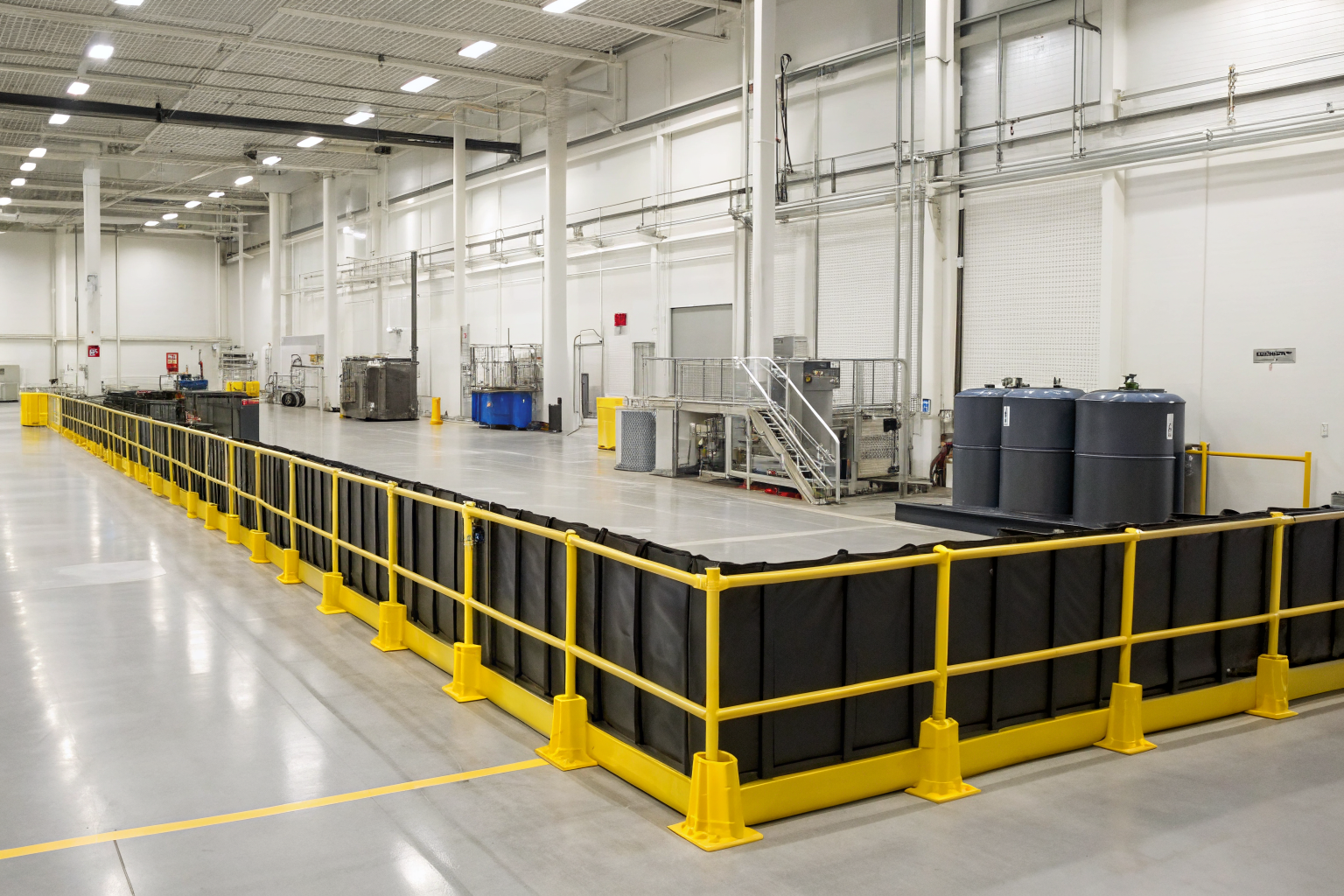
Secondary containment prevents oil spills in manufacturing facilities through engineered systems that capture releases before they reach soil or waterways. The design process for manufacturing environments requires specialized approaches that address process equipment integration and operational dynamics.
Step one involves calculating containment volume requirements using the 110% rule plus precipitation considerations. Secondary containment must hold 110% of the largest container volume plus sufficient freeboard for the 25-year 24-hour precipitation event. For manufacturing facilities with multiple large containers in the same containment area, calculate 100% of the largest container plus 10% of all remaining containers in that area.
Step two addresses piping systems that connect oil storage to process equipment. Manufacturing containment systems must capture spills from piping networks, not just storage tanks. Install containment sumps at low points in piping runs. Design containment around valve locations where maintenance activities create spill risks. Consider thermal expansion and pressure surges that can cause fitting failures in process piping.
Step three involves drainage system design that prevents contaminated stormwater discharge. Manufacturing containment areas require positive drainage to collection points with manual or automatic isolation valves. Design drainage slopes that direct spills toward collection sumps while preventing clean stormwater from becoming contaminated. Install oil-water separators where process equipment creates mixed discharges.
Step four covers containment integration with production operations. Manufacturing containment cannot interfere with equipment access, material handling, or maintenance activities. Design removable sections or access panels that maintain containment integrity while allowing operational flexibility. Consider equipment installation and removal requirements that may require temporary containment modifications.
Step five addresses specialized equipment considerations unique to manufacturing operations. Containment around heat exchangers must account for thermal cycling effects on containment materials. Hydraulic equipment containment requires access for pressure testing and component replacement. Process equipment containment must accommodate cleaning operations that may involve steam or chemical washing.
Containment monitoring systems become critical for manufacturing facilities because spills may occur during unmanned shifts or in areas with limited visibility. Install leak detection systems that provide early warning of containment system performance. Design containment with inspection access that allows regular integrity verification.
Manufacturing-Specific SPCC Plan Components That EPA Inspectors Target

SPCC plans must address manufacturing-specific compliance elements that reflect the complexity and integration of industrial oil systems. EPA manufacturing facility inspection rate of 18% annually versus 5.6% for other facility types creates focused enforcement attention on plan adequacy and implementation.
| Standard SPCC Element | Manufacturing Addition | Inspector Focus |
|---|---|---|
| Container inventory | Process equipment integration | Equipment interconnection mapping |
| Spill history | Production incident correlation | Operational failure analysis |
| Personnel training | Process-specific procedures | Equipment-specific response protocols |
| Inspection schedules | Production cycle coordination | Operational inspection timing |
| Emergency procedures | Production shutdown protocols | Process isolation procedures |
| Containment design | Process equipment compatibility | System integration verification |
Process integration requirements form the core difference between standard SPCC plans and manufacturing-specific versions. Manufacturing plans must document how oil systems connect across production operations and identify single points of failure that could affect multiple systems simultaneously. Inspectors verify that plans accurately reflect operational reality rather than simplified storage scenarios.
Equipment-specific considerations require manufacturing SPCC plans to address specialized machinery that doesn’t exist in commercial operations. Hydraulic presses, injection molding machines, and heat treatment systems create unique spill scenarios that generic SPCC templates cannot address. Plans must include equipment-specific spill volumes, containment strategies, and response procedures.
Production cycle integration affects inspection scheduling, maintenance timing, and emergency response procedures. Manufacturing SPCC plans must coordinate spill prevention activities with production schedules to ensure compliance activities don’t interfere with operations while maintaining environmental protection. Inspectors evaluate whether plans realistically address operational constraints.
Compliance verification becomes more complex for manufacturing facilities because oil systems serve active production processes. Plans must include procedures for verifying containment system integrity while equipment operates under normal production conditions. This differs from commercial operations where storage systems remain static during inspections.
Documentation requirements expand for manufacturing operations because facilities must demonstrate compliance across multiple interconnected systems. EPA inspectors expect manufacturing SPCC plans to include system diagrams, operational procedures, and maintenance records that reflect the integrated nature of industrial oil use. Standard commercial documentation approaches prove inadequate for complex manufacturing operations.
Common Manufacturing SPCC Violations and Penalty Patterns
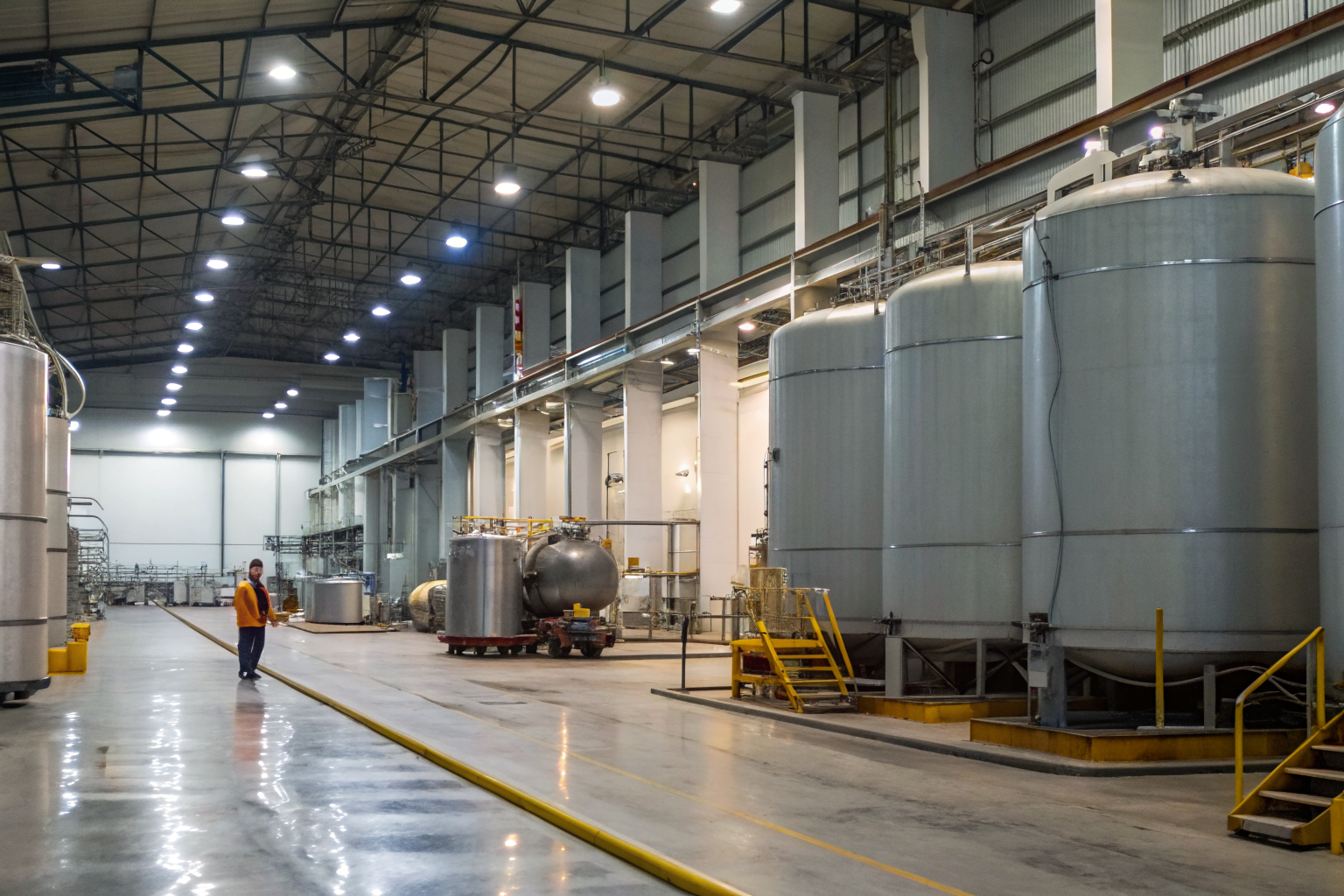
Manufacturing facilities incur SPCC penalties for specific violation patterns that reflect the complexity of industrial oil storage and handling systems. Based on EPA enforcement database analysis, containment design failures account for 34% of manufacturing SPCC penalties, followed by inadequate plan updates and insufficient training documentation.
Containment system failures represent the most expensive violation category for manufacturing facilities. EPA enforcement actions consistently target containment designs that fail to address process equipment integration or operational dynamics. Facilities receive violations when containment systems cannot handle spills from interconnected equipment or when containment capacity calculations ignore process vessel volumes. These violations average $73,000 in penalties because they represent fundamental misunderstandings of manufacturing oil system risks.
Plan adequacy violations occur when SPCC plans fail to reflect actual manufacturing operations. Generic commercial templates cannot address the complexity of industrial oil systems, leading to plans that don’t match facility operations. EPA inspectors identify these violations by comparing plan documentation to actual equipment installations and operational procedures. Manufacturing facilities using outdated or inappropriate plan templates face penalties averaging $41,000.
Inspection and maintenance documentation violations reflect the challenge of maintaining compliance records across complex manufacturing operations. Industrial facilities must document inspection activities for multiple oil systems, process equipment, and containment installations. Incomplete documentation or missing inspection records generate violations that average $29,000 in penalties. These violations often compound because missing documentation affects multiple SPCC plan requirements simultaneously.
Training documentation violations occur when manufacturing facilities fail to provide equipment-specific training for personnel who handle industrial oil systems. Generic spill response training proves inadequate for complex manufacturing operations involving specialized equipment and processes. EPA enforcement actions target training programs that don’t address manufacturing-specific spill scenarios, equipment operation procedures, and emergency response protocols.
Enforcement patterns show that EPA targets manufacturing facilities with multiple violations more aggressively than single-issue cases. Facilities with systemic compliance problems face escalated enforcement that can include facility shutdowns and criminal referrals. The interconnected nature of manufacturing oil systems means that single failures often cascade into multiple violations, creating compound penalty exposure that can exceed $200,000 for major enforcement actions.