
SPCC Plan Requirements: 7 Critical Elements Every Facility Must Include
EPA violations for incomplete SPCC plan requirements cost facilities an average of $37,500 per incident, yet most companies miss critical documentation elements that trigger these penalties.
Key Takeaways:
• SPCC plans require 7 mandatory elements — missing even one triggers EPA violation status
• Secondary containment calculations must show 110% capacity for all oil storage containers over 55 gallons
• Professional Engineer certification becomes mandatory when total oil storage exceeds 10,000 gallons
What Are SPCC Plan Requirements Under EPA Regulations?
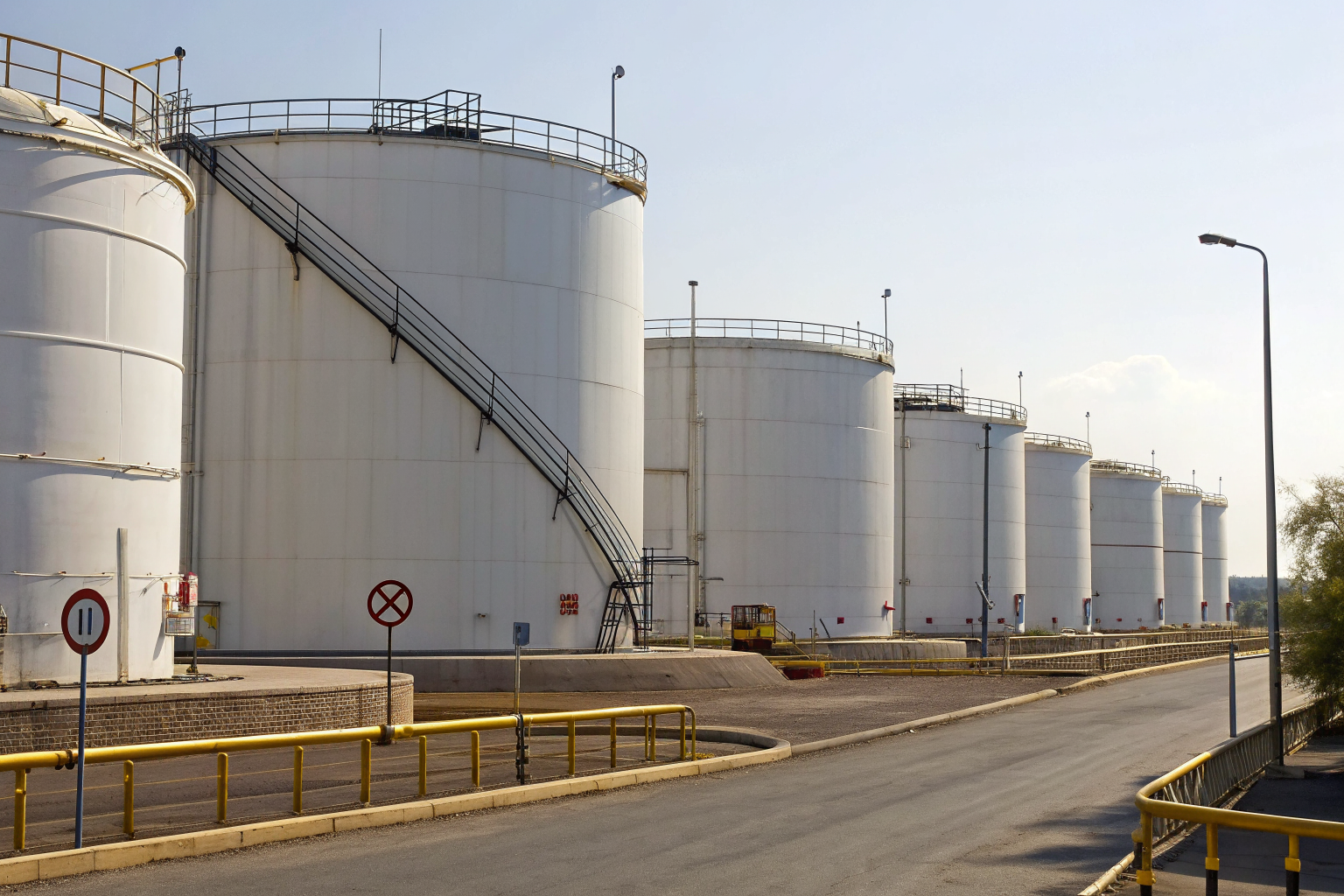
SPCC plan requirements are mandatory documentation standards established under EPA regulations 40 CFR 112 for facilities that store oil and have potential for discharge to navigable waters. This means any facility with oil storage capacity above 1,320 gallons must develop and maintain a comprehensive spill prevention plan that meets specific federal standards.
The regulatory framework covers facilities including industrial plants, oil drilling operations, airports, farms with significant fuel storage, and transportation terminals. SPCC plans must comply with EPA regulations 40 CFR 112, which defines the scope, content, and implementation requirements for spill prevention programs.
Three critical thresholds determine SPCC applicability. First, the facility must have oil storage capacity greater than 1,320 gallons in containers of 55 gallons or larger. Second, the facility must have reasonable potential for oil discharge that could reach navigable waters or adjoining shorelines. Third, the facility must maintain operations that involve oil storage, handling, or transfer activities.
Plans required for facilities with oil storage capacity above 1,320 gallons and potential discharge to navigable waters must address all aspects of spill prevention, from container integrity to emergency response procedures. The EPA enforces these requirements through regular inspections and can impose significant penalties for non-compliance.
Compliance deadlines vary based on facility type and storage capacity. New facilities must implement SPCC plans before beginning operations, while existing facilities have specific timeframes following capacity changes or regulatory updates.
Facility Description and Site Assessment Documentation
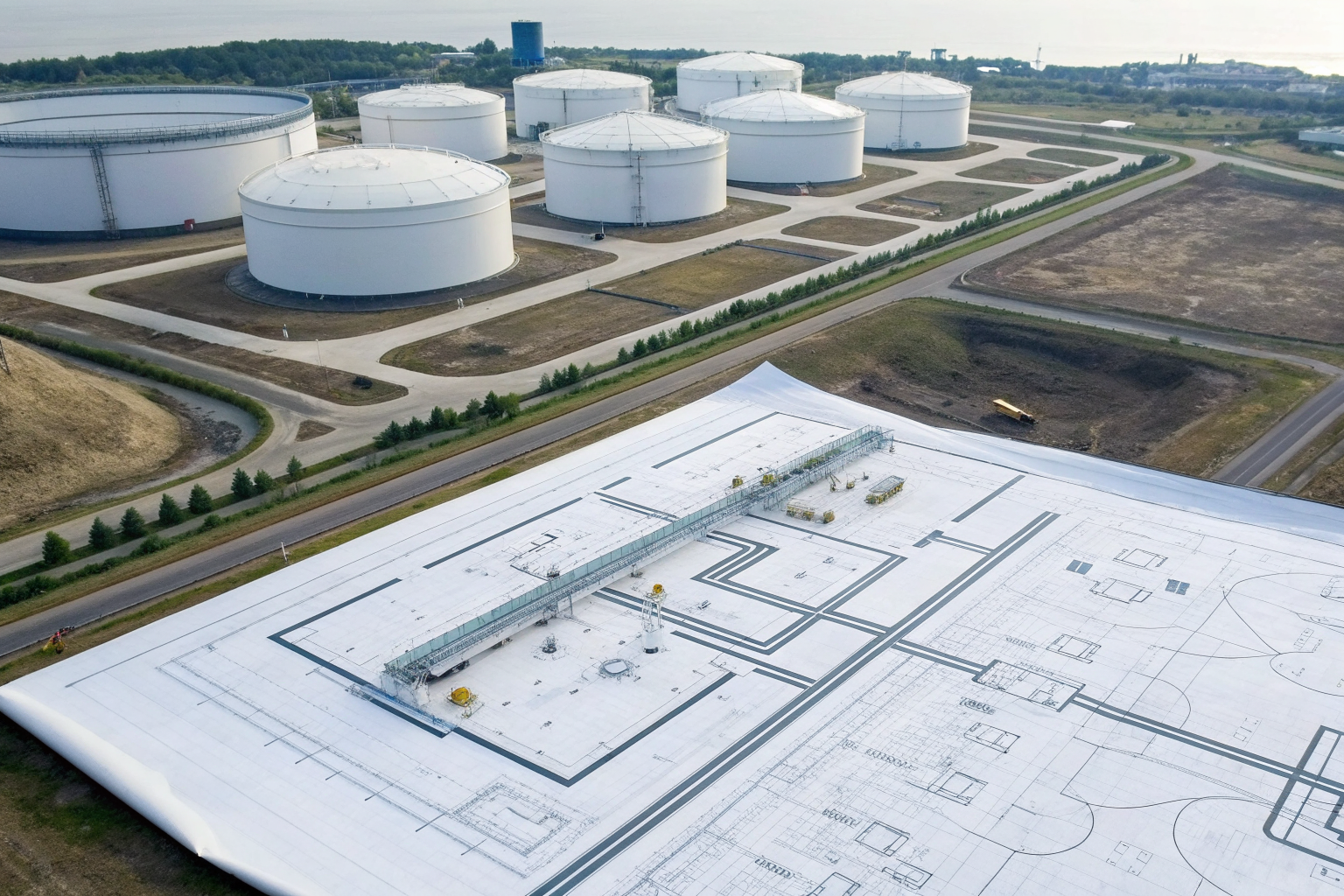
Facility descriptions must document site drainage patterns and oil storage locations through detailed engineering drawings and environmental assessments. This comprehensive documentation forms the foundation of every compliant SPCC plan.
Step 1: Create detailed site plans showing all oil storage areas, including aboveground tanks, underground storage systems, mobile containers, and temporary storage locations. Site plans must include all areas within 1,000 feet of oil storage that could affect spill containment, covering topography, drainage patterns, and proximity to water sources.
Step 2: Document drainage systems and flow patterns that could carry spilled oil toward navigable waters. Map storm drains, surface water flow directions, groundwater characteristics, and seasonal water level variations. Include watershed boundaries and downstream water bodies that could be affected by potential discharges.
Step 3: Identify and map all oil handling areas including loading docks, transfer stations, maintenance areas, and equipment staging zones. Document the types of operations conducted in each area and their relationship to oil storage systems.
Step 4: Assess environmental vulnerabilities including proximity to wetlands, drinking water sources, and environmentally sensitive areas. Document soil types, permeability characteristics, and groundwater depth measurements that affect containment effectiveness.
Step 5: Compile supporting documentation including aerial photographs, topographic maps, soil surveys, and hydrogeological studies. Maintain current versions of all facility modifications, expansions, or operational changes that affect oil storage or handling activities.
The facility description must demonstrate comprehensive understanding of how oil could travel from storage areas to navigable waters under various spill scenarios, enabling effective prevention and containment system design.
Oil Storage Container Inventory and Specifications

Oil storage containers require documentation of capacity, contents, and inspection schedules in detailed inventory records that track every vessel over 55 gallons. Complete container documentation ensures compliance with monitoring and maintenance requirements.
| Container ID | Capacity (Gallons) | Oil Type | Installation Date | Last Inspection | Next Inspection | Secondary Containment |
|---|---|---|---|---|---|---|
| AST-001 | 10,000 | Diesel Fuel | 2019-03-15 | 2024-01-15 | 2024-07-15 | Concrete Basin |
| AST-002 | 5,000 | Hydraulic Oil | 2020-08-22 | 2024-02-10 | 2024-08-10 | Steel Dike |
| UST-003 | 8,000 | Gasoline | 2018-11-05 | 2024-01-20 | 2024-07-20 | Double Wall |
| MOB-004 | 500 | Lubricating Oil | 2023-05-12 | 2024-02-28 | 2024-05-28 | Portable Berm |
| AST-005 | 15,000 | Heating Oil | 2017-06-30 | 2024-01-08 | 2024-07-08 | Synthetic Liner |
Aboveground storage tanks require detailed specifications including construction materials, wall thickness, foundation design, and corrosion protection systems. Document manufacturer specifications, installation records, and any modifications or repairs performed throughout the tank’s service life.
Underground storage tanks need additional documentation covering leak detection systems, cathodic protection status, and soil conditions surrounding the installation. Maintain records of any environmental testing conducted in tank areas.
Mobile and portable containers must be tracked with unique identifiers and documented movement logs when they exceed 55-gallon capacity. Include temporary storage arrangements and seasonal container deployments in the inventory system.
Inspection schedules vary by container type and regulatory requirements, but most systems require monthly visual inspections, annual detailed examinations, and periodic integrity testing. Documentation must show inspector qualifications, inspection methods, findings, and corrective actions taken to address any deficiencies.
How Do Secondary Containment Requirements Work?
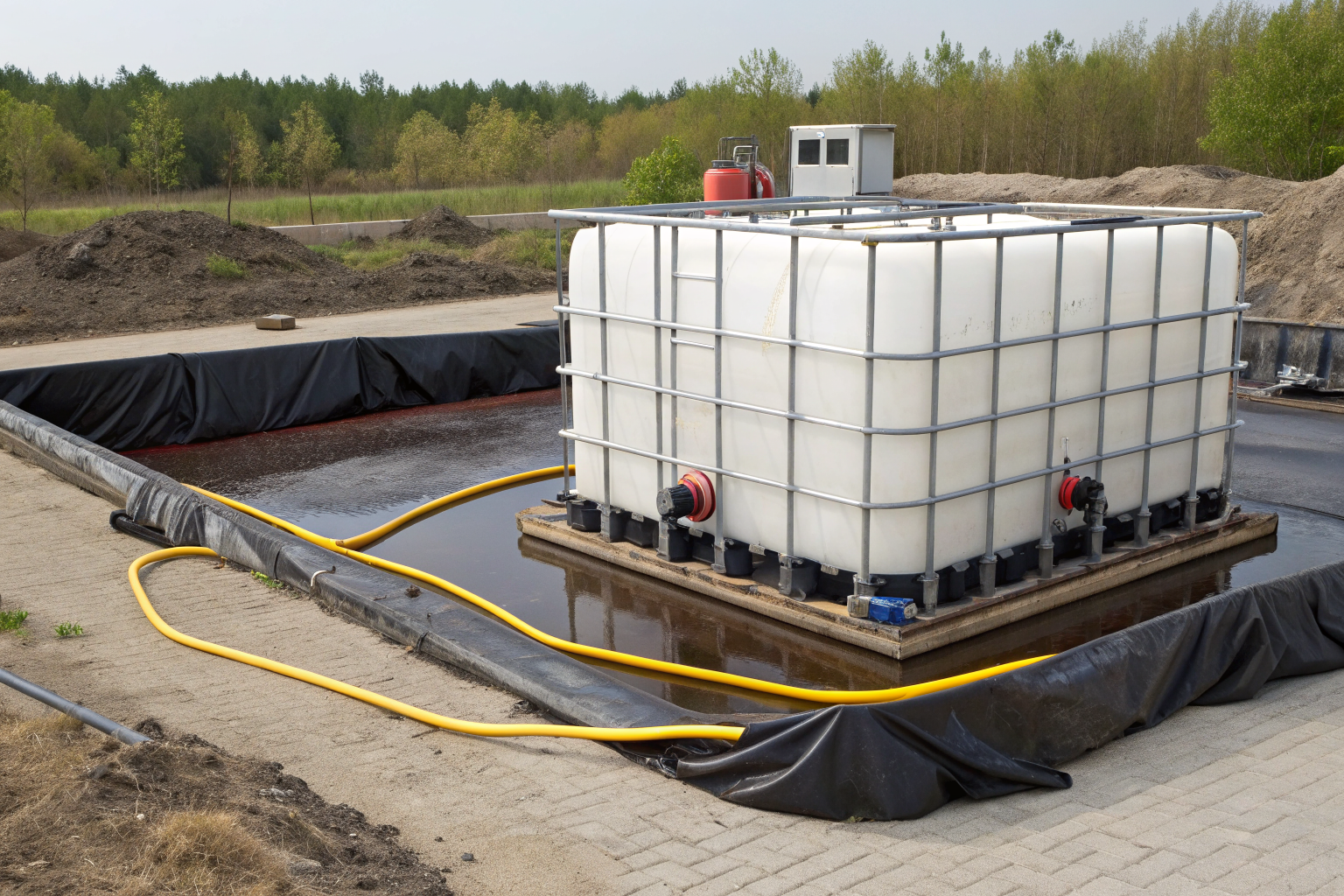
Secondary containment must provide 110 percent capacity of the largest container within each containment area, creating a backup barrier that prevents oil from reaching soil or water during spills. This fundamental requirement applies to virtually all oil storage systems covered by SPCC regulations.
Concrete containment systems offer permanent, weather-resistant secondary containment suitable for large aboveground storage tanks. These systems typically consist of reinforced concrete walls and floors with sealed joints and proper drainage controls. Concrete systems can handle the 110% capacity requirement while providing long-term durability but require significant initial investment and professional installation.
Steel containment systems provide flexible secondary containment options for various tank configurations. Pre-fabricated steel systems can be customized to site conditions and expanded as storage needs change. Steel systems require regular maintenance to prevent corrosion but offer faster installation and lower initial costs compared to concrete alternatives.
Synthetic liner systems use reinforced membranes to create secondary containment areas around storage tanks. These systems work well for irregularly shaped containment areas and can accommodate multiple tanks within single containment zones. Liner systems require careful installation and regular inspection to maintain integrity but provide cost-effective containment for many applications.
Earthen berms with impermeable liners create secondary containment through constructed soil barriers lined with synthetic materials. This approach works for large tank farms and can integrate with natural site topography. Earthen systems require ongoing maintenance and vegetation management but offer economical containment for extensive storage areas.
Alternatives to traditional secondary containment include double-walled tanks, leak detection systems with automatic shut-off capabilities, and equivalent environmental protection measures approved by EPA. These alternatives must demonstrate equivalent protection effectiveness through engineering analysis and may require additional monitoring or maintenance procedures.
Secondary containment volume calculations must account for tank displacement, piping volumes, and rainfall infiltration. For a 10,000-gallon tank requiring 110% containment, the system needs 11,000 gallons of available containment volume after subtracting the tank’s physical displacement within the containment area.
Spill Prevention Measures and Equipment Standards

Discharge prevention measures must include specific equipment and maintenance procedures that eliminate routine spill causes and minimize the risk of catastrophic releases. Effective prevention systems address the most common failure modes in oil storage and handling operations.
Valve specifications require appropriate materials, pressure ratings, and fail-safe designs for all oil transfer operations. Manual valves must have clear position indicators and be accessible for emergency shutdown. Automatic valves need regular testing to ensure proper operation under emergency conditions. Equipment inspection frequencies require monthly visual inspections for all valves, with annual detailed examinations including operation testing and seal integrity verification.
Loading and unloading procedures must specify connection methods, pressure monitoring, and overflow prevention systems. Transfer operations require dedicated personnel oversight, emergency shutdown capabilities, and spill response equipment positioned for immediate deployment. Hose and connection specifications must meet industry standards for pressure rating and material compatibility.
Tank integrity measures include regular shell thickness testing, foundation stability monitoring, and internal inspection schedules based on oil type and tank age. Corrosion protection systems require annual electrical continuity testing and maintenance of sacrificial anodes or impressed current systems. External coating inspections identify areas requiring repair before corrosion compromises tank integrity.
Failure prevention systems encompass multiple protection layers including level monitoring, high-level alarms, automatic overfill prevention, and emergency shutdown systems. These systems must be tested quarterly with documented results and immediate repair of any deficiencies. Backup power systems ensure continued operation during electrical outages.
Piping system protection includes adequate support structures, expansion joints for thermal movement, and cathodic protection for buried lines. Above-ground piping requires impact protection in vehicle traffic areas and regular inspection for mechanical damage or corrosion. Underground piping systems need leak detection monitoring and pressure testing according to established schedules.
Maintenance schedules establish specific frequencies for equipment testing, calibration, and replacement based on manufacturer recommendations and regulatory requirements. Preventive maintenance programs reduce the likelihood of equipment failures that could result in oil releases.
Personnel Training and Response Procedures Documentation

Personnel training must cover spill response and prevention procedures through comprehensive programs that ensure all relevant staff can effectively implement SPCC plan requirements during normal operations and emergency situations.
Step 1: Establish training program scope covering all personnel involved in oil handling, storage, or transfer operations. Training must be documented annually with specific topics and attendee records maintained for 3 years, including initial training dates, refresher sessions, and competency evaluations.
Step 2: Develop spill response team assignments with clear roles and responsibilities for each team member. Designate primary and backup personnel for key positions including incident commander, spill containment specialists, and regulatory notification contacts. Document team member qualifications and maintain current contact information.
Step 3: Create emergency contact procedures listing internal response personnel, regulatory agencies, cleanup contractors, and environmental consultants. Include after-hours contact methods and alternate communication systems for use when primary systems are unavailable.
Step 4: Implement equipment operation training covering spill response tools, containment materials, and cleanup equipment. Personnel must demonstrate competency in using absorbent materials, portable berms, pumping equipment, and personal protective equipment before being authorized for response duties.
Step 5: Document training effectiveness through regular drills, competency testing, and performance evaluations. Maintain records showing training completion dates, drill participation, and any additional training provided to address performance deficiencies.
Response procedures documentation must include specific action steps for different spill scenarios, notification requirements, and containment strategies appropriate to site conditions. Training programs should include hands-on practice with actual response equipment and tabletop exercises that test decision-making abilities under simulated emergency conditions.
Quality assurance measures ensure training programs remain current with regulatory changes, facility modifications, and lessons learned from actual incidents or drill experiences. Regular program reviews identify areas needing improvement and ensure training effectiveness meets SPCC compliance objectives.
Professional Engineer Certification and Five-Year Review Requirements

SPCC plans require Professional Engineer certification when oil capacity exceeds 10,000 gallons, establishing an additional layer of technical review that ensures plan adequacy and regulatory compliance. This certification requirement reflects the increased complexity and environmental risk associated with larger oil storage facilities.
Professional Engineer (PE) certification thresholds apply to facilities with aggregate oil storage capacity over 10,000 gallons in containers of 55 gallons or larger. The PE must review the entire SPCC plan, certify that it meets regulatory requirements, and attest that the prevention measures are adequate for the specific facility conditions. Facilities below the 10,000-gallon threshold can self-certify their plans but must still meet all technical requirements.
Review and update requirements mandate comprehensive plan evaluation every five years, regardless of facility size or PE certification requirements. Plans must be reviewed and updated every 5 years, with amendments required within 6 months of facility changes that affect spill potential or response capabilities. This includes changes in storage capacity, facility layout, oil types, or operational procedures.
Amendment procedures require formal documentation of all plan changes, including engineering analysis supporting the modifications and updated drawings or specifications. Significant amendments may require new PE certification even for facilities that previously qualified for self-certification if the changes increase storage capacity above certification thresholds.
Compliance timeline requirements establish specific deadlines for plan implementation, updates, and regulatory submissions. New facilities must have certified plans before beginning operations, while existing facilities have defined timeframes for implementing plan updates following regulatory changes or facility modifications.
PE responsibilities extend beyond initial certification to include review of significant facility changes and periodic plan effectiveness evaluation. Engineers must maintain professional liability insurance and stay current with regulatory developments affecting SPCC requirements.
Documentation standards require maintaining complete records of all plan versions, PE certifications, review dates, and amendment histories throughout the facility’s operational life.