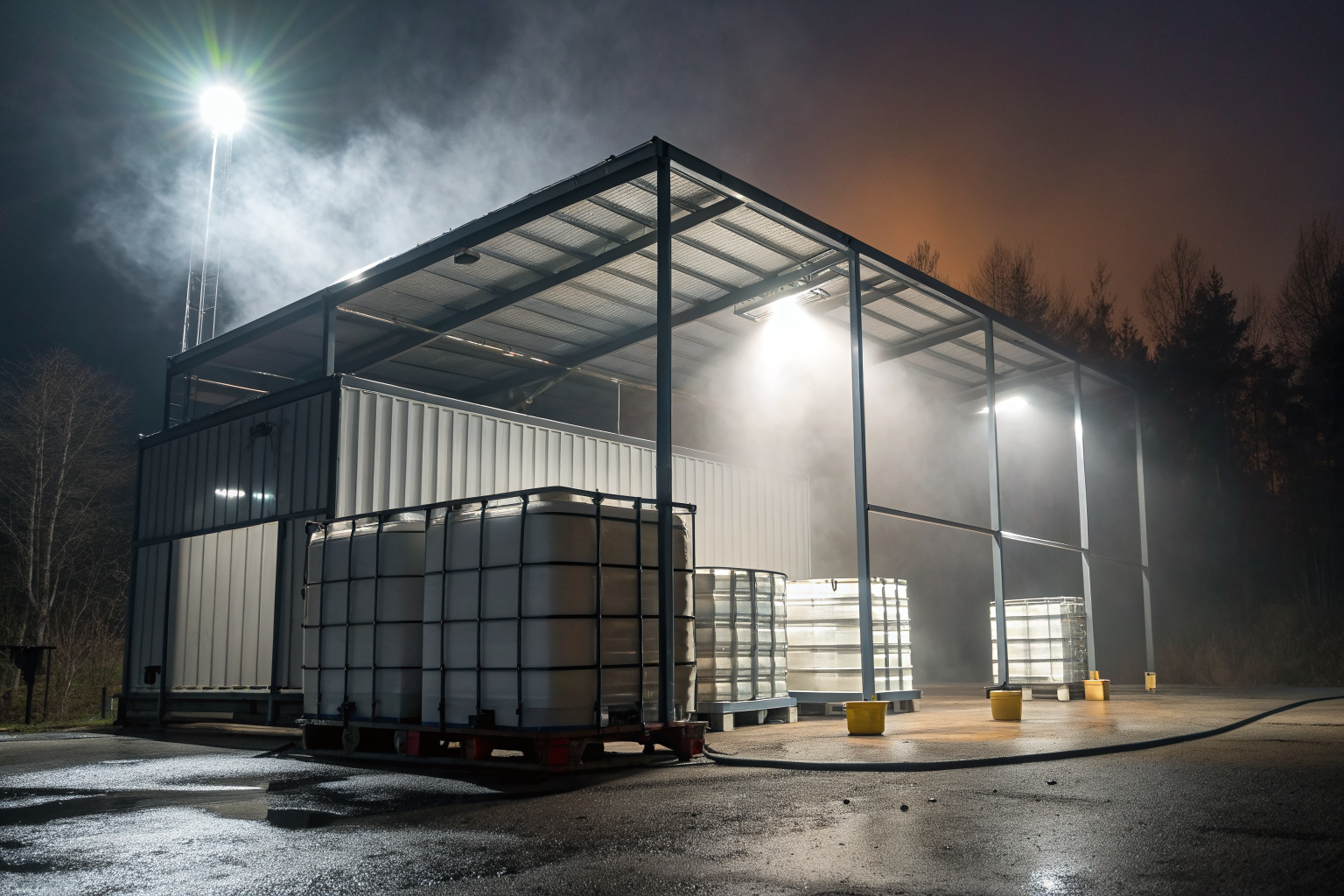
IBC Hard Top Containment: 5 Best Covered Storage Solutions for Outdoor Use
Uncovered IBC totes lose 15-20% of chemical integrity per year from UV degradation and temperature cycling alone. IBC hard top containment prevents this costly deterioration while ensuring regulatory compliance for outdoor chemical storage operations.
Key Takeaways:
• Hard top IBC containment extends chemical storage life by 3-5 years compared to uncovered outdoor storage
• EPA SPCC regulations require secondary containment for 110% of container capacity plus precipitation volume
• Galvanized steel hard tops cost $800-2,400 more than soft covers but last 15+ years versus 3-5 years
What Makes Hard Top IBC Containment Essential for Chemical Storage?
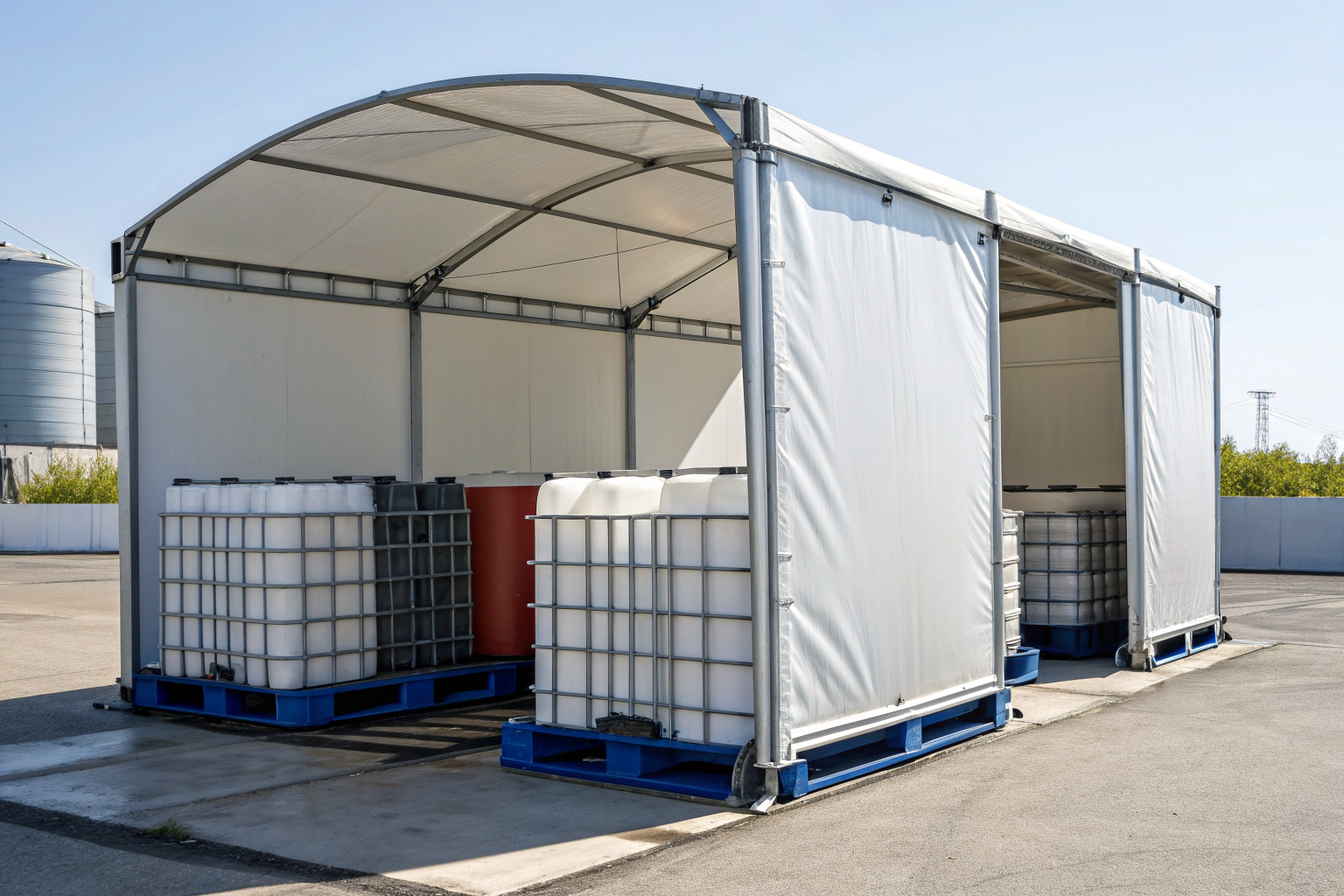
IBC hard top containment is a rigid weatherproof shelter system that protects intermediate bulk containers from environmental exposure during outdoor storage. This means your chemicals maintain potency and regulatory compliance without the degradation risks of uncovered storage. For example, hydraulic fluids stored under hard top protection retain viscosity ratings for 4-5 years versus 18-24 months in exposed conditions.
Hard top systems differ fundamentally from soft fabric covers in structural integrity and longevity. Secondary containment requirements under EPA regulations demand permanent protection that can withstand wind loads and precipitation without compromising spill prevention capabilities. UV exposure degrades polyethylene by 2-3% per 1,000 hours of direct sunlight, making hard top protection essential for maintaining chemical specifications.
The EPA regulations governing IBC systems require secondary containment for any outdoor storage facility handling oils or hazardous substances. These regulations specify that containment must hold 110% of the largest container’s capacity plus any precipitation that might accumulate. Hard top containment addresses both the capacity requirement through integrated sump design and the precipitation control through proper drainage systems.
Chemical degradation from temperature cycling compounds UV damage effects. Daily temperature swings of 40-60°F cause expansion and contraction that weakens container materials and accelerates chemical breakdown. Hard top protection moderates these temperature extremes while blocking direct solar radiation that drives photochemical degradation reactions.
Steel Frame IBC Shelters with Rigid Roofing
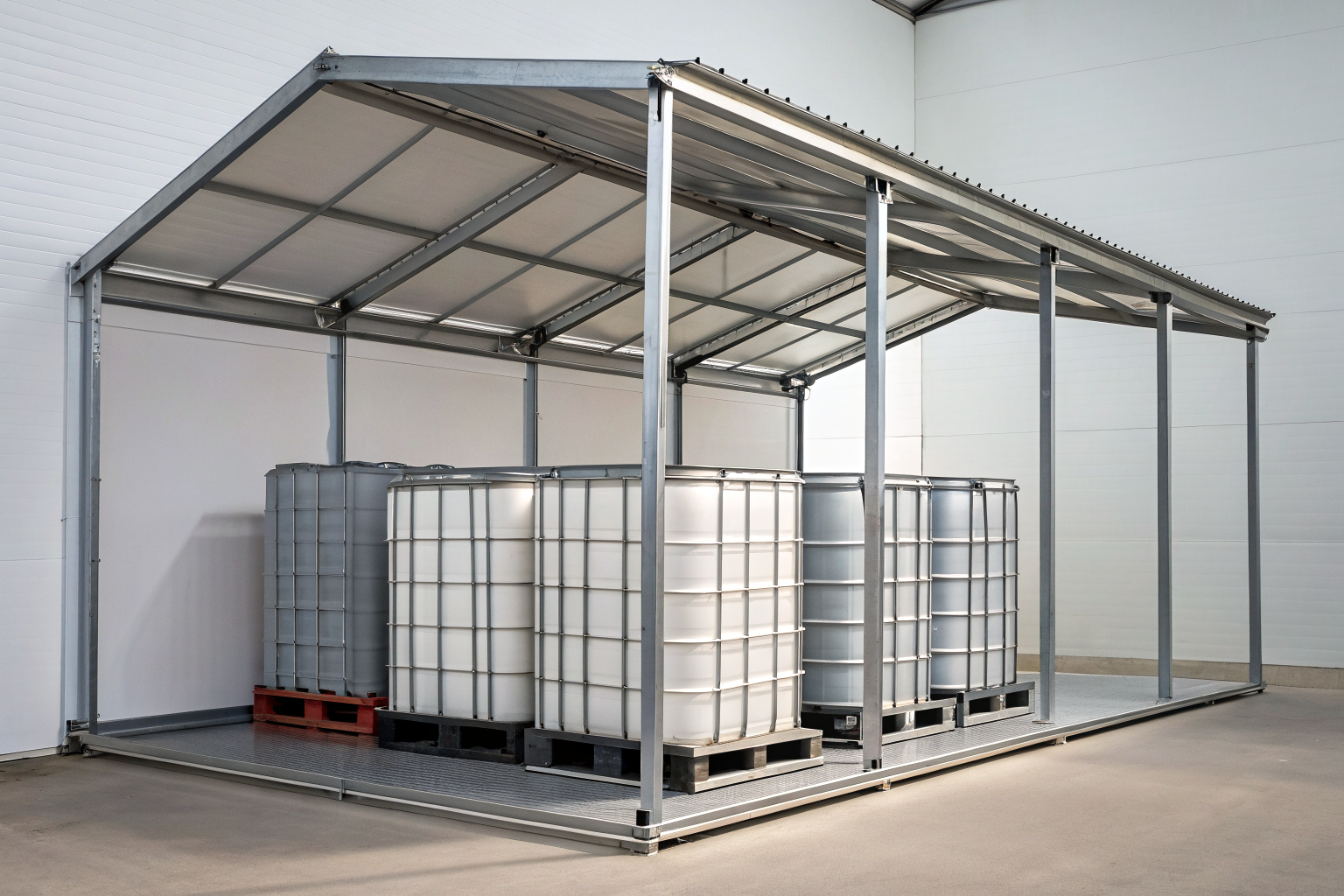
Steel frame shelters protect IBC totes from weather and contamination through galvanized structural members and engineered roofing systems designed for industrial chemical storage. These systems typically accommodate 1-4 totes in configurations ranging from 8×10 feet for single units to 16×20 feet for quad installations. The galvanized coating provides 15-20 years of corrosion protection in normal outdoor environments.
Wind load engineering distinguishes quality steel frame systems from lightweight alternatives. Steel frame shelters rated for 90+ mph wind loads and 40 PSF snow loads meet most regional building codes without additional foundation requirements. The structural integrity comes from welded tube steel frames with cross-bracing and engineered connection points that distribute loads across the entire structure.
Roof pitch design affects both structural performance and chemical protection. A minimum 1:12 slope ensures proper drainage while steeper pitches up to 3:12 provide better snow shedding and reduce ice dam formation. Metal roofing panels with concealed fasteners prevent water penetration that could contaminate stored chemicals or compromise the containment system.
Access configurations vary based on operational requirements and forklift compatibility. Drive-through designs allow forklift access from both ends while single-access units provide three enclosed sides for maximum weather protection. Door systems range from removable panels for occasional access to overhead doors for frequent tote exchanges. Standard ceiling heights of 10-12 feet accommodate most IBC handling equipment.
Typical steel frame systems include pre-engineered anchor bolt patterns for concrete pad installation. Foundation requirements vary from simple concrete pads for smaller units to full perimeter foundations with integrated drainage for larger installations. The galvanized finish eliminates painting requirements while providing superior longevity compared to painted steel alternatives.
Aluminum Hard Top Containment Systems
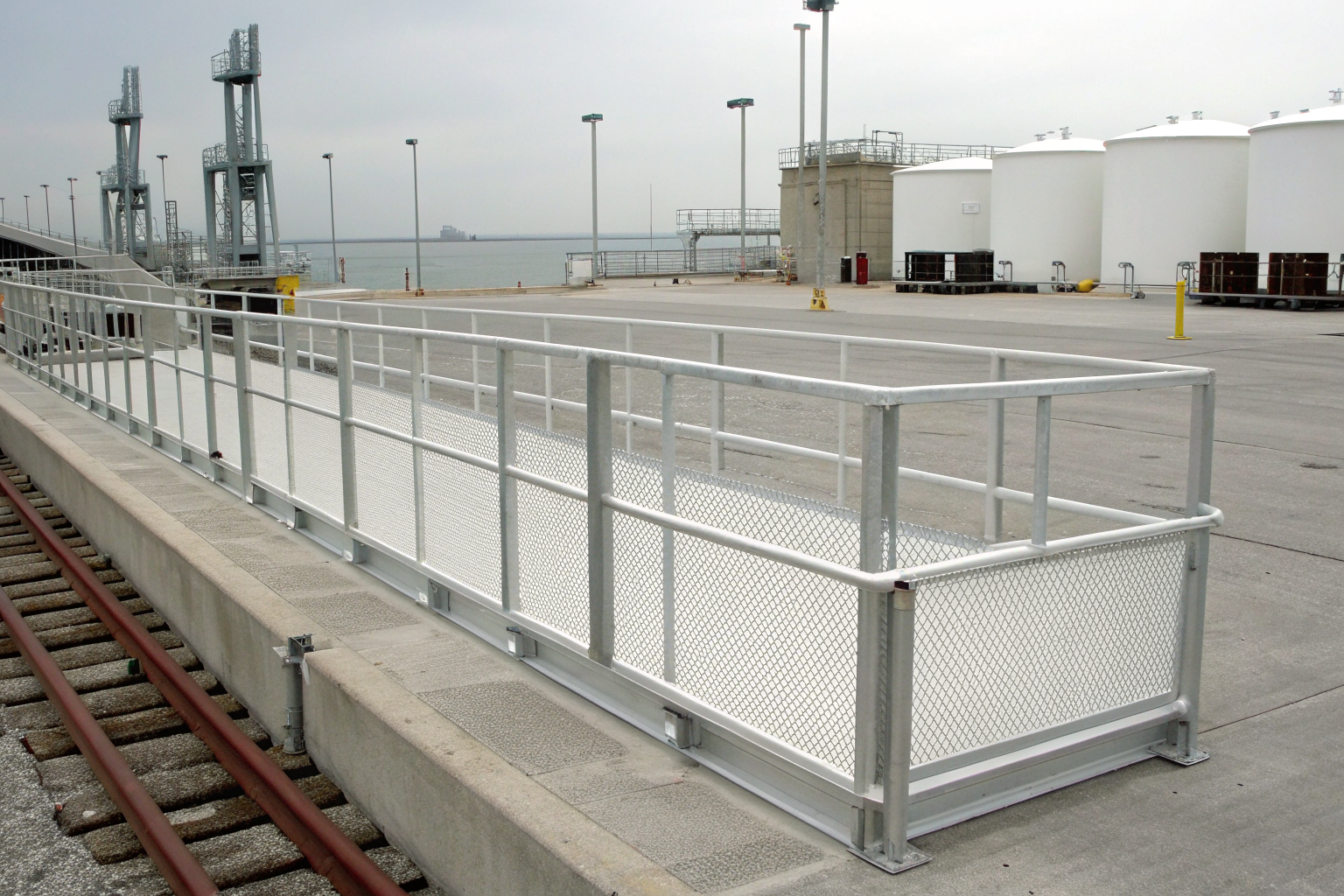
Aluminum containment systems resist corrosion in harsh chemical environments through natural oxide formation and marine-grade alloy construction. These systems excel in coastal installations, chemical processing facilities, and applications where steel corrosion poses contamination risks. The aluminum construction provides indefinite service life in most industrial environments without coating maintenance.
Weight advantages become significant for rooftop installations or temporary storage locations. Aluminum systems weigh 40-50% less than equivalent steel structures, reducing foundation requirements and installation complexity. A typical four-tote aluminum shelter weighs 800-1,200 pounds versus 1,600-2,400 pounds for comparable steel construction.
Modular assembly systems allow field customization and future expansion without major structural modifications. Extruded aluminum profiles connect through precision-machined joints that maintain structural integrity while permitting disassembly for relocation. This modularity proves valuable for lease facilities or operations requiring periodic storage reconfiguration.
Cost differentials reflect the material and manufacturing complexity of aluminum systems. Premium aluminum containment costs 30-50% more than galvanized steel equivalents but eliminates long-term coating maintenance and provides superior chemical compatibility. The higher initial investment typically recovers through reduced maintenance and extended service life.
Marine-grade applications require 5000-series aluminum alloys with enhanced corrosion resistance for salt spray environments. These specialized alloys maintain structural properties in coastal installations where galvanized steel fails within 5-8 years. Bulk containment operations near seawater or in industrial environments with chloride exposure benefit significantly from aluminum construction.
Tote containers stored under aluminum hard top protection show measurably less degradation in corrosive environments. The electrochemical compatibility between aluminum structures and most chemical storage applications prevents galvanic corrosion that can compromise both the shelter and the stored materials.
How Do Poly Hard Tops Compare to Metal Solutions?
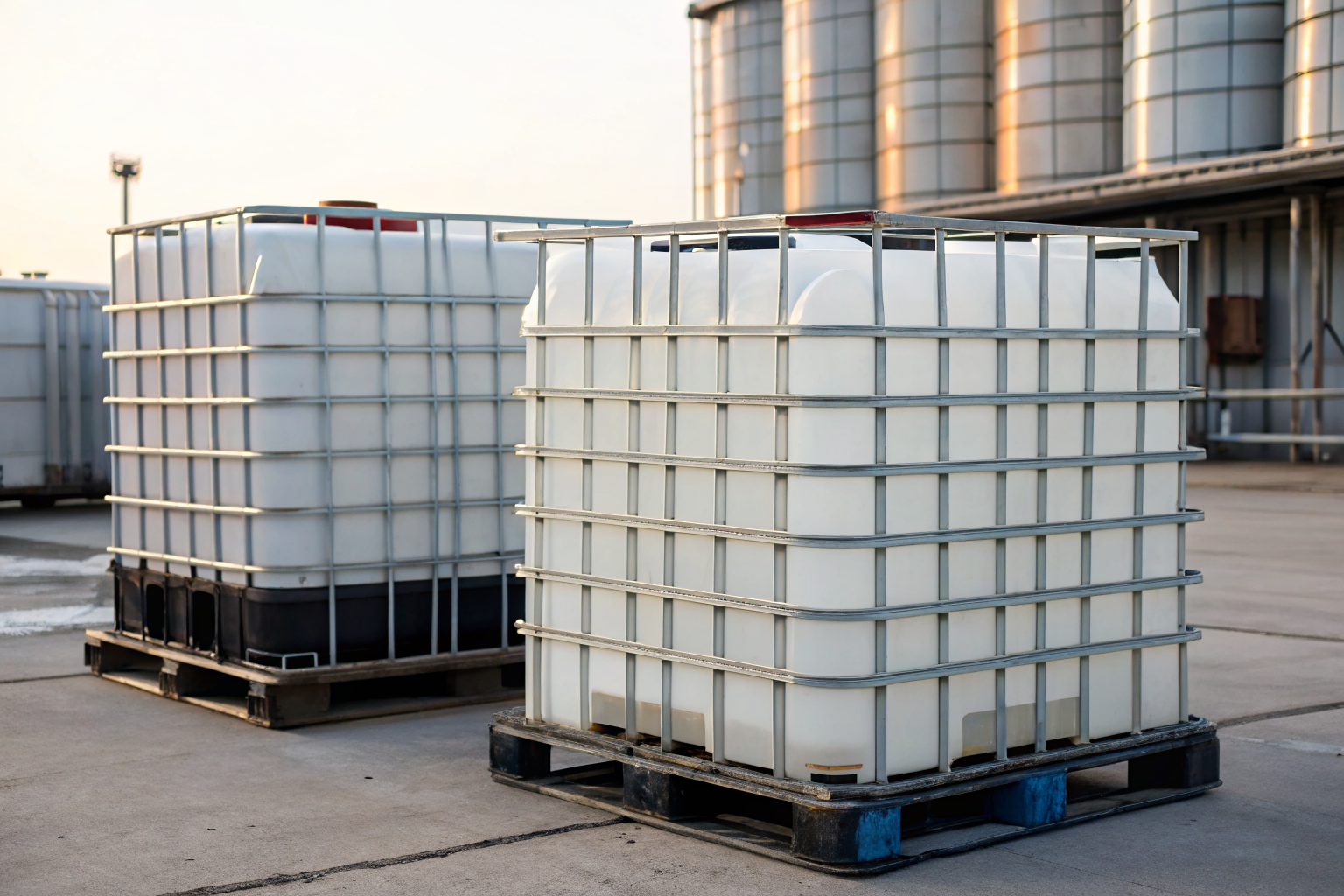
Polyethylene hard tops offer lower cost with reduced durability compared to metal alternatives, creating a trade-off between initial investment and long-term performance. UV-stabilized HDPE construction provides adequate weather protection at 40-60% of steel system costs while delivering 8-12 years of service life versus 20+ years for aluminum systems.
UV stabilization technology determines the practical lifespan of poly hard tops in outdoor applications. Advanced UV stabilizer packages resist photochemical breakdown but cannot eliminate it entirely. UV protection ratings of 10-15 years apply only to the polymer structure, not the mechanical properties that degrade more rapidly under load cycling.
Temperature expansion presents unique challenges for polyethylene hard top systems. Thermal expansion coefficients 5-10 times higher than metals require expansion joints and flexible mounting systems to prevent stress cracking. Summer temperatures above 100°F can cause dimensional changes that compromise seal integrity and structural alignment.
Lifespan comparison reveals the total cost implications of material selection. Poly systems require replacement every 8-12 years while aluminum installations provide 25+ years of service. The covered storage benefit remains consistent across materials, but replacement costs and operational disruption favor metal construction for permanent installations.
Cost analysis must include replacement cycles and performance degradation over time. Initial savings of $1,500-3,000 for poly systems disappear when calculated across two replacement cycles. IBC systems protected by deteriorating poly tops still suffer UV damage as the material becomes brittle and develops cracks that allow solar penetration.
Maintenance requirements differ significantly between poly and metal hard tops. Polyethylene requires annual inspection for stress cracks and UV damage while metal systems need only periodic drainage cleaning and fastener tightening. The maintenance differential becomes substantial over 10+ year operational periods.
Integrated Spill Containment with Hard Top Coverage
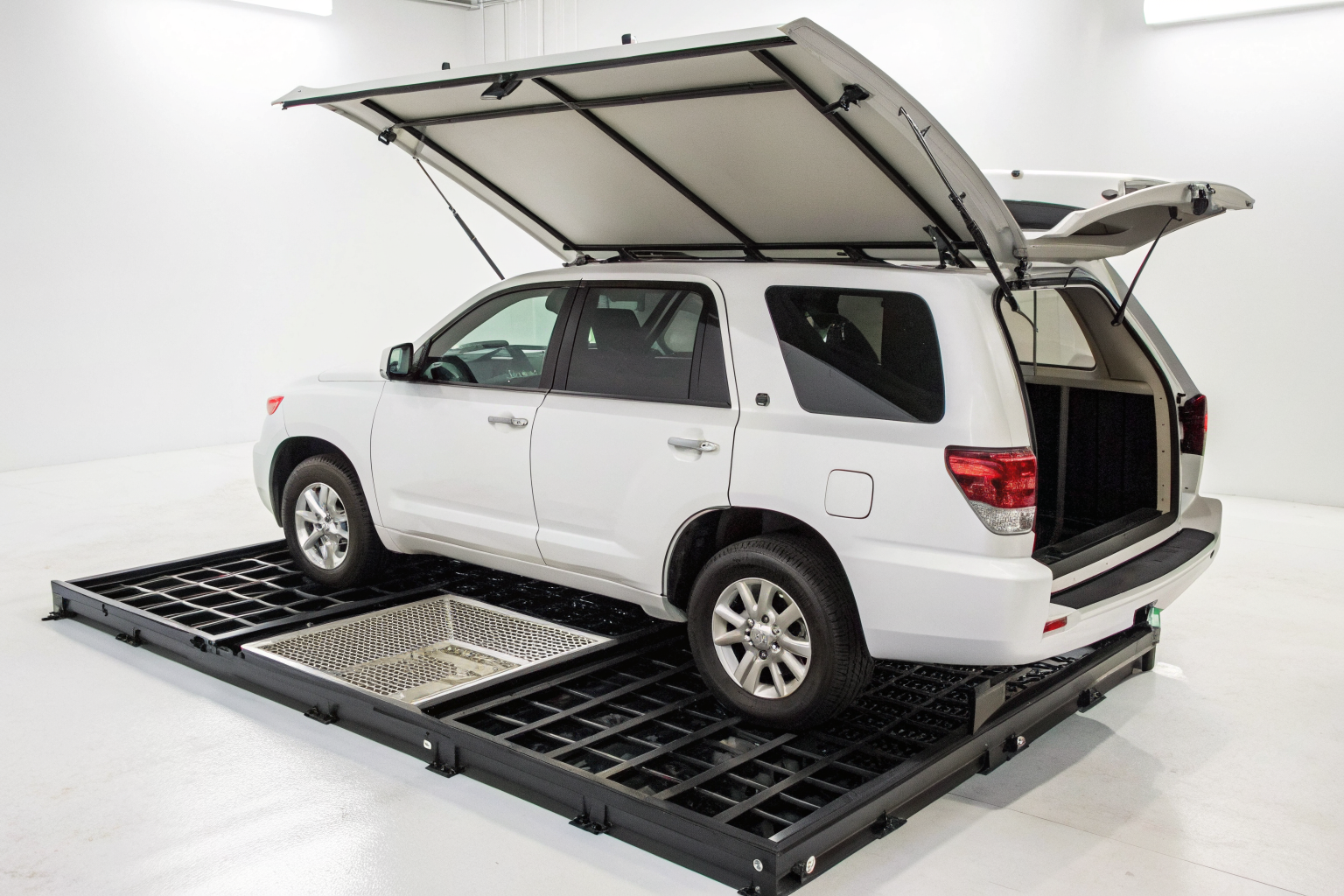
Integrated systems combine spill containment with weather protection in single units that address both EPA regulatory requirements and chemical preservation needs simultaneously. These systems eliminate the coordination issues between separate sump and shelter installations while ensuring proper drainage and inspection access. The combined design reduces total system costs while improving operational efficiency.
Combined sump and shelter design must accommodate 110% capacity requirements while maintaining structural integrity under full containment loading. SPCC plan compliance demands that containment volume calculations include precipitation accumulation, requiring drainage systems that remove water without releasing contained chemicals. Integrated systems achieve this through oil-water separators and manual drain valves.
Drain systems require careful engineering to prevent accidental chemical release while removing accumulated precipitation. Integrated systems reduce installation time by 60% compared to separate sump and shelter components through pre-engineered mounting systems and coordinated utility connections. Manual drain valves with secondary containment prevent accidental discharge during maintenance operations.
Inspection access becomes critical for integrated systems where the containment sump lies beneath the weather protection structure. Removable floor panels or inspection ports must provide adequate access for visual inspection and sample collection without compromising weather sealing. Oil storage operations require monthly visual inspections that must remain practical in all weather conditions.
Maintenance considerations include both the structural shelter components and the contained drainage systems. Integrated designs simplify routine maintenance by consolidating access points and utility connections. However, repair or replacement of either system component may require temporary shutdown of the entire storage operation.
Regulatory compliance for integrated systems must address both spill prevention and stormwater management requirements. The combined design must prevent cross-contamination between contained chemicals and precipitation while maintaining inspection capability required by SPCC plan protocols.
What Are the Real Costs of IBC Hard Top Systems?
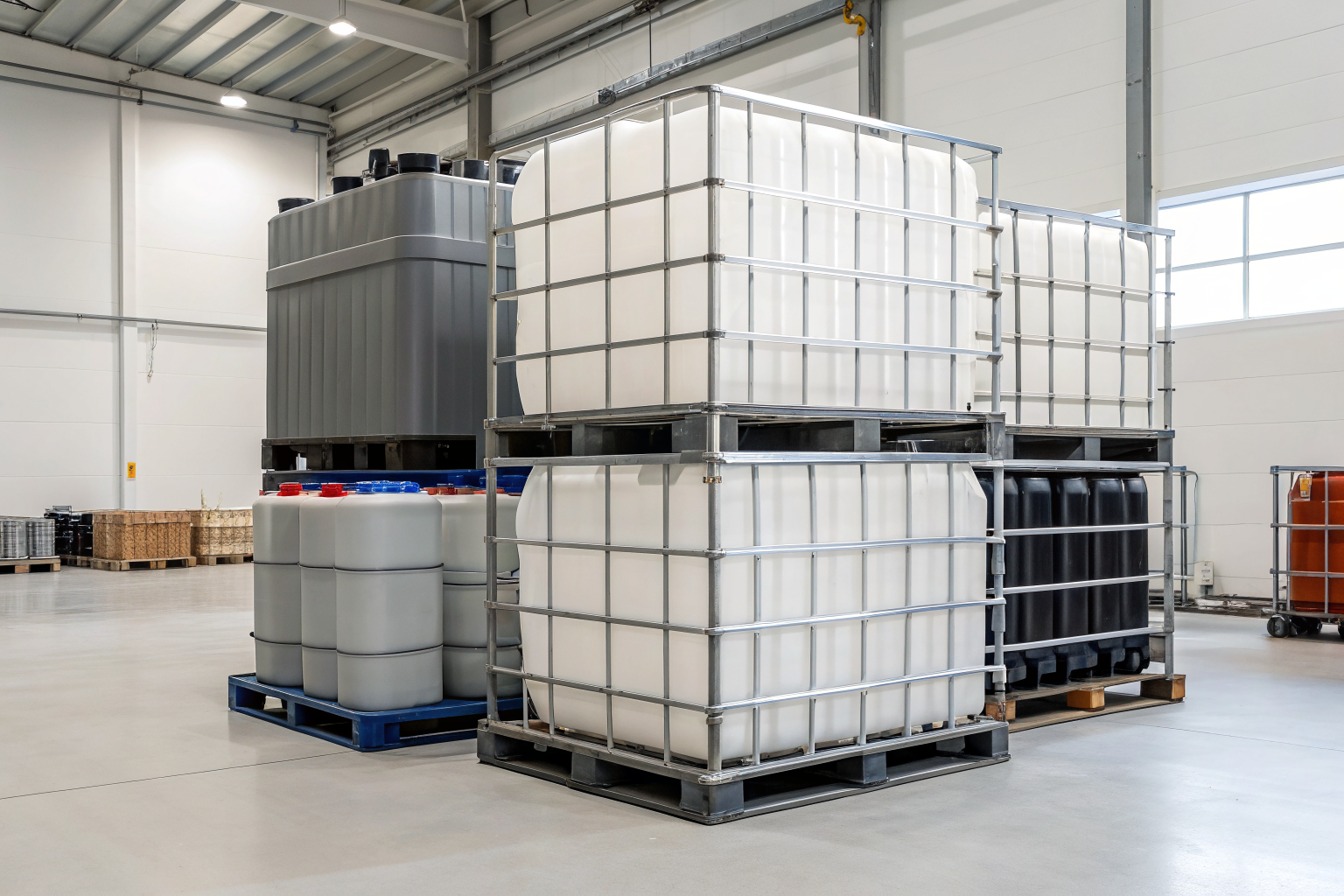
Hard top systems cost $1,200-4,800 depending on material and capacity, with significant variation based on engineering requirements and installation complexity. Total cost of ownership shows 23% savings over 10 years compared to chemical replacement from UV damage, making hard top protection a clear economic advantage for most chemical storage operations.
| System Type | Single Tote | Dual Tote | Quad Tote | 10-Year Total |
|---|---|---|---|---|
| Steel Frame | $1,800-2,400 | $2,800-3,600 | $4,200-5,400 | $2,200-2,800 |
| Aluminum | $2,400-3,200 | $3,800-4,800 | $5,600-7,200 | $2,800-3,600 |
| Poly Hard Top | $1,200-1,800 | $2,000-2,800 | $3,200-4,200 | $2,600-3,800 |
| Installation | $400-800 | $600-1,200 | $1,000-1,800 | Included |
| Foundation | $300-600 | $500-1,000 | $800-1,500 | Included |
Capacity scaling affects unit costs through structural requirements and material efficiency. Single tote systems carry the highest per-unit costs due to fixed engineering and manufacturing overhead. Quad tote installations achieve 30-40% cost reduction per protected container through shared structural elements and consolidated installation.
Installation costs vary significantly based on site preparation requirements and foundation complexity. Simple concrete pad installations for steel or aluminum systems range from $400-800 for single units while integrated containment systems require $1,000-2,000 in site preparation. Access requirements and utility connections can double installation costs for complex industrial sites.
Maintenance expenses over 10-year lifecycle periods favor metal construction through reduced replacement requirements and lower routine maintenance needs. IBC storage operations report annual maintenance costs of $50-100 for steel systems versus $150-300 for poly alternatives that require more frequent inspection and component replacement.
ROI calculations must include chemical preservation value alongside containment system costs. Covered storage prevents $800-1,500 per tote in chemical degradation costs annually for UV-sensitive materials. Bulk containment operations with 20+ totes recover hard top system investment within 2-3 years through preserved chemical integrity alone.