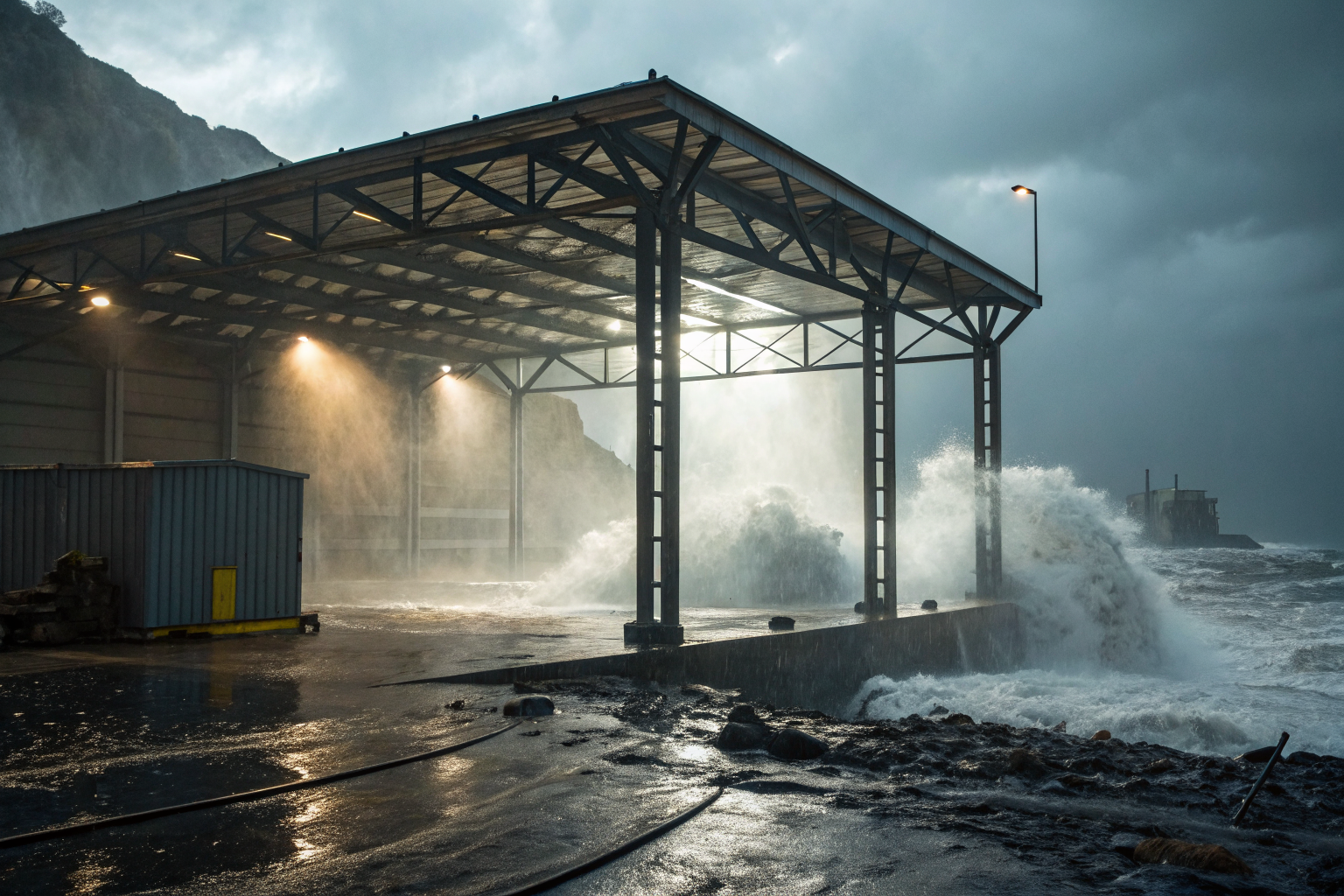
Covered vs Uncovered Containment: 6 Benefits of Containment Shelter
Uncovered containment systems lose 15% more stored material annually due to weather exposure than covered alternatives. This difference impacts your SPCC plan compliance costs and long-term facility operations.
Key Takeaways:
- Covered containment reduces material loss by 15-20% annually through weather protection
- UV-resistant shelter systems extend containment liner life by 3-5 years
- Covered systems require 40% less maintenance labor than open containment
What Is the Difference Between Covered and Uncovered Containment?
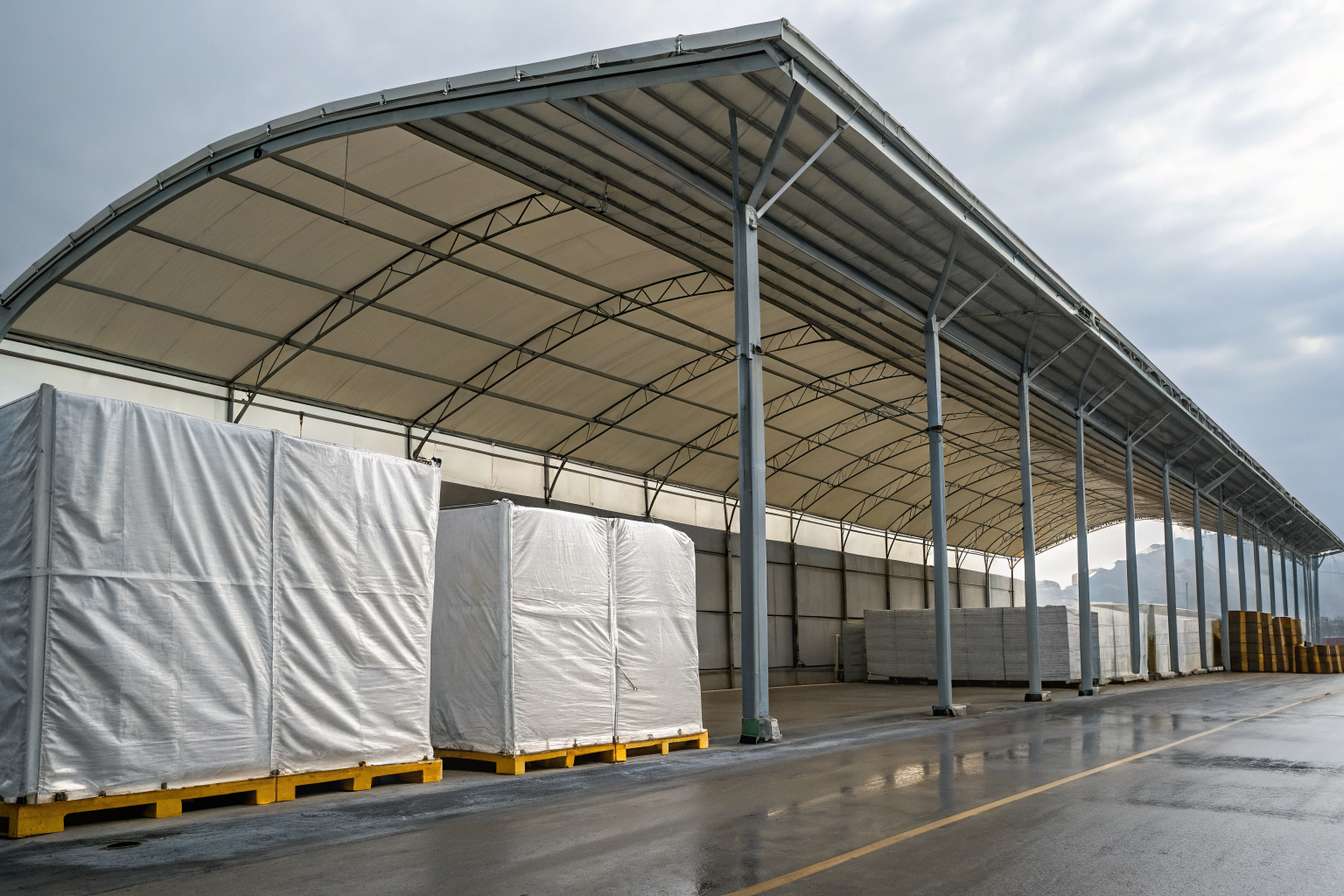
Covered containment is a secondary containment system with overhead protection that shields stored materials from precipitation, UV radiation, and wind-driven debris. This means the containment area includes structural elements like fabric covers, metal roofing, or engineered shelters that create a barrier between stored oil and environmental conditions. Uncovered containment systems expose stored materials directly to weather conditions without overhead protection.
Covered containment provides weather protection through engineered shelter systems that maintain material integrity during storage. The structural differences between these design options center on overhead coverage materials and support frameworks. Covered systems integrate shelter structures with containment berms, while uncovered systems rely solely on perimeter barriers and drainage controls.
Secondary containment systems must comply with EPA regulations regardless of cover type. The EPA requires secondary containment capacity of 110% of the largest tank volume for oil storage facilities. Both covered and uncovered containment designs can meet this regulatory threshold, but the presence of overhead protection affects long-term compliance costs and system performance. SPCC plans must account for containment design choices when calculating spill prevention effectiveness and maintenance requirements.
Weather Protection Reduces Material Loss
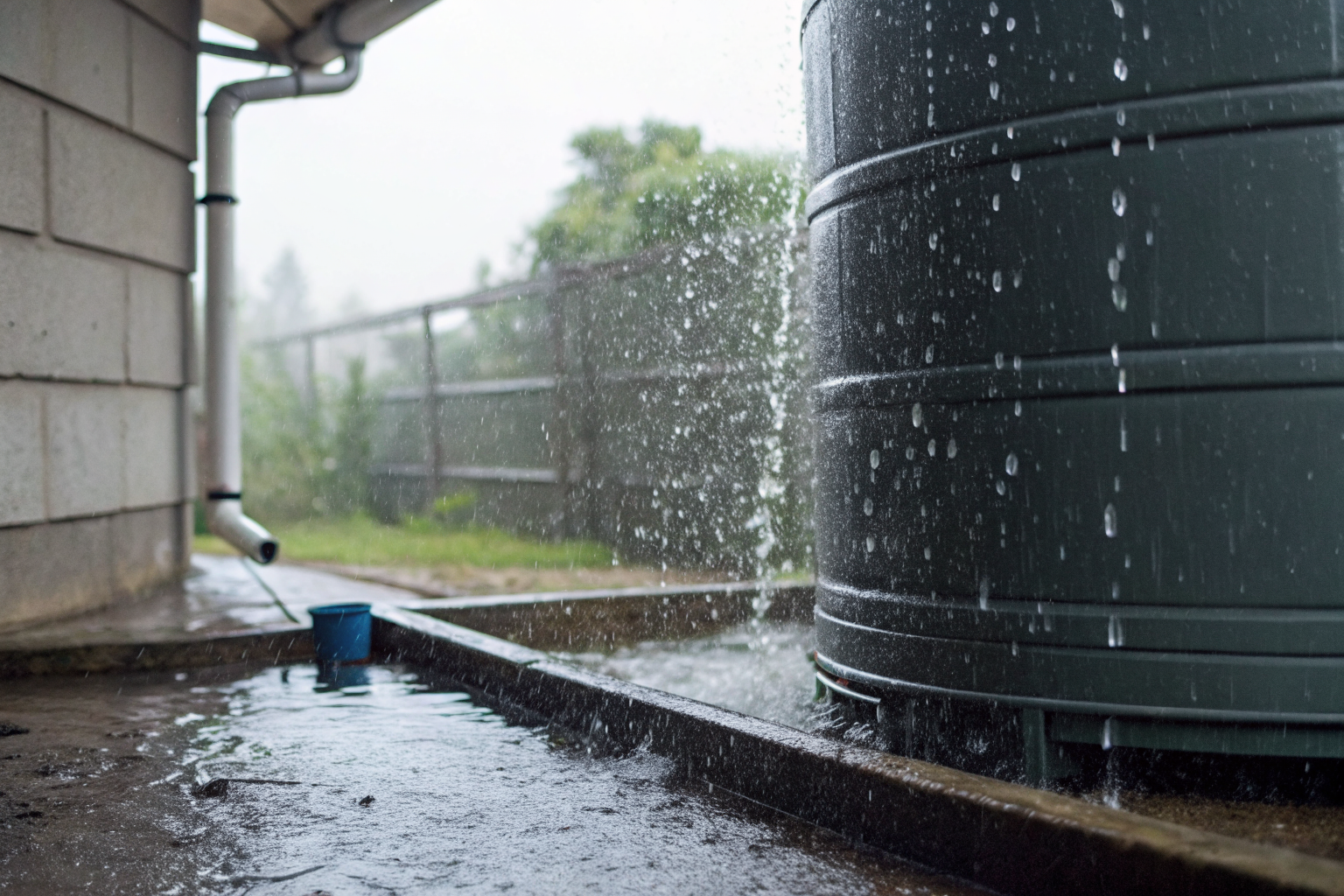
Weather exposure causes material degradation through multiple pathways that covered systems prevent. Rain infiltration dilutes stored oil by 2-8% depending on containment design, with uncovered systems showing consistently higher dilution rates during storm events. Wind-driven contamination introduces foreign materials that compromise stored product quality and create disposal challenges.
Oil storage systems with overhead protection maintain product specifications longer than exposed alternatives. Material comparison studies show that covered containment prevents rainwater mixing, which eliminates the need for oil-water separation processing. Temperature cycling damage occurs when stored materials experience repeated freeze-thaw cycles or extreme heat exposure without thermal buffering from shelter systems.
Spill prevention effectiveness improves with covered containment because weather-related material displacement decreases significantly. Uncovered systems experience product loss through wind dispersion during high-velocity weather events, while covered alternatives contain materials within the protected area. This containment improvement translates to measurable reductions in reportable spill incidents and regulatory violations.
Covered containment systems demonstrate superior performance in climates with frequent precipitation or extreme temperature variations. The protection barrier prevents most weather-related contamination while maintaining consistent storage conditions that preserve material quality throughout the storage period.
UV Shielding Extends Equipment Life

UV radiation degrades containment materials through photochemical breakdown that accelerates liner failure and structural degradation. Direct UV exposure reduces HDPE liner life from 20 years to 12-15 years by breaking polymer chains that provide chemical resistance and structural integrity. This degradation creates microcracks that compromise containment effectiveness over time.
Material comparison analysis shows dramatic differences in degradation rates between covered and uncovered installations. Plastic containment components exposed to direct sunlight show brittleness and surface cracking within 5-7 years, while sheltered components maintain flexibility and structural properties for the full design life. Metal components experience accelerated corrosion when UV exposure combines with moisture cycling.
Design options for UV protection include fabric covers with UV-resistant coatings, metal roofing systems, and engineered shade structures. Cost analysis demonstrates that the initial investment in UV shielding pays back through extended equipment life and reduced replacement frequency. Covered systems avoid the material replacement costs that uncovered installations face every 12-15 years.
The economic impact of UV protection becomes significant over 20-year planning horizons. Facilities with covered containment avoid one complete liner replacement cycle compared to uncovered alternatives, representing savings of $15,000-40,000 per containment area depending on size and material specifications.
How Much Do Covered Containment Systems Cost?

Covered systems cost 25-40% more initially than uncovered containment due to shelter structure requirements and additional engineering. This cost premium varies based on shelter type, site conditions, and containment area size.
| System Component | Uncovered Cost | Covered Cost | Premium |
|---|---|---|---|
| Containment liner | $2-4/sq ft | $2-4/sq ft | $0 |
| Shelter structure | $0 | $3-7/sq ft | $3-7/sq ft |
| Installation labor | $1-2/sq ft | $2-4/sq ft | $1-2/sq ft |
| Engineering/permits | $5,000-15,000 | $8,000-25,000 | $3,000-10,000 |
| Total per sq ft | $3-6 | $7-15 | $4-9 |
ROI timeline from reduced maintenance typically ranges from 3-7 years depending on climate conditions and material costs. Product selection affects the payback calculation because higher-quality shelter materials provide longer service life and better weather protection. Insurance premium differences favor covered systems, with many carriers offering 5-15% discounts for facilities with weather-protected containment.
Design options impact the cost premium significantly. Fabric shelter systems cost less initially but require replacement every 10-15 years. Metal roofing systems cost more upfront but provide 25-30 year service life with minimal maintenance. The total cost of ownership often favors covered systems when maintenance, replacement, and material loss factors are included in the analysis.
Maintenance Benefits of Shelter Systems

Covered containment reduces maintenance frequency by protecting system components from weather-related damage and contamination buildup. Sheltered systems require cleaning every 18-24 months versus 6-12 months for open systems because debris accumulation and biological growth occur at much lower rates under overhead protection.
Secondary containment systems with shelter protection provide easier inspection access during adverse weather conditions. SPCC plan compliance requires regular containment inspections regardless of weather, and covered systems allow thorough evaluations during rain or snow events that would compromise safety in uncovered installations. This accessibility improvement reduces inspection delays and maintains compliance schedules.
Material comparison data shows that covered containment experiences less freeze damage in cold climates because shelter structures provide thermal protection that prevents ice formation in drainage systems. Freeze protection eliminates the maintenance costs associated with repairing cracked pipes and damaged collection equipment that commonly affect uncovered systems during winter months.
The maintenance labor reduction with covered systems stems from reduced cleaning frequency, eliminated weather delays, and fewer component replacements. Facilities report 40% less maintenance labor hours with covered containment compared to open alternatives, primarily due to reduced debris removal and surface cleaning requirements.
Which Containment Type Should You Choose?
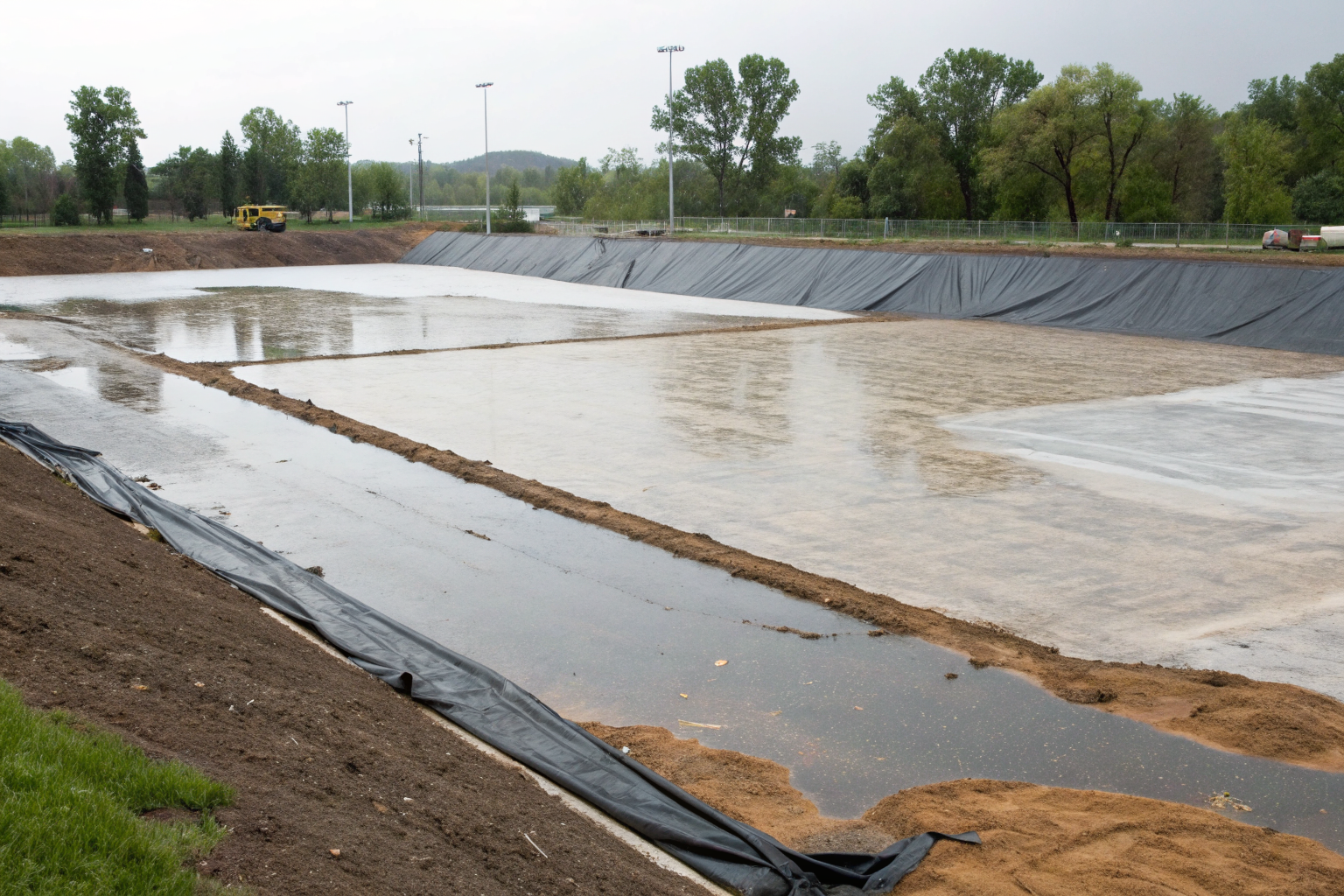
Site conditions determine optimal containment design through analysis of climate factors, stored materials, access requirements, and budget constraints. Sites with more than 40 inches annual rainfall show 22% better performance with covered systems due to reduced rainwater infiltration and improved material quality maintenance.
Product selection depends on the specific materials being stored and their sensitivity to weather exposure. Volatile organic compounds require covered containment to minimize vapor emissions, while less sensitive materials may perform adequately in uncovered systems. SPCC plan requirements affect the decision because covered systems often simplify compliance documentation and reduce inspection complexity.
EPA regulations do not mandate covered containment, but facilities must demonstrate adequate spill prevention regardless of system type. Cost analysis should include the total ownership costs over 20-year periods rather than focusing solely on initial installation expenses. Covered systems typically provide better long-term value in climates with significant precipitation or temperature extremes.
The decision matrix for containment type should weight climate severity, stored material value, maintenance labor availability, and regulatory compliance requirements. Facilities in moderate climates with low-value stored materials may find uncovered containment adequate, while operations in harsh weather conditions or storing high-value products typically benefit from covered alternatives. Budget constraints often drive initial decisions, but the long-term cost advantages of covered systems frequently justify the higher upfront investment.