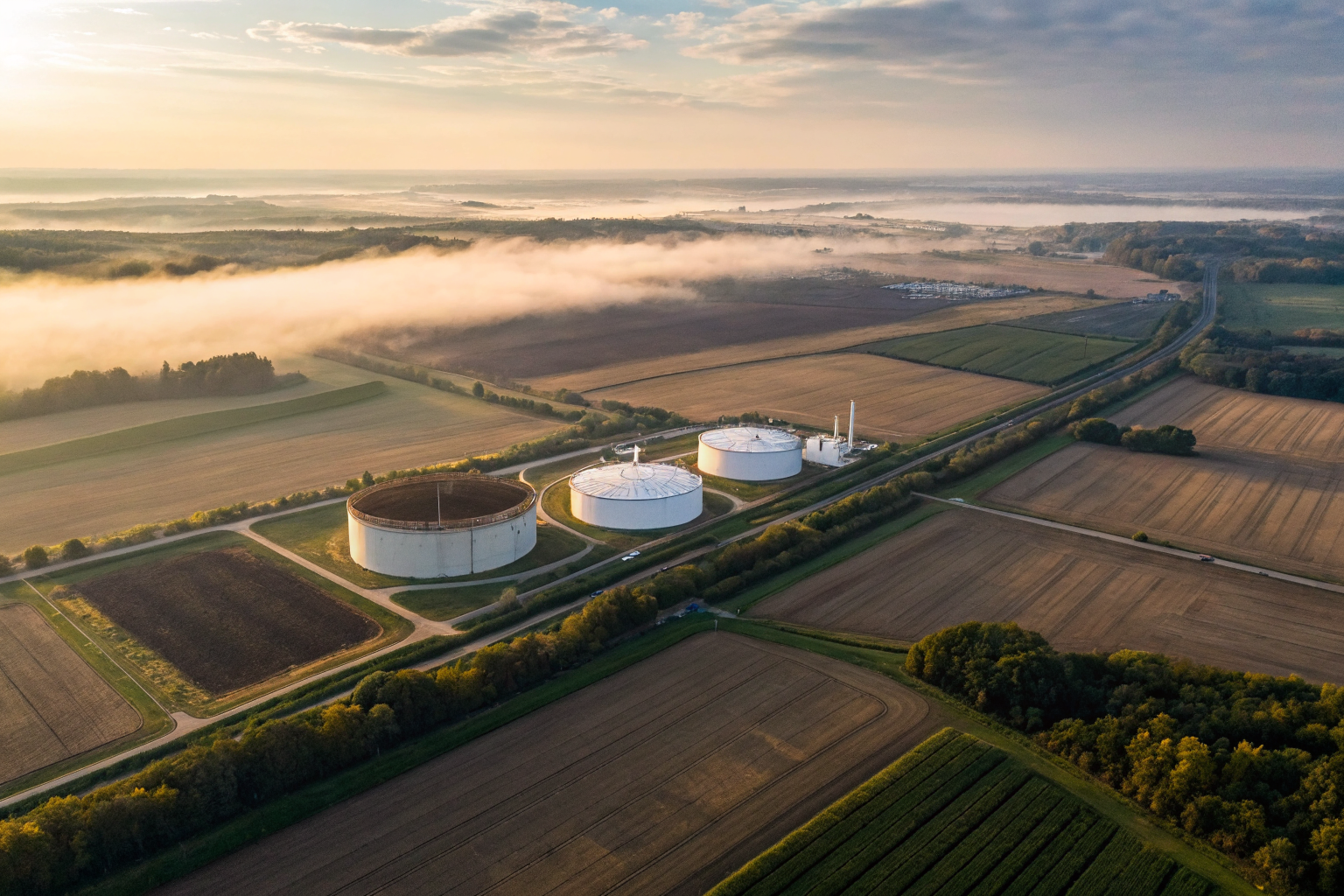
SPCC for Agriculture: 7 Essential Requirements for Farm Oil Storage
Most farms with 1,320+ gallons of oil storage face EPA fines averaging $37,500 per violation, yet 60% of agricultural operations still operate without proper SPCC compliance.
Key Takeaways:
- Farms storing 1,320+ gallons of oil must have EPA-certified SPCC plans or face penalties up to $37,500 per day
- Secondary containment systems must hold 110% of tank capacity plus precipitation for 25-year storm events
- Agricultural equipment fuel tanks over 55 gallons count toward total storage capacity calculations
What is SPCC for Agriculture?
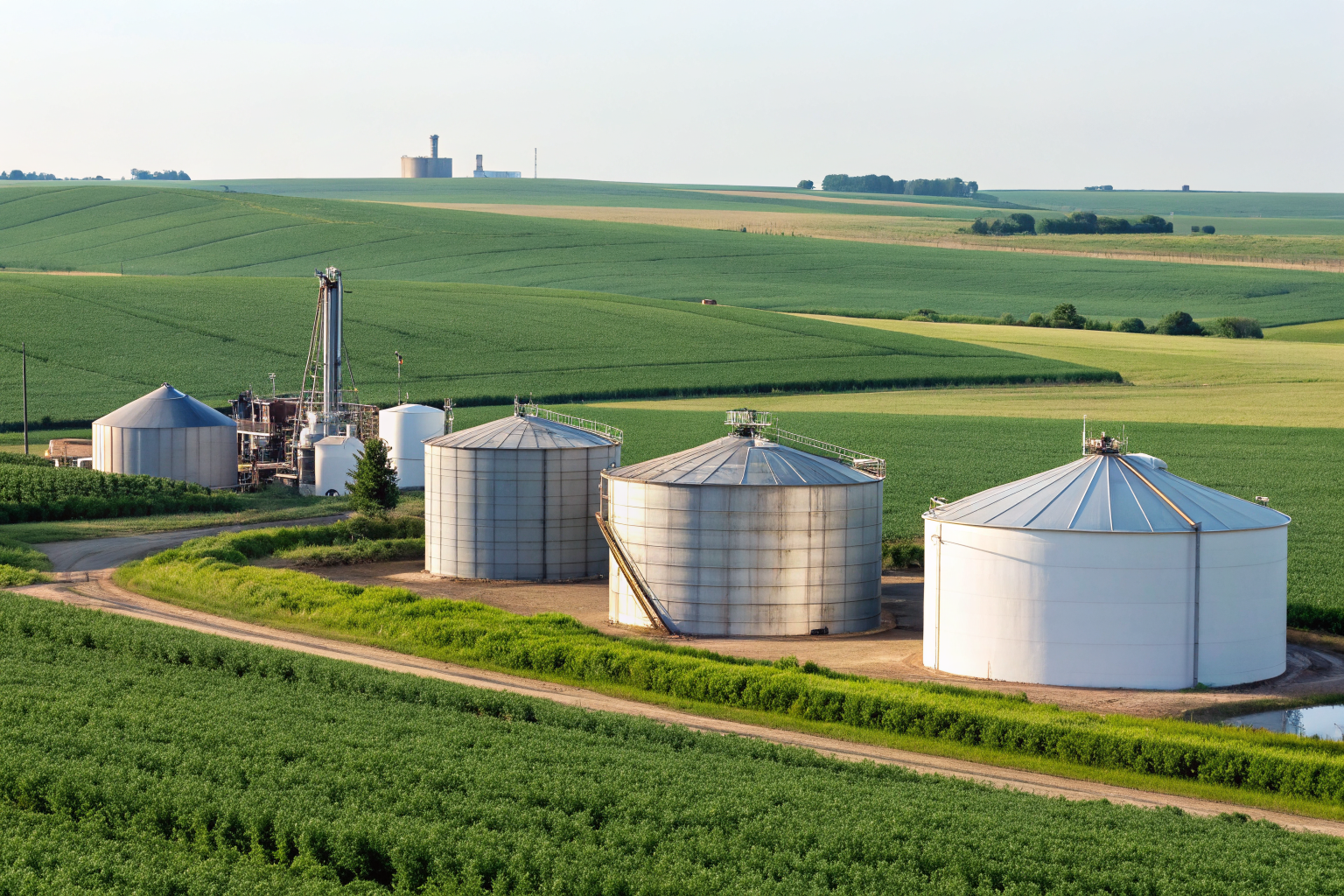
SPCC for agriculture is a specialized subset of EPA’s Spill Prevention Control and Countermeasure regulations that governs oil storage systems on farms and ranches. This regulatory framework requires agricultural operations with 1,320 gallons or more of oil storage capacity to develop comprehensive spill prevention plans. The SPCC Plan addresses how farms will prevent, prepare for, and respond to oil discharges that could reach navigable waters or adjoining shorelines.
Farm SPCC requirements differ significantly from industrial applications because agricultural operations present unique challenges. Rural facilities often have scattered storage locations, mobile equipment that moves between fields, and seasonal variations in oil storage needs. The regulations account for these differences by allowing certain flexibilities in containment design and inspection procedures that wouldn’t apply to fixed industrial facilities.
The 1,320-gallon threshold includes all oil-containing equipment and storage tanks on the property. This means diesel fuel tanks, hydraulic reservoirs in tractors and combines, transformer oil in electrical systems, and mobile equipment all count toward the total capacity calculation. Many farm owners discover they exceed this threshold when they properly inventory all oil-containing systems across their operation. A typical grain operation with three tractors, one combine, a fuel storage tank, and hydraulic systems easily surpasses 1,320 gallons of total oil capacity.
Which Farm Oil Storage Systems Require SPCC Compliance?
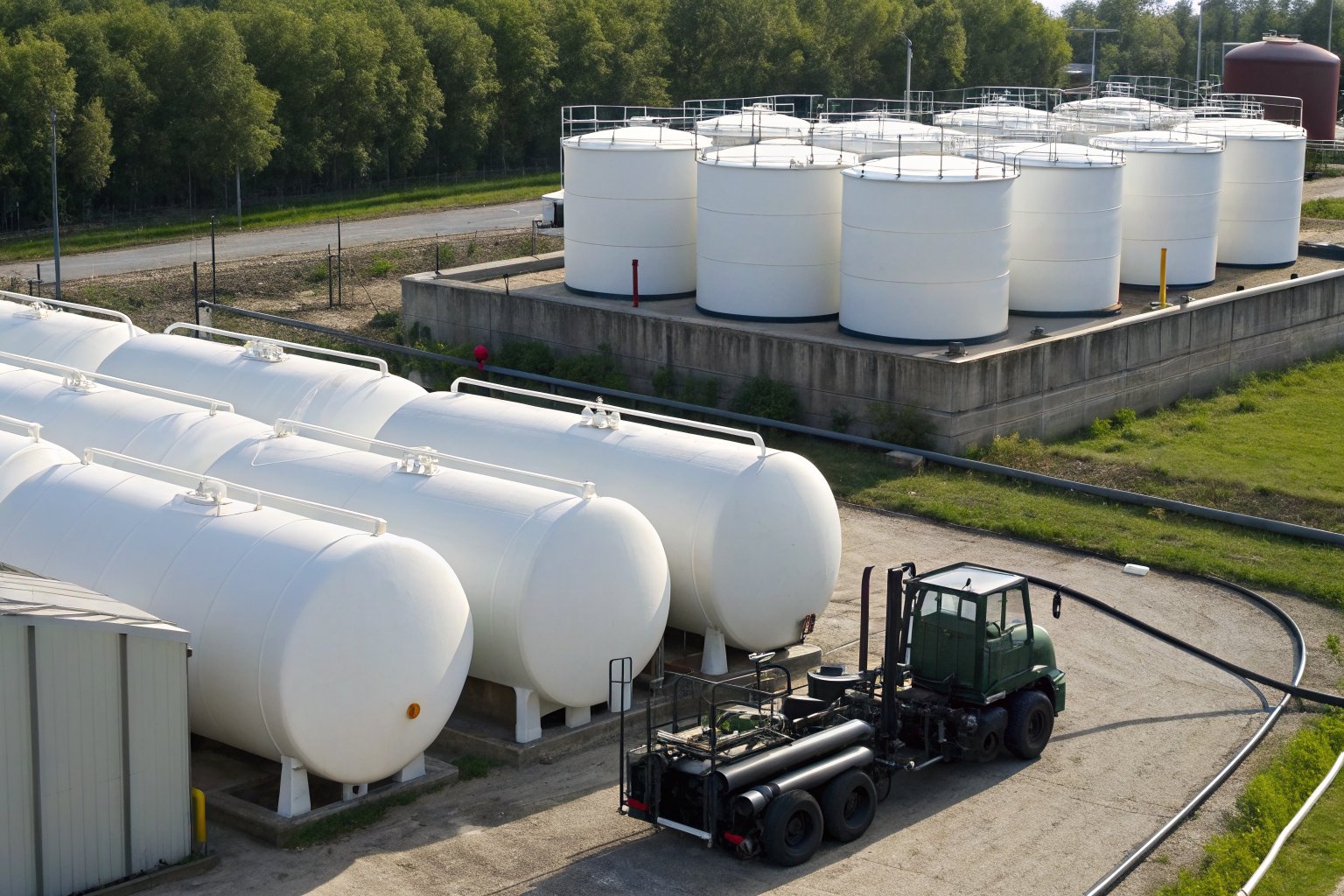
Agricultural equipment contains regulated fuel storage across multiple systems that must be included in SPCC calculations.
| Equipment Type | Typical Capacity Range | SPCC Inclusion Rules | Common Locations |
|---|---|---|---|
| Diesel fuel tanks | 300-10,000 gallons | All tanks over 55 gallons | Fuel islands, bulk storage areas |
| Tractor fuel tanks | 75-300 gallons | Individual tanks over 55 gallons | Mobile equipment throughout farm |
| Combine harvesters | 150-400 gallons total | All fuel and hydraulic combined | Seasonal field locations |
| Hydraulic reservoirs | 50-200 gallons | Per-machine totals over 55 gallons | Tractors, balers, tillers |
| Transformer oil | 100-2,000 gallons | All electrical transformers | Power distribution points |
| Mobile equipment tanks | 60-150 gallons | Tanks over 55 gallon threshold | Irrigation pumps, generators |
Mobile equipment tanks over 55 gallons count toward total farm capacity even when the equipment moves between fields or off-property locations. This inclusion catches many agricultural operations off-guard because they focus only on fixed storage tanks while overlooking the substantial oil capacity in their mobile fleet. A farming operation with five tractors averaging 120 gallons each already has 600 gallons of mobile storage before considering any fixed fuel tanks.
Seasonal equipment presents additional complexity for farm SPCC compliance. Combines, sprayers, and other specialized machines may only operate during specific seasons, but their oil capacity still counts toward the facility’s total regardless of operational schedules. The EPA considers the maximum potential oil storage capacity, not the average or seasonal amounts.
How Do You Calculate Total Oil Storage Capacity on Farms?
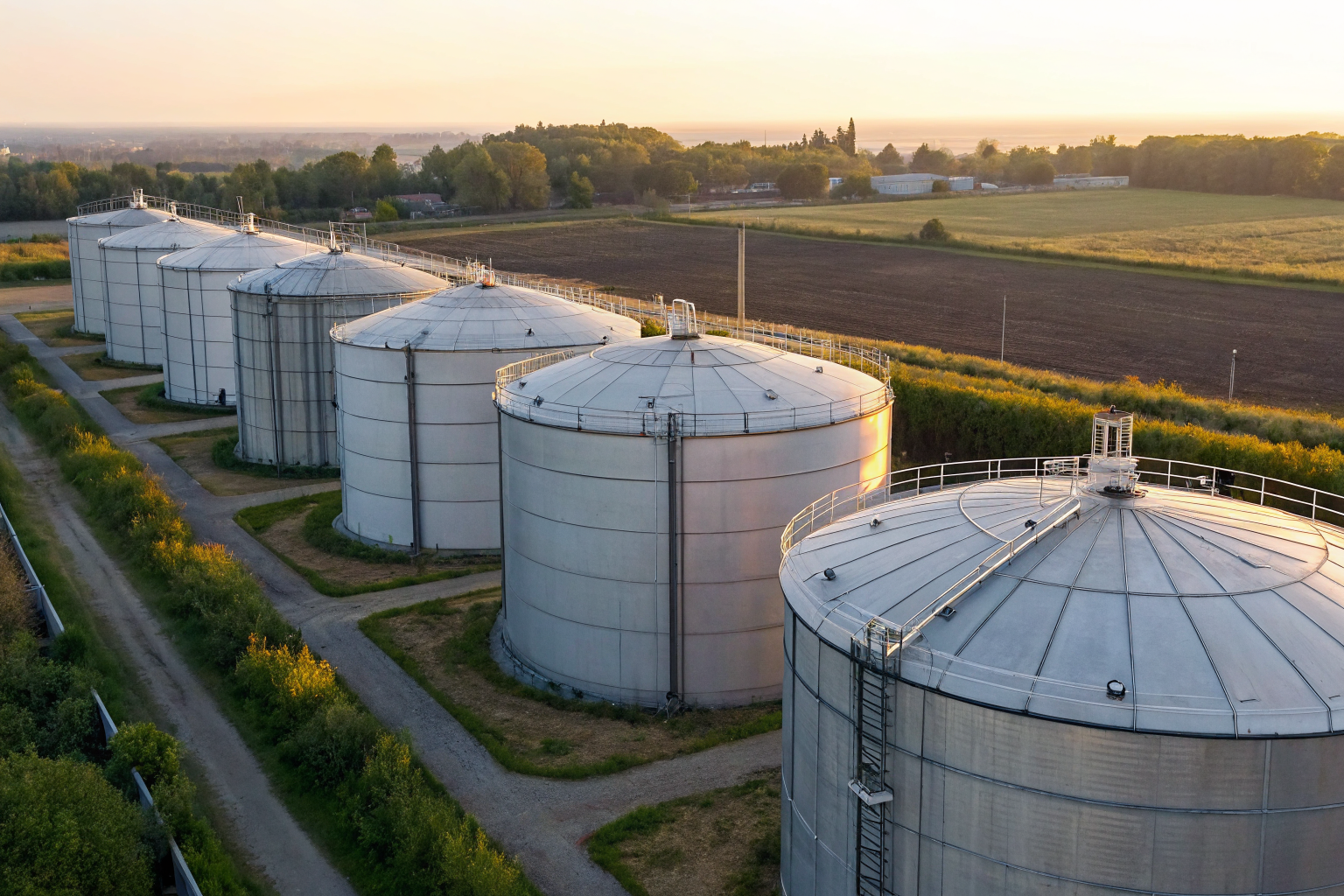
Capacity calculations determine SPCC requirements by accounting for every oil-containing system across the agricultural operation.
Step 1: Inventory all fixed storage tanks including diesel fuel tanks, bulk oil storage, and any above-ground or underground tanks. Record the actual capacity marked on each tank, not the typical fill level. Include permanently installed tanks for generators, irrigation pumps, and shop equipment.
Step 2: Audit mobile agricultural equipment systematically. Document fuel tank capacity for each tractor, combine, sprayer, and self-propelled implement. Include hydraulic reservoirs that hold more than 55 gallons per machine. Don’t forget seasonal equipment stored in barns or equipment lots.
Step 3: Account for electrical and utility oil systems. Survey transformers, switchgear, and backup generators for oil-containing components. Many farms overlook utility transformers that contain substantial oil volumes but are owned by the power company yet located on farm property.
Step 4: Calculate totals by equipment category and verify against manufacturer specifications. Cross-reference your inventory with equipment manuals or dealer records to ensure accuracy. Combine harvesters typically contain 150-400 gallons across multiple systems including fuel, hydraulic, and transmission fluids.
Step 5: Add all capacities together to determine if the 1,320-gallon threshold is exceeded. If the total meets or exceeds this amount, the farm requires SPCC compliance including plan development, secondary containment, and ongoing inspections.
Step 6: Document the capacity calculation with supporting evidence such as equipment manuals, tank placards, and manufacturer specifications. This documentation becomes part of the SPCC plan and must be available during EPA inspections.
What Secondary Containment is Required for Farm Fuel Tanks?
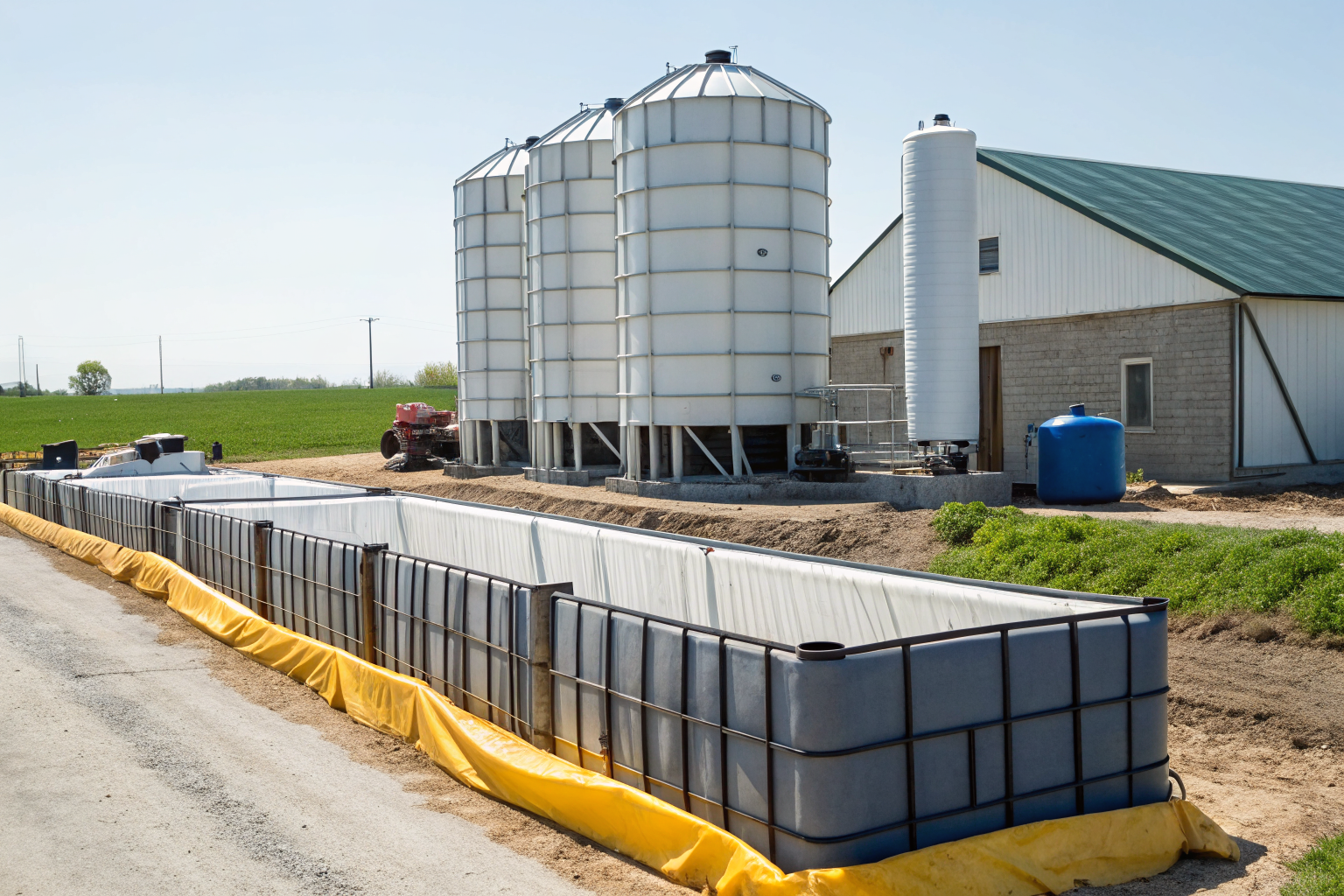
Secondary Containment prevents agricultural spill incidents by creating physical barriers that capture oil discharges before they reach soil or water. Farm fuel storage systems must incorporate containment measures sized to hold 110% of the largest tank’s capacity within each containment area. This sizing accounts for the complete failure of the largest tank while providing additional volume for normal operational spillage and equipment overfill incidents.
Outdoor farm fuel tanks face additional containment requirements because they’re exposed to precipitation that reduces available containment volume. Containment must accommodate 25-year 24-hour precipitation event plus 110% tank capacity to ensure adequate spill capture during storm conditions. This precipitation calculation varies by geographic region, with areas receiving higher rainfall requiring larger containment systems. Many farm operations underestimate this requirement and build containment systems that fail EPA standards during wet weather inspections.
Berming and lined containment areas represent the most common secondary containment approaches for agricultural facilities. Earthen berms provide cost-effective containment for large fuel storage areas, but they must be lined with impermeable materials to prevent soil contamination. Concrete containment offers superior durability and easier maintenance but requires higher initial investment. The containment system must direct spilled oil toward collection points and prevent accumulated precipitation from overflowing the containment area.
Mobile refueling operations present unique containment challenges for farm SPCC compliance. Portable fuel tanks used for field refueling must either incorporate integral containment or operate over temporary containment systems during fuel transfer. Many farms use containment berms or portable containment pads that can be positioned under mobile equipment during refueling operations. The containment must remain in place throughout the fuel transfer process and be sized appropriately for the volume being transferred.
Do Farm SPCC Plans Need Professional Engineering Certification?

Professional Engineers certify complex farm SPCC plans when storage systems exceed specific capacity thresholds or include complicated containment designs.
| Plan Type | Capacity Limits | Certification Required | Typical Farm Applications |
|---|---|---|---|
| Tier I Template | Total ≤10,000 gallons, largest tank ≤5,000 gallons | Self-certified by owner | Small grain farms, livestock operations |
| Tier II Template | Total ≤10,000 gallons, largest tank >5,000 gallons | Professional Engineer | Facilities with bulk fuel storage |
| Tier III Individual | Total >10,000 gallons or complex systems | Professional Engineer | Large operations, custom containment |
Facilities with individual tanks over 5,000 gallons require PE certification regardless of total facility capacity. This threshold frequently applies to farms with bulk diesel storage tanks that serve multiple pieces of equipment or provide fuel for custom harvesting operations. The engineering certification ensures that containment systems and spill prevention measures meet EPA technical standards and account for site-specific conditions such as soil type, groundwater levels, and surface drainage patterns.
Self-certification through Tier I templates offers cost savings for smaller farm operations but comes with strict limitations. The facility must use EPA’s standard template without modifications and cannot include any engineered containment systems or complex piping arrangements. Most farms pursuing self-certification must simplify their storage configurations to meet template requirements, which may not always be practical for operational needs.
The complexity determination goes beyond just storage capacity to include factors such as underground piping, complex electrical systems, unusual site conditions, or specialized containment designs. Farms with irrigation systems connected to fuel storage, underground fuel lines to remote equipment, or facilities located in environmentally sensitive areas typically require professional engineering involvement regardless of storage volumes.
What Training and Inspections are Required for Agricultural SPCC?
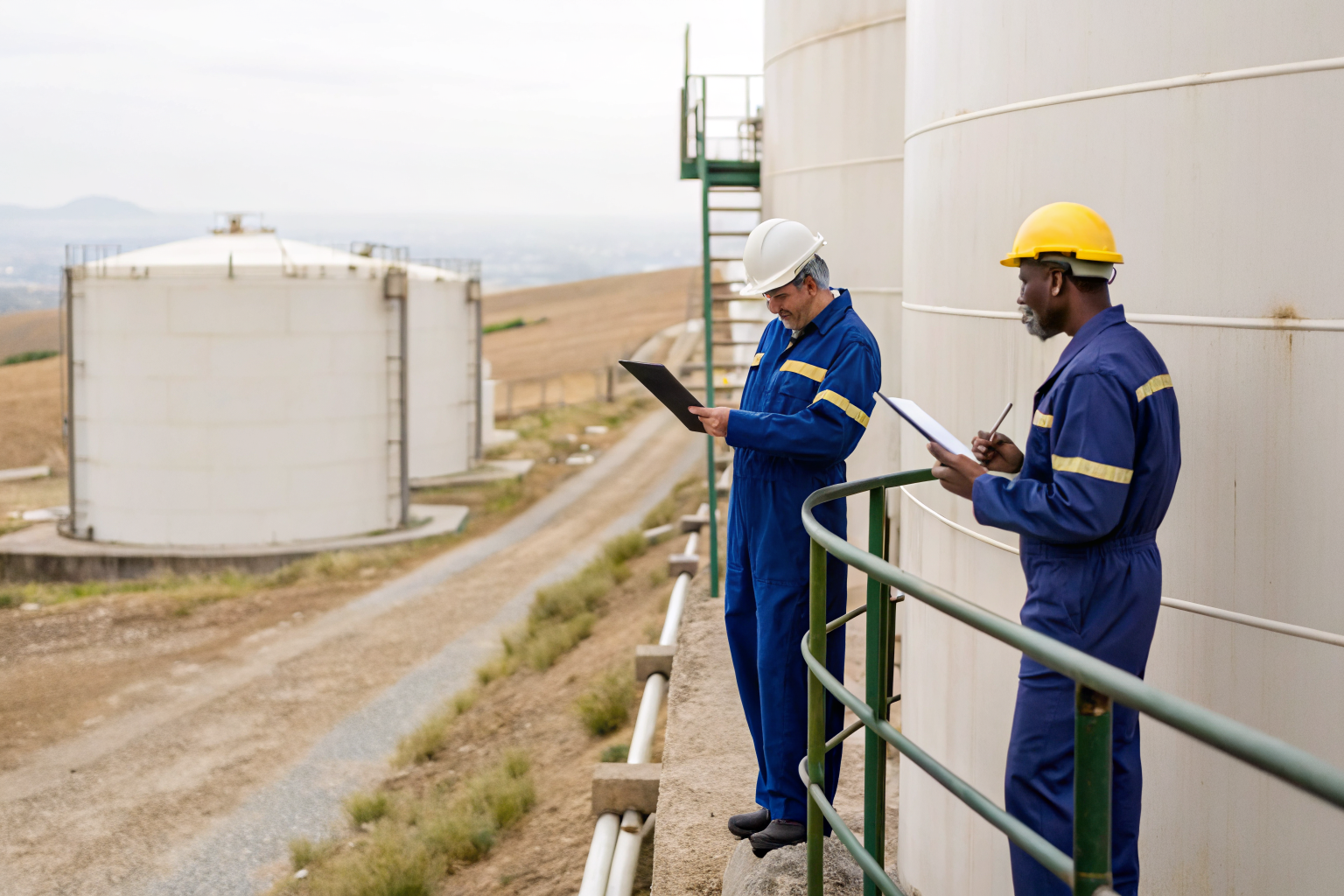
Farm personnel conduct mandatory SPCC inspections according to regulatory schedules that vary by equipment type and risk level.
| Inspection Type | Frequency | Personnel Requirements | Documentation Period |
|---|---|---|---|
| Visual inspections | Monthly | Trained farm staff | 3 years minimum |
| Integrity testing | Annual | Certified technicians | Life of equipment |
| Spill response training | Initial + annual refresher | All personnel handling oil | Current certifications |
| Containment system review | Annual | Owner or PE | 3 years minimum |
| Spill equipment testing | Annual | Trained farm staff | Equipment service life |
Monthly inspections must be documented with specific checklist items for 3 years minimum covering tank conditions, containment integrity, piping systems, and spill response equipment readiness. Farm staff conducting these inspections need training on what to look for, how to document findings, and when to call for professional assistance. The inspection records become critical evidence during EPA compliance reviews and must be readily available on-site.
Spill response training for agricultural operations covers unique scenarios such as field refueling accidents, hydraulic system failures during harvest, and fuel tank overfills during busy seasonal periods. Farm personnel must understand notification procedures, initial response actions, and equipment shutdown procedures to minimize environmental impact. The training must address both prevention measures and active response techniques appropriate for rural settings where professional emergency response may be delayed.
Record-keeping requirements extend beyond inspection documentation to include spill incident reports, training records, equipment maintenance logs, and plan updates. These records must remain accessible for EPA inspection and demonstrate ongoing compliance with SPCC requirements. Many farms struggle with record organization and storage, particularly for seasonal operations where documentation may be scattered across multiple locations or time periods.
How Much Does Farm SPCC Compliance Cost?

SPCC compliance costs range based on farm complexity, storage capacity, and existing infrastructure conditions. Basic farm SPCC plans cost $2,000-5,000 for facilities eligible for template-based approaches, while operations requiring professional engineering certification typically invest $5,000-15,000 in plan development. The cost variation depends on site complexity, number of storage locations, and specialized containment requirements unique to each agricultural operation.
Secondary containment systems represent the largest compliance expense for most farms. Secondary containment systems average $15-25 per gallon capacity when constructed with proper materials and installation techniques. A 5,000-gallon fuel tank requires containment costing $75,000-125,000 including excavation, lining materials, and drainage systems. Farms often experience sticker shock at containment costs and attempt to reduce expenses through substandard materials or installation shortcuts that ultimately fail EPA inspection standards.
Ongoing maintenance and inspection costs add $2,000-5,000 annually for typical farm operations including professional tank testing, spill equipment maintenance, and documentation management. These recurring expenses catch many farm operators unprepared, particularly during tight economic periods when environmental compliance competes with operational priorities. However, the costs pale compared to EPA penalties for non-compliance.
Non-compliance penalties escalate rapidly with EPA fines reaching $37,500 per day for willful violations and additional cleanup costs that can exceed $100,000 for significant spill incidents. The regulatory enforcement trend shows increasing focus on agricultural compliance, making proper SPCC implementation a business necessity rather than optional expense. Farms that delay compliance face mounting financial exposure that far exceeds the initial investment in proper systems and documentation.