Steel vs Polyethylene Spill Pallet: Complete Material Comparison Guide
Steel spill pallets cost 3x more upfront than polyethylene alternatives, but the total cost equation flips when you factor in chemical compatibility failures and replacement cycles.
Key Takeaways:
- Steel pallets handle 2,000+ pound drum loads while polyethylene maxes out at 8,000 pounds distributed weight
- Chemical compatibility differs drastically — steel fails with acids while polyethylene dissolves in petroleum solvents above 140°F
- Polyethylene pallets cost $200-400 versus $600-1,200 for steel, but replacement frequency determines true cost
What Are the Core Material Properties of Steel vs Polyethylene Spill Pallets?
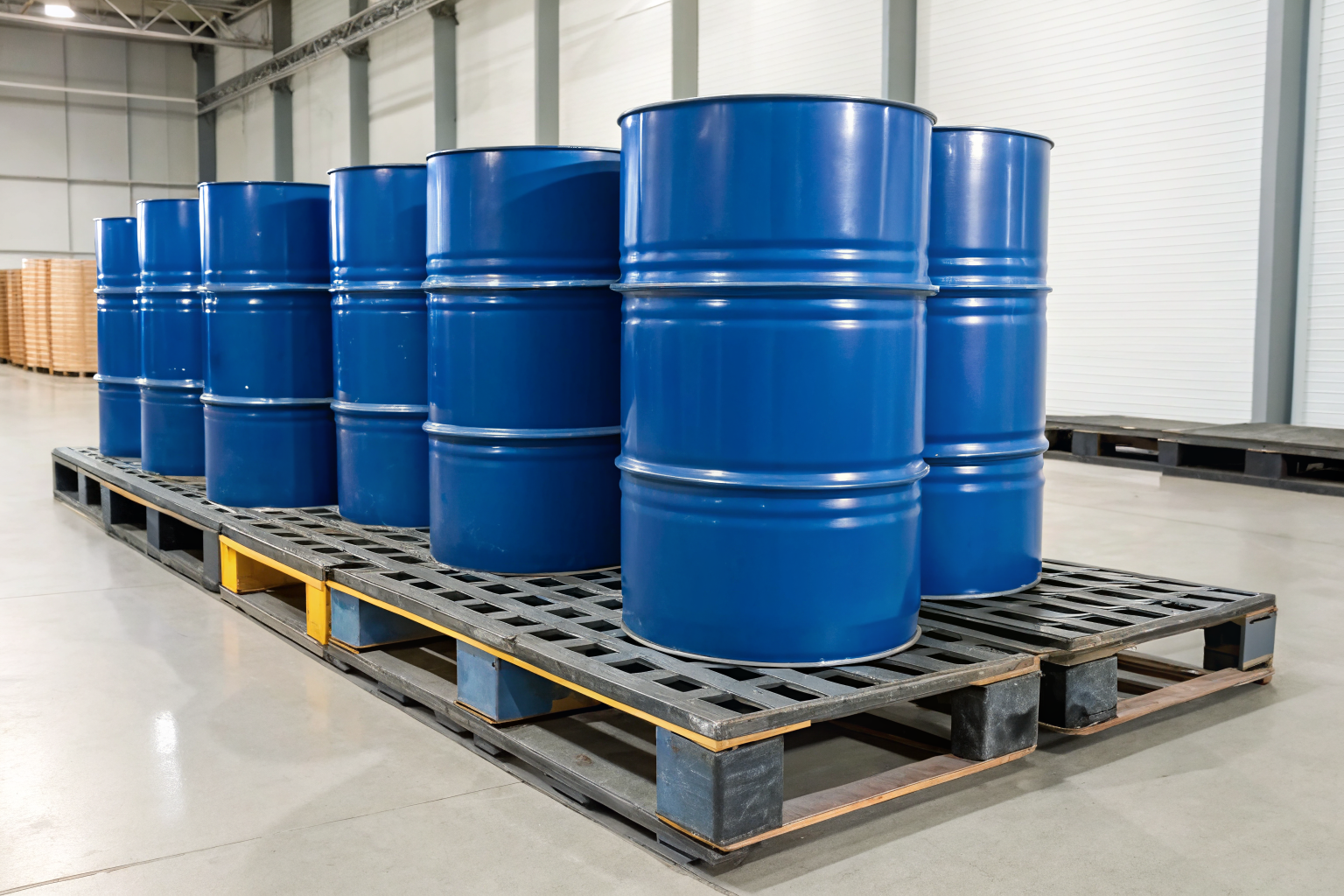
Spill pallets are secondary containment systems designed to capture leaked fluids from drums, totes, and tanks during storage operations. Steel spill pallets provide structural strength for heavy drum storage through their high-carbon construction and welded framework design. This means facilities can stack multiple drums or place single large containers without risk of structural failure.
Polyethylene spill pallets use high-density plastic construction that offers chemical resistance and lighter weight handling. The molecular structure creates a non-porous surface that resists many corrosive chemicals but lacks the load-bearing capacity of steel frameworks.
Material comparison between these options centers on tensile strength differences. Steel achieves 36,000-50,000 PSI tensile strength while polyethylene reaches only 3,100-5,500 PSI. This fundamental difference affects every aspect of secondary containment performance.
The construction methods differ significantly. Steel pallets use welded seams and reinforced corners to distribute weight loads across the entire structure. Polyethylene pallets rely on rotational molding that creates seamless construction but limits design complexity. Secondary containment regulations don’t specify material requirements, but they mandate structural integrity under expected load conditions.
Steel vs Polyethylene Durability: Which Material Lasts Longer?
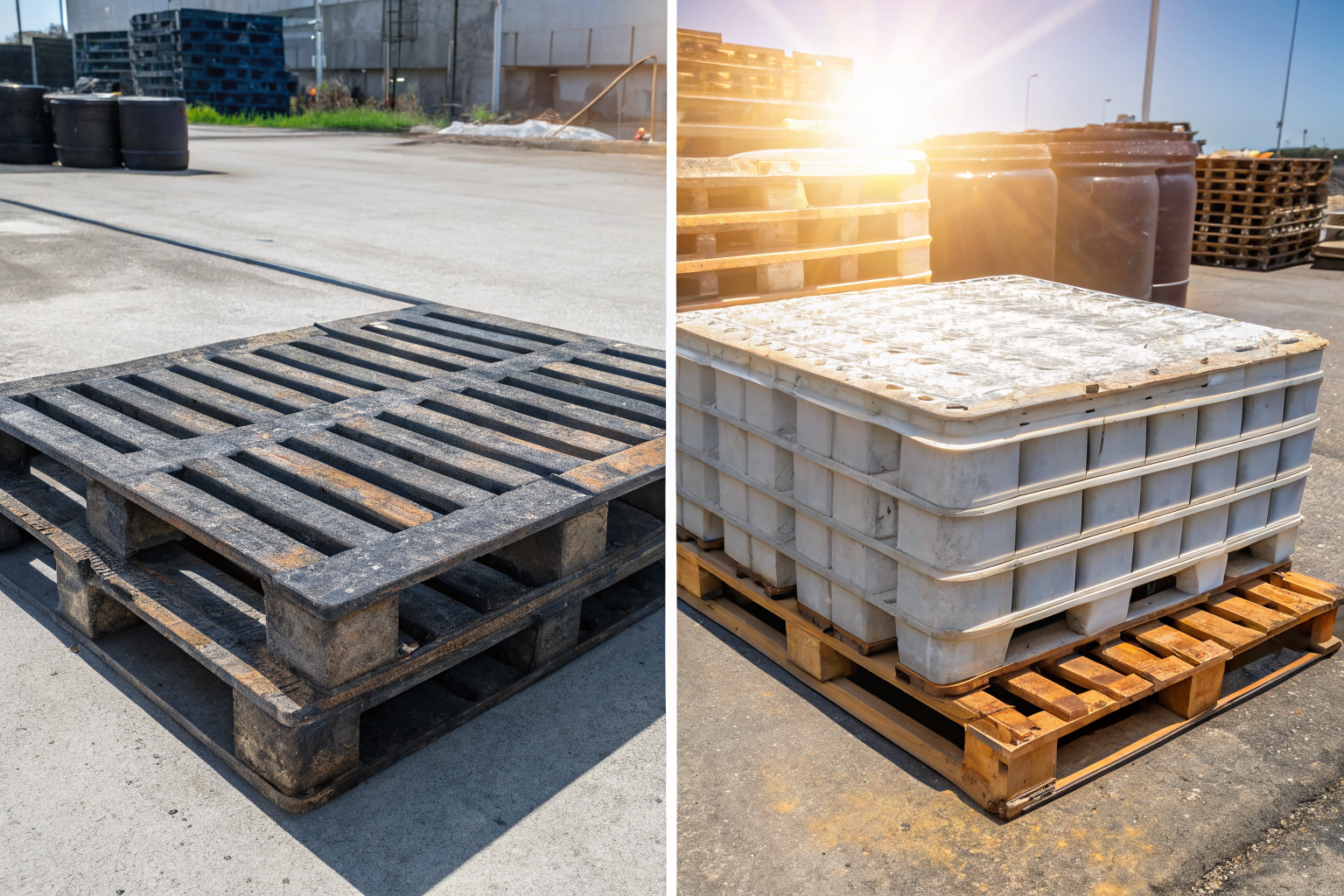
Steel containment systems outlast polyethylene in UV exposure conditions due to their inherent resistance to photodegradation. Outdoor installations show this difference most clearly. Steel pallets maintain structural integrity for 15-20 years while polyethylene degrades after 5-7 years in outdoor applications.
UV degradation affects polyethylene through polymer chain breakdown. The plastic becomes brittle and develops stress cracks around load points. Color fading indicates this process — what starts as bright yellow or blue polyethylene turns chalky white after prolonged sun exposure. Steel pallets avoid this entirely through powder coating that can be renewed.
Thermal cycling creates different failure patterns. Steel expands and contracts uniformly, maintaining weld integrity through temperature swings. Polyethylene experiences non-uniform expansion that can warp the containment basin or crack mounting points. Facilities in climates with wide temperature ranges report more frequent polyethylene replacements.
Impact resistance favors steel construction for high-traffic areas. Forklift strikes that would puncture polyethylene walls typically only dent steel surfaces. However, polyethylene shows better resistance to gradual deformation under consistent loads.
Maintenance requirements differ substantially. Steel pallets need periodic repainting and rust prevention but remain structurally sound for decades. Polyethylene pallets require no surface maintenance but need complete replacement when structural limits are exceeded.
How Do Chemical Compatibility Issues Affect Material Selection?
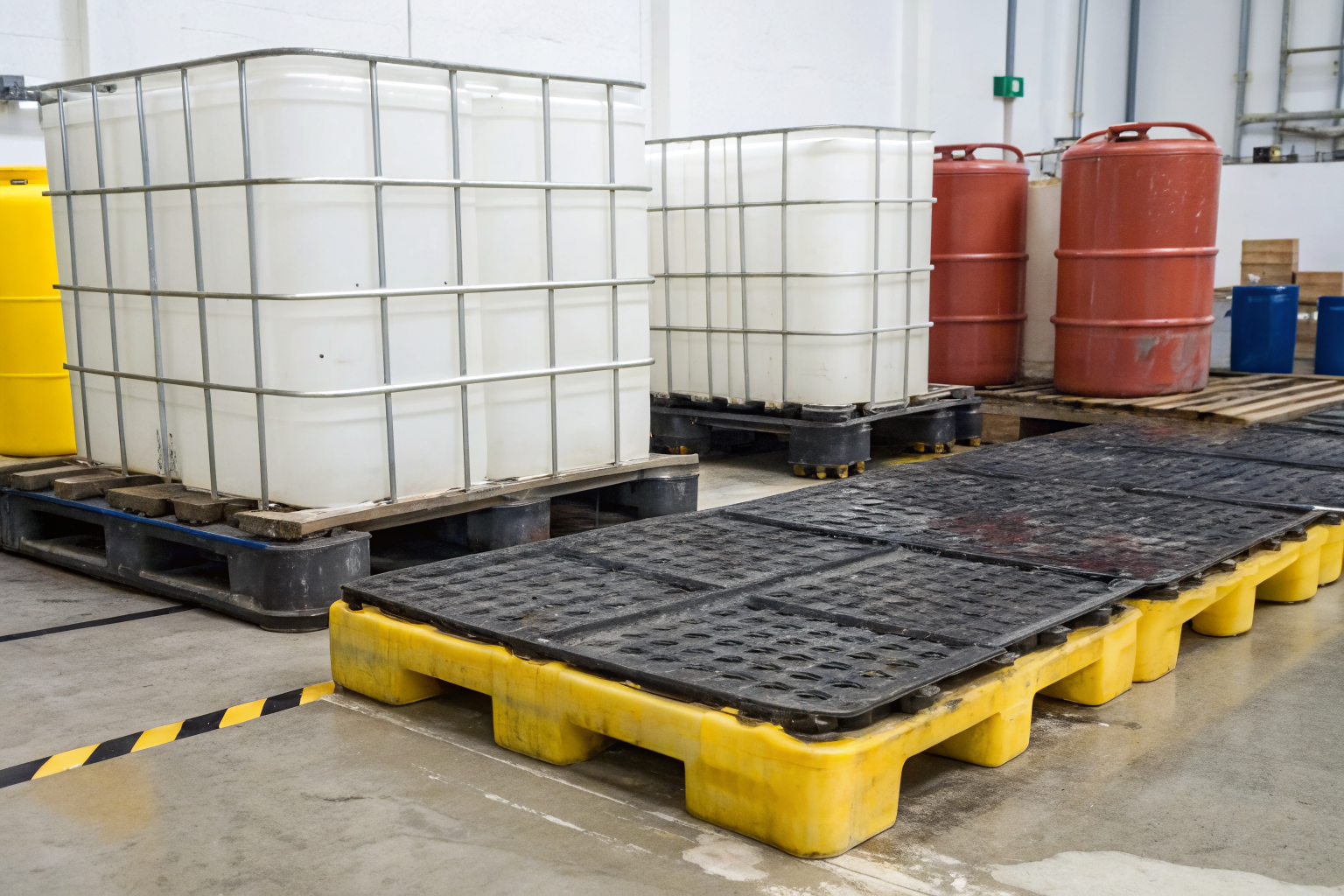
Chemical compatibility determines material selection for specific applications by dictating which stored substances will attack the containment structure. This relationship controls the entire selection process.
Polyethylene swells 15-25% when exposed to aromatic hydrocarbons above 120°F, creating containment failure. The polymer absorbs petroleum-based solvents, losing structural integrity and developing permanent deformation. Diesel fuel, gasoline, and heating oil all cause this reaction at elevated temperatures.
Steel pallets resist petroleum products but fail rapidly when exposed to acidic solutions. Hydrochloric acid, sulfuric acid, and even weak organic acids create corrosion that penetrates steel walls within months. The galvanized coating provides temporary protection but cannot prevent eventual failure.
| Chemical Type | Steel Compatibility | Polyethylene Compatibility | Temperature Limit |
|---|---|---|---|
| Petroleum oils | Excellent | Poor above 120°F | Steel: 200°F, PE: 120°F |
| Acids (pH <4) | Poor | Excellent | Steel: immediate failure, PE: 180°F |
| Alkaline solutions | Good | Excellent | Steel: 160°F, PE: 200°F |
| Organic solvents | Fair | Poor to fair | Steel: 180°F, PE: 100°F |
| Water-based fluids | Excellent | Excellent | Steel: 200°F, PE: 180°F |
Temperature effects amplify chemical attack patterns. Room temperature storage often allows either material to function adequately, but heated storage areas create rapid failures when materials are mismatched to stored chemicals.
What Are the True Cost Differences Between Steel and Polyethylene Pallets?
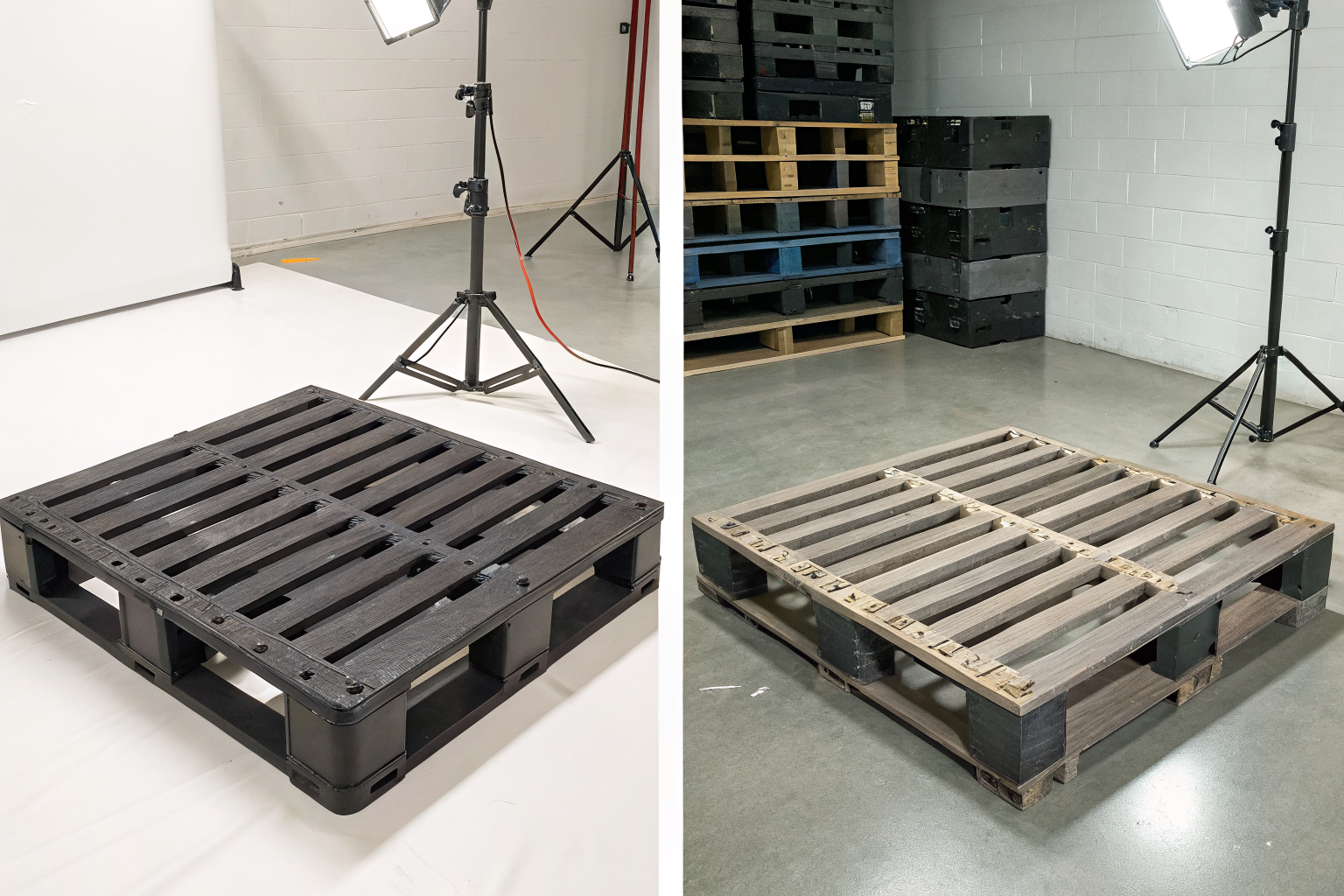
Total cost analysis includes purchase price plus replacement frequency, creating a complex equation that often favors the higher upfront investment. Initial pricing shows polyethylene pallets at $200-400 versus $600-1,200 for comparable steel units.
Shipping costs add significant hidden expenses. Steel pallets weigh 85-120 pounds versus 35-45 pounds for polyethylene, increasing shipping costs by 40-60% for single-unit orders. Bulk orders reduce this differential through freight consolidation, but many facilities order pallets individually as needs arise.
Replacement frequency changes the math dramatically. Facilities using polyethylene in petroleum storage applications report replacement cycles of 2-3 years due to chemical attack. Steel pallets in the same applications function for 15+ years with minimal maintenance.
Maintenance costs favor polyethylene for routine care but steel for major repairs. Polyethylene pallets need no painting or rust prevention but cannot be repaired when cracked. Steel pallets require periodic repainting but damaged areas can be welded and restored to original condition.
Disposal costs reflect material value. Steel pallets retain scrap metal value at end-of-life, recovering $50-100 per unit. Polyethylene pallets have no salvage value and require disposal fees in most locations.
Which Applications Favor Steel vs Polyethylene Spill Containment?
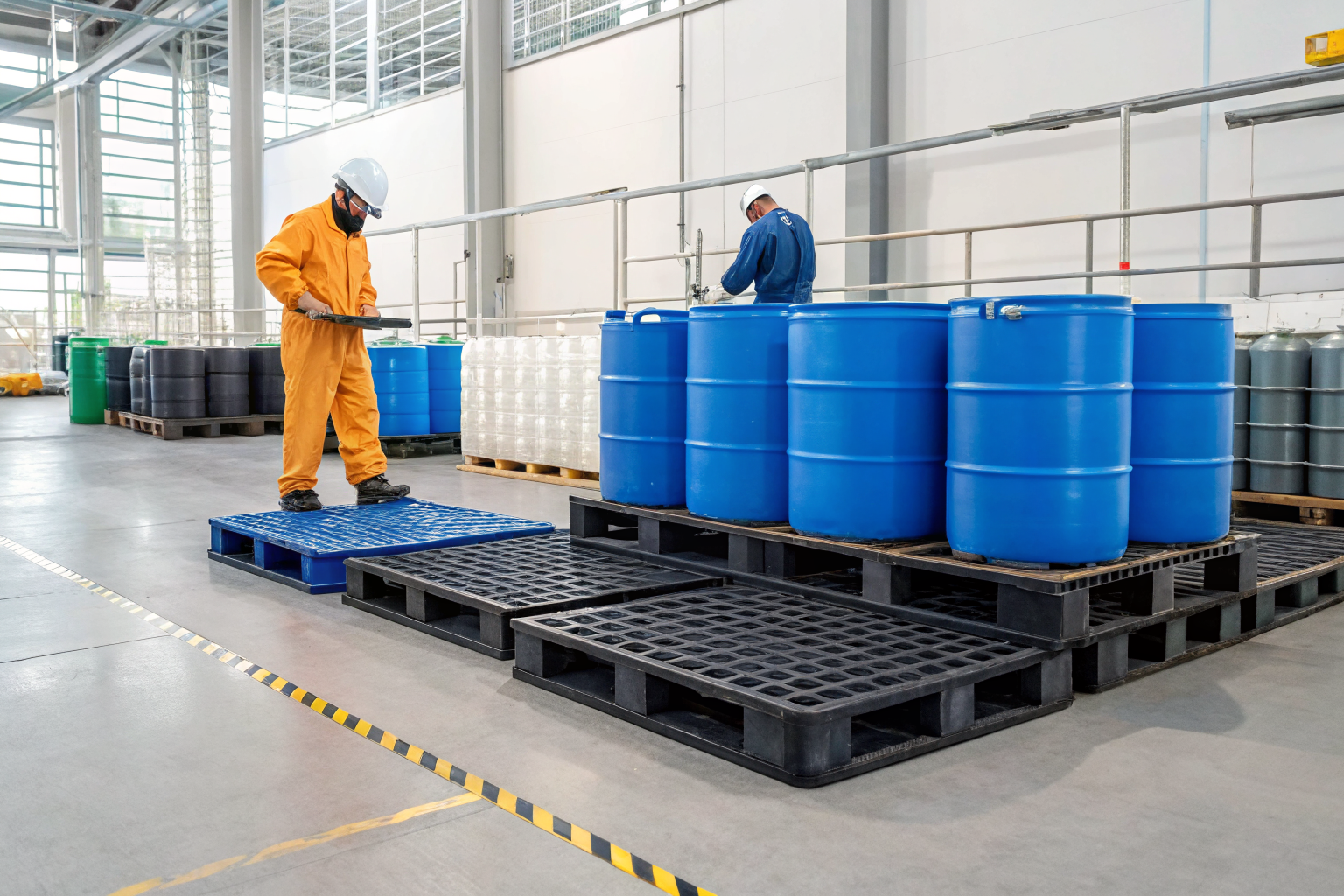
Application requirements dictate optimal material selection for spill containment through load capacity, chemical exposure, and environmental conditions. Manufacturing facilities report 73% fewer containment failures when matching material to stored chemical types rather than selecting based purely on cost.
Indoor applications with petroleum storage strongly favor steel construction. Machine shops storing cutting oils, hydraulic fluids, and lubricants see polyethylene failures within 18 months when storage areas exceed 100°F. Steel pallets handle these conditions indefinitely with proper maintenance.
Outdoor chemical storage applications split based on stored materials. Battery acid, cleaning chemicals, and water treatment chemicals require polyethylene construction to prevent corrosion failures. Diesel fuel, heating oil, and petroleum lubricants perform better with steel containment despite higher UV exposure.
Heavy load requirements eliminate polyethylene options entirely. Facilities storing 55-gallon drums in multi-tier configurations need steel’s load-bearing capacity. Design options for polyethylene pallets max out at single-tier storage with distributed loads under 8,000 pounds total.
SPCC plan compliance depends on containment integrity rather than material selection. EPA regulations require secondary containment to hold 110% of the largest container plus precipitation from a 25-year storm event. Both materials can meet this requirement when properly sized and maintained.
Regulatory inspections focus on structural condition rather than material type. Inspectors look for cracks, deformation, or chemical attack regardless of construction material. Steel pallets pass inspections more consistently due to their longer service life and resistance to gradual degradation.
Temporary storage applications favor polyethylene’s lighter weight and lower cost. Construction sites, emergency response operations, and short-term chemical handling benefit from polyethylene’s portability. Permanent installations justify steel’s higher cost through extended service life.