
Temporary Tank Containment: Portable AST and Tank Berm Solutions
Tank failures cost companies an average of $47,000 per incident, making temporary tank containment systems the most cost-effective insurance for short-term operations.
Key Takeaways:
- Portable tank berms deploy in under 30 minutes and contain up to 150% of tank capacity as required by EPA SPCC regulations
- Temporary AST containment costs 75% less than permanent concrete berms while providing identical spill protection
- Emergency response teams use collapsible berms that pack into 4×4 foot shipping containers for rapid deployment
What is Temporary Tank Containment?
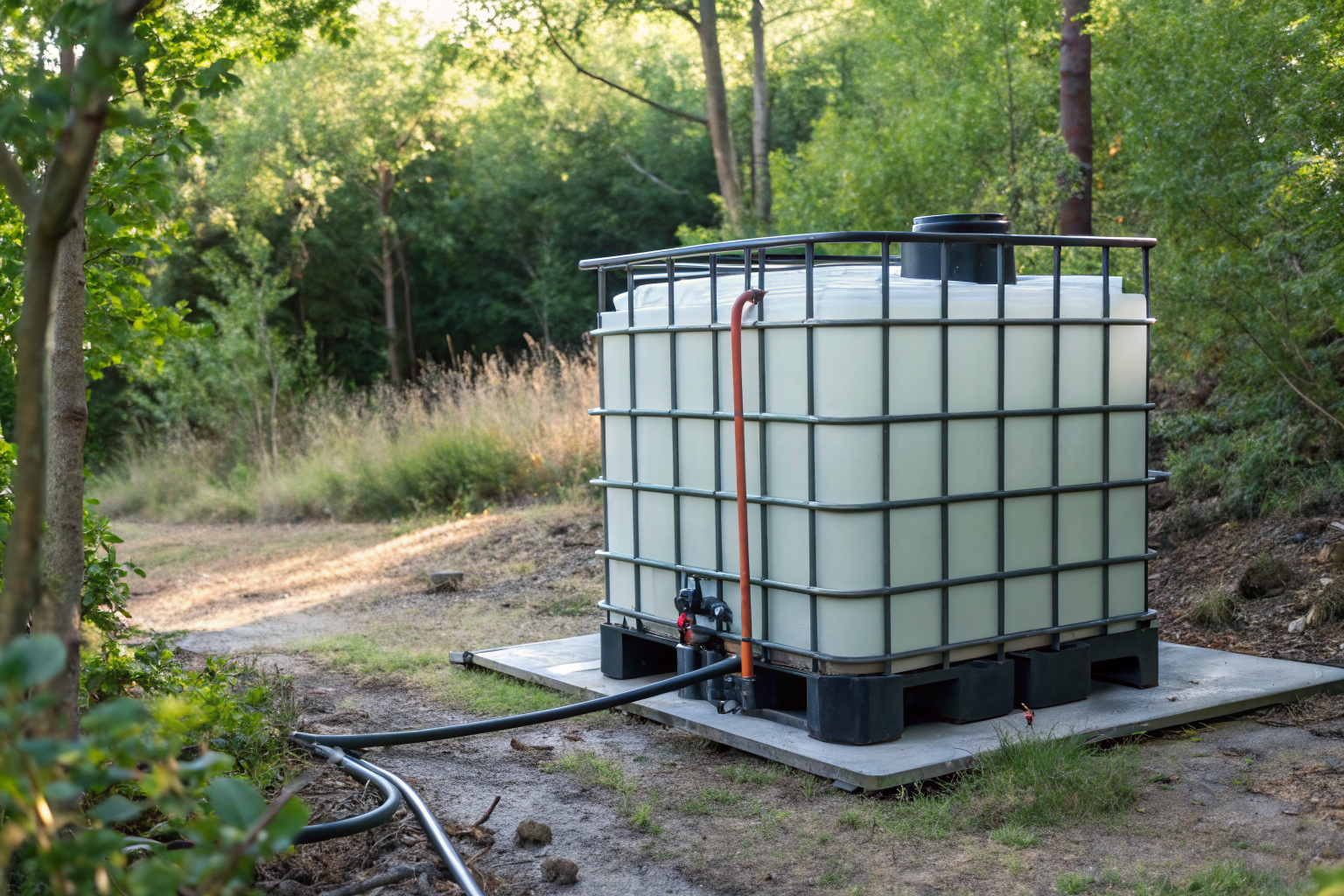
Temporary tank containment is a portable secondary spill protection system that prevents petroleum products from reaching soil or water during short-term storage operations. This means companies can establish compliant fuel storage without the expense and permanence of concrete containment structures. Temporary containment provides secondary spill protection through flexible barriers that surround above-ground storage tanks during construction, maintenance, or emergency operations.
Temporary systems differ from permanent installations in mobility and cost structure. Permanent concrete berms require excavation, reinforcement, and curing time that extends projects by weeks. Temporary containment deploys immediately and relocates as operations change. The EPA requires 110% containment capacity for most applications, meaning a 10,000-gallon tank needs 11,000 gallons of containment volume.
Spill prevention regulations treat temporary and permanent systems identically for compliance purposes. Both must withstand the full contents of the largest tank plus precipitation from a 25-year storm event. Secondary containment must include drainage controls and leak detection systems regardless of installation type.
How Do Portable Tank Berms Work?

Portable tank berms deploy around existing AST installations using a systematic installation process that takes 15-45 minutes depending on berm size.
Site preparation involves clearing debris and leveling the ground surface within the containment footprint. Sharp objects must be removed to prevent puncture damage.
Berm positioning starts by unfolding the flexible containment system and centering it around the tank location. Most berms feature drive-over walls that allow equipment access during setup.
Wall assembly connects modular sections using heavy-duty zippers or bolt-together flanges. Connection methods vary by manufacturer but must create watertight seals at all joints.
Anchor installation secures the berm to prevent movement during operations. Ground stakes, sandbags, or water-filled tubes provide stability depending on surface conditions.
Final inspection verifies proper wall height, connection integrity, and drainage valve operation before tank placement or fuel transfer begins.
Flexible berms use reinforced materials like 30-mil PVC or urethane fabric that resist petroleum products and UV degradation. Standard deployment takes 15-45 minutes depending on berm size, with larger systems requiring additional crew members for efficient installation.
Temporary vs Permanent AST Containment Systems

| Feature | Temporary Systems | Permanent Systems |
|---|---|---|
| Installation Cost | $3-8 per sq ft | $15-25 per sq ft |
| Setup Time | 30 minutes – 4 hours | 2-6 weeks |
| Mobility | Relocatable same day | Fixed location |
| Material Life | 10-15 years with care | 50+ years |
| Capacity Range | 50-30,000 gallons | No practical limit |
| Maintenance | Annual inspection | Crack repair, resealing |
Temporary systems cost 60-80% less than permanent installation when comparing total project expenses. Concrete berms cost $15-25 per square foot including excavation, reinforcement, and finishing work. Portable systems range from $3-8 per square foot with no site preparation beyond ground clearing.
Installation timeframes favor portable systems dramatically. Permanent berms require permit approval, excavation scheduling, concrete delivery, and 28-day curing periods that extend projects by weeks. Oil storage operations cannot begin until concrete achieves full strength. Temporary systems deploy immediately and accommodate changing operational requirements.
Mobility advantages make portable systems essential for construction and emergency response applications. Permanent berms become abandoned infrastructure when projects end. Portable systems relocate to new sites and serve multiple projects over their service life.
Which Industries Need Portable Tank Protection?

Emergency response requires rapid deployment containment systems that deploy faster than spill cleanup operations can mobilize. Construction projects use 40% of all temporary containment deployments because fuel storage needs change as work progresses across different site locations.
Construction sites rely on temporary fuel storage for equipment refueling where permanent infrastructure doesn’t exist. Generators, excavators, and concrete trucks require diesel storage that moves with construction phases. Tank protection must deploy quickly and relocate as site conditions change.
Industrial maintenance operations need temporary containment during equipment repairs or tank cleaning activities. Refineries and chemical plants use portable berms to contain transfer operations and provide backup protection during maintenance windows.
Event management companies deploy temporary fuel storage for outdoor concerts, festivals, and emergency power applications. Generator farms require secondary containment that installs quickly and removes without site damage.
Emergency response teams use collapsible systems for disaster recovery operations. FEMA deploys portable berms for emergency generator installations at hospitals, shelters, and critical infrastructure sites where power restoration requires temporary fuel storage.
EPA Regulations for Temporary Containment

EPA regulations mandate 110% containment for qualified facilities under the Spill Prevention, Control, and Countermeasure (SPCC) program. This means facilities storing over 1,320 gallons must maintain SPCC plans that specify secondary containment requirements for all petroleum storage.
Temporary installations must comply with identical standards as permanent systems. The EPA does not distinguish between temporary and permanent containment in regulatory requirements. Secondary containment must prevent discharged oil from reaching navigable waters or adjoining shorelines.
SPCC plan compliance requires documentation of containment capacity calculations, inspection protocols, and maintenance procedures. Temporary systems need the same engineering analysis and capacity verification as concrete berms. Professional engineers must certify that containment volume meets regulatory requirements.
Inspection protocols mandate visual examination of containment integrity before each use and periodic structural assessments. Documentation needs include installation photos, capacity calculations, and inspection records. The EPA requires facilities to maintain these records for three years following system removal.
Exemptions for temporary use do not exist under current SPCC regulations. Any petroleum storage subject to SPCC requirements needs compliant secondary containment regardless of installation duration.
Selecting the Right Portable Berm System

Flexible berms accommodate tanks up to 30,000 gallon capacity depending on configuration and site constraints. System selection depends on tank size, site conditions, deployment frequency, and regulatory requirements.
Sizing calculations start with tank volume and add safety factors for precipitation and freeboard requirements. A 10,000-gallon tank needs 11,000 gallons of containment volume minimum, but most engineers specify 115-120% capacity to account for rainfall accumulation.
Material options include PVC and urethane fabrics with different performance characteristics. PVC berms handle temperatures from -20°F to 180°F and resist most petroleum products at lower cost. Urethane systems provide superior tear resistance and flexibility but cost 30-50% more than comparable PVC units.
Drive-over versus standard height walls affect equipment access and installation complexity. Drive-over berms allow vehicles to cross containment walls during setup and operations. Standard height walls provide maximum containment volume but require crane or pump access for tank placement.
Modular systems connect multiple sections to create custom shapes and sizes. Single-piece berms deploy faster but limit configuration options. Modular designs accommodate irregular site layouts and tank arrangements that single-piece systems cannot handle.
Capacity verification requires engineering calculations that account for tank displacement and wall deflection under load. Most manufacturers provide capacity charts, but site-specific conditions may require professional engineering analysis to confirm regulatory compliance.