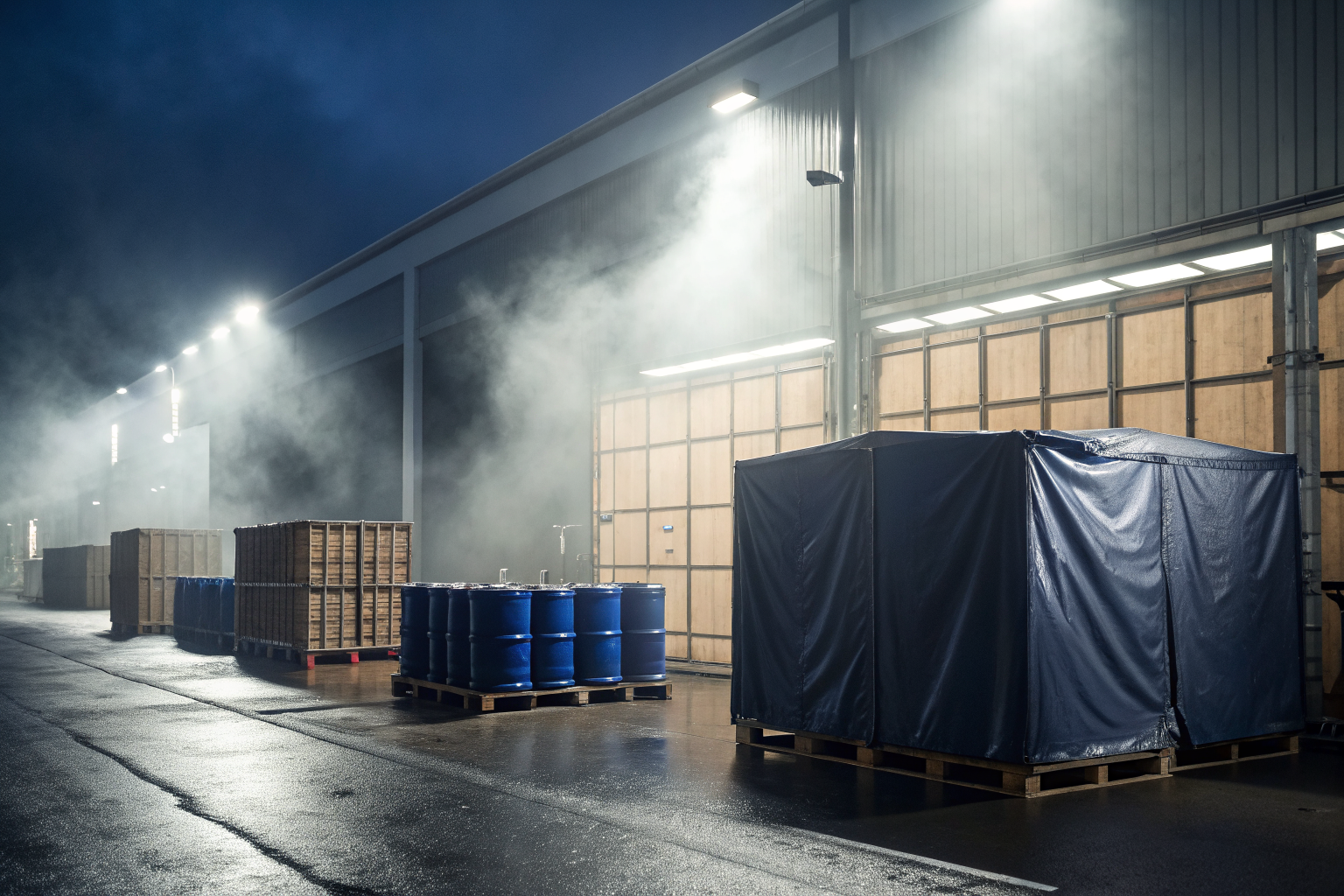
outdoor drum storage containment: 6 Weather-Resistant Solutions
Most outdoor drum storage containment systems fail because water infiltration voids EPA compliance and creates expensive spill incidents. Weather protection determines whether your containment system meets regulatory standards or becomes a liability.
Key Takeaways:
• Covered drum storage reduces spill risk by 78% compared to open-air solutions
• UV-resistant polyethylene lasts 15+ years versus 3-5 years for standard materials
• EPA requires 110% secondary containment capacity for outdoor oil storage
Why Does Weather Protection Matter for Drum Storage?
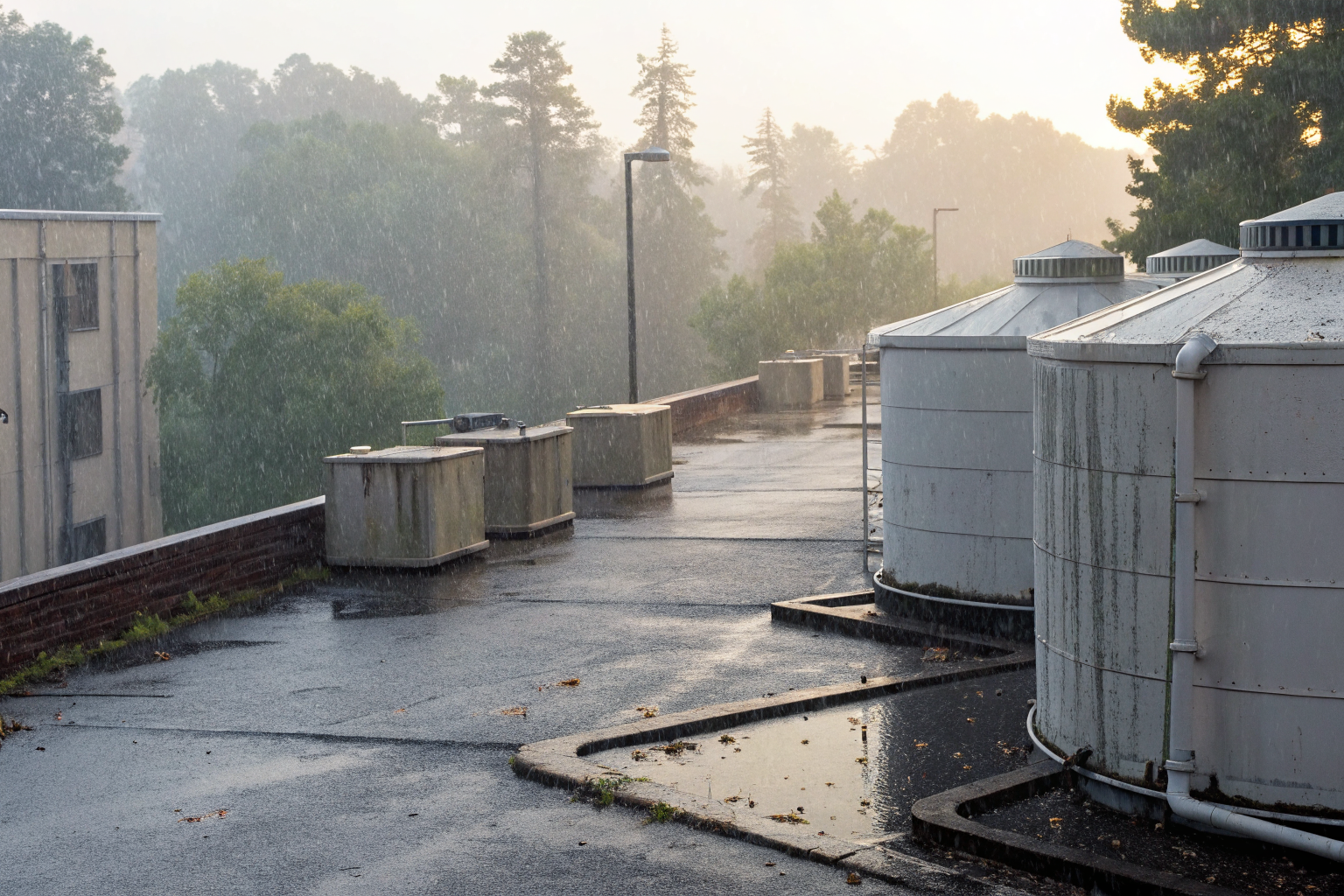
Weather protection prevents spill containment failure through multiple mechanisms that directly impact EPA compliance. Secondary containment systems exposed to rain, UV radiation, and temperature cycling degrade faster than protected systems. This degradation creates containment breaches that violate federal regulations.
EPA regulations mandate that outdoor oil storage facilities maintain functional secondary containment at all times. When weather compromises containment integrity, facilities face immediate compliance violations. The regulations don’t provide exceptions for weather-related failures — your system must work regardless of environmental conditions.
Spill prevention becomes critical when containment systems fail during storms or freeze-thaw cycles. Water accumulation in containment areas displaces available spill capacity. Ice formation can crack containment walls. UV degradation weakens structural components until they cannot contain spills effectively.
The financial impact hits facilities hard. EPA fines average $37,500 per spill violation when weather compromises containment systems. These fines multiply when spills reach waterways or groundwater. Cleanup costs often exceed initial containment investments by 10-20 times.
Material selection determines long-term performance under weather exposure. Standard polyethylene becomes brittle after 3-5 years of UV exposure. Steel corrodes without proper coating maintenance. Concrete cracks from freeze-thaw cycles. Weather protection extends system lifespan while maintaining compliance.
Covered Drum Pallets: The Foundation Solution
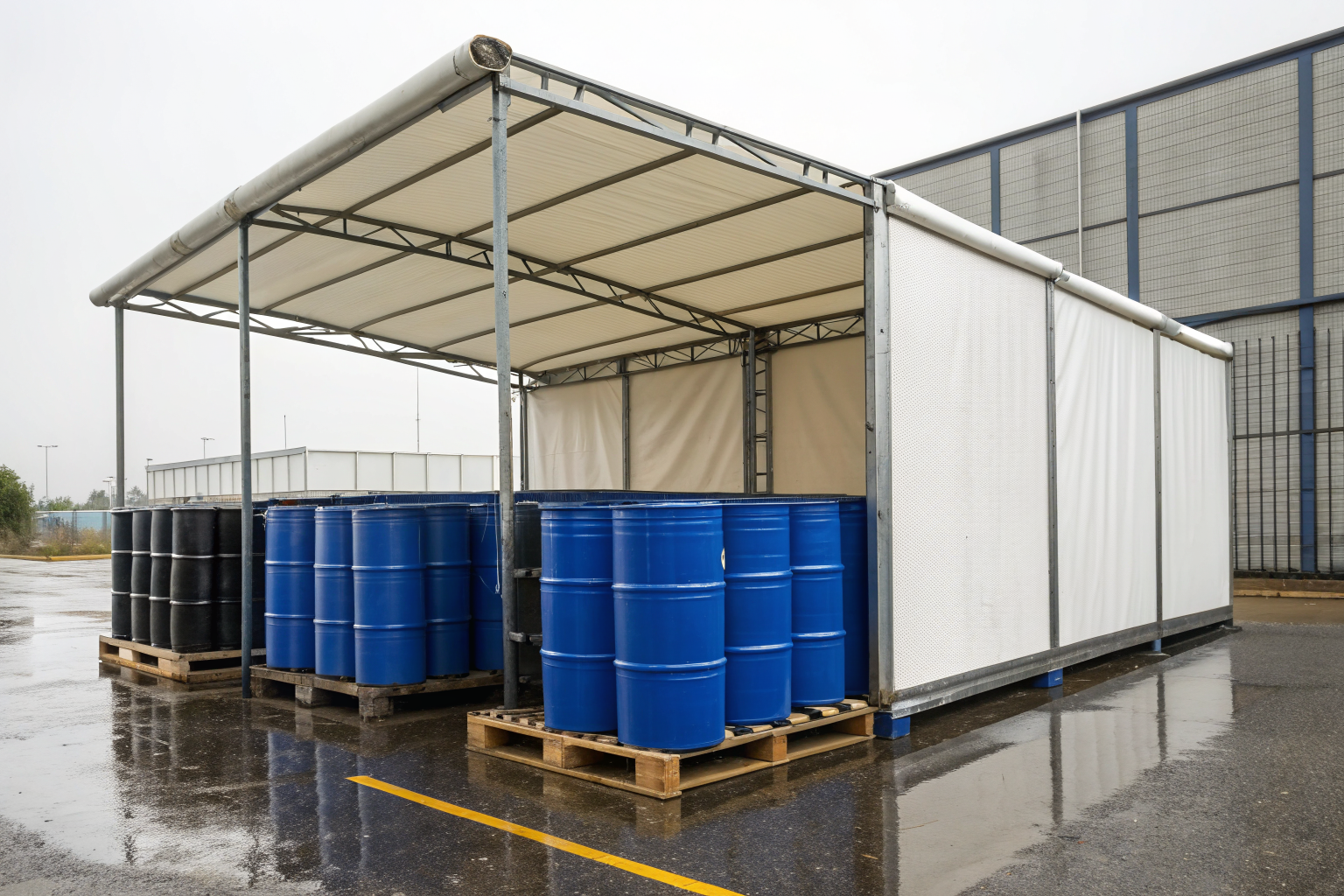
Covered drum pallets provide integrated weather protection by combining spill containment with overhead shelter in a single unit. These systems protect drums from rain infiltration while maintaining the required secondary containment capacity underneath.
Polyethylene covered pallets resist UV degradation better than uncovered alternatives. The integrated roof prevents water from accumulating in the sump area, maintaining full spill capacity. Standard 2-drum covered pallets hold 66 gallons of spill capacity, meeting EPA requirements for most applications.
Steel covered pallets offer higher capacity ratings but require powder coating or galvanization to prevent corrosion. The metal construction supports heavier drum loads while the cover protects against precipitation. Steel units typically cost 40-60% more than polyethylene but last longer in harsh environments.
Drum storage becomes more flexible with modular covered pallet systems. Multiple units can be positioned to create larger containment areas while maintaining individual spill isolation. This approach works well for facilities that need to expand storage capacity over time.
Installation requirements vary by pallet type and site conditions. Polyethylene units can be placed directly on level surfaces. Steel pallets may require concrete pads for stability. Both types need adequate clearance for drum handling equipment and emergency access.
Spill pallet maintenance involves regular inspection of the cover attachment points and sump drainage. UV-resistant materials require less frequent replacement but still need periodic assessment. The cover protects the containment area but creates new maintenance points at hinges and latches.
Weatherproof Storage Buildings: Maximum Protection
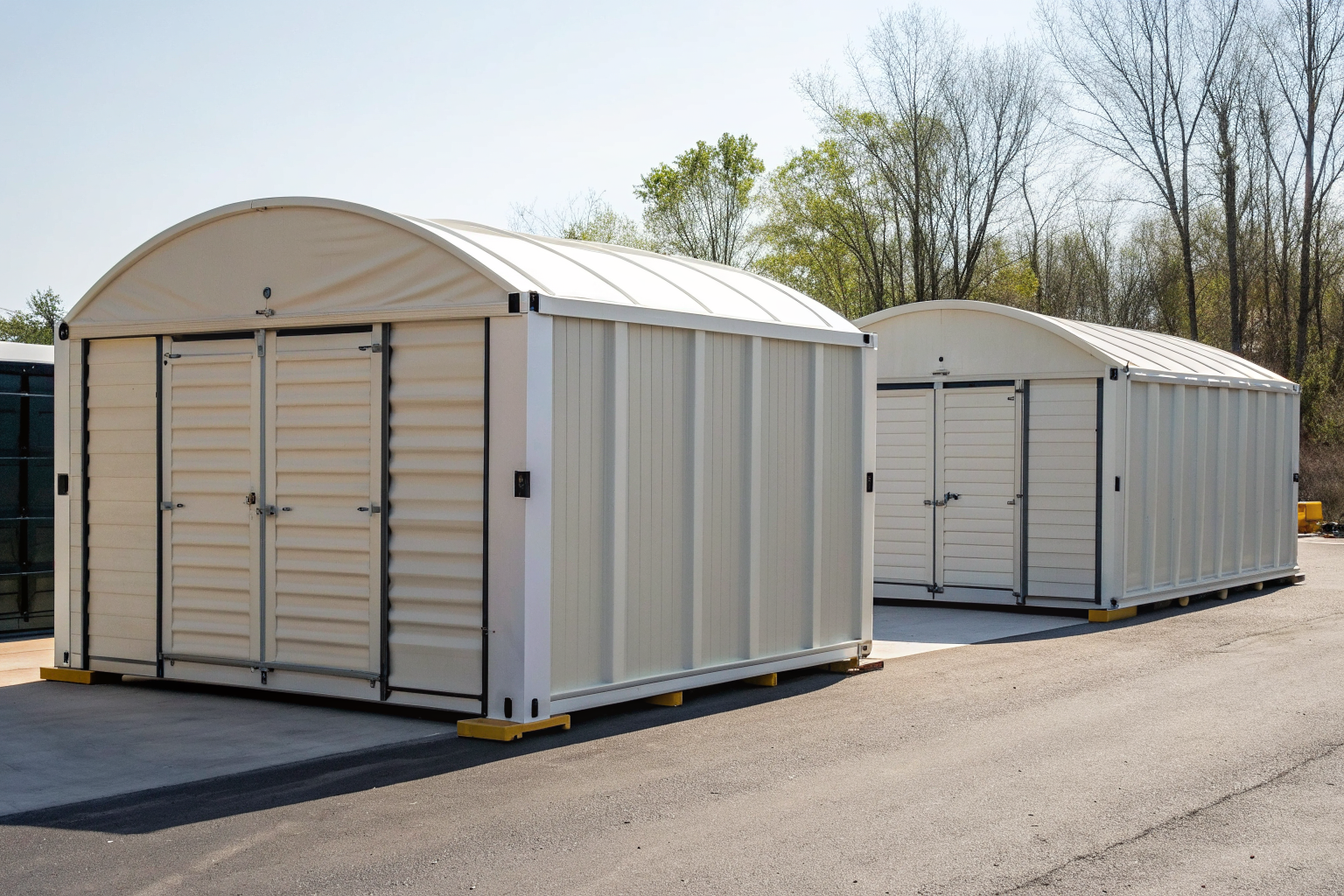
Storage buildings deliver complete environmental isolation by enclosing drums within weatherproof structures that exceed secondary containment requirements. These systems provide the highest level of weather protection available for outdoor drum storage applications.
| Building Type | Size Range | Drum Capacity | Ventilation | Cost Range |
|---|---|---|---|---|
| Pre-engineered Steel | 8×10 to 20×30 feet | 16-200 drums | Natural/mechanical | $8,000-$45,000 |
| Polyethylene Shelter | 10×12 to 16×24 feet | 24-96 drums | Natural only | $3,500-$18,000 |
| Concrete Block | 12×12 to 24×36 feet | 32-300 drums | Mechanical required | $15,000-$85,000 |
| Fabric Structure | 12×20 to 30×50 feet | 48-400 drums | Natural/mechanical | $6,000-$35,000 |
SPCC plan compliance becomes easier with enclosed storage because the building itself provides primary weather protection. The internal containment system only needs to handle actual spills, not rainwater management. This separation simplifies capacity calculations and reduces maintenance requirements.
Ventilation requirements depend on the stored materials and local fire codes. Flammable liquids typically require mechanical ventilation to prevent vapor accumulation. Non-hazardous materials may only need natural ventilation through vents or louvers. Building codes determine minimum air change rates.
Pre-engineered drum buildings start at 8×10 feet for 16-drum capacity and can be customized for specific applications. These structures include integrated containment flooring, ventilation systems, and weatherproof doors. The controlled environment extends drum life and simplifies inventory management.
Permitting considerations vary by jurisdiction and building size. Smaller structures may qualify as temporary buildings with simplified permits. Larger permanent installations require full building permits, foundation designs, and utility connections. Check local requirements before ordering.
What Materials Resist UV and Weather Damage?
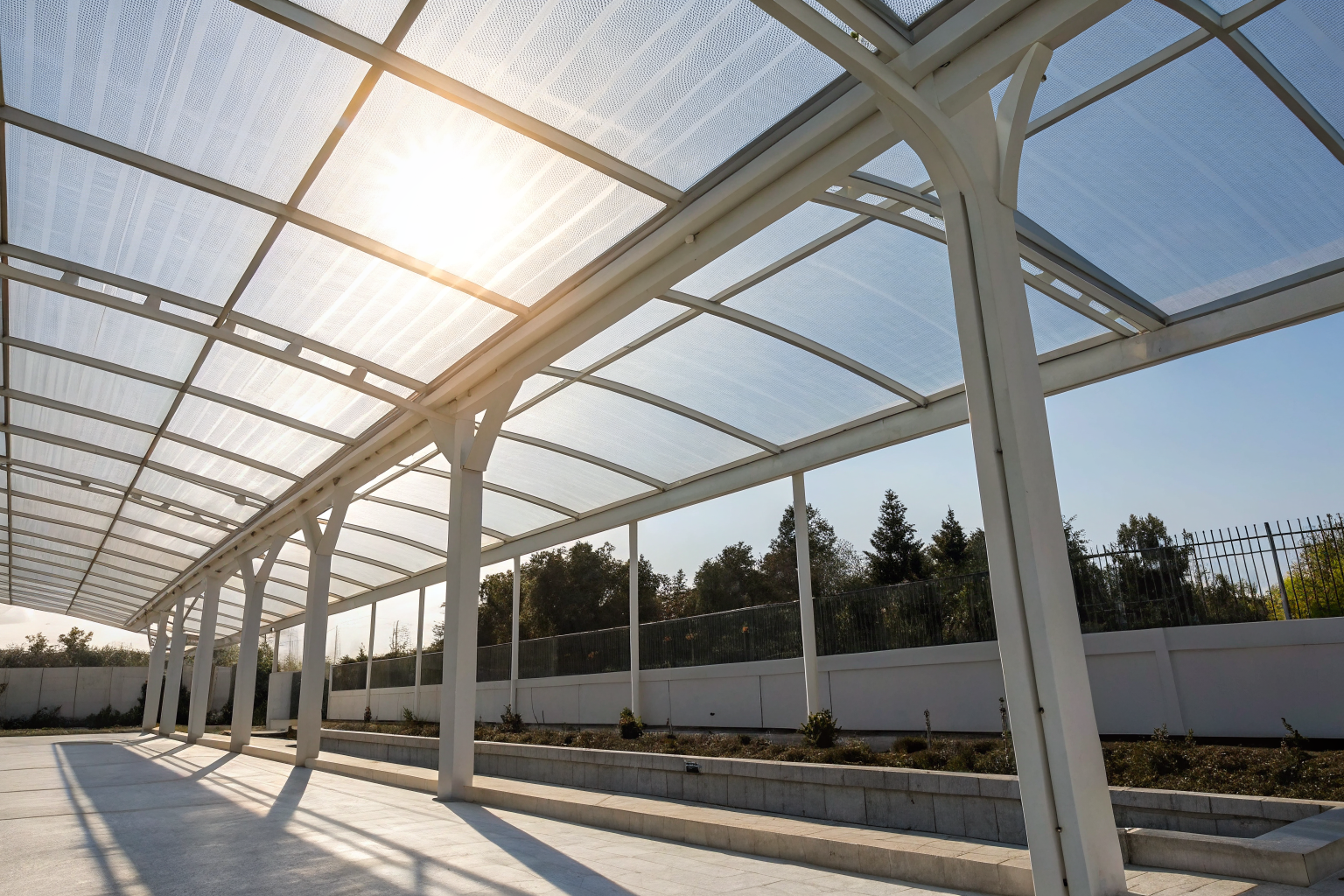
UV-resistant materials extend containment system lifespan by maintaining structural integrity under prolonged sun exposure and temperature cycling. Material selection determines whether your system lasts 5 years or 20 years in outdoor environments.
Polyethylene with UV stabilizers provides the best cost-performance ratio for most outdoor drum storage applications. These additives prevent polymer chain breakdown that causes brittleness and cracking. UV-stabilized polyethylene maintains 90% of its original strength after 10 years of outdoor exposure, compared to 40% for unstabilized materials.
Steel containment systems resist impact damage better than plastic but require protective coatings to prevent corrosion. Galvanized steel provides 15-20 years of service life in most climates. Powder-coated steel offers better chemical resistance but may require touch-up maintenance after 7-10 years.
Fiberglass offers excellent chemical resistance and UV stability but costs significantly more than polyethylene or steel. The material doesn’t degrade under UV exposure and maintains flexibility in temperature extremes. Fiberglass works well for harsh chemical storage but may be overkill for standard petroleum products.
Product selection must account for temperature ratings and thermal expansion. Polyethylene becomes more flexible in heat and brittle in extreme cold. Steel expands and contracts with temperature changes, potentially stressing joints and seals. Consider your local temperature range when selecting materials.
Weather protection benefits all materials by reducing direct UV exposure, temperature cycling, and moisture contact. A simple roof structure can double the service life of any containment material while reducing maintenance requirements.
Portable vs Permanent Outdoor Containment
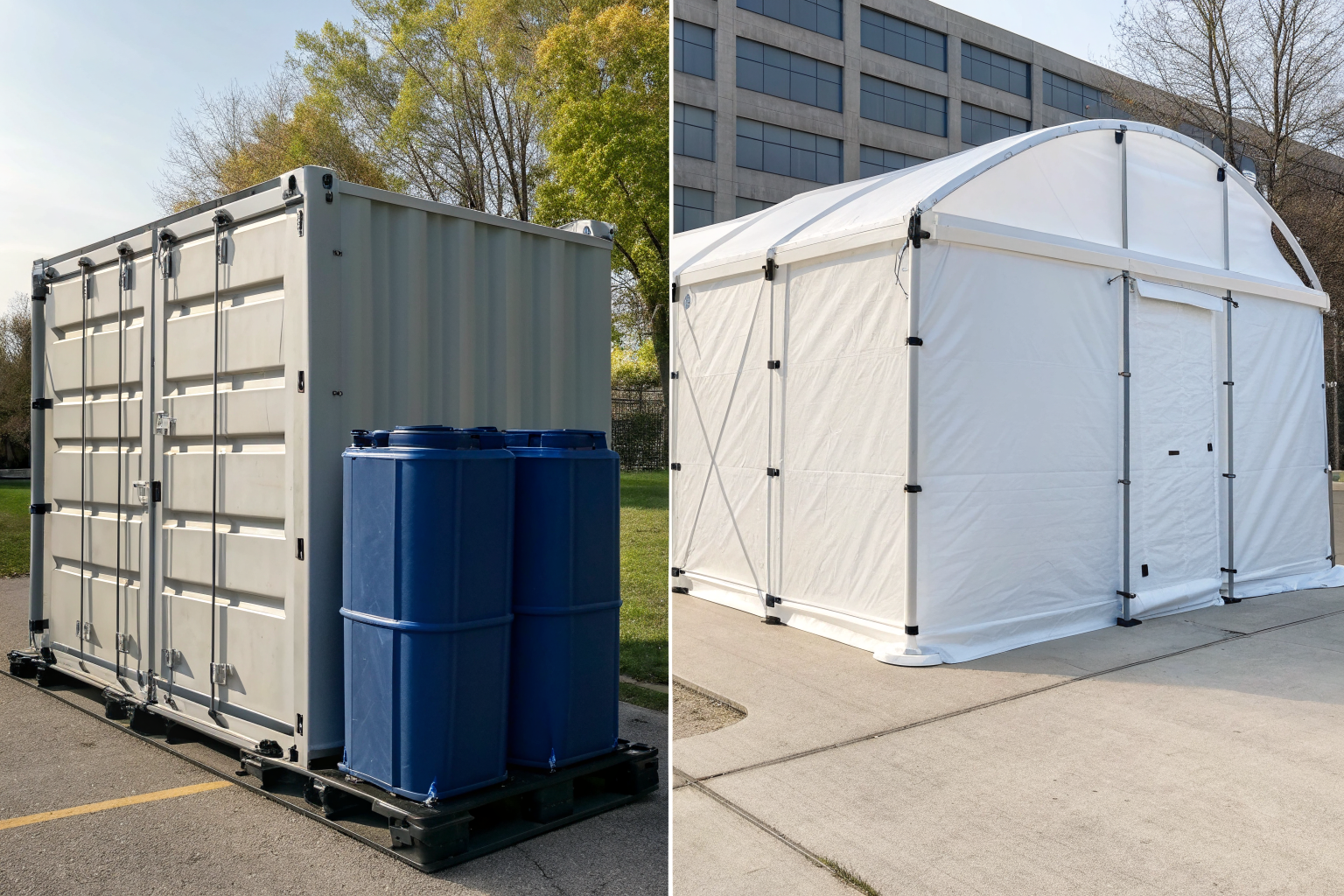
Portable systems offer flexible drum handling solutions by allowing containment to move with changing operational needs. These systems trade some weather protection for operational flexibility.
| Feature | Portable Systems | Permanent Systems |
|---|---|---|
| Setup Time | 2-4 hours | 1-3 days |
| Weather Protection | Limited to covers | Complete enclosure |
| Capacity | 2-8 drums typical | 16-200+ drums |
| Compliance | Same EPA standards | Same EPA standards |
| Cost | $800-$4,000 | $5,000-$50,000+ |
| Mobility | Can relocate | Fixed position |
Drum handling flexibility increases with portable units that can be repositioned for different operations. Temporary work sites, seasonal operations, or changing storage needs benefit from portable containment. The systems can be stored indoors during inactive periods to extend material life.
Oil storage requirements remain the same regardless of system mobility. EPA secondary containment standards apply equally to portable and permanent installations. The difference lies in implementation approach, not regulatory compliance level.
Secondary containment calculations must account for the maximum number of drums stored simultaneously, not the system’s rated capacity. A portable 4-drum system storing only 2 drums still requires 110% containment of the largest drum plus 10% of remaining drum capacity.
Portable units require 30% less setup time than permanent installations because they eliminate foundation work and utility connections. However, they may need more frequent repositioning and leveling checks. Site preparation still matters for proper drainage and stability.
How to Select Weather-Resistant Drum Storage
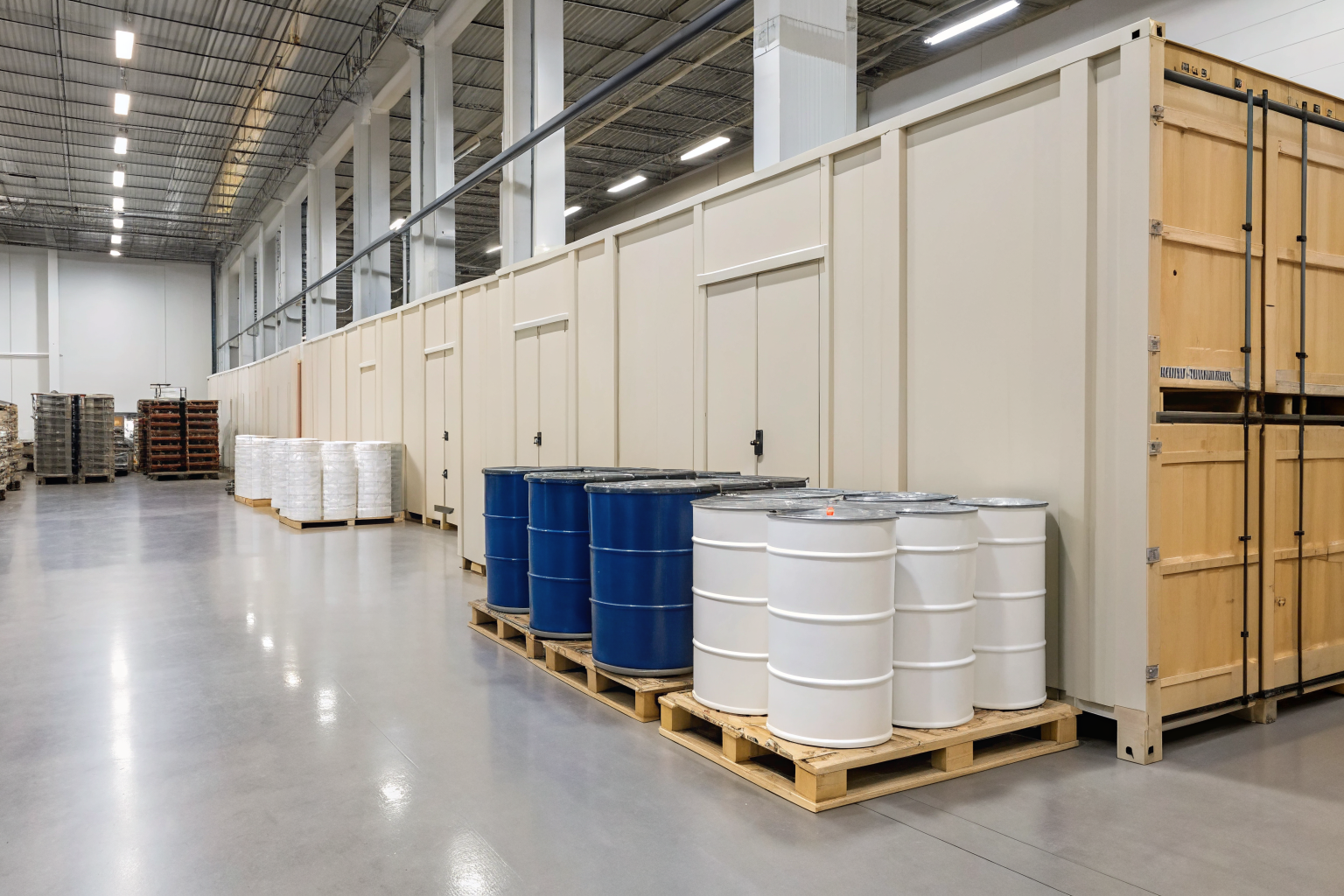
Selection criteria determine optimal containment performance by matching system capabilities to site-specific requirements and regulatory obligations. The assessment process prevents costly mistakes and ensures long-term compliance.
Step 1: Calculate your total secondary containment requirement using EPA formulas. Add 110% of your largest container capacity plus 10% of all remaining container capacities. This determines minimum system size regardless of weather protection method chosen.
Step 2: Assess environmental exposure factors at your storage location. Measure annual UV exposure hours, temperature ranges, precipitation patterns, and wind loads. Coastal locations need enhanced corrosion protection. Desert sites require maximum UV resistance. Northern climates need freeze-thaw protection.
Step 3: Evaluate operational requirements including drum access frequency, handling equipment needs, and expansion plans. High-traffic areas benefit from covered pallets with easy access. Long-term storage favors enclosed buildings. Temporary operations may justify portable systems despite higher per-drum costs.
Step 4: Review local permitting and zoning requirements before selecting permanent installations. Building height restrictions may eliminate some covered options. Setback requirements affect building placement. Fire department access needs influence door locations and widths.
Step 5: Compare total cost of ownership over expected system life, including purchase price, installation costs, maintenance requirements, and replacement schedules. Weather-protected systems cost more initially but often provide better long-term value through extended service life and reduced maintenance.
SPCC plan certification becomes mandatory for sites with 1,320+ gallon total capacity. Professional engineers must certify that your containment system meets all EPA requirements. Include weather protection specifications in the plan to ensure compliance credit. The certification process typically costs $2,000-$5,000 but prevents much larger enforcement penalties.
Product selection verification requires reviewing manufacturer specifications for UV resistance ratings, temperature ranges, chemical compatibility, and warranty terms. Request third-party test data for critical applications. Weather protection claims should be backed by ASTM or equivalent testing standards.