
Drive-In Spill Berm: Vehicle and Equipment Containment Solutions
Drive-in spill berms prevent 95% of drive-through spill incidents from becoming regulatory violations. These portable containment systems handle everything from pickup trucks to loaded semi-trailers while maintaining EPA compliance requirements.
Key Takeaways:
- Drive-in spill berms handle vehicles up to 80,000 pounds with 12-inch sidewall heights
- SPCC regulations require secondary containment for any vehicle washing above 1,320 gallons total capacity
- Flexible PVC berms deploy in 15 minutes versus 3-day concrete installations
What Are Drive-In Spill Berms?
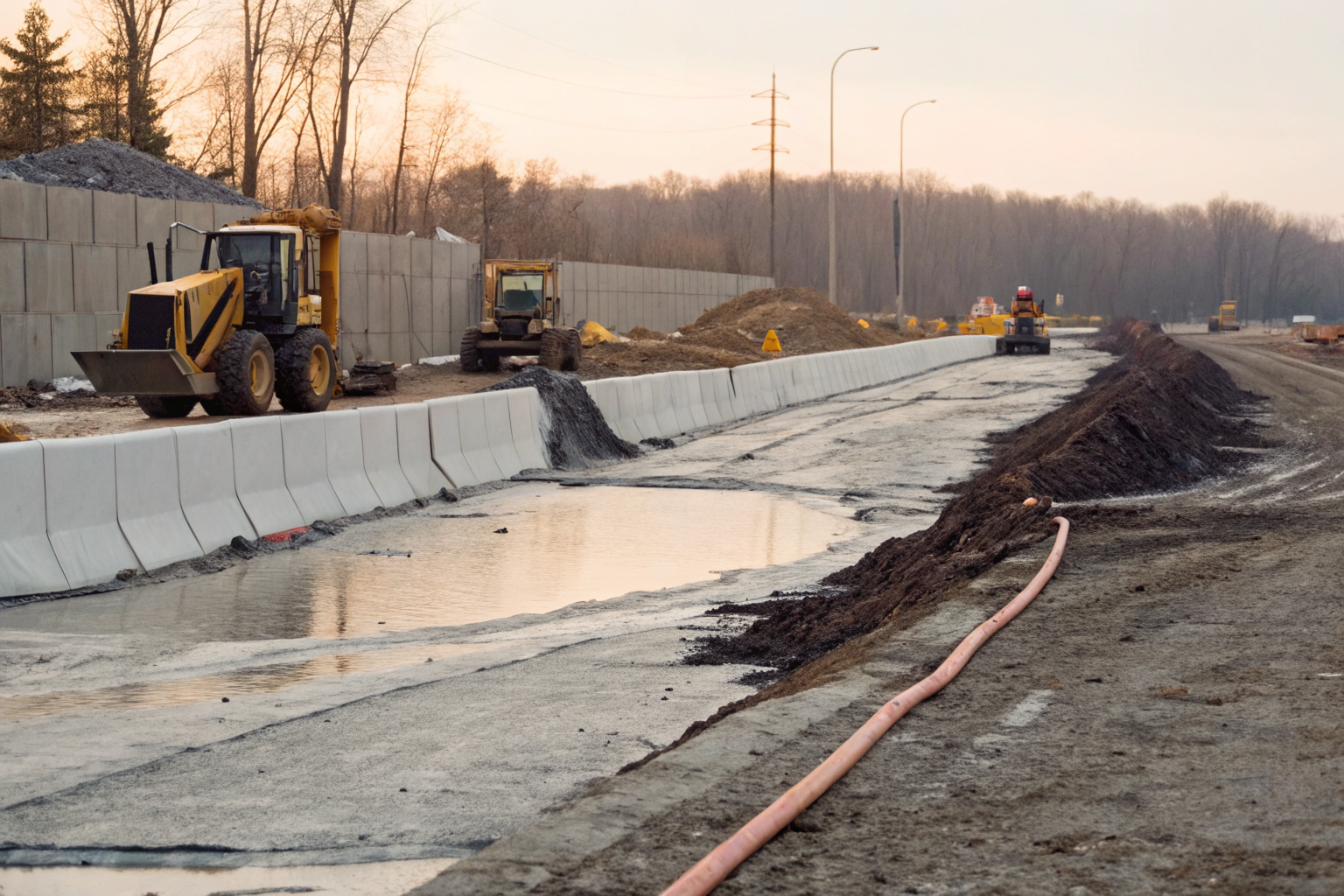
Drive-in spill berms provide secondary containment for vehicles operating in areas with potential fluid releases. This means any hydraulic fluid, oil, or fuel that leaks from equipment gets captured within the berm walls rather than contaminating soil or waterways. For example, a construction site washing heavy equipment would use drive-in berms to contain wash water mixed with hydraulic fluid.
Flexible berms differ from standard containment systems through their low-profile entry design. Vehicle containment berms feature reinforced sidewalls and specialized entry ramps that allow wheeled equipment to drive directly into the containment area. Standard spill berms require equipment to be positioned inside during setup, making them unsuitable for mobile operations.
Secondary containment construction uses either flexible PVC materials or collapsible aluminum frames with vinyl liners. PVC berms weld at the seams to create a continuous barrier, while aluminum-framed systems use mechanical fasteners and gasket seals. Both designs resist petroleum products, hydraulic fluids, and most industrial chemicals.
Standard sidewall heights range from 6 to 24 inches depending on vehicle size. Pickup trucks and light equipment require 6-inch walls, while loaded semi-trailers need 18-24 inch containment walls. The containment volume must equal 110% of the largest single container being serviced, per EPA guidelines.
Vehicle Access Design Features
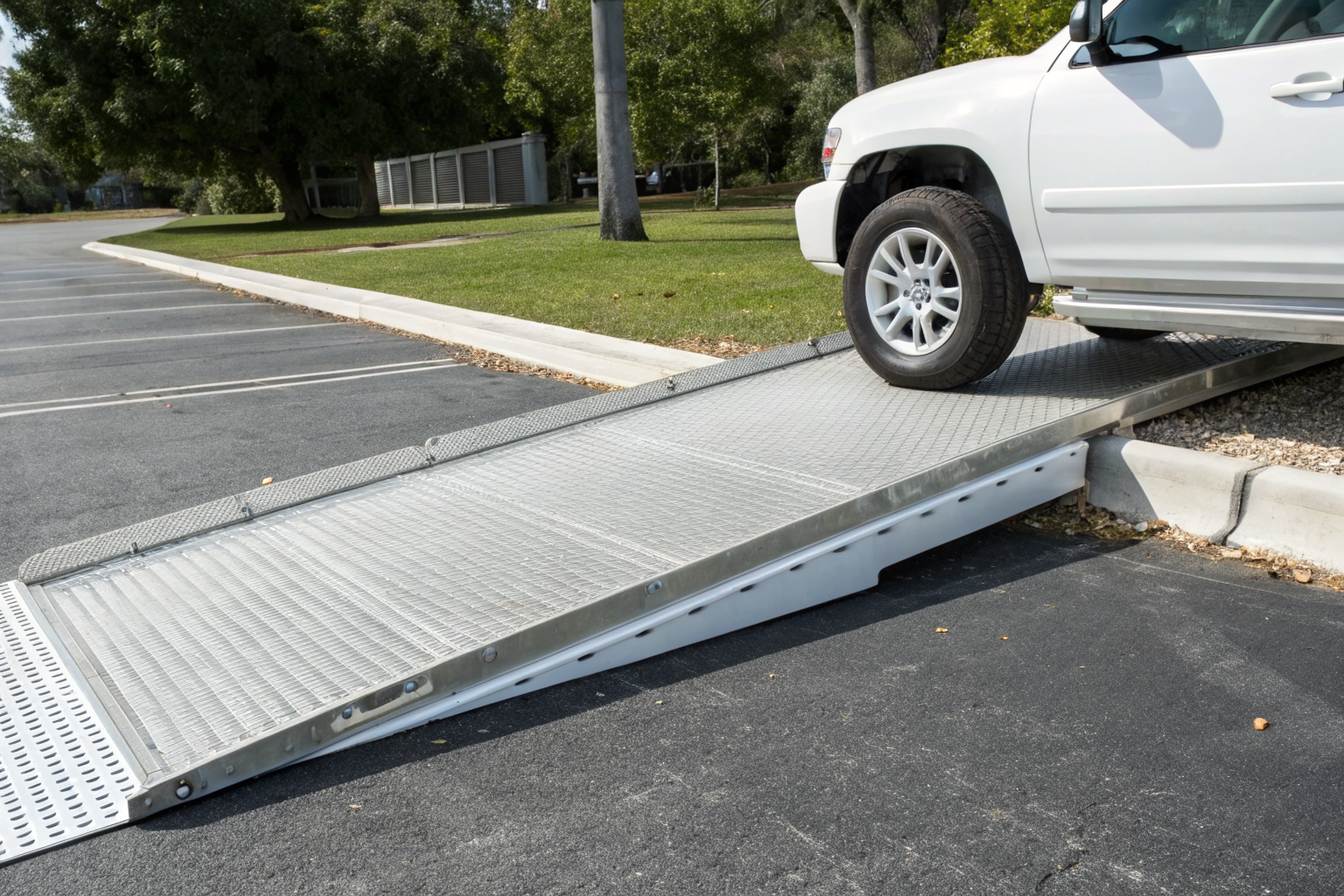
Drive-in design enables vehicle access through low-profile entry points that maintain containment integrity under vehicle weight. Entry ramps use reinforced PVC or aluminum construction to distribute load forces across the berm foundation rather than concentrating stress at entry points.
Entry ramps maintain 15-degree maximum angle for loaded trucks to prevent high-centering or clearance issues. The ramp length typically measures 36-48 inches to achieve proper approach angles for vehicles with low ground clearance. Shorter ramps create steep angles that damage vehicle undercarriages or prevent entry altogether.
Weight distribution systems spread vehicle loads across reinforced floor sections rather than allowing point loading that could puncture the containment liner. Portable systems use load-spreading mats or integrated floor reinforcement panels rated for specific vehicle weights. These systems prevent tire punctures while maintaining flexibility for different vehicle sizes.
Ground clearance requirements vary by vehicle type but typically allow 8-12 inches of clearance over the ramp peak. Construction equipment and agricultural machinery need higher clearance than standard commercial trucks. The berm entry design must accommodate the lowest clearance point, usually the differential housing or PTO components.
Turning radius accommodation requires additional floor space inside the berm for vehicles that cannot drive straight through. Single-entry berms need internal maneuvering room equal to 1.5 times the vehicle’s turning radius. Drive-through designs with entry and exit ramps eliminate this space requirement but cost more to manufacture.
How Do Equipment Wash Bay Applications Work?
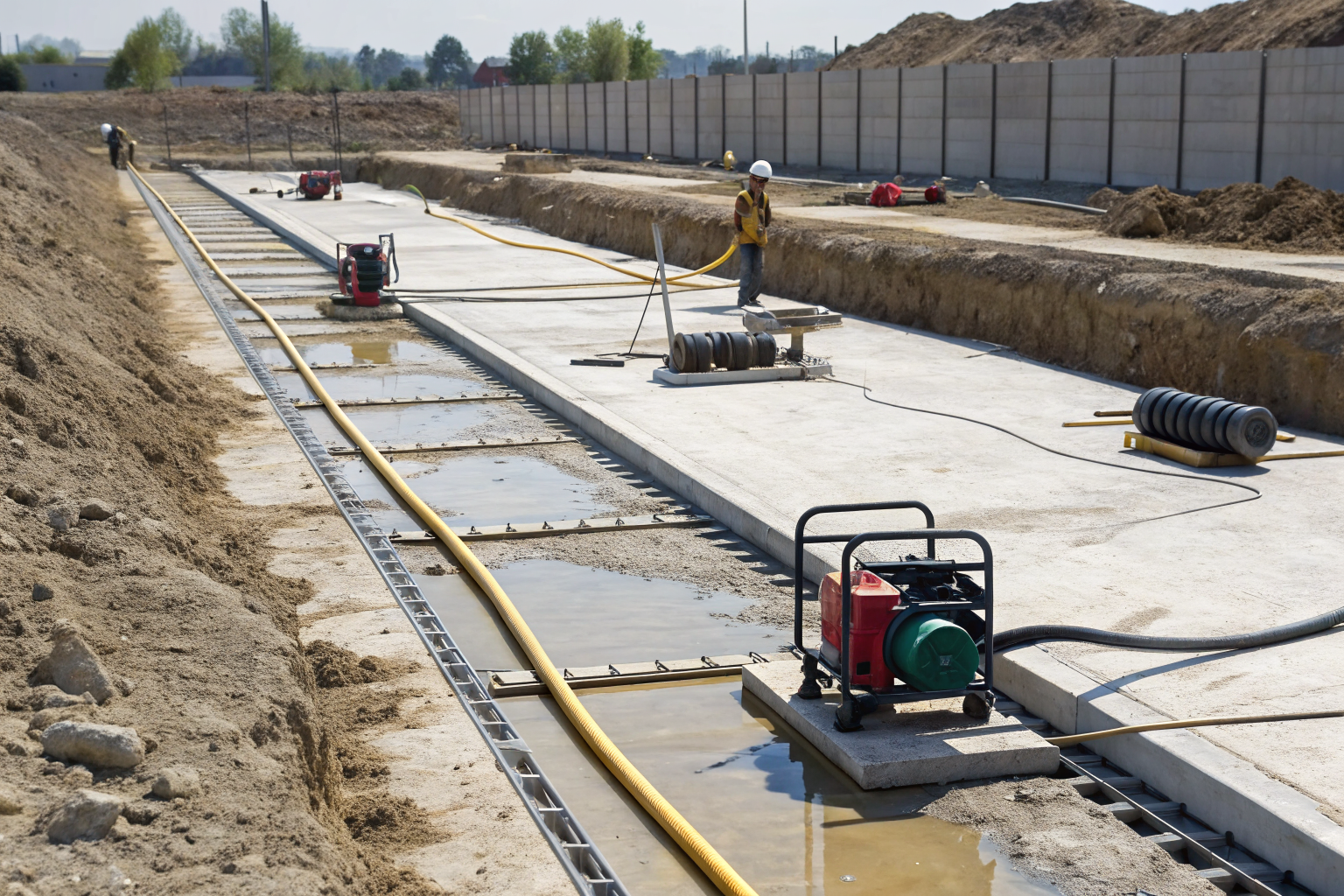
Equipment wash berms contain wash water and chemical runoff during vehicle cleaning operations. The setup process follows these sequential steps:
Step 1: Site Preparation – Level the ground surface and remove sharp objects that could puncture the liner. Install drainage connections if permanent plumbing exists, or position portable pumping equipment for water removal.
Step 2: Berm Deployment – Unfold the flexible berm and position entry ramps. Connect air inflation systems for berms using inflatable sidewalls, or assemble rigid frame components for aluminum systems.
Step 3: Containment Verification – Fill the berm with 2-3 inches of water to test for leaks and verify proper drainage flow. Check that entry ramps support vehicle weight without deflection.
Step 4: Wash Operations – Drive vehicles into position and conduct washing with contained water collection. Monitor sidewall height to prevent overflow during washing operations.
Step 5: Water Removal – Pump contaminated wash water to treatment systems or approved disposal facilities. Clean the berm interior before folding for storage.
Drain connections integrate with existing wash bay plumbing through flexible hose connections or gravity-fed collection sumps. Permanent wash facilities route contained water directly to oil-water separators, while temporary operations require pumping to portable treatment equipment.
Chemical compatibility matters because wash detergents and degreasers can degrade certain liner materials. PVC liners resist petroleum products and most alkaline cleaners but require testing for compatibility with acidic chemicals or strong solvents.
Industrial wash berms contain up to 5,000 gallons of contaminated water during heavy equipment cleaning. This capacity handles wash operations for multiple vehicles before requiring water removal, reducing operational interruptions.
Truck Containment vs. Standard Spill Berms
| Feature | Truck Containment Systems | Standard Equipment Berms |
|---|---|---|
| Load Capacity | 80,000 pounds distributed | 40,000 pounds maximum |
| Sidewall Height | 12-24 inches reinforced | 6-12 inches flexible |
| Entry Design | Drive-through ramps | Walk-in or crane placement |
| Floor Area | 20×40 feet minimum | 10×20 feet typical |
| Setup Time | 15-30 minutes | 5-15 minutes |
| Material Thickness | 40-mil reinforced PVC | 20-mil standard vinyl |
| Chemical Resistance | Enhanced petroleum rating | Basic fluid compatibility |
| Storage Weight | 200-400 pounds | 50-150 pounds |
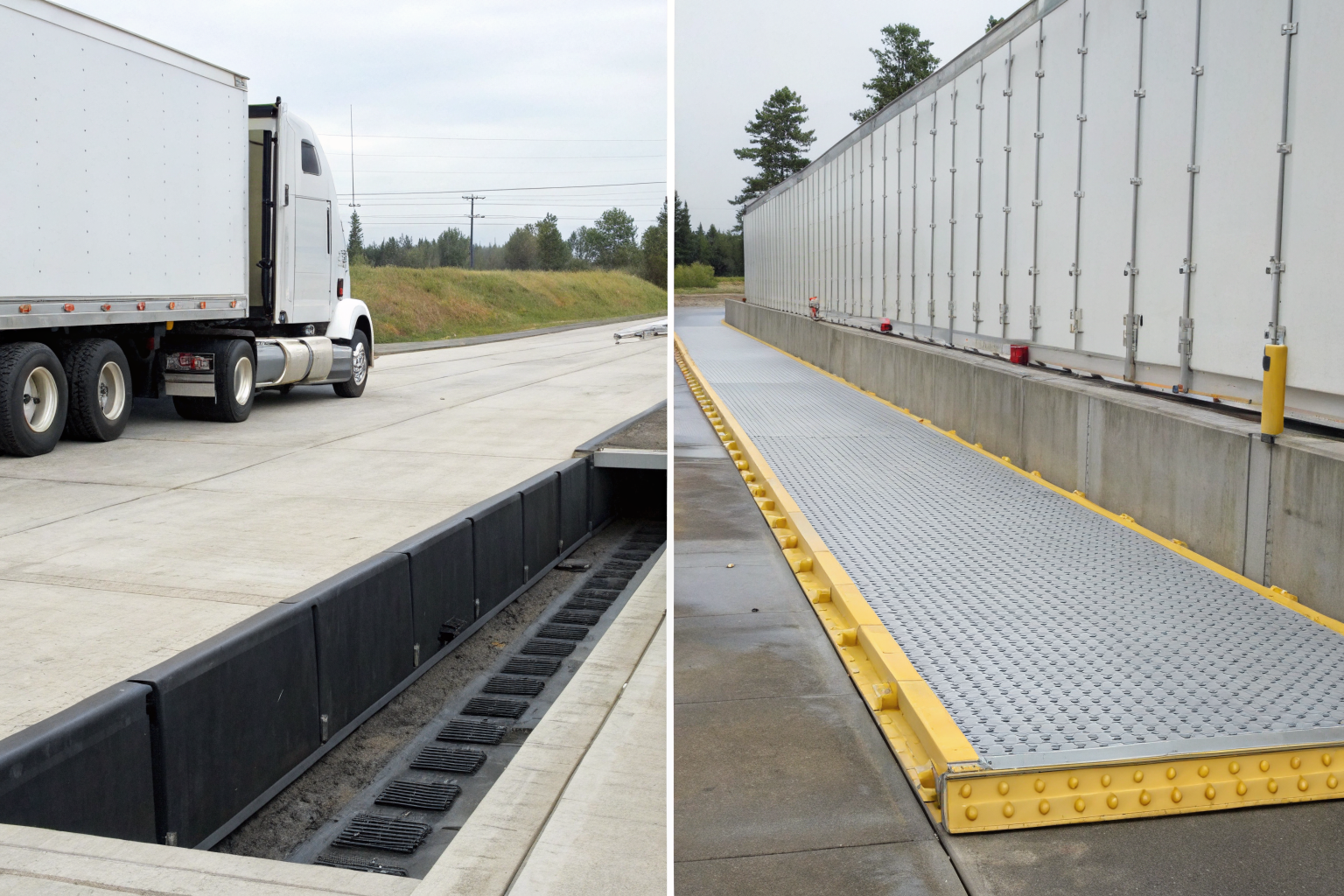
Truck containment systems require reinforced sidewalls and larger capacity to handle loaded commercial vehicles. The reinforced construction uses thicker PVC materials and internal support structures that prevent sidewall collapse under vehicle loading forces.
Vehicle containment berms support 40% more weight than standard equipment berms through distributed loading systems and reinforced floor construction. This additional capacity allows containment of fully loaded delivery trucks, concrete mixers, and other heavy commercial vehicles.
Footprint requirements scale with vehicle size, requiring approximately 50% more floor space than the vehicle’s actual dimensions. Large truck berms need 20×40 foot minimum areas to accommodate turning and positioning, while standard berms handle smaller equipment in 10×20 foot spaces.
Flexible berms offer deployment advantages over permanent containment through reduced setup complexity and storage portability. However, the larger truck systems require more personnel and take longer to deploy than lightweight equipment berms.
EPA Compliance and SPCC Requirements
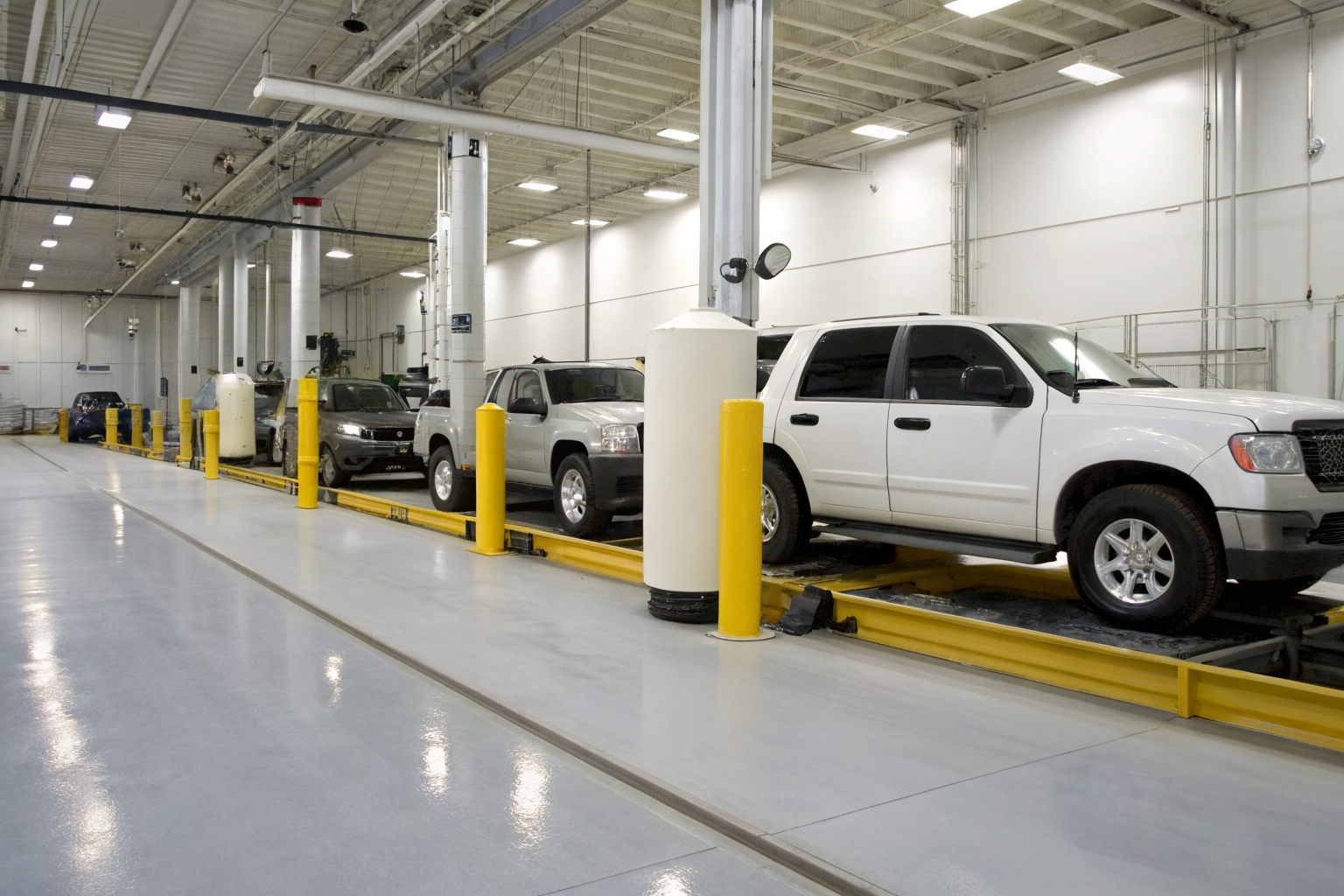
SPCC regulations mandate secondary containment for vehicle maintenance areas when total oil storage capacity exceeds 1,320 gallons. This means facilities with multiple vehicles, hydraulic reservoirs, and fuel storage must provide containment during maintenance operations to prevent environmental contamination.
SPCC plan requirements specify that secondary containment must hold 110% of the largest single container’s capacity. For vehicle maintenance, this includes the largest hydraulic reservoir, fuel tank, or oil capacity being serviced. Drive-in berms satisfy SPCC requirements when properly sized and deployed during maintenance operations.
EPA regulations require containment systems to resist the stored materials and maintain structural integrity during normal operations. Drive-in spill berms meet these requirements through chemical-resistant PVC construction and proper installation procedures.
Inspection protocols mandate regular containment system checks for damage, proper drainage, and capacity verification. SPCC plans must document these inspections and maintain records of containment deployment during vehicle maintenance activities.
Documentation needs include containment capacity calculations, deployment procedures, and maintenance records. Facilities must prove their drive-in berms provide adequate containment volume and remain functional during required operations.
SPCC violations cost an average of $37,500 per incident when spills reach soil or waterways. Drive-in berms prevent these violations by capturing releases before environmental contamination occurs, protecting facilities from regulatory penalties and cleanup costs.
Emergency Response Deployment
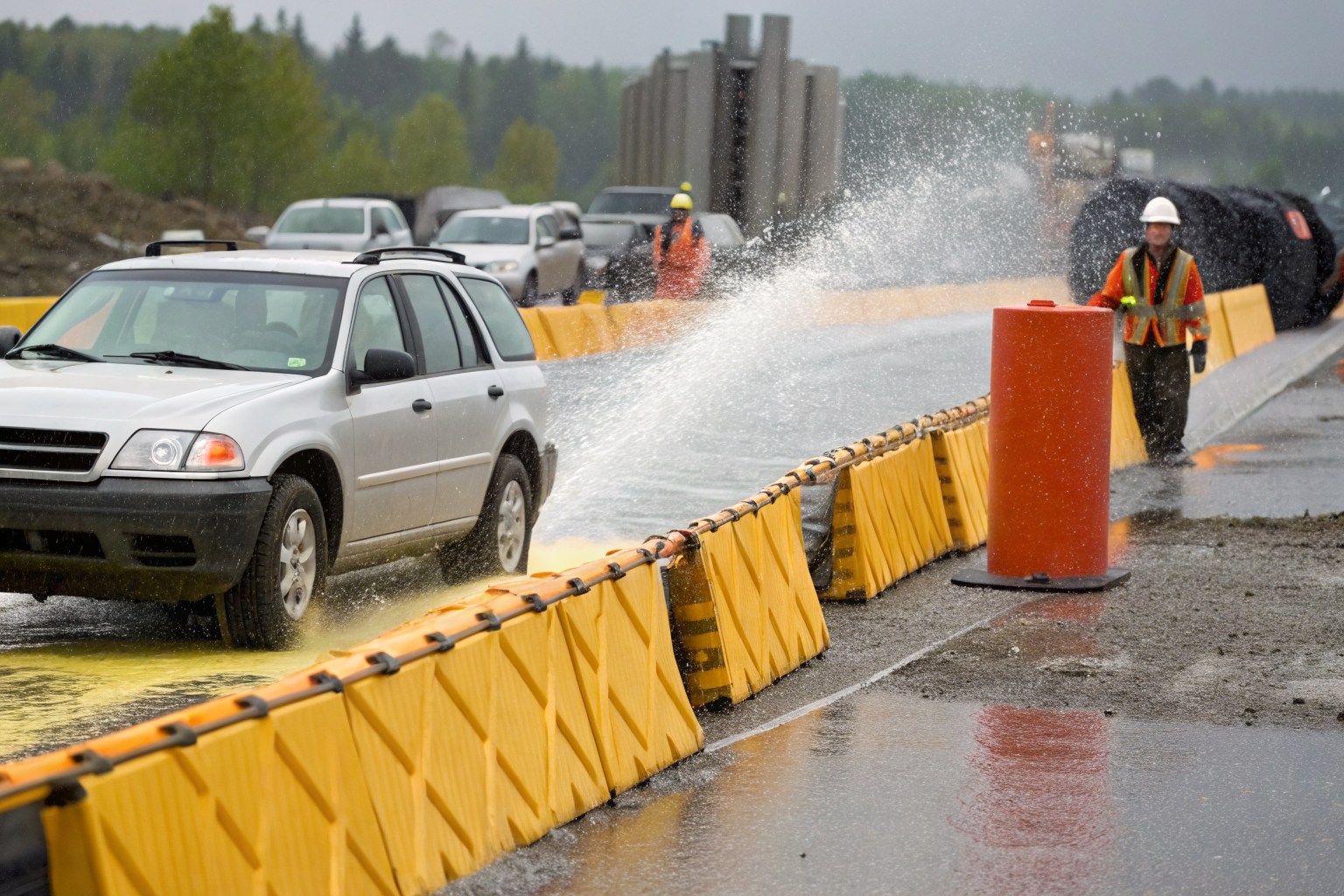
Portable containment systems enable rapid emergency spill response when permanent containment fails or doesn’t exist. Emergency response teams deploy drive-in berms to contain spreading spills from vehicle accidents, equipment failures, or transfer operations gone wrong.
Rapid deployment scenarios require pre-positioned equipment and trained response personnel. Emergency berms store in compact configurations that fit standard response vehicles, allowing transport to incident sites within minutes of spill notification. The portable design eliminates delays associated with constructing temporary containment barriers.
Storage requirements include climate-controlled environments that prevent PVC degradation and maintain flexibility in cold weather. Response teams store folded berms with deployment tools, inflation equipment, and pumping systems in organized kits that speed emergency setup.
Emergency berms deploy 8x faster than permanent containment solutions like concrete barriers or excavated collection areas. This speed advantage prevents spill migration during critical response windows when containment effectiveness determines environmental impact severity.
Response team training covers proper unfolding techniques, entry ramp positioning, and inflation procedures that ensure effective containment under emergency conditions. Teams practice deployment in various weather conditions and terrain types to maintain response capability.
Portable systems integrate with existing emergency plans through pre-designated staging areas, equipment inventories, and response protocols. Emergency coordinators identify likely spill scenarios and pre-position appropriate berm sizes for rapid deployment when incidents occur.