
Modular IBC Containment: 7 Expandable Systems for Growing Operations
Modular IBC containment systems reduce expansion costs by 40-60% compared to fixed installations while maintaining EPA compliance. Growing operations need containment that scales without complete infrastructure replacement.
Key Takeaways:
• Modular systems start at 2-tote capacity and expand to 50+ units without relocating existing infrastructure
• Expandable designs reduce per-unit containment costs by 30% when scaling beyond 10 IBCs
• 7 system types offer different expansion ratios, from 2:1 linear growth to 4:1 grid configurations
What Makes IBC Containment Systems Truly Modular?
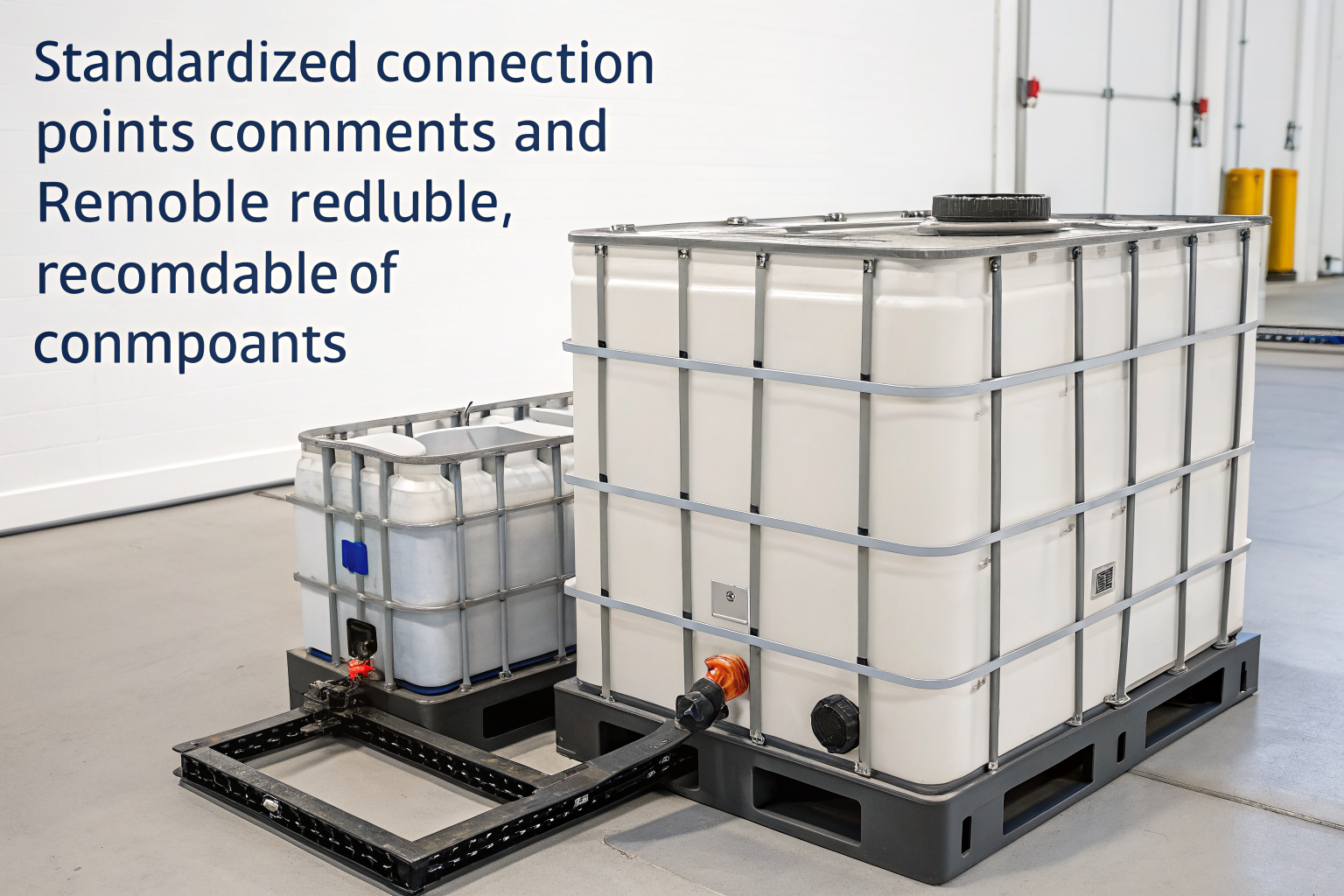
Modular design enables system flexibility through standardized connection points and removable components. True modularity means you can add containment capacity without rebuilding existing infrastructure. This differs fundamentally from fixed systems that require complete replacement when capacity needs change.
IBC Systems built with modular architecture use standardized connection points every 8-12 feet for seamless expansion. The connection mechanisms include bolt-together flanges, interlocking panels, or snap-fit assemblies that maintain structural integrity while allowing reconfiguration. System flexibility comes from interchangeable components that work across different installation sizes.
Fixed systems lock you into a specific capacity forever. Modular systems adapt to changing storage requirements. The key design principle is component standardization — every piece must work with every other piece regardless of installation size. This means uniform wall heights, consistent connection interfaces, and compatible drainage systems across all modules.
Expansion mechanisms vary by manufacturer but follow similar principles. Linear expansion adds modules in straight lines. Grid expansion adds modules in multiple directions. Vertical expansion stacks modules for higher density. The best modular systems support all three expansion types without structural modifications to existing components.
How Do Expandable Systems Handle Growing Storage Demands?
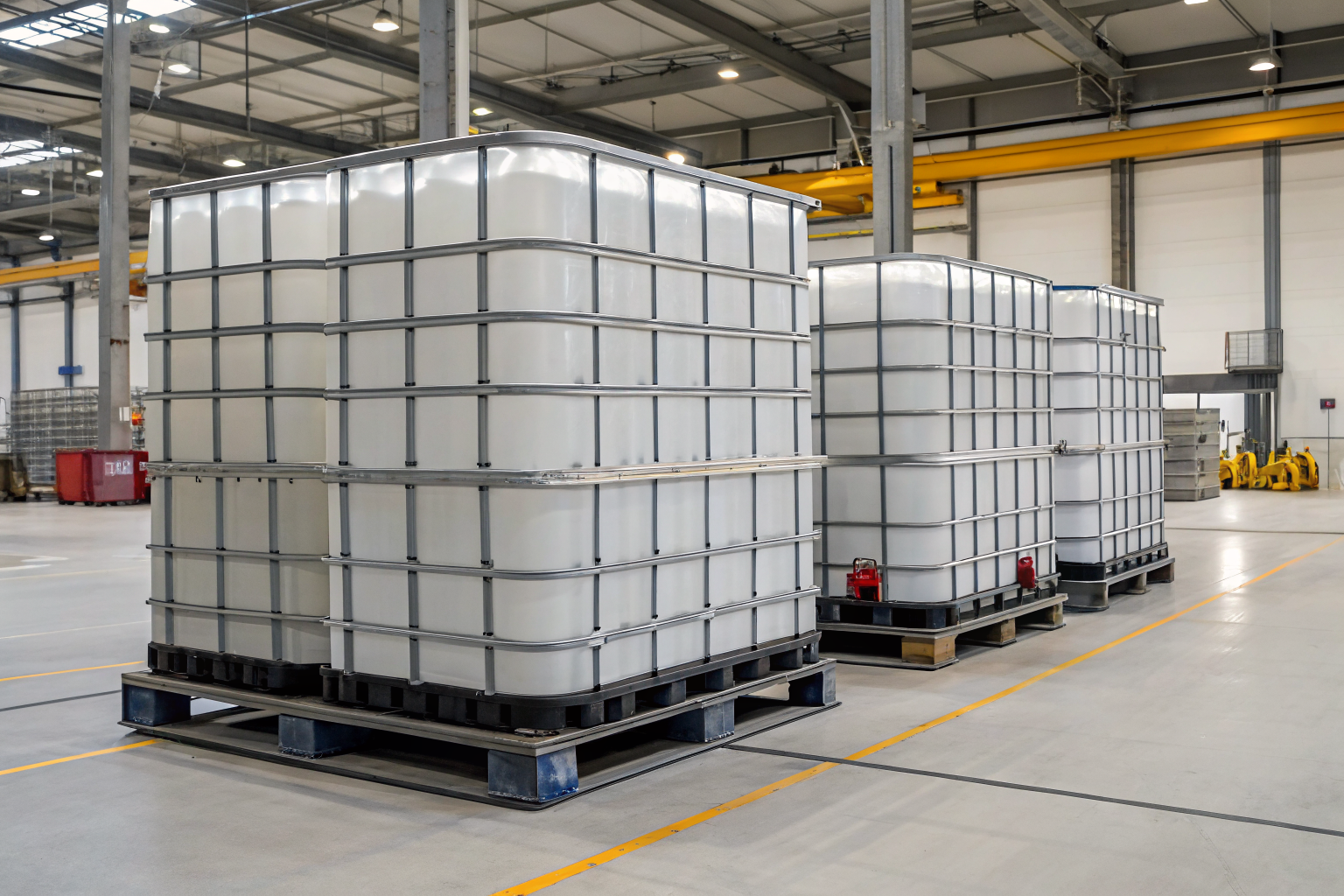
Expandability supports scalable solutions by allowing capacity increases without system replacement. Operations face predictable growth patterns that fixed containment cannot accommodate efficiently. Bulk Containment requirements change as businesses expand, seasonal demands fluctuate, or new product lines emerge.
Operations typically expand containment when reaching 75% of current capacity to maintain operational buffer. This triggers capacity planning decisions that determine expansion timing and scale. Scalable solutions respond to these triggers without disrupting existing storage operations. The expansion process adds modules during scheduled maintenance windows rather than requiring extended shutdowns.
Scaling challenges include space constraints, utility access, and regulatory compliance during expansion phases. Expandable systems address these by maintaining structural independence between modules. New modules connect to existing infrastructure without weakening or modifying the original installation. This means expansion projects complete faster with less operational disruption.
Capacity planning becomes easier with modular systems because expansion costs are predictable and linear. Fixed systems create all-or-nothing decisions where you either accept capacity limits or replace everything. Modular systems let you add exactly the capacity needed when needed. This eliminates the waste of over-building initial installations or the risk of under-estimating future requirements.
Expansion decision points typically occur at 75% capacity utilization, during facility relocations, when adding new product lines, or when regulatory requirements change. Modular systems respond to all these triggers efficiently.
Steel Modular Systems: Maximum Durability for Heavy Operations
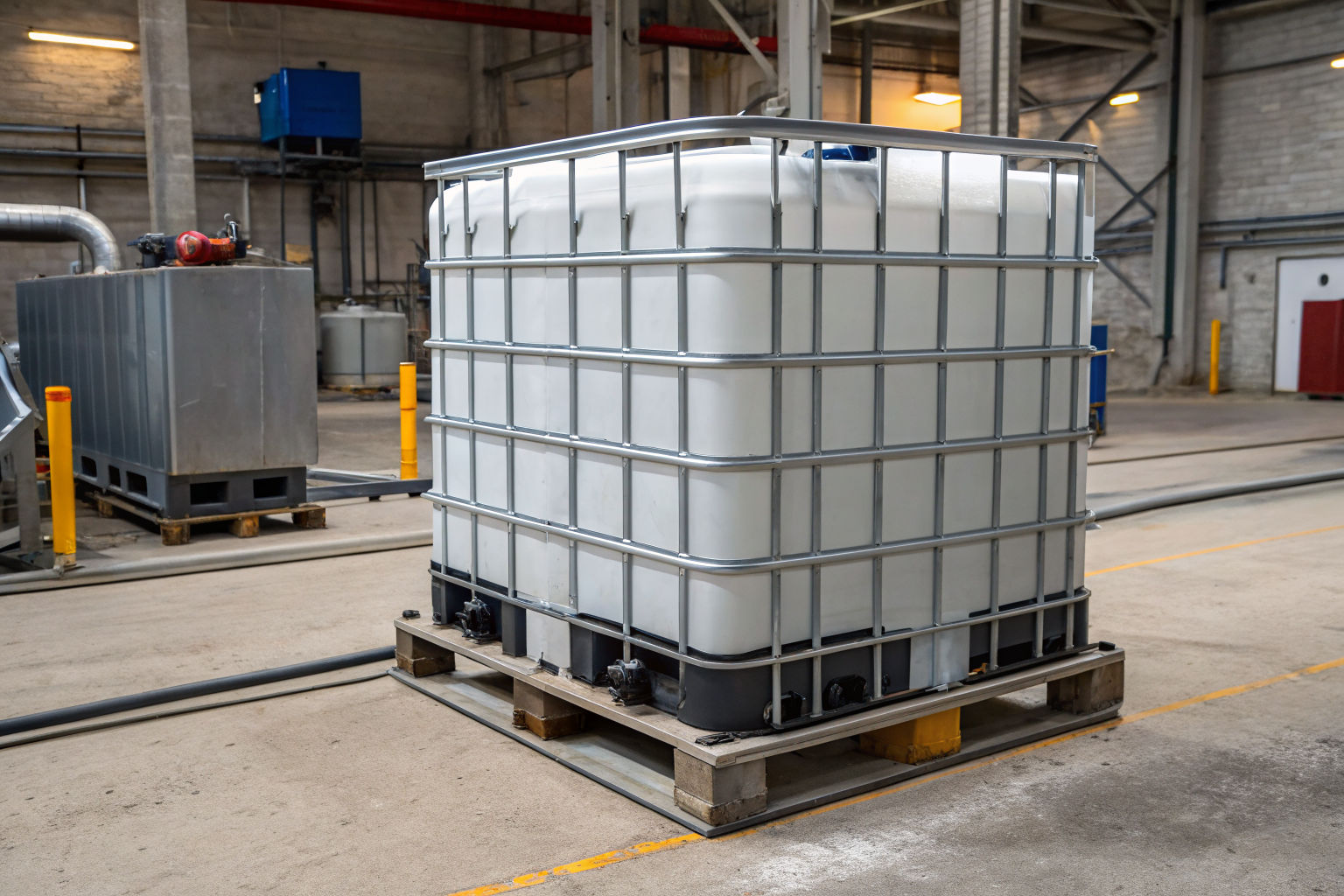
Steel systems provide maximum durability for industrial applications requiring heavy-duty containment. IBC Storage in manufacturing, chemical processing, and oil handling operations demands containment that withstands repeated loading cycles and harsh environmental conditions. Steel modular design combines structural strength with expansion flexibility.
Steel modular systems support 2,000-3,000 lbs per tote position with 110% containment capacity. This weight capacity exceeds most industrial requirements while maintaining safety margins for dynamic loading. The steel construction handles forklift impacts, ground settlement, and thermal expansion without structural failure. Secondary Containment walls maintain integrity even under maximum loading conditions.
Expansion methods for steel systems use bolted connections that match the strength of welded joints. Flanged connections with gasket seals maintain containment integrity across module boundaries. The expansion process requires basic tools and can be completed during normal maintenance windows. Steel modules interlock mechanically without requiring specialized welding or fabrication skills.
Typical applications include petroleum storage facilities, chemical manufacturing plants, automotive assembly operations, and food processing facilities. These environments demand containment that resists corrosion, handles heavy equipment traffic, and maintains structural stability over decades of service. Steel modular systems deliver this durability while preserving expansion options.
Construction quality varies significantly between manufacturers. Look for systems using 12-gauge or heavier steel with hot-dip galvanizing or powder coating. Cheaper systems use thin steel that fails under repeated loading or corrodes rapidly in industrial environments.
Polyethylene Modular Systems: Chemical Resistance and Flexibility
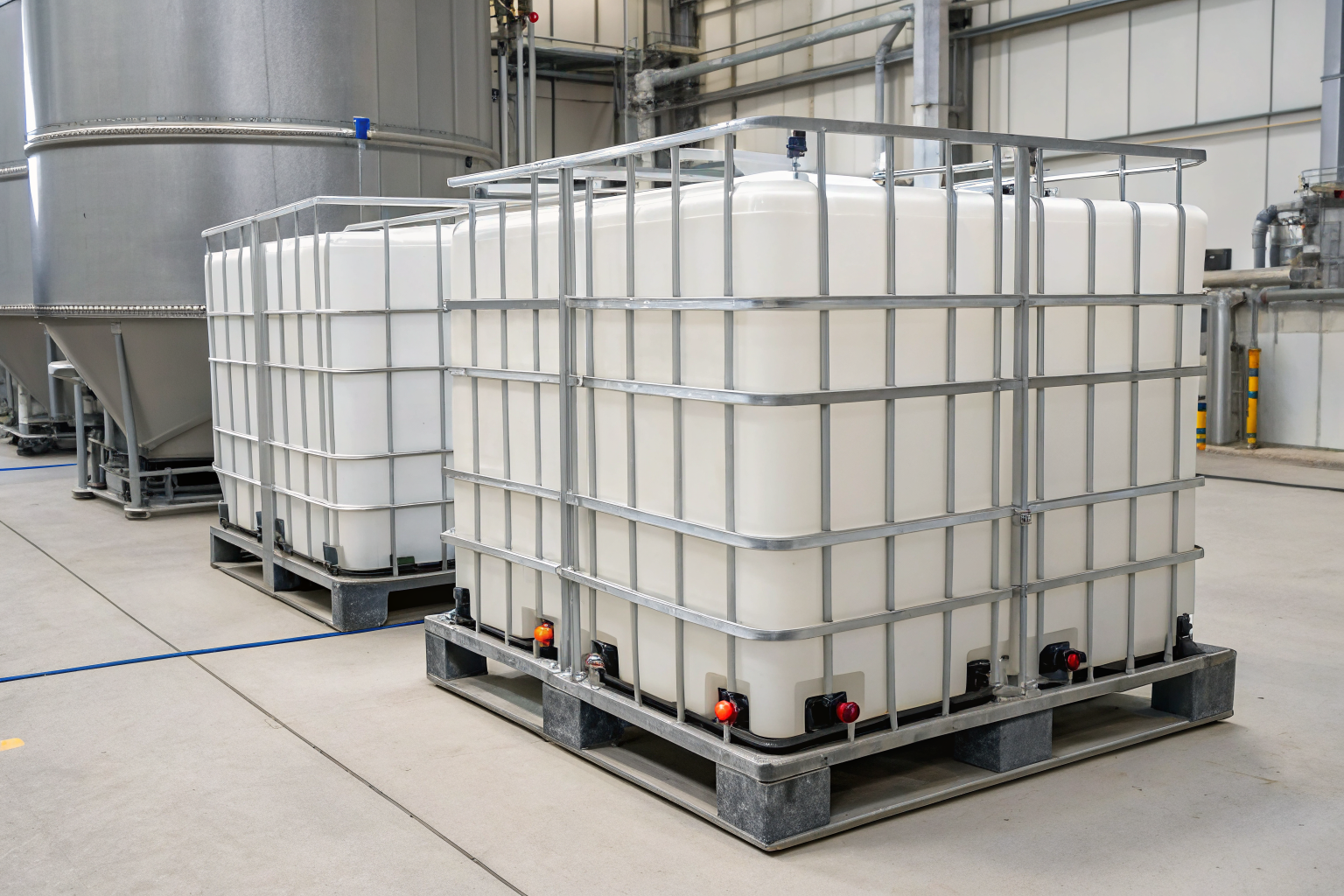
Polyethylene systems resist chemical corrosion while offering superior installation flexibility. Tote Containers containing aggressive chemicals require containment materials that won’t degrade over time. High-density polyethylene provides this resistance while remaining lighter and easier to reconfigure than steel alternatives.
High-density polyethylene systems resist 85% of common industrial chemicals without degradation. This includes acids, bases, solvents, and oxidizing agents that rapidly corrode steel containment. The chemical resistance eliminates the need for expensive coatings or liners that add cost and maintenance requirements. System flexibility benefits from polyethylene’s lighter weight and simpler connection methods.
Spill Prevention capabilities remain excellent with polyethylene systems despite the lighter construction. Modern polyethylene containment uses structural design rather than material thickness to achieve required strength. Ribbed wall patterns and integrated reinforcement provide structural stability while maintaining chemical compatibility. The lighter weight simplifies expansion projects and reduces foundation requirements.
Cost considerations favor polyethylene for smaller installations and chemical-intensive applications. Initial purchase costs run 20-30% less than comparable steel systems. Maintenance costs drop significantly due to chemical resistance and lighter handling requirements. However, polyethylene systems have lower impact resistance and shorter lifespans in high-traffic areas.
Reconfiguration advantages make polyethylene ideal for operations with changing layouts or temporary installations. The lighter modules move easily with basic equipment. Connection methods use mechanical fasteners rather than welded joints, allowing repeated reconfiguration without degradation. This flexibility supports seasonal operations, pilot projects, and facilities with evolving space requirements.
Modular vs Fixed Containment: Cost Analysis for Expansion
Modular systems reduce expansion costs through scalable design that eliminates infrastructure replacement. The cost comparison depends on installation size, expansion frequency, and operational requirements. SPCC Plan compliance costs remain similar between system types, but expansion economics favor modular designs for growing operations.
| Capacity (Totes) | Fixed System Cost | Modular System Cost | Modular Advantage |
|---|---|---|---|
| 2-4 units | $8,000-12,000 | $9,500-14,000 | -15% higher |
| 6-8 units | $18,000-24,000 | $18,000-24,000 | Cost parity |
| 10-15 units | $32,000-42,000 | $28,000-36,000 | 12% savings |
| 20-30 units | $58,000-75,000 | $45,000-58,000 | 22% savings |
| 40+ units | $95,000-120,000 | $70,000-90,000 | 26% savings |
Modular systems achieve cost parity with fixed systems at 6-8 tote installations, with 25% savings beyond 12 totes. The breakeven point reflects higher per-unit costs for small modular systems offset by elimination of replacement costs during expansion. Fixed systems require complete replacement when capacity needs exceed original design.
ROI breakeven points depend on expansion frequency and timing. Operations expanding within 3-5 years typically recover modular premium costs through avoided replacement expenses. Hidden costs of fixed systems include demolition, disposal, extended downtime, and permit reprocessing for new installations. Modular systems eliminate these costs through in-place expansion.
Scaling economics improve dramatically with modular systems because expansion costs remain linear while fixed system replacement costs grow exponentially. This means larger operations see greater cost advantages from modular designs. The cost analysis should include expansion probability, timing uncertainty, and operational disruption costs to accurately compare alternatives.
EPA Compliance: Do Modular Systems Meet SPCC Requirements?
Modular systems comply with EPA Regulations when properly designed and installed according to SPCC Plan specifications. The regulatory framework treats modular and fixed systems identically for compliance purposes. Secondary Containment requirements apply equally regardless of system architecture, focusing on containment capacity and structural integrity rather than construction methods.
Modular systems must maintain 110% containment capacity during all expansion phases per 40 CFR 112.8. This requirement creates design challenges because expansion work cannot compromise existing containment integrity. Proper modular design addresses this through independent module containment and sealed connections that maintain isolation during construction. Each module provides complete containment independently.
Documentation requirements during expansion include updated SPCC Plans reflecting new capacity and configuration. The plan amendments must demonstrate continued compliance with containment volume calculations, inspection access, and emergency response procedures. Modular systems simplify this documentation because expansion follows predictable patterns with known capacity increments.
Inspection considerations favor modular systems in many cases because component accessibility improves with standardized connections and removable panels. Visual inspections can examine connection integrity, gasket condition, and structural stability more easily than with monolithic fixed systems. However, the increased number of connections creates more potential failure points requiring inspection attention.
Regulatory compliance verification requires engineering calculations demonstrating adequate containment volume for maximum storage capacity. Modular systems must provide these calculations for each expansion phase, proving that intermediate configurations maintain compliance. This differs from fixed systems that require single compliance demonstration for final configuration only.
Permit modifications may be required for significant capacity expansions regardless of system type. However, modular systems often qualify for administrative permit modifications rather than full permit amendments because the fundamental containment approach remains unchanged.
Installation and Expansion: Planning Your Modular System Growth

Planning process ensures successful expansion by addressing site preparation, utility access, and regulatory requirements before installation begins. Oil Storage and Bulk Containment operations require systematic approaches to capacity planning that account for operational growth, regulatory changes, and site constraints. IBC Systems planning must balance current needs with future expansion possibilities.
Proper site preparation requires 20% additional space allocation beyond maximum planned capacity for access and utilities. This extra space accommodates construction equipment during expansion phases, utility routing between modules, and inspection access around the completed installation. Inadequate space planning forces expensive workarounds during later expansion projects.
Site preparation steps begin with soil analysis and load-bearing calculations for maximum planned capacity. The foundation system must support full buildout loads even if initial installation uses partial capacity. Utility rough-in should include spare capacity for future modules, including electrical service, drainage connections, and monitoring system conduits. This prevents expensive utility upgrades during expansion phases.
Expansion sequencing follows logical patterns that maintain operational access throughout construction. Linear expansion typically proceeds from one end to minimize disruption. Grid expansion works outward from initial installation corners. The sequencing plan must maintain containment compliance and operational access during all construction phases.
Utility planning addresses power requirements for monitoring systems, lighting, and auxiliary equipment across all expansion phases. Drainage systems need adequate capacity and proper slopes for maximum buildout configuration. Communication systems for leak detection and monitoring must reach all planned module locations with reliable signal strength.
Space allocation guidelines recommend 25% additional area beyond containment footprint for maintenance access, emergency response, and expansion construction. This includes forklift operating clearances, emergency equipment staging areas, and inspection walkways. Cramped installations create safety hazards and operational inefficiencies that persist throughout system life.
Future growth planning should consider regulatory changes, operational expansions, and technology upgrades over 15-20 year system lifespans. Modular systems excel at adapting to these changes when proper planning establishes adequate space and infrastructure capacity from initial installation.