
Oil Transfer Containment: 4 Best Practices for Spill Prevention
Oil transfer spills cost operators an average of $47,000 per incident in cleanup and regulatory penalties, making proper oil transfer containment the difference between profit and disaster.
Key Takeaways:
- Secondary containment must hold 110% of the largest container’s capacity under EPA regulations
- Loading rack systems prevent 89% of transfer-related spills when properly configured with automatic shutoffs
- Mobile refueler operations require portable containment berms rated for 150% of tank capacity
What Makes Oil Transfer Containment Systems EPA-Compliant?
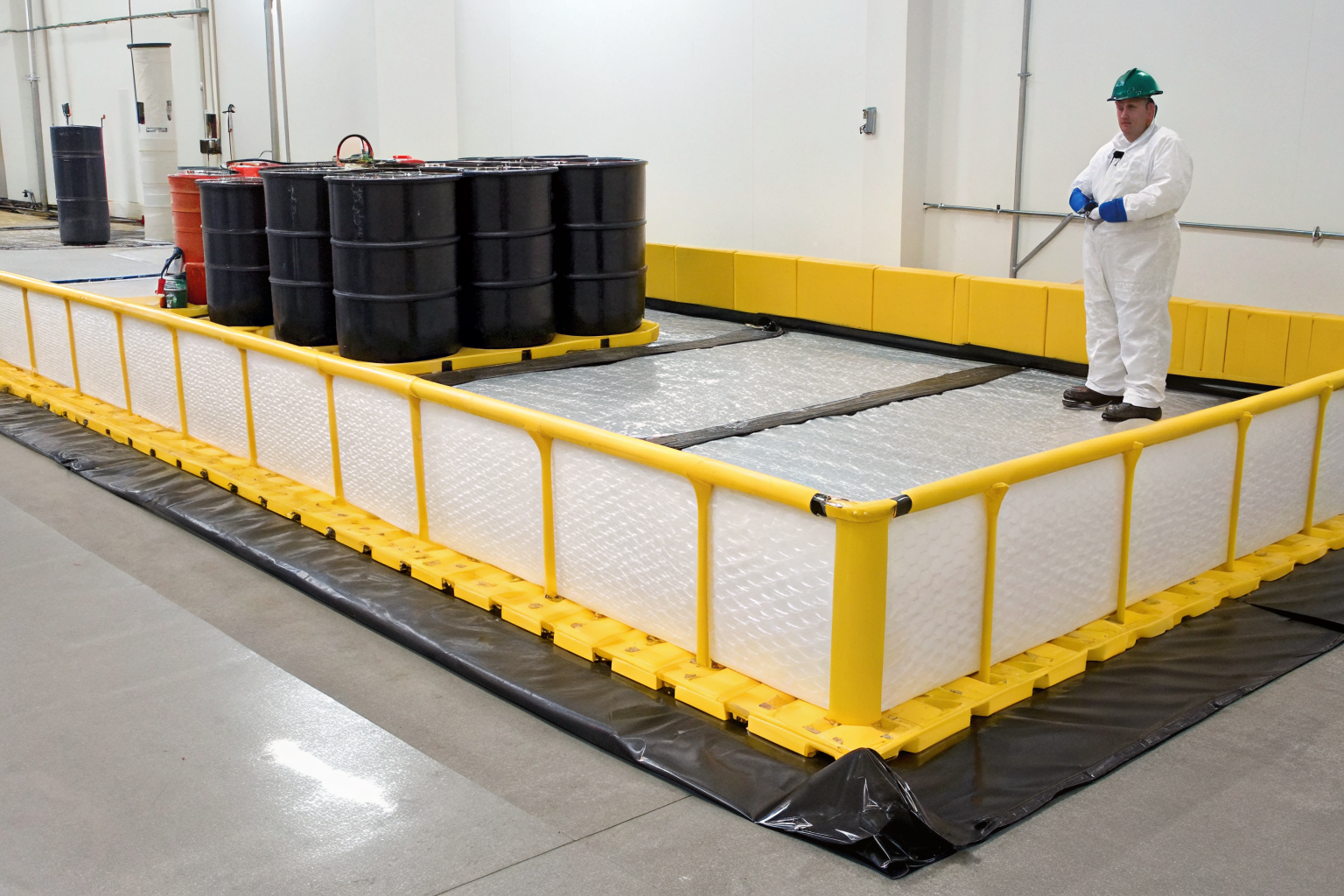
Secondary containment is a physical barrier system designed to capture and hold spilled petroleum products during transfer operations. This means every oil handling facility must engineer backup systems that prevent environmental contamination when primary containers fail. EPA regulations define the minimum standards that separate legal operations from costly violations.
EPA regulations require secondary containment systems to hold 110% of the largest container’s capacity within the containment area. This 10% buffer accounts for precipitation and operational variances during normal use. The regulatory framework stems from the Spill Prevention, Control, and Countermeasure (SPCC) rule under the Clean Water Act, which applies to facilities storing more than 1,320 gallons of oil above ground.
SPCC plans integrate secondary containment specifications as a core compliance element. Facilities must document containment capacity calculations, inspection schedules, and maintenance procedures within their SPCC documentation. The plan requires professional engineer certification for facilities with storage capacity exceeding 10,000 gallons, adding technical oversight to containment design decisions.
Inspection frequency mandates vary by containment type and facility risk profile. Above-ground storage tanks require monthly visual inspections of containment integrity, while loading areas need weekly assessments during active transfer periods. EPA violations for inadequate secondary containment average $37,500 in penalties, not including cleanup costs or operational downtime.
Regulatory compliance extends beyond simple capacity calculations. Containment systems must demonstrate structural integrity under environmental conditions, proper drainage to prevent water accumulation, and compatibility with stored petroleum products. These requirements create engineering standards that protect both environmental resources and business continuity.
Loading Rack Configuration: Engineering Spill-Proof Transfer Points
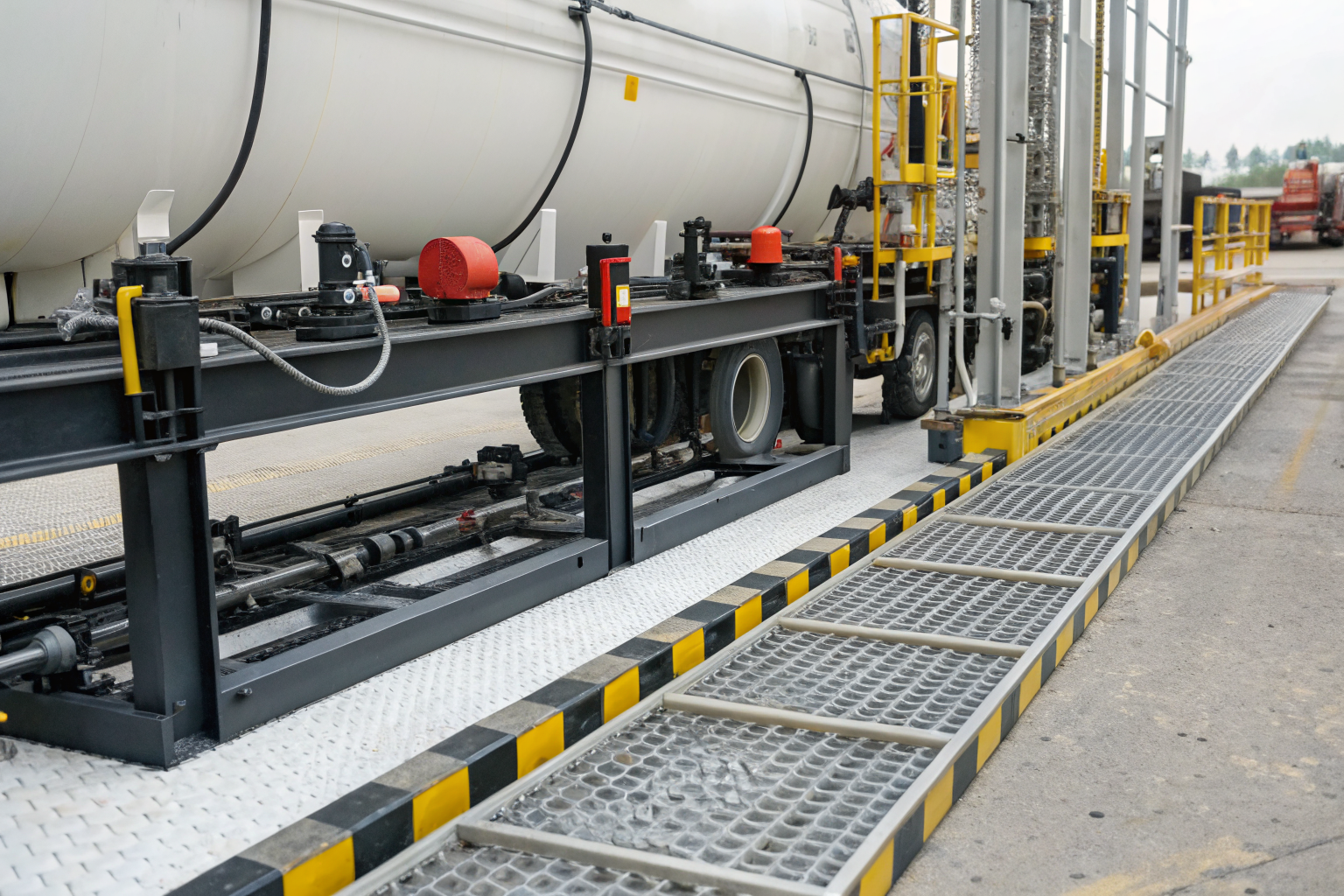
Loading rack systems prevent fuel transfer spills through engineered physical barriers and automated safety controls. EPA data shows loading racks with automated controls reduce spill incidents by 89% compared to manual systems, making proper configuration essential for regulatory compliance and cost control.
First, install primary containment curbing around the entire loading area. The curbing must extend at least 6 inches above the loading surface and direct spilled product toward collection points. Concrete construction provides the most durable option, with properly sealed joints preventing petroleum penetration into subsurface materials.
Second, position automatic shutoff systems at multiple control points throughout the transfer process. Install emergency stops within 75 feet of loading positions, accessible to both vehicle operators and facility personnel. Configure automatic shutoffs to activate when loading arms disconnect unexpectedly or when flow rates exceed preset parameters.
Third, implement overfill prevention through multiple sensing technologies. Primary sensors monitor tank levels in receiving vehicles, while secondary systems detect product overflow in containment areas. Redundant sensing prevents single-point failures that cause major spill incidents during unattended operations.
Fourth, establish grounding protocols that eliminate static electricity buildup during product transfer. Install permanent grounding points for each loading position, with visual indicators confirming proper electrical connection. Static discharge ignition represents the primary fire hazard during petroleum loading operations.
Fifth, configure loading arm positioning to minimize operator exposure and transfer distance. Arms should extend no more than 25 feet from permanent piping, with counterweight systems supporting full extension without manual assistance. Proper positioning reduces connection stress that leads to fitting failures and subsequent spills.
Vehicle safety protocols require standardized positioning guides that ensure consistent truck placement relative to loading equipment. Paint permanent alignment markers on loading surfaces, with wheel guides that prevent vehicles from overrunning containment boundaries during positioning maneuvers.
How Do Mobile Refueler Operations Maintain Containment Standards?
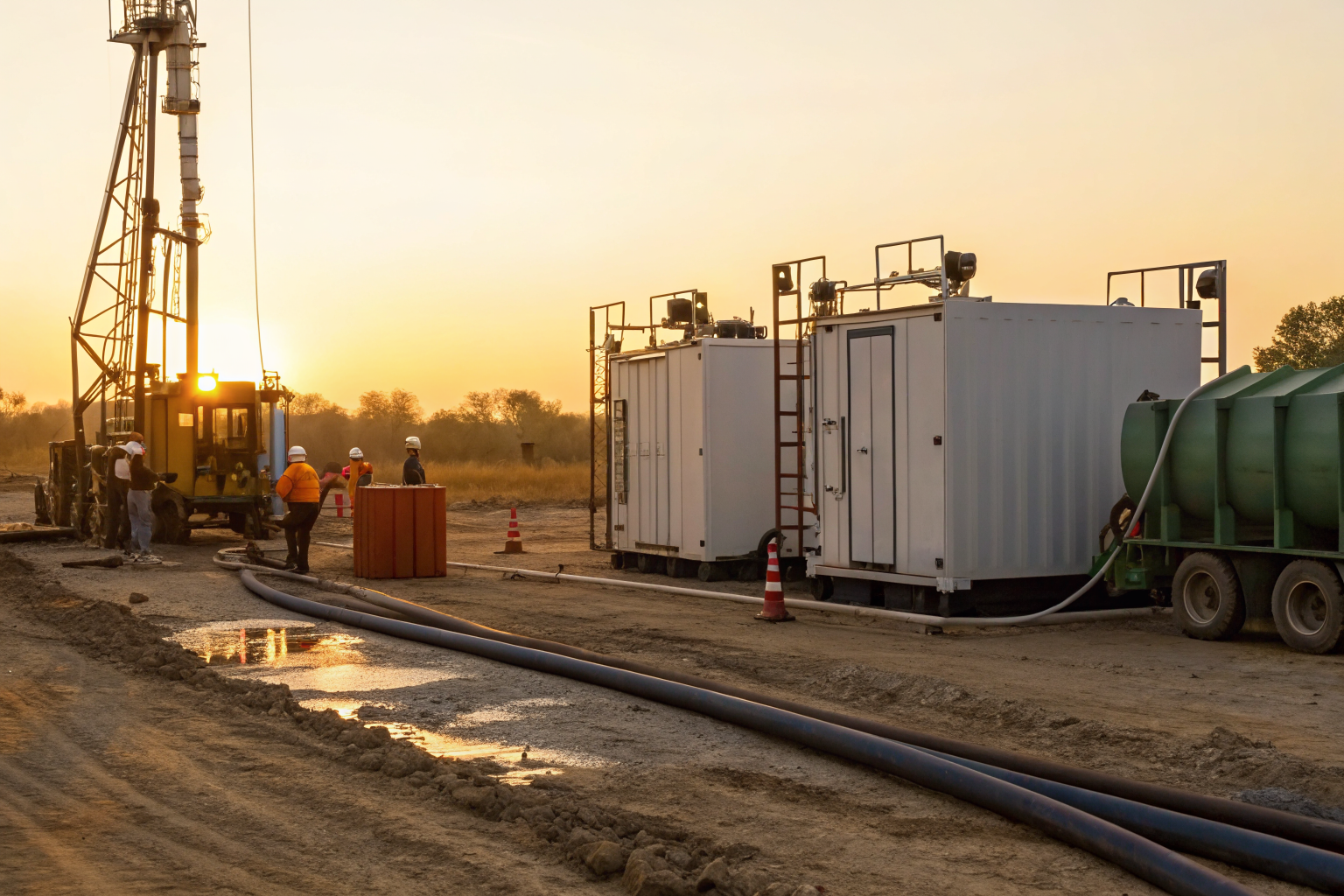
Mobile refueler operations require portable containment systems because traditional fixed infrastructure cannot follow equipment to remote work sites. This creates unique challenges for maintaining environmental compliance while delivering fuel to construction sites, mining operations, and agricultural facilities operating beyond permanent infrastructure.
Portable containment solutions center around flexible berms engineered to contain spills during transfer operations. These systems deploy rapidly around mobile refueling equipment, creating temporary secondary containment that meets regulatory capacity requirements. Quality berms use reinforced PVC or polyurethane materials resistant to petroleum degradation.
Capacity calculations for mobile units follow the same 110% rule as permanent installations, but require additional considerations for equipment mobility. DOT guidelines specify that mobile operations require containment berms rated for 150% of tank capacity to account for dynamic loading during vehicle positioning and transfer operations. This higher standard reflects the increased spill risk from mobile equipment.
Positioning requirements demand level surfaces free from sharp objects that could puncture portable containment materials. Operators must survey each refueling location before deploying containment systems, removing debris and filling depressions that could stress berm walls. Proper site preparation prevents containment failures that expose operators to regulatory penalties.
Weather considerations affect portable containment deployment and effectiveness. Rain, snow, and freezing temperatures change material properties and create additional challenges for maintaining containment integrity. Operations in adverse weather require enhanced inspection protocols and may necessitate postponing fuel transfers until conditions improve.
Cleanup equipment travels with mobile refueling operations to address spills immediately when they occur. Vehicle safety protocols require absorbent materials, containment repair kits, and emergency communication equipment on every mobile unit. Environmental compliance depends on rapid response capabilities that prevent minor spills from becoming major environmental incidents.
Mobile refueler positioning within containment areas requires clearance calculations that account for vehicle dimensions and transfer equipment reach. Standard practice maintains 3-foot minimum clearance between vehicle edges and containment walls to prevent accidental breaches during positioning maneuvers.
Tank Storage Area Design: Building Permanent Containment Infrastructure
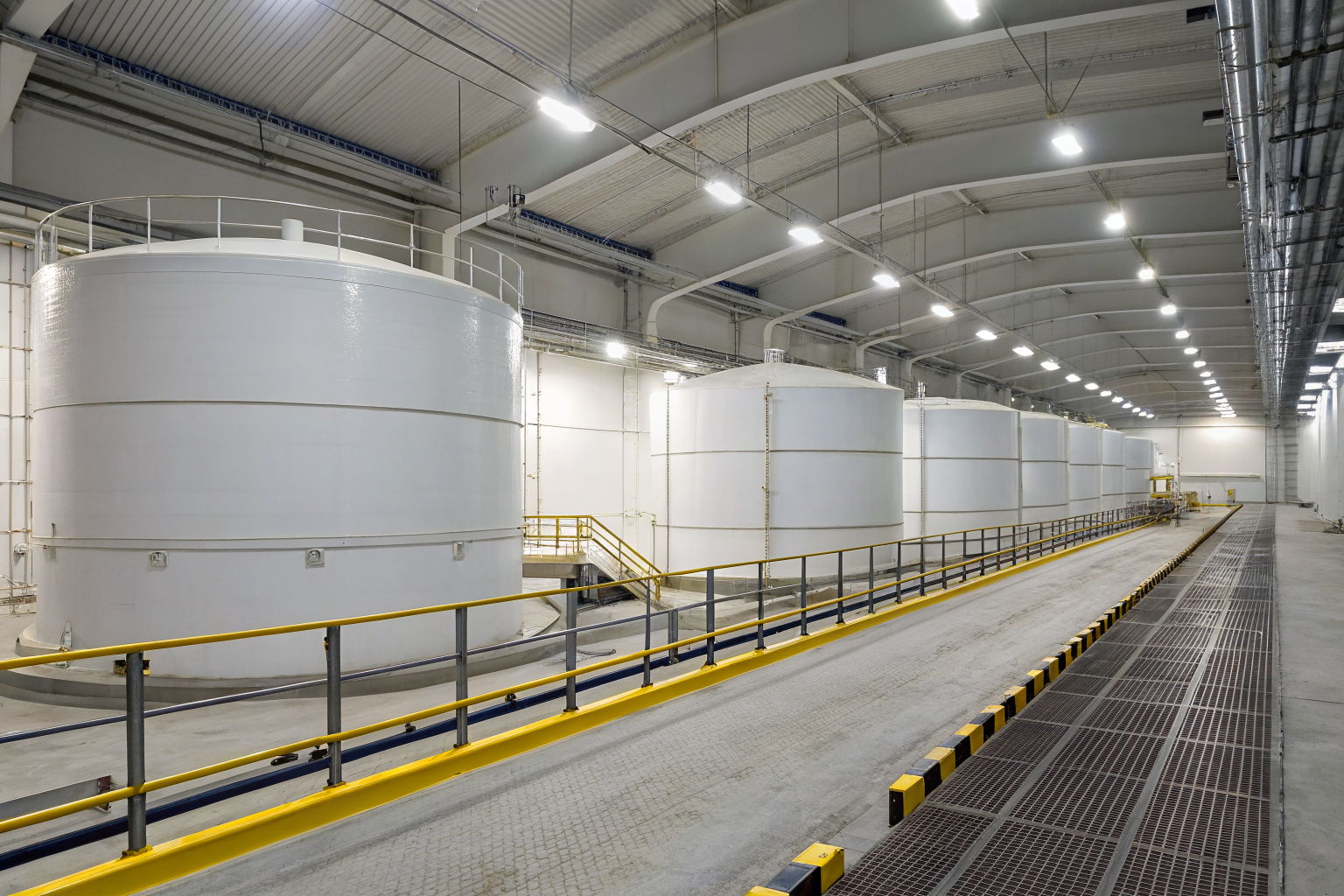
Tank storage areas incorporate secondary containment design as the foundation for long-term environmental protection and regulatory compliance. Permanent containment infrastructure requires engineering decisions that balance initial construction costs against decades of operational reliability and maintenance requirements.
| Containment Type | Material Cost | Lifespan | Maintenance Frequency | Installation Time |
|---|---|---|---|---|
| Concrete | $45-65/sq ft | 25+ years | Annual inspection | 14-21 days |
| Steel Liner | $25-35/sq ft | 15-20 years | Bi-annual coating | 7-10 days |
| Composite | $35-50/sq ft | 20-25 years | 18-month inspection | 10-14 days |
| Earthen Berm | $15-25/sq ft | 10-15 years | Monthly grading | 3-5 days |
Concrete containment systems provide the longest service life at 25+ years versus 7-10 years for basic steel alternatives. The higher initial investment delivers superior chemical resistance and structural integrity under freeze-thaw cycling. Properly designed concrete systems require minimal maintenance beyond annual crack inspections and joint resealing.
Drainage systems within permanent containment areas must remove accumulated water while preventing petroleum product discharge. Install manually operated valves that remain closed during normal operations, opening only for supervised water removal after visual confirmation of no petroleum contamination. Automatic drainage systems violate EPA requirements for controlled discharge.
Access requirements for tank storage areas include vehicle pathways that support emergency response equipment and routine maintenance activities. Design roadways with 20-foot minimum width to accommodate fire department access, with turning radii appropriate for emergency vehicles. Poor access design creates liability exposure during emergency response situations.
Material specifications for permanent containment must demonstrate compatibility with stored petroleum products over the design lifespan. Chemical resistance testing validates that containment materials will not degrade when exposed to gasoline, diesel, or heating oil. Environmental compliance requires documentation of material compatibility from independent testing laboratories.
Maintenance protocols for permanent containment infrastructure include scheduled inspections, preventive repairs, and performance testing. Monthly visual inspections identify cracks, settling, or other structural issues before they compromise containment integrity. Annual integrity testing verifies that containment capacity meets regulatory requirements despite normal wear and settling.
What Transfer Procedures Prevent Human Error During Oil Handling?

Transfer procedures reduce operational safety risks by standardizing human actions during oil handling operations. EPA incident reports identify human error as the cause of 73% of transfer-related spills, making procedural controls the most effective prevention strategy for reducing environmental incidents and regulatory violations.
First, conduct pre-transfer equipment inspection covering all mechanical components involved in the transfer operation. Check hose conditions for cuts, kinks, or deterioration that could cause failure under pressure. Verify connection integrity at all coupling points, ensuring proper gasket seating and thread engagement. Test emergency shutoff systems to confirm proper operation before initiating product flow.
Second, verify containment system readiness through visual inspection and capacity confirmation. Check that secondary containment areas are clear of debris, standing water, or other materials that could reduce effective capacity. Confirm that portable containment systems are properly deployed and positioned relative to transfer equipment. Document containment capacity calculations for regulatory compliance.
Third, establish communication protocols between all personnel involved in transfer operations. Assign specific roles for equipment operators, spotters, and supervisors, with clear authority structures for stopping operations when safety concerns arise. Use standardized hand signals or radio communication systems to maintain contact throughout the transfer process, particularly during vehicle positioning and connection procedures.
Fourth, implement operator training requirements that address both technical skills and regulatory knowledge. Training programs must cover equipment operation, emergency response procedures, and environmental compliance requirements. Operators need hands-on experience with shutoff systems, spill response equipment, and documentation procedures. Annual refresher training keeps skills current as equipment and regulations evolve.
Fifth, execute emergency response procedures through regular drills that simulate spill scenarios. Practice immediate containment actions, notification procedures, and cleanup protocols under realistic conditions. Emergency response effectiveness depends on automatic reactions developed through repetitive training rather than written procedures consulted during crisis situations.
Documentation standards require written records of all transfer operations, including pre-transfer inspections, volumes transferred, and any incidents or equipment malfunctions. SPCC plan compliance demands detailed record-keeping that demonstrates adherence to established procedures. Fuel transfer operations create regulatory exposure that requires comprehensive documentation for compliance verification.
Vehicle safety protocols during transfer operations include positioning verification, brake engagement, and engine shutdown procedures. Standardized positioning ensures consistent alignment between delivery vehicles and loading equipment, reducing connection stress and operator exposure. Proper positioning also maintains vehicles within containment boundaries during the entire transfer process.