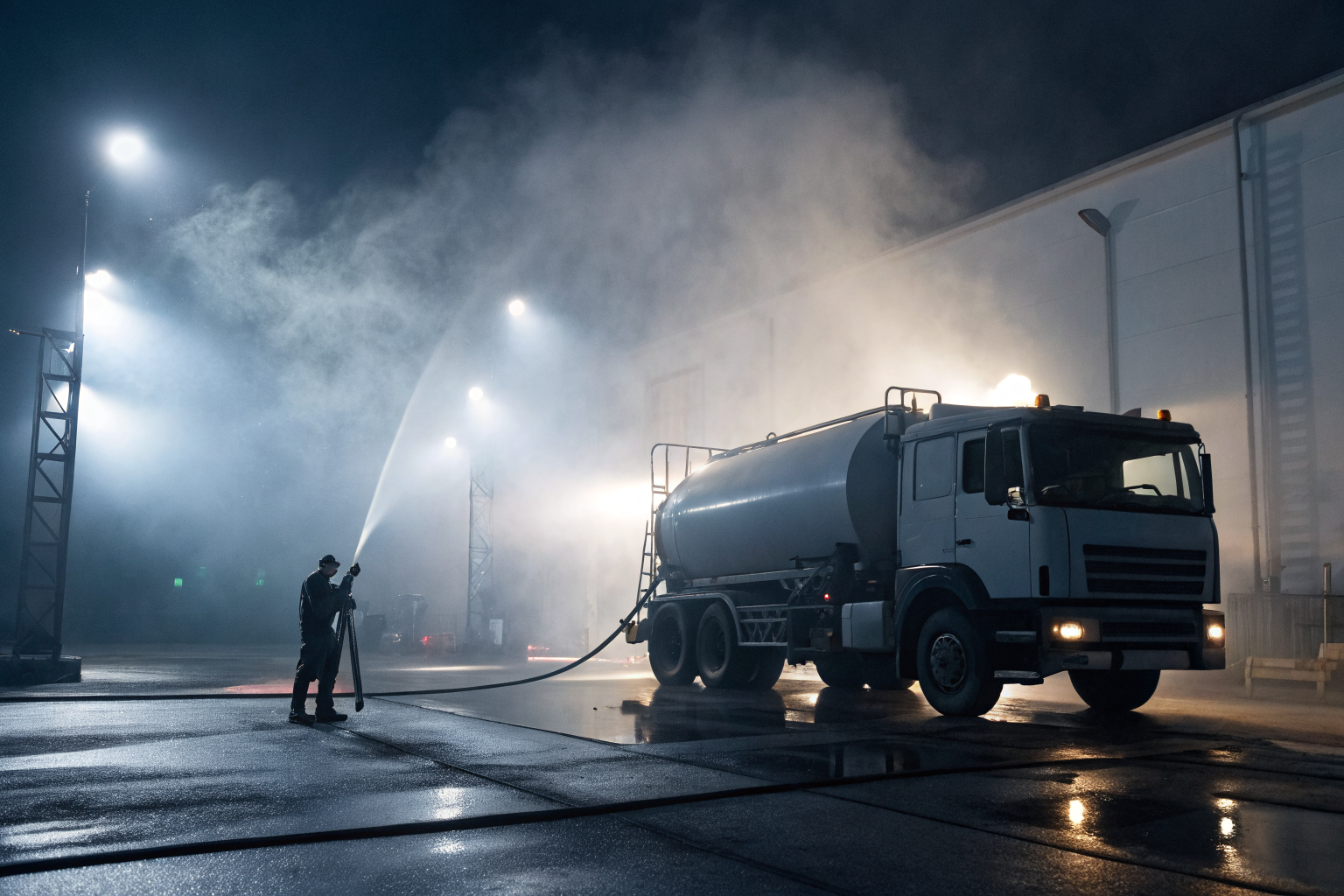
Mobile Refueler SPCC Requirements: 6 Critical Compliance Elements
EPA fines for mobile refueler violations averaged $47,000 per incident in 2023, making SPCC compliance the difference between profitable operations and regulatory disaster. Mobile refueler SPCC requirements demand precise adherence to federal protocols that protect both your operation and the environment.
Key Takeaways:
• Mobile refuelers with 1,320+ gallon capacity require full SPCC plans under 40 CFR 112.7
• Secondary containment must hold 110% of largest tank volume or 10% of total capacity, whichever is greater
• Vehicle-mounted equipment inspection requirements differ from stationary tank protocols by 6 specific criteria
What Makes Mobile Refuelers Different from Stationary SPCC Requirements?
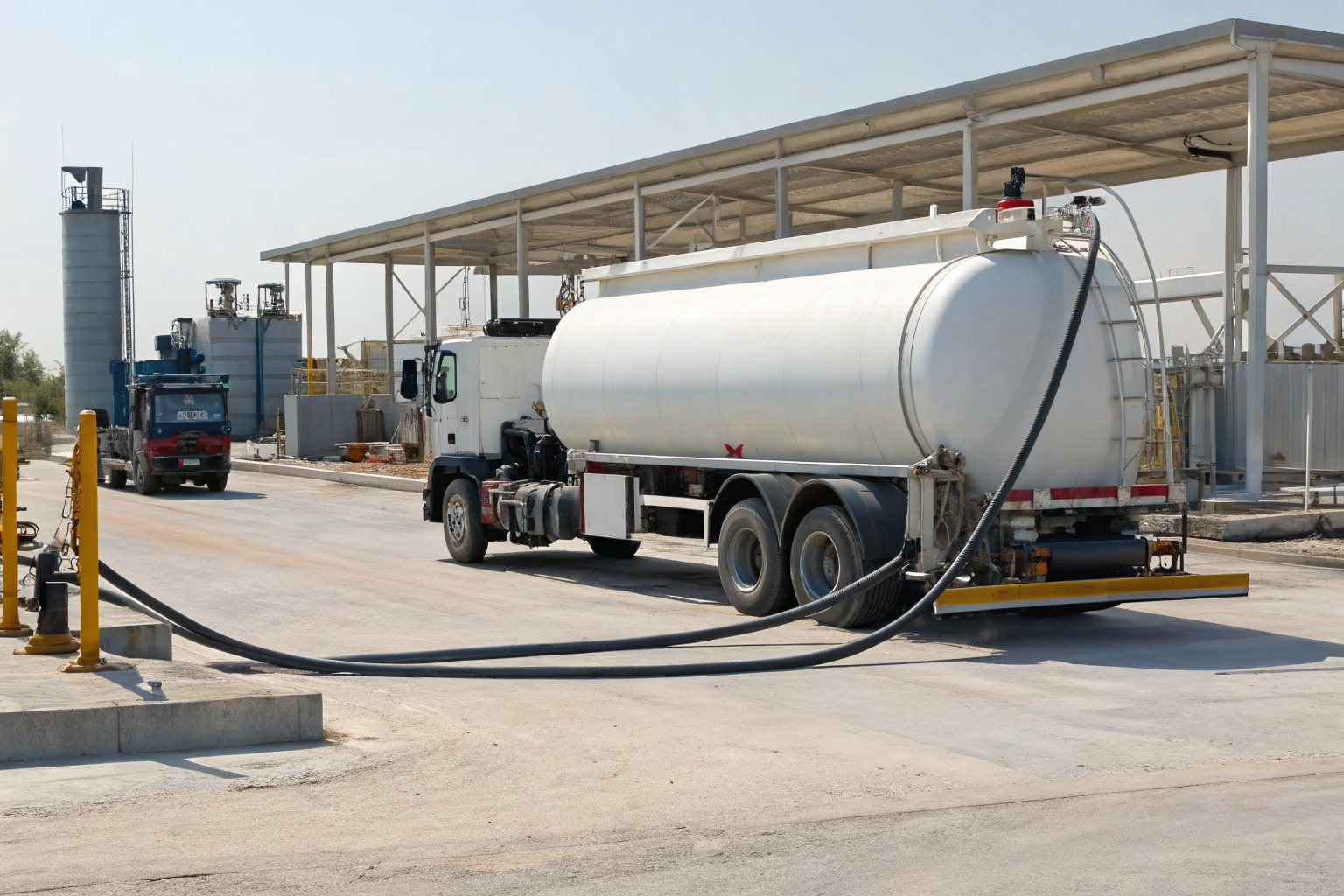
Mobile refuelers require modified SPCC protocols that account for transportation variables absent in fixed installations. A mobile refueler is any vehicle-mounted fuel storage and transfer system exceeding 42 gallons per container that operates across multiple locations. This means compliance frameworks must address movement, temporary positioning, and variable environmental conditions.
The 1,320 gallon aggregate capacity threshold triggers full SPCC plan requirements under 40 CFR 112.7. Unlike stationary facilities where tanks remain in controlled environments, mobile refuelers face temperature fluctuations, road vibration, and varying ground conditions that affect containment integrity. EPA regulations acknowledge these differences through specific provisions for mobile equipment.
Mobility changes standard containment rules in three critical ways. First, secondary containment systems must be portable yet maintain structural integrity during transport. Second, spill response protocols must account for remote locations without immediate emergency services access. Third, documentation requirements increase because mobile units cross jurisdictional boundaries where different agencies may have oversight authority.
SPCC plans for mobile refuelers must include route-specific risk assessments, temporary storage protocols, and mobile containment deployment procedures. The plan cannot assume fixed infrastructure like storm drains, fire suppression systems, or dedicated spill response equipment that stationary facilities rely upon.
Secondary Containment Requirements for Fuel Transfer Operations
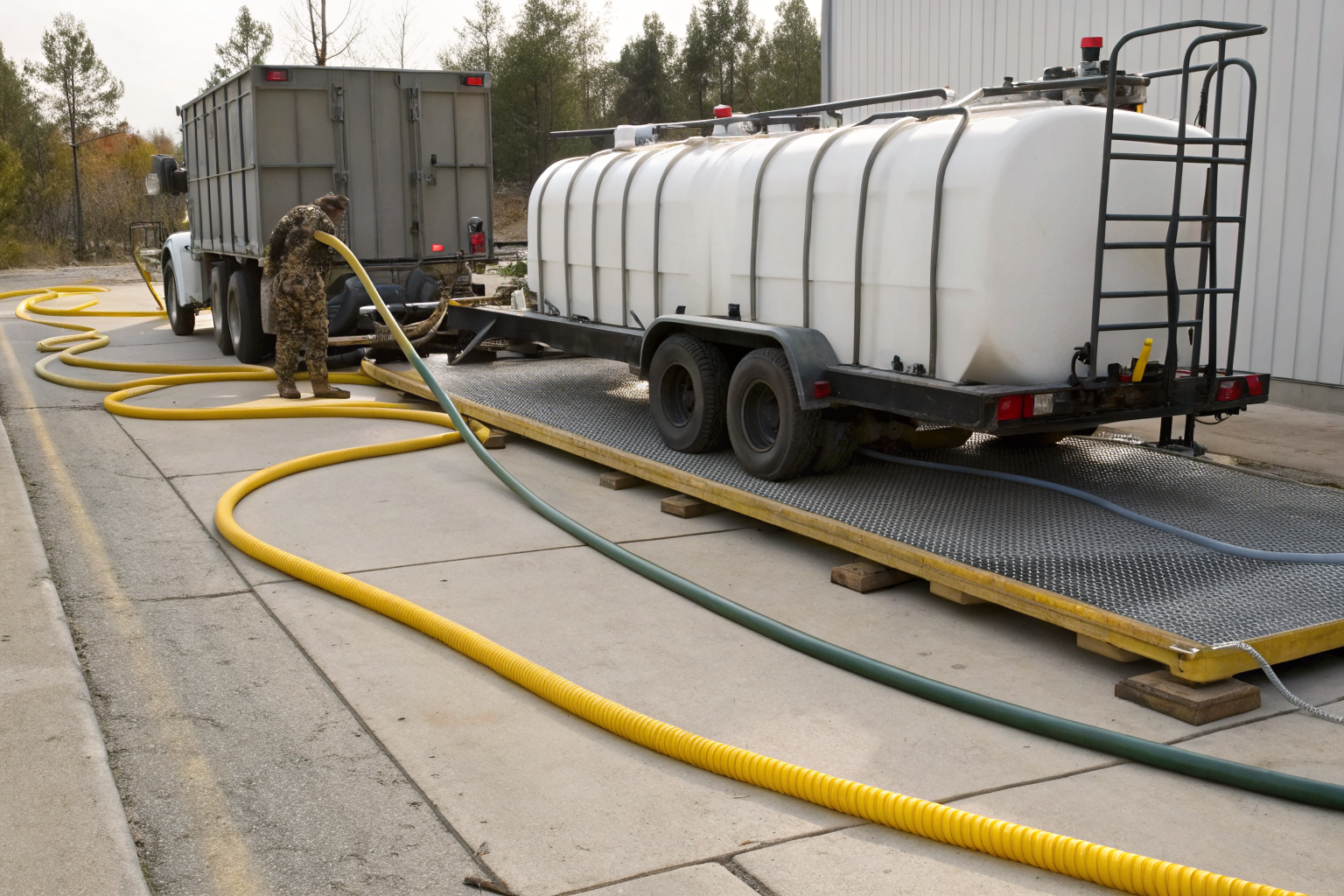
Secondary containment prevents environmental discharge by capturing spills before they reach soil or waterways. Mobile refueling operations must deploy containment systems that meet capacity requirements while maintaining operational flexibility.
| Containment Type | Capacity Requirement | Deployment Time | EPA Compliance Standard |
|---|---|---|---|
| Portable Berms | 110% of largest tank | 15 minutes | 40 CFR 112.8(c)(2) |
| Drive-Over Berms | 10% of aggregate capacity | 5 minutes | 40 CFR 112.7(c) |
| Collapsible Pools | 110% of largest tank | 20 minutes | 40 CFR 112.8(c)(2) |
| Rigid Containment | 10% of aggregate capacity | Permanent mount | 40 CFR 112.7(c) |
The 110% of largest tank or 10% of aggregate capacity rule applies to all mobile secondary containment systems. For a 2,000-gallon mobile refueler with two 1,000-gallon tanks, containment must hold either 1,100 gallons (110% of largest tank) or 200 gallons (10% of aggregate), whichever is greater. In this case, 1,100 gallons becomes the requirement.
Fuel transfer operations require containment during both loading and unloading procedures. Tank storage connections must occur within contained areas, and transfer lines need drip pans or equivalent protection. Temporary containment systems must withstand vehicle weight without compromising seal integrity.
Portable containment systems offer flexibility but demand rigorous inspection protocols. Each deployment requires verification of sidewall height, drain valve closure, and ground surface preparation. The containment system becomes part of the fuel transfer operation, not an afterthought.
How Do Loading Rack Regulations Apply to Mobile Equipment?
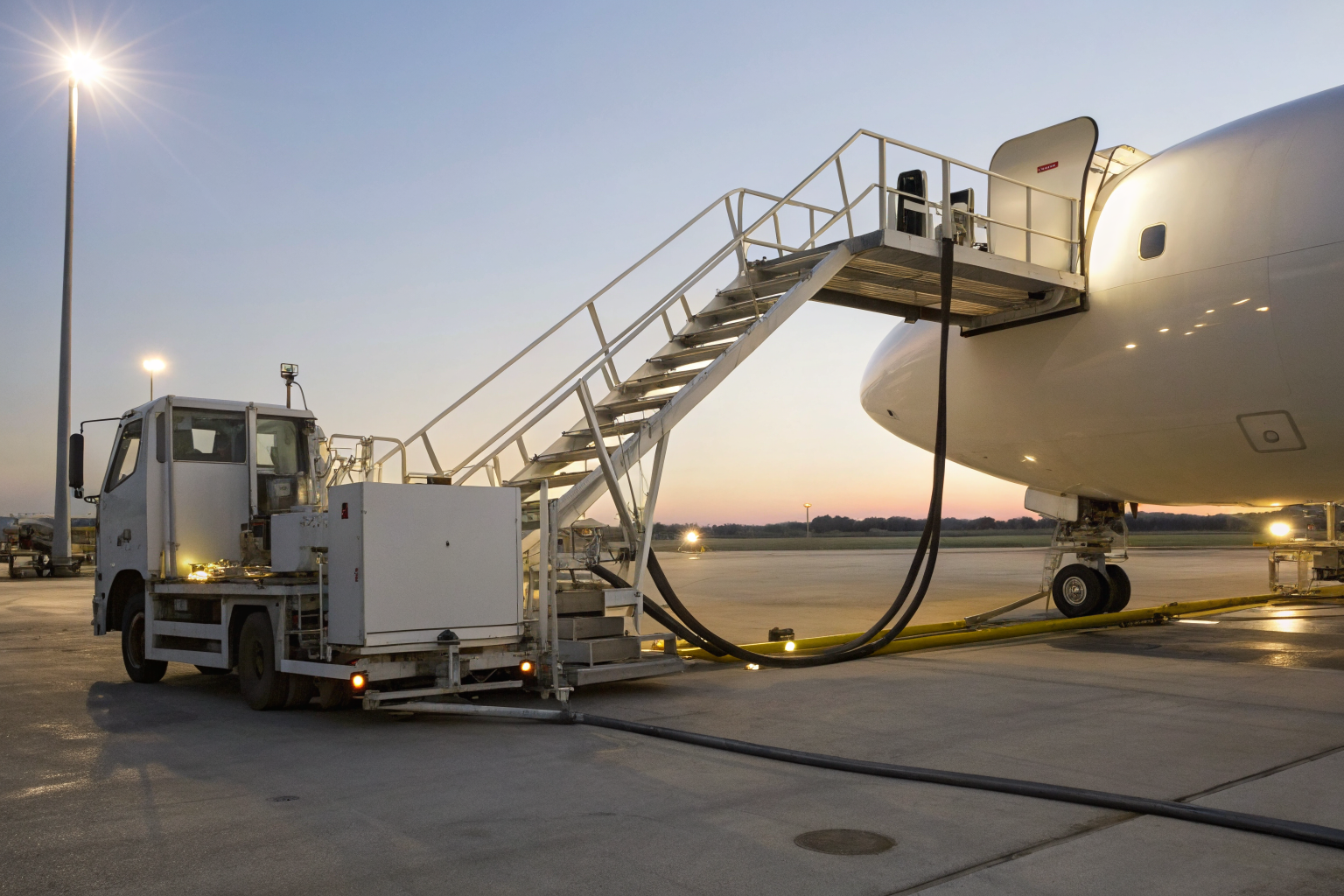
Loading rack connects mobile refueler systems through standardized connection protocols that ensure safe fuel transfer. Fixed loading racks follow permanent infrastructure standards, while mobile connections require portable equipment meeting the same safety specifications.
Mobile loading protocols differ from fixed installations in connection methodology and safety systems. Fixed racks use rigid piping with permanent grounding systems, while mobile connections employ flexible hoses with portable grounding equipment. Both systems must meet API 1004 standards for mobile fueling connections, but implementation varies significantly.
Connection point requirements mandate specific coupling types, pressure ratings, and emergency disconnect capabilities. Mobile refuelers must carry compatible fittings for various customer connection types, unlike fixed facilities serving standardized equipment. The connection inventory becomes a compliance requirement, not just operational convenience.
Pressure relief specifications protect both mobile and stationary systems during transfer operations. Mobile refuelers require pressure relief valves calibrated to customer system specifications, while fixed racks operate at predetermined pressures. Emergency shutdown systems for mobile connections must function independently of customer infrastructure, creating redundant safety layers.
Vehicle safety protocols integrate with loading rack operations through grounding verification, engine shutdown procedures, and driver positioning requirements. The mobile refueler becomes part of the loading rack system during transfer operations, subject to both EPA and DOT regulatory oversight.
Vehicle-Mounted Tank Inspection and Certification Standards
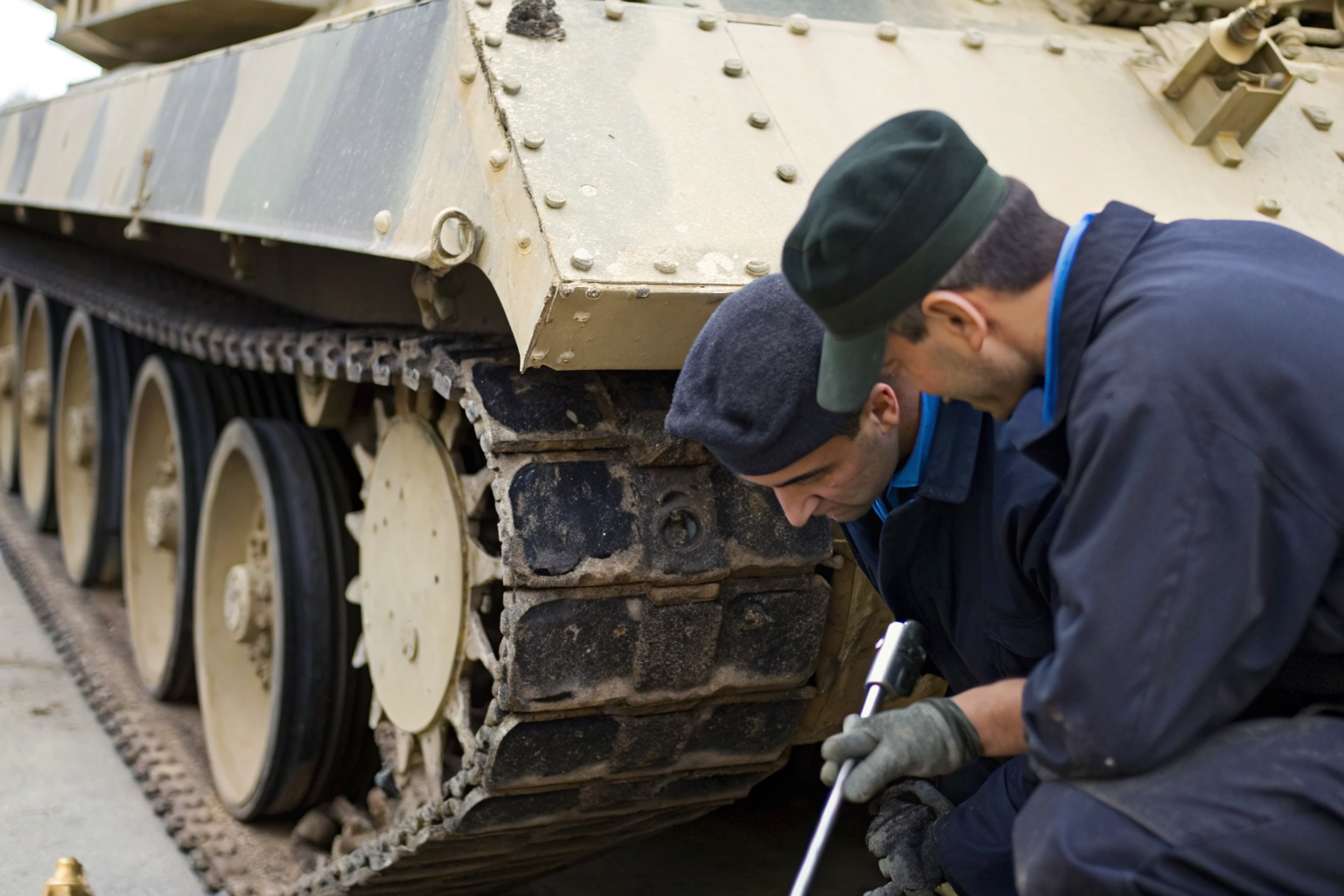
Tank storage requires periodic inspection protocols that address mobile operation stresses absent in stationary installations. Annual inspection requirements for mobile tanks exceed the five-year cycle governing stationary tanks because transportation subjects equipment to accelerated wear patterns.
Step 1: External Visual Inspection
Inspect tank shells, mounting brackets, and support structures for stress cracks, corrosion, or deformation. Road vibration creates fatigue patterns different from stationary tank aging. Document findings with digital photography showing inspection date stamps.
Step 2: Internal Tank Assessment
Perform ultrasonic thickness testing at predetermined measurement points. Mobile tanks require additional measurement locations at mounting points where stress concentration occurs. Compare readings to baseline measurements from previous inspections.
Step 3: Piping and Valve Verification
Test all valves, fittings, and transfer equipment for proper operation and leak integrity. Mobile systems face temperature cycling and vibration that affect seal integrity more than stationary systems. Replace components showing wear before failure occurs.
Step 4: Safety System Functionality
Verify emergency shutdown systems, pressure relief valves, and overfill protection operate within specifications. Mobile refuelers cannot rely on external safety systems available to stationary facilities. Each vehicle must be self-contained for emergency response.
Step 5: Documentation and Certification
Complete inspection records meeting both EPA and DOT requirements. Certification requirements for mobile vessels demand signatures from qualified inspectors holding appropriate credentials for both environmental and transportation regulations. Records must accompany the vehicle during interstate operations.
Inspection frequency differences reflect operational reality. Stationary tanks operate in controlled environments with predictable stress patterns, while mobile tanks face variable conditions that accelerate component degradation.
What Environmental Compliance Documentation Must Mobile Operators Maintain?

Environmental compliance mandates specific documentation protocols that account for mobile operations crossing jurisdictional boundaries. Multi-state operations complicate compliance because different states may impose additional requirements beyond federal EPA standards.
| Document Type | Federal Requirement | State Variations | Retention Period |
|---|---|---|---|
| SPCC Plan | Updated every 5 years | Some states require annual updates | Facility lifetime |
| Spill Reports | Within 24 hours | Varies 1-24 hours | 3 years minimum |
| Inspection Records | Annual for mobile units | Some quarterly | 3 years minimum |
| Training Certificates | Current for all operators | State-specific endorsements | Duration of employment |
| Interstate Notifications | 30 days before operations | Varies by state | 3 years |
Required permits for multi-state operations include EPA identification numbers, state environmental permits, and DOT hazmat transportation permits. The 30-day notification requirement for interstate mobile refueler operations applies to initial entry into new states, not routine operations within approved territories.
Spill response plan modifications for mobile units must address remote locations, limited emergency services access, and equipment accessibility constraints. Standard spill response assumes fixed infrastructure and immediate professional response availability that mobile operations cannot guarantee.
Record keeping during transport requires duplicate documentation systems. Original records remain at the primary facility while certified copies accompany mobile units. Electronic systems must function without continuous internet connectivity because mobile operations often occur in areas with limited communication infrastructure.
State versus federal jurisdiction issues arise when mobile refuelers cross boundaries with different environmental standards. Federal EPA requirements establish minimum standards, but states may impose stricter documentation, inspection, or operational requirements that mobile operators must meet.
Transportation Compliance Integration with SPCC Requirements

Transportation compliance integrates SPCC plan requirements through overlapping regulatory frameworks that address both environmental protection and public safety. DOT hazmat regulations overlap with EPA requirements in areas of driver training, route planning, and emergency response procedures.
DOT hazmat regulations require specific driver qualifications beyond standard commercial licenses. CDL with hazmat endorsement becomes mandatory for vehicles exceeding 1,000 gallon capacity, regardless of SPCC thresholds. The driver certification integrates environmental compliance with transportation safety through required training on spill prevention and emergency response procedures.
Route restrictions for SPCC-regulated mobile refuelers extend beyond standard hazmat routing. Environmental compliance may prohibit operations near sensitive water sources, even when DOT regulations allow the route. SPCC plans must identify environmentally restricted routes and establish alternative pathways that maintain service capabilities.
Emergency response coordination becomes complex when mobile refuelers operate across multiple jurisdictions. Vehicle safety protocols must account for varying response capabilities, communication systems, and environmental sensitivity levels. The emergency response plan cannot assume uniform capabilities across operational territories.
Fuel transfer operations conducted under transportation compliance create dual regulatory exposure. EPA governs environmental protection during transfer operations, while DOT maintains oversight of transportation safety. Driver training must address both regulatory frameworks, creating comprehensive competency requirements that exceed either individual standard.
Integration challenges arise when transportation efficiency conflicts with environmental protection requirements. Route optimization for fuel delivery may conflict with environmental route restrictions, forcing operational compromises that affect both compliance and profitability. The balance requires careful planning that satisfies both regulatory frameworks while maintaining commercial viability.