
Wheel Chocks and Interlock Requirements: 3 Essential Safety Measures
Tank truck departures during fuel loading caused 47 documented spill incidents across EPA Region 5 facilities between 2019-2023. Wheel chocks and interlock requirements represent the primary defense against these catastrophic environmental releases that cost facilities an average of $127,000 per incident in cleanup and penalties.
Key Takeaways:
- EPA requires wheel chocks plus automated interlock systems at loading racks handling over 10,000 gallons annually
- Properly installed vehicle restraint systems prevent 94% of departure-related fuel spills according to API studies
- Secondary containment must capture 110% of tank volume when wheel chock systems fail or are bypassed
What Are Wheel Chocks and Interlock Requirements?
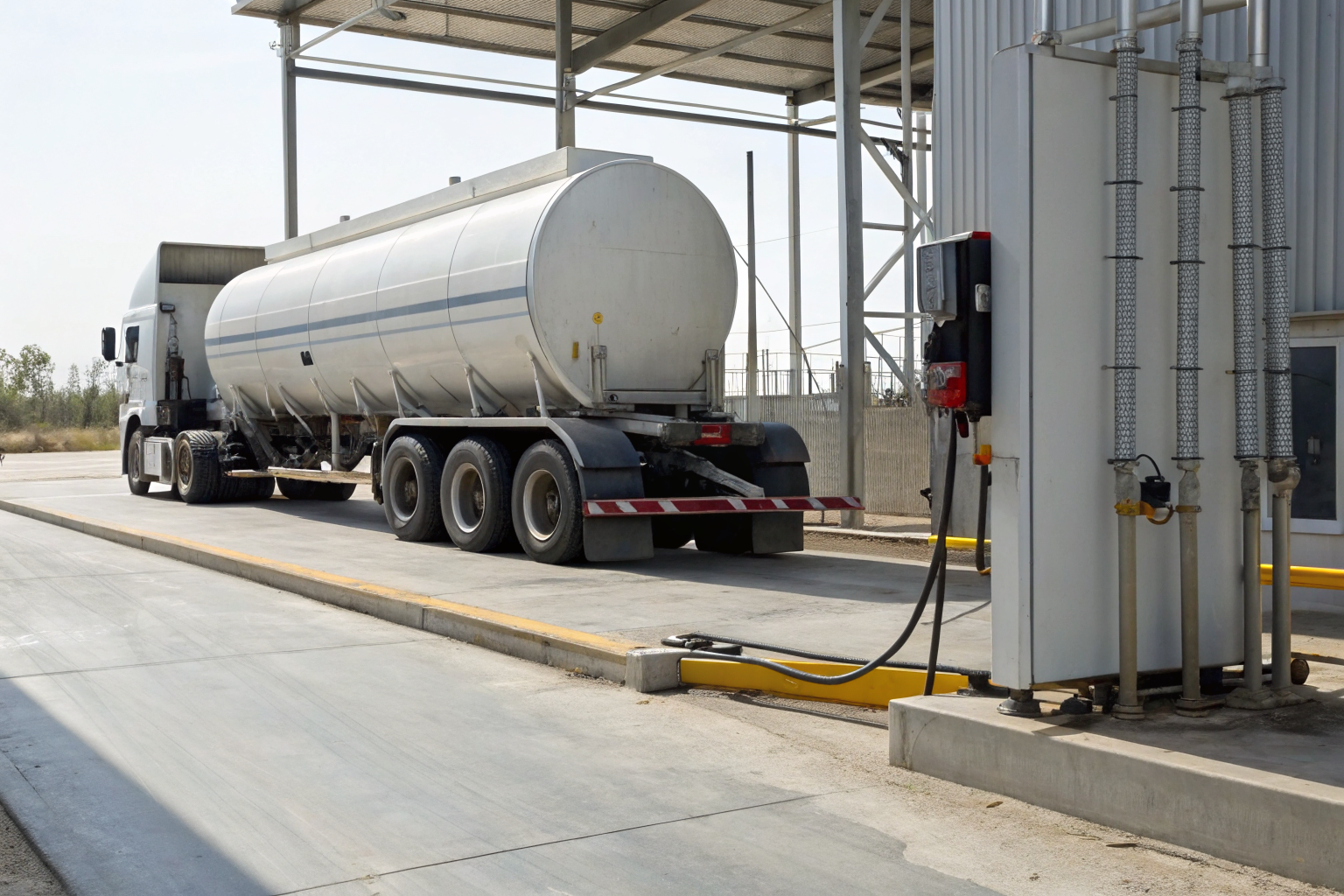
Wheel chocks and interlock requirements are mandatory vehicle safety systems designed to prevent tank truck departures during fuel transfer operations. Vehicle safety systems prevent tank truck departures through physical restraint mechanisms and electronic controls that disable truck engines when loading arms remain connected. This means facilities must install both passive physical barriers and active electronic monitoring to achieve EPA compliance under SPCC regulations.
Physical wheel chocks are wedge-shaped devices placed against truck tires to prevent rolling motion. These mechanical restraints work through friction and leverage to immobilize vehicles during fuel transfer. Electronic interlock systems integrate with loading arm connections and vehicle ignition systems to automatically prevent truck departure when transfer equipment remains engaged.
SPCC Plan threshold of 1,320 gallons aggregate storage capacity triggers requirements for formal vehicle restraint systems at loading facilities. Facilities exceeding this threshold must implement documented procedures for vehicle immobilization during all fuel transfer operations. The regulatory framework under 40 CFR 112 establishes specific performance standards for both manual and automated safety systems.
Vehicle restraint encompasses both temporary immobilization during active loading and permanent installation of safety equipment at loading positions. Temporary systems include portable wheel chocks and removable vehicle stops. Permanent installations feature hydraulic wheel chocks, automated tire restraints, and hardwired electronic interlock systems integrated with facility control panels.
Why Do Loading Racks Need Vehicle Departure Prevention?
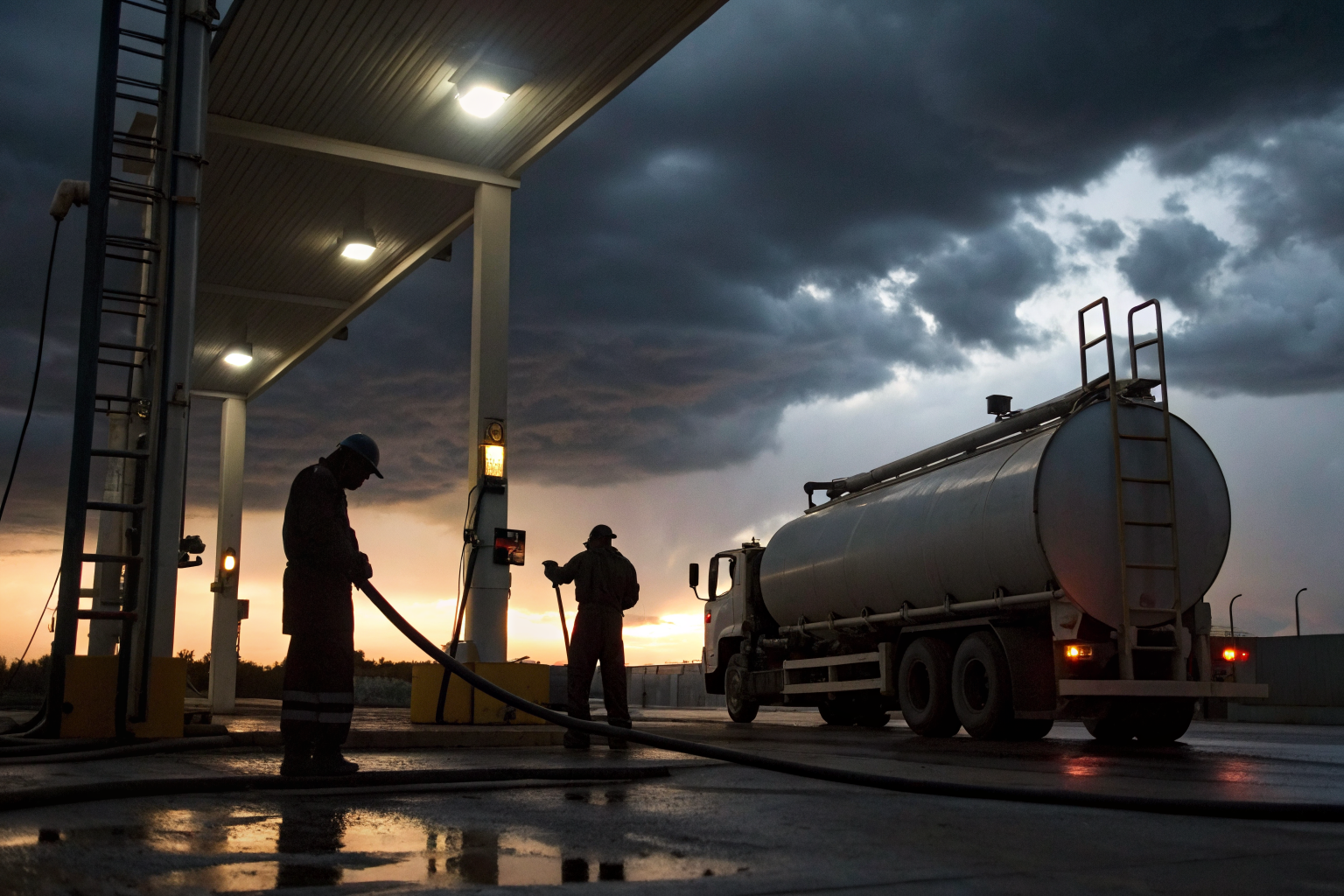
Tank truck departures cause catastrophic fuel spills when vehicles move before loading arms disconnect properly. These incidents result from driver error, equipment malfunction, or inadequate communication between loading personnel and vehicle operators. The sudden separation of pressurized loading arms creates immediate environmental releases ranging from hundreds to thousands of gallons per incident.
Accident prevention focuses on eliminating human error through automated systems that physically prevent vehicle movement during transfer operations. Driver distractions, radio communications failures, and shift change confusion account for 73% of documented departure incidents. Loading facilities handling high-volume operations face elevated risks during peak transfer periods when multiple vehicles cycle through loading positions rapidly.
Environmental compliance requires facilities to demonstrate proactive spill prevention rather than reactive cleanup capabilities. EPA enforcement actions target facilities that experience preventable releases, particularly when inadequate safety systems contribute to incident severity. The average cleanup cost of $127,000 per departure-related spill based on EPA enforcement records includes soil remediation, groundwater monitoring, and regulatory penalties.
Fuel transfer operations create inherent risks when mobile equipment connects to stationary infrastructure. Loading arms operate under pressure differentials that can cause violent disconnection if vehicles move unexpectedly. The combination of flammable liquids, pressurized systems, and mobile equipment requires multiple independent safety measures to prevent environmental releases and protect personnel safety.
How Do Wheel Chocks Compare to Electronic Interlocks?
| Safety Feature | Physical Wheel Chocks | Electronic Interlocks |
|---|---|---|
| Installation Cost | $150-$300 per position | $2,500-$5,000 per position |
| Reliability Rate | 87% effective placement | 99.2% system reliability |
| Maintenance Frequency | Weekly visual inspection | Quarterly calibration required |
| Response Time | Manual placement: 30-60 seconds | Automatic activation: <2 seconds |
| Weather Performance | Reduced effectiveness in ice/snow | Consistent performance all conditions |
| Bypass Protection | Physical removal required | Password-protected override only |
| Integration Capability | Standalone operation only | Links with loading arm controls |
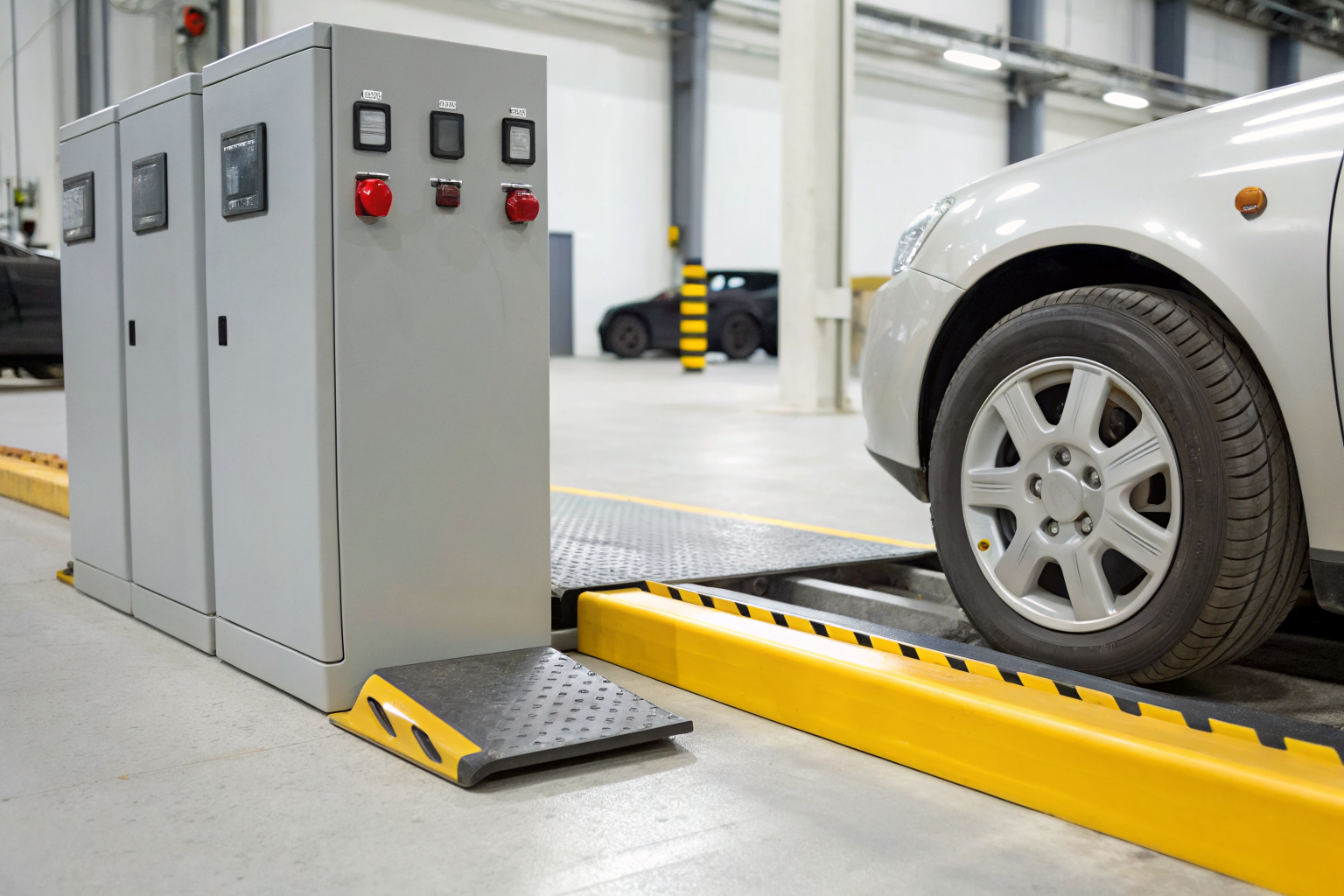
Electronic interlocks provide automated departure prevention through integrated control systems that monitor loading arm positions and vehicle ignition status. These systems automatically disable truck engines when loading connections remain active, eliminating reliance on manual procedures that introduce human error. The electronic approach achieves higher reliability because it removes operator judgment from the safety process.
Physical wheel chocks depend on proper placement and adequate contact with tire surfaces to prevent vehicle movement. Manual chock systems require trained personnel to position devices correctly before each loading operation. Weather conditions significantly impact chock effectiveness, particularly when ice or snow reduces friction between chocks and tire surfaces. Electronic systems achieve 99.2% reliability vs 87% for manual chock placement because they eliminate environmental variables and human factors.
Automated departure prevention integrates with existing facility control systems to provide centralized monitoring of all loading positions simultaneously. Electronic interlocks can communicate with loading rack controls to prevent fuel flow when vehicle restraint systems indicate potential departure conditions. This integration capability allows facilities to implement comprehensive safety protocols that address both vehicle restraint and product transfer in coordinated fashion.
What EPA Regulations Govern Vehicle Safety Systems?
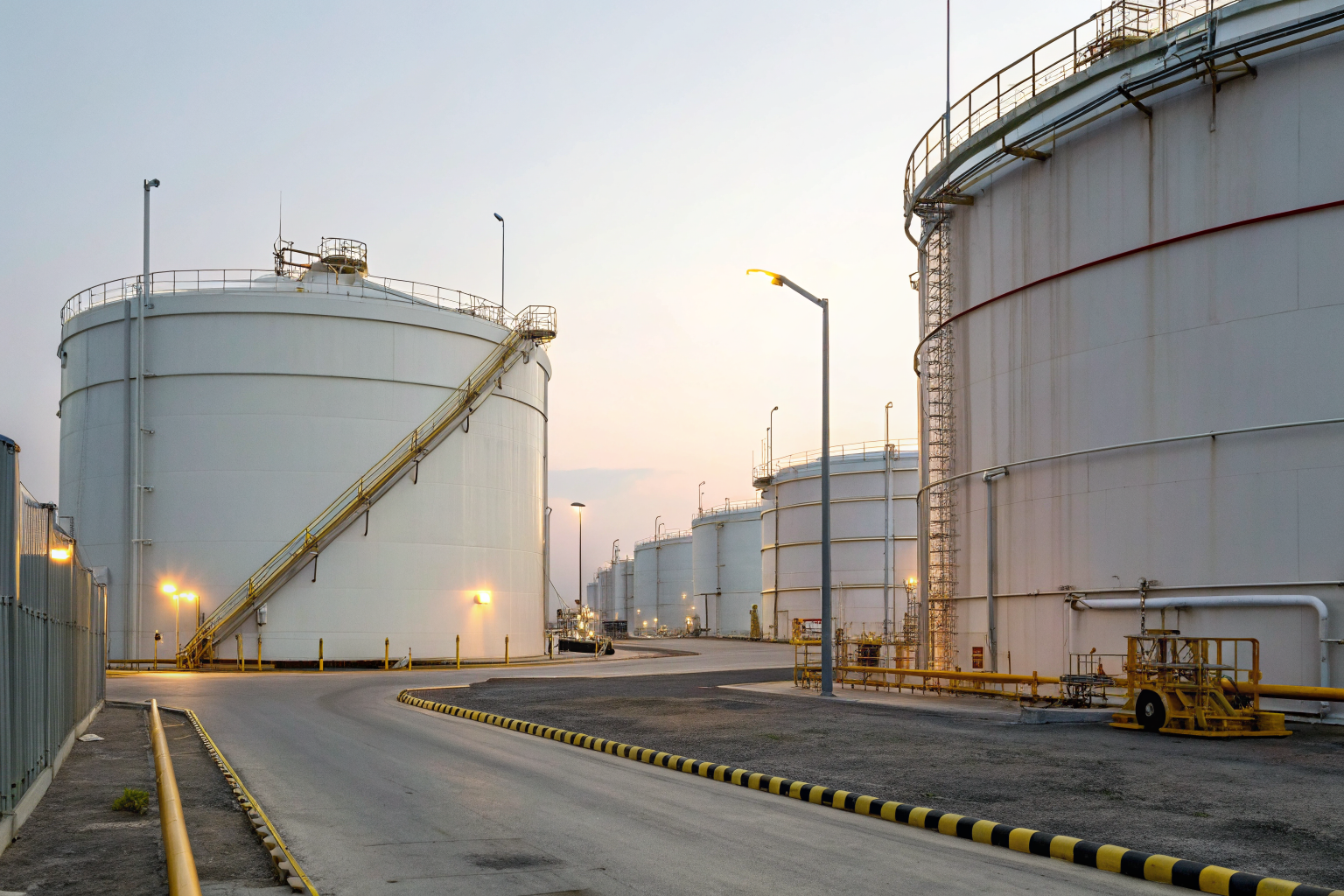
EPA regulations mandate vehicle safety systems under the Spill Prevention, Control, and Countermeasure (SPCC) rule codified in 40 CFR 112. These federal requirements apply to facilities with aggregate oil storage capacity exceeding 1,320 gallons and potential for discharge to navigable waters. SPCC Plan documentation must specify vehicle restraint procedures and equipment specifications for all loading operations.
Environmental compliance requires annual inspections of all vehicle restraint equipment according to 40 CFR 112.7 inspection protocols. Facility operators must document equipment condition, test electronic interlock functions, and verify proper operation of all safety systems. Inspection records become part of the facility’s SPCC Plan documentation and remain subject to EPA review during compliance audits.
SPCC Plan updates must reflect changes to vehicle safety equipment, including installation of new interlock systems or modifications to existing wheel chock procedures. Regulatory amendments require Professional Engineer certification when facilities modify safety systems that affect spill prevention capabilities. The documentation trail demonstrates facility commitment to preventing environmental releases through engineered safety measures.
Vehicle safety systems must meet performance standards established in API Recommended Practice 1004 for bottom loading of transport vehicles. These industry standards specify minimum restraint force requirements, electronic interlock response times, and integration protocols for automated systems. EPA enforcement references API standards as the technical baseline for acceptable vehicle restraint performance at loading facilities.
How Should Mobile Refuelers Install Safety Equipment?
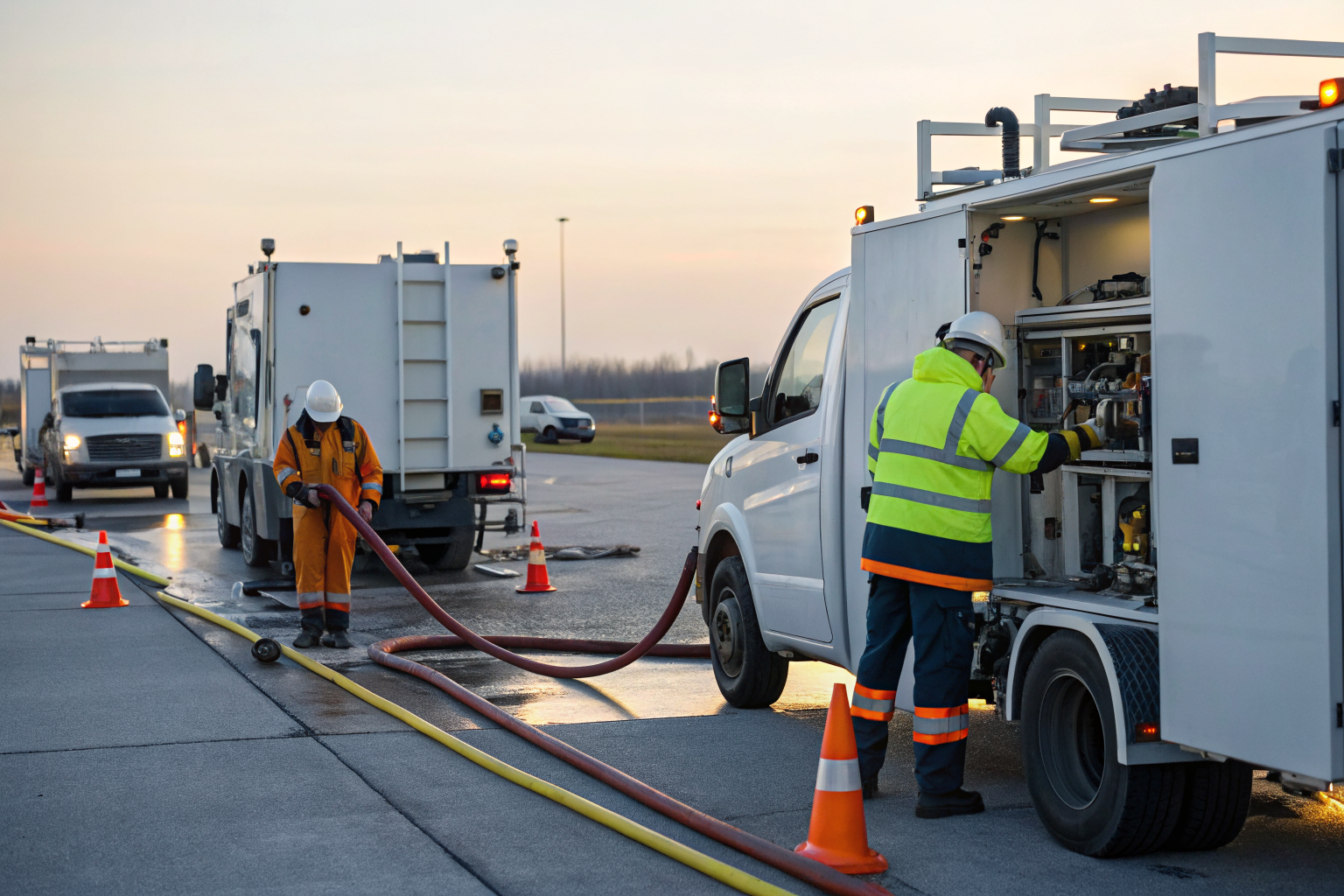
Mobile refuelers must install compliant safety systems according to manufacturer specifications and EPA performance requirements for vehicle restraint during fuel transfer operations. The installation process begins with site assessment to determine appropriate equipment types based on vehicle sizes, loading volumes, and existing infrastructure capabilities at each service location.
Step 1: Assess loading position requirements by measuring vehicle wheelbases and determining maximum gross vehicle weights for trucks serviced at each location. Minimum 6-inch wheel chock height required for vehicles over 26,000 GVWR ensures adequate contact surface with large commercial tires. Document all vehicle specifications that will utilize each loading position.
Step 2: Install wheel chock storage and positioning hardware at designated loading areas. Mount storage brackets within 10 feet of loading positions to minimize manual handling distance. Position storage hardware to prevent weather exposure while maintaining easy access during loading operations. Mark storage locations with high-visibility paint or reflective tape.
Step 3: Integrate electronic interlock systems with existing loading equipment and vehicle electrical systems. Connect interlock controls to loading arm position sensors and fuel pump activation circuits. Install vehicle-mounted interlock receivers that communicate with truck ignition systems to prevent engine start when loading arms remain connected. Test all electronic connections before placing systems in service.
Step 4: Establish operating procedures that specify wheel chock placement sequence and electronic interlock activation protocols. Train all personnel on proper equipment use and emergency override procedures. Document training completion and maintain operator certification records as required by facility SPCC Plans.
Secondary containment integration ensures that vehicle safety equipment functions within the facility’s overall spill prevention strategy. Loading rack containment systems must accommodate wheel chock positioning without compromising containment volume calculations. Electronic interlock systems should interface with containment monitoring equipment to provide comprehensive safety coverage during fuel transfer operations.
What Happens When Vehicle Safety Systems Fail?
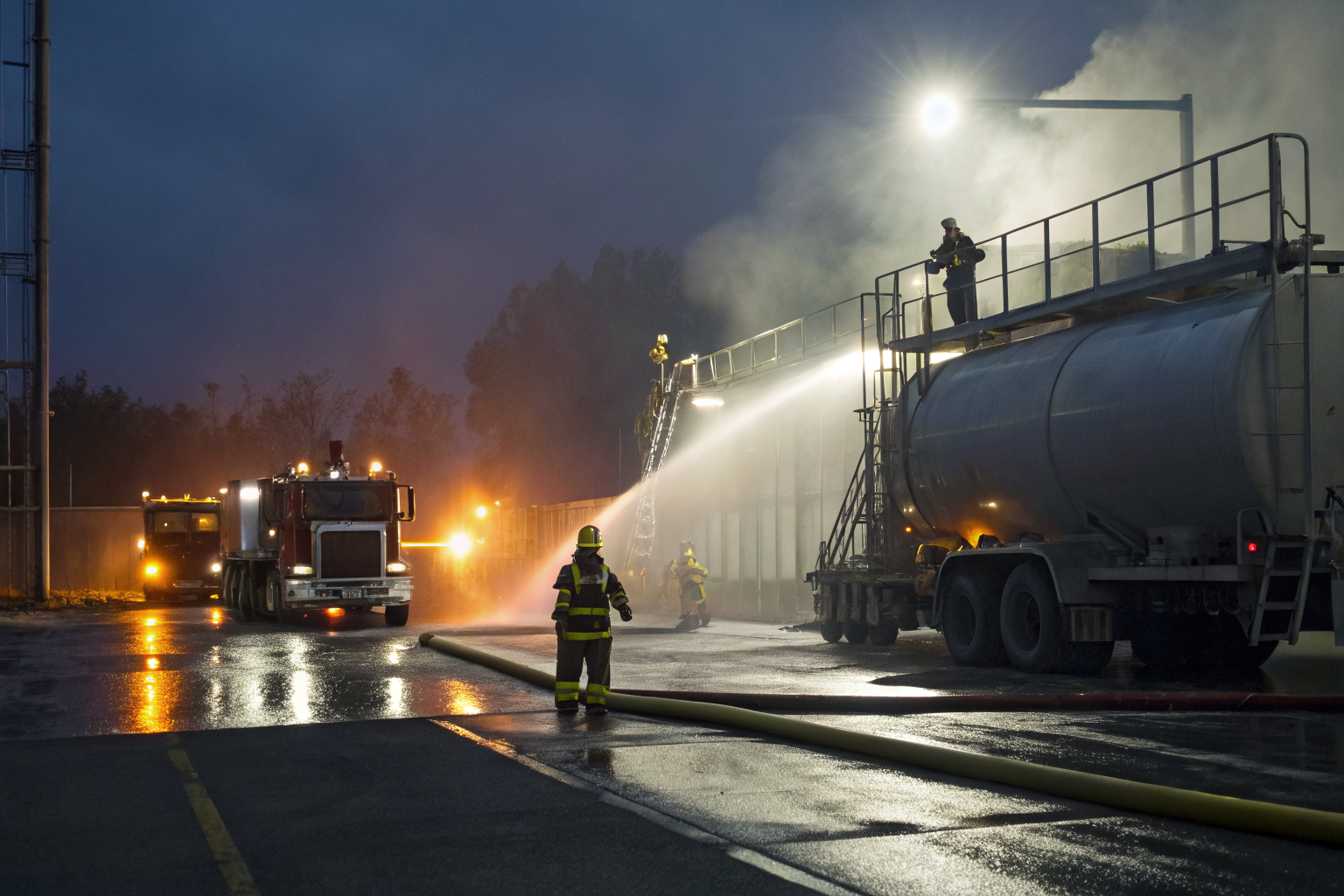
System failures trigger emergency containment protocols designed to minimize environmental releases when primary vehicle restraint systems cannot prevent tank truck departures. Secondary containment must activate within 30 seconds of interlock system failure to capture fuel releases from broken loading arm connections. Emergency response procedures must account for simultaneous vehicle restraint failure and fuel system breach.
Secondary containment activation occurs automatically when electronic monitoring systems detect vehicle movement during active fuel transfer. Backup containment systems include emergency shut-off valves, loading arm breakaway couplings, and containment basin drainage controls that isolate spilled fuel from storm water systems. Tank storage facilities must demonstrate that backup containment can capture the full volume of any single tank truck plus 10% additional capacity for precipitation.
Fuel transfer emergency procedures require immediate notification of facility management and regulatory authorities when vehicle safety system failures result in environmental releases. Spill response teams must deploy within 15 minutes of incident notification to assess release volume and implement containment measures. Documentation requirements include incident time stamps, equipment failure descriptions, and environmental impact assessments.
Emergency containment protocols integrate with facility-wide spill response plans to coordinate vehicle restraint failures with other potential release scenarios. Mobile refueler operations require portable emergency equipment including backup wheel chocks, emergency shut-off controls, and spill response materials positioned at each service location. Facility operators must maintain emergency contact information for specialized cleanup contractors capable of handling fuel releases from vehicle departure incidents.