
What Counts as Oil Under SPCC: Complete Definition Guide for Facility Owners
Facility owners storing 55-gallon drums of cooking oil discovered they need SPCC compliance after EPA enforcement targeted non-petroleum operations in 2023. The definition of oil under SPCC regulations catches many by surprise.
Key Takeaways:
- SPCC regulation applies to any oil with a specific gravity less than 1.0, including vegetable oils and animal fats — not just petroleum
- Facilities storing 1,320 gallons of oil in containers over 55 gallons must develop SPCC Plans within 6 months
- EPA enforcement actions increased 23% in 2022, with non-petroleum facilities representing 31% of violations
What Qualifies as Oil Under EPA’s SPCC Definition?

SPCC regulation defines oil as any substance with a specific gravity less than 1.0 at standard temperature conditions. This definition appears in 40 CFR 112.2 and establishes the specific gravity threshold of 1.0 at 60°F as the determining factor. The regulation does not distinguish between petroleum and non-petroleum sources when applying this test.
This means cooking oils, animal fats, and synthetic lubricants fall under SPCC jurisdiction if they meet the specific gravity requirement. The EPA designed this broad definition to address all substances that float on water and pose spill risks to navigable waters. Legal precedent from enforcement cases confirms that facility owners cannot avoid compliance by arguing their oils are “food-grade” or “natural.”
The specific gravity test creates a clear scientific boundary that eliminates subjective interpretation. Substances heavier than water (specific gravity above 1.0) do not qualify as oil under SPCC. Hazardous substances regulated under CERCLA receive separate treatment regardless of specific gravity. This distinction prevents regulatory overlap between different environmental programs.
Facility owners must understand that SPCC coverage depends entirely on physical properties, not the oil’s source or intended use. A restaurant storing fryer oil faces the same regulatory requirements as a gas station storing diesel fuel if both exceed the 1,320-gallon threshold.
Petroleum Products: Traditional SPCC Coverage
| Product Type | Specific Gravity Range | Common Storage Scenarios | Typical Container Sizes |
|---|---|---|---|
| Gasoline | 0.72-0.78 | Gas stations, fleet facilities | 10,000-30,000 gallon USTs |
| Diesel Fuel | 0.82-0.95 | Trucking terminals, backup generators | 1,000-20,000 gallon ASTs |
| Crude Oil | 0.75-0.95 | Production facilities, refineries | 400+ barrel storage tanks |
| Heating Oil | 0.82-0.95 | Residential, commercial heating | 275-1,000 gallon tanks |
| Jet Fuel | 0.78-0.84 | Airports, military bases | 50,000+ gallon systems |
| Motor Oil | 0.85-0.95 | Service centers, bulk distributors | 55-gallon drums to 5,000-gallon tanks |
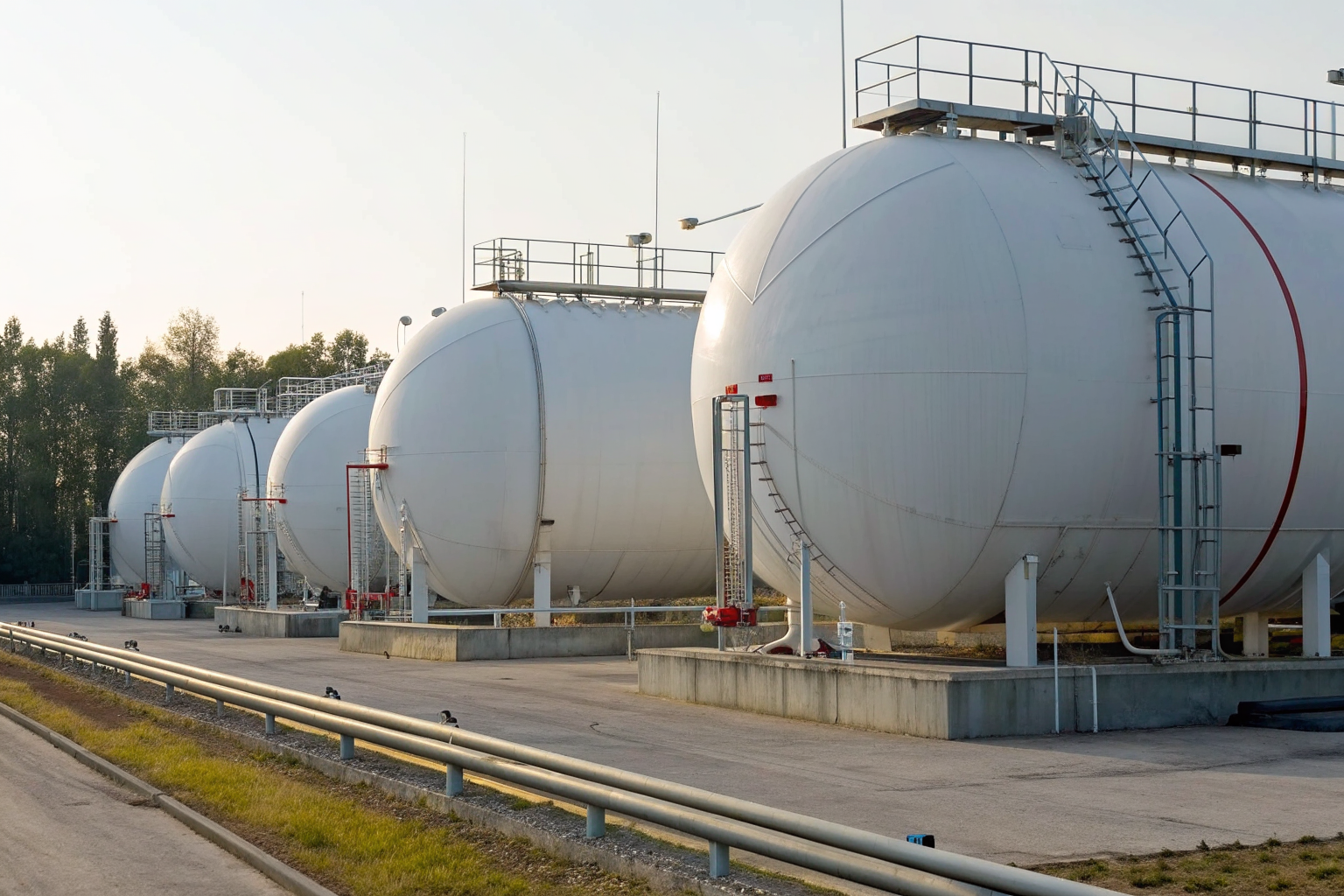
Petroleum products represent the traditional focus of SPCC regulation since the program’s creation in 1973. These substances clearly fall within the specific gravity requirements and pose well-documented environmental risks when spilled. Gasoline maintains the lowest specific gravity at 0.72-0.78, while heavier refined products like diesel approach but remain below the 1.0 threshold.
Oil storage at petroleum facilities typically involves large-volume systems that trigger SPCC requirements. Underground storage tanks at gas stations commonly hold 10,000-30,000 gallons per tank. Above-ground storage at terminals and distribution centers often exceeds 100,000 gallons total capacity. These facilities require comprehensive SPCC Plans including secondary containment, inspection procedures, and personnel training.
The petroleum industry has extensive experience with SPCC compliance, making these facilities less likely to face enforcement action for coverage gaps. However, EPA continues to cite petroleum facilities for plan deficiencies, inadequate secondary containment, and inspection failures.
Does Vegetable Oil Require SPCC Compliance?
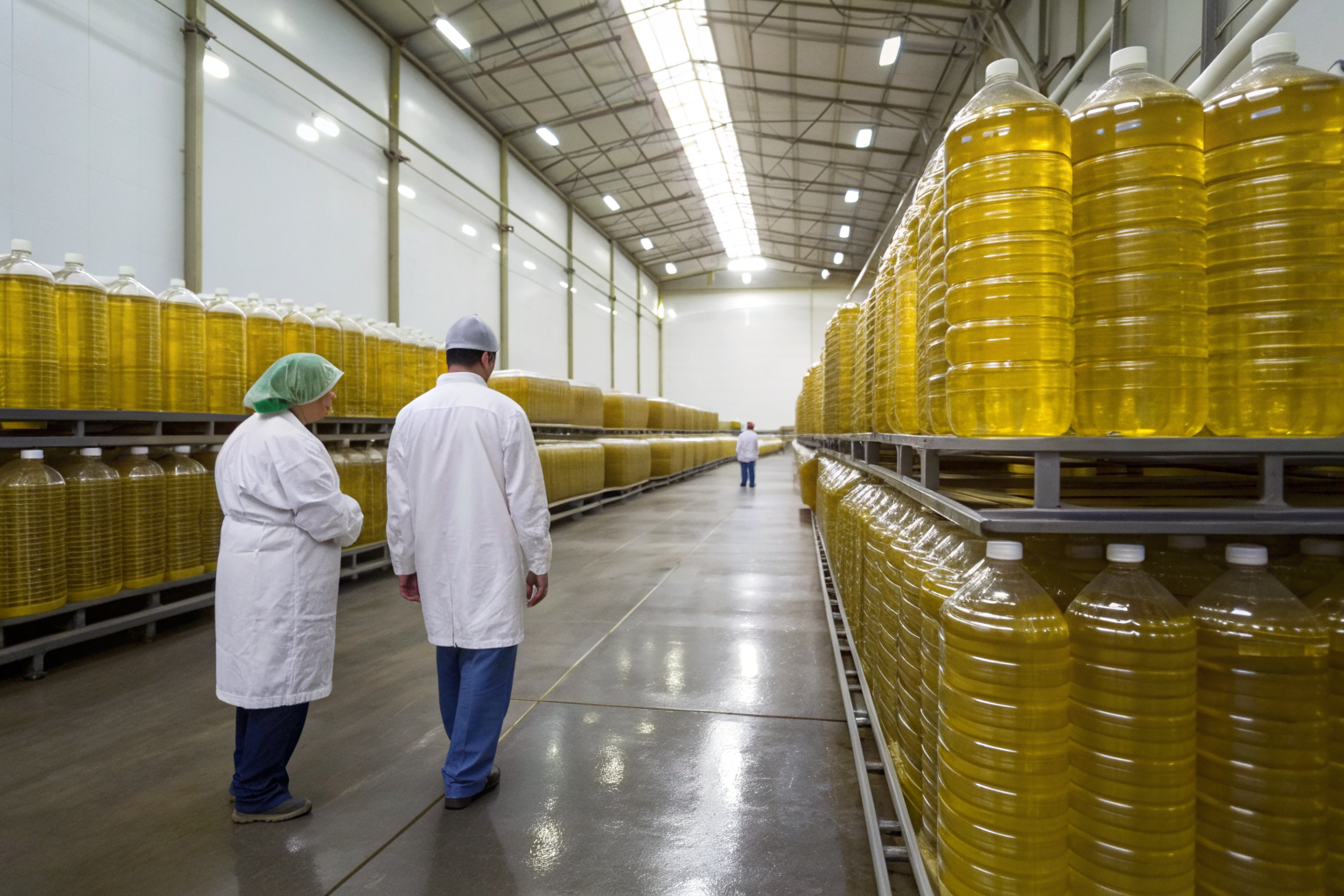
Vegetable oils require SPCC compliance when stored above threshold volumes because they meet the specific gravity test. Soybean oil has a specific gravity of 0.92, while corn oil measures 0.91 — both clearly below the 1.0 regulatory threshold. This reality surprised many restaurant owners and food processing facilities who assumed SPCC only applied to petroleum products.
Cooking oil storage at restaurants frequently exceeds SPCC thresholds without facility awareness. A restaurant with multiple 275-gallon fryer oil tanks plus 55-gallon drums for storage easily reaches 1,320 gallons total capacity. The regulation counts all oil storage containers over 55 gallons toward the threshold, regardless of whether they connect to each other. Individual containers under 55 gallons do not count, but larger containers always apply.
Biodiesel facilities face particular scrutiny because they process large volumes of vegetable oils before conversion. These operations often store thousands of gallons of soybean, canola, or waste cooking oils in above-ground storage tanks. The vegetable oil feedstock requires SPCC coverage separate from the finished biodiesel product, creating dual compliance obligations.
Enforcement precedent confirms EPA treats vegetable oils identically to petroleum products for SPCC purposes. The agency issued violations to food processing plants, restaurants, and agricultural facilities storing vegetable oils without proper SPCC Plans. Facility owners cannot claim exemption based on the oil’s food-grade status or biodegradable properties. The specific gravity test applies universally.
Animal Fats and Synthetic Oils Under SPCC
| Oil Type | Specific Gravity | Common Sources | Storage Considerations |
|---|---|---|---|
| Beef Tallow | 0.94 | Rendering plants, food processing | Temperature-controlled storage |
| Pork Lard | 0.92-0.96 | Meat processing facilities | Heated tanks for liquid state |
| Chicken Fat | 0.91-0.94 | Poultry processing plants | Continuous rendering operations |
| Fish Oil | 0.92-0.93 | Seafood processing, supplement manufacturing | Refrigerated storage systems |
| Synthetic Hydraulic Fluid | 0.85-0.95 | Manufacturing facilities, heavy equipment | High-volume systems |
| Synthetic Motor Oil | 0.82-0.88 | Auto service centers, fleet maintenance | Bulk storage and dispensing |
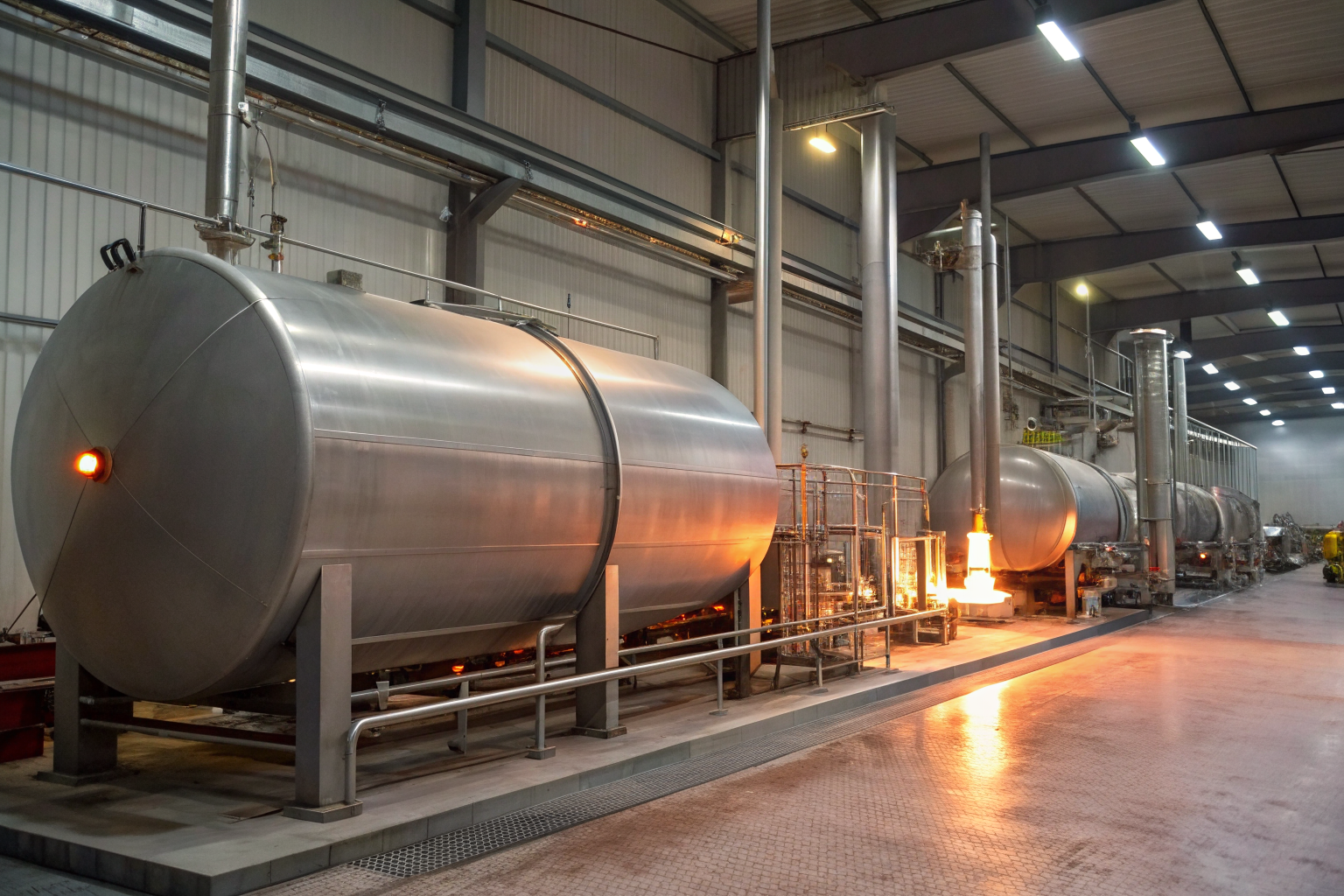
Animal fats fall under SPCC jurisdiction based on specific gravity testing, with most rendered fats measuring between 0.91-0.96. Beef tallow at 0.94 specific gravity clearly requires SPCC coverage when stored above threshold volumes. Rendering facilities and meat processing plants commonly store thousands of gallons of animal fats in heated storage systems to maintain liquid state.
Synthetic oils present complex compliance scenarios because formulations vary significantly between manufacturers. Synthetic hydraulic fluid typically measures 0.85-0.95 specific gravity, placing most formulations within SPCC scope. Manufacturing facilities using large hydraulic systems often exceed the 1,320-gallon threshold through reservoir capacity alone. These systems require specific gravity testing to determine regulatory status.
Food processing facilities storing animal fats face enforcement risk due to poor compliance awareness. Poultry processing plants generate substantial chicken fat volumes during operations, often storing the rendered fat in heated tanks before sale to rendering companies. These temporary storage systems count toward SPCC thresholds and require proper containment.
Synthetic lubricants at heavy equipment operations create additional compliance obligations. Construction companies, mining operations, and manufacturing facilities using synthetic hydraulic fluids must test specific gravity and implement SPCC Plans when storage exceeds regulatory thresholds. The synthetic nature does not provide exemption from coverage requirements.
What Oil Types Are Excluded from SPCC?
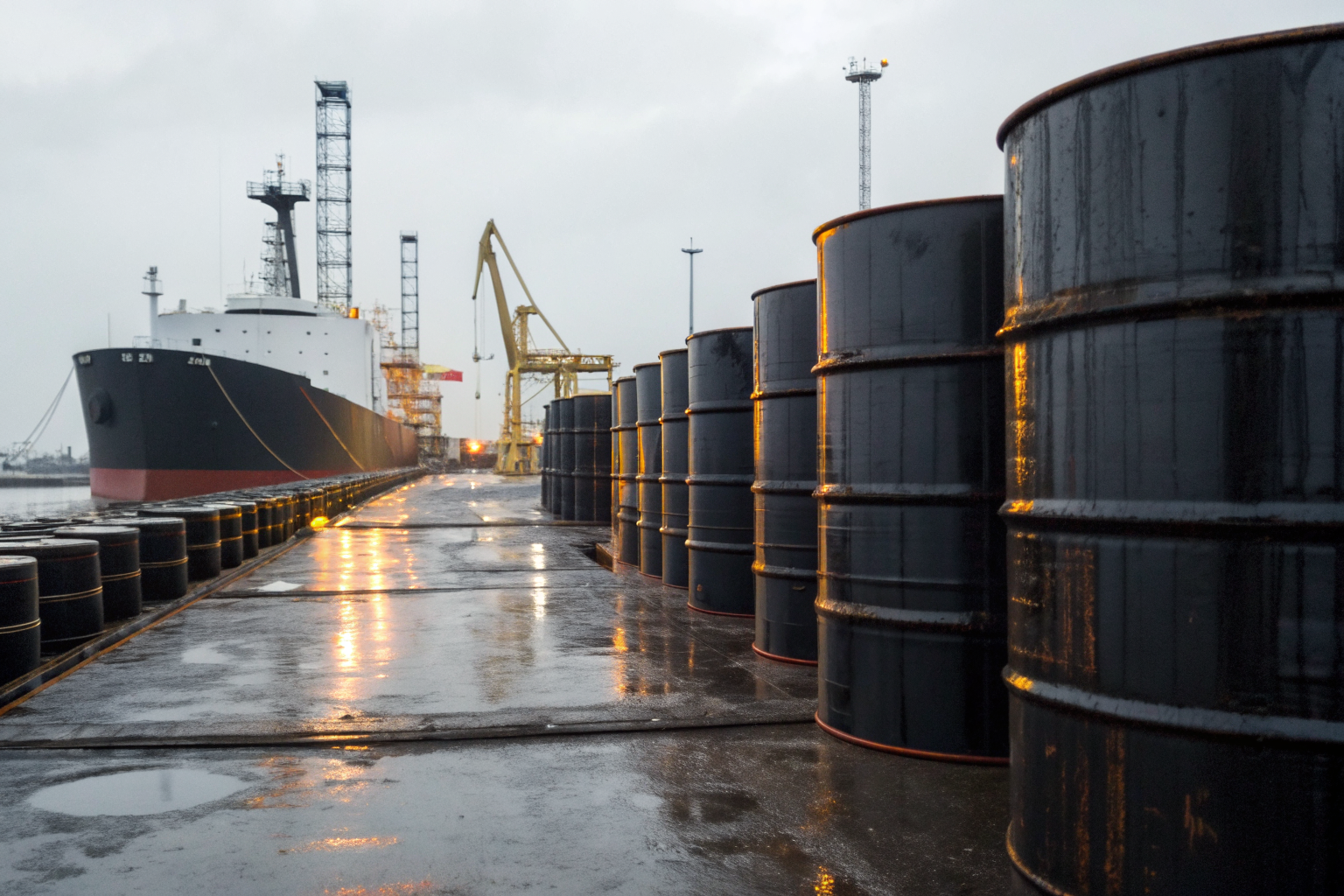
SPCC exclusions apply to oils with specific gravity above 1.0 and regulated hazardous substances under other federal programs. Heavy bunker oils used in marine applications typically measure 1.01-1.05 specific gravity, placing them outside SPCC jurisdiction. These thick, tar-like fuels sink in water rather than float, creating different environmental risks addressed through other regulations.
Regulated hazardous substances under CERCLA receive exclusion from SPCC even when they meet specific gravity requirements. PCB oils, chlorinated solvents, and listed hazardous wastes fall under separate regulatory programs with distinct containment and response requirements. This exclusion prevents overlap between environmental regulations and ensures appropriate specialized treatment.
Secondary containment requirements do not apply to excluded substances, but facility owners must verify exclusion status through proper testing and documentation. The specific gravity threshold creates a bright-line rule, but substances near 1.0 require precise measurement at standard temperature conditions. Temperature variations can shift specific gravity above or below the regulatory threshold.
Some petroleum products approach but exceed the 1.0 limit under certain conditions. Bunker C fuel oil represents the most common exclusion, though lighter bunker grades may qualify for SPCC coverage. Facility owners storing these borderline products must conduct specific gravity testing rather than assume exclusion based on product names or general categories.
How to Determine if Your Oil Requires SPCC Coverage

Facility owners must conduct specific gravity testing using ASTM D1298 testing method at 60°F to determine SPCC applicability. This standardized procedure provides legally defensible results that EPA accepts during inspections and enforcement actions. Temperature control during testing is critical because specific gravity changes with temperature variations.
Documentation requirements include maintaining test results, chain of custody records, and laboratory certifications for all specific gravity determinations. EPA expects facility owners to retain testing documentation for the life of the facility plus three years after oil storage ends. Professional Engineer certification of SPCC Plans requires review of specific gravity test results as part of the technical evaluation.
Compliance timeline begins immediately upon exceeding storage thresholds, with SPCC Plan development required within six months. Facility owners cannot delay compliance pending specific gravity testing if they store oils that commonly fall within SPCC jurisdiction. The six-month development period assumes prompt testing and engineering evaluation.
Spill prevention measures must begin before SPCC Plan completion if storage exceeds thresholds. Interim containment, inspection procedures, and personnel training reduce enforcement risk while formal plan development proceeds. EPA enforcement targets facilities that ignore obvious compliance obligations while claiming uncertainty about oil classification. Professional Engineer involvement ensures proper regulatory interpretation and reduces enforcement exposure through technical credibility.