Spill Kit Requirements: 9 Essential Components for SPCC Response
EPA fines for inadequate spill response average $47,000 per incident, but most facilities still assemble spill kits without understanding spill kit requirements under SPCC regulations.
Key Takeaways:
• SPCC spill kits must contain 9 specific components including 110% containment capacity for the largest tank
• Absorbent materials require 3x the spill volume capacity plus specialized oil-selective booms for water protection
• EPA inspection checklists verify spill kit placement within 25 feet of oil storage areas and annual inventory documentation
What Components Must Every SPCC Spill Kit Contain?
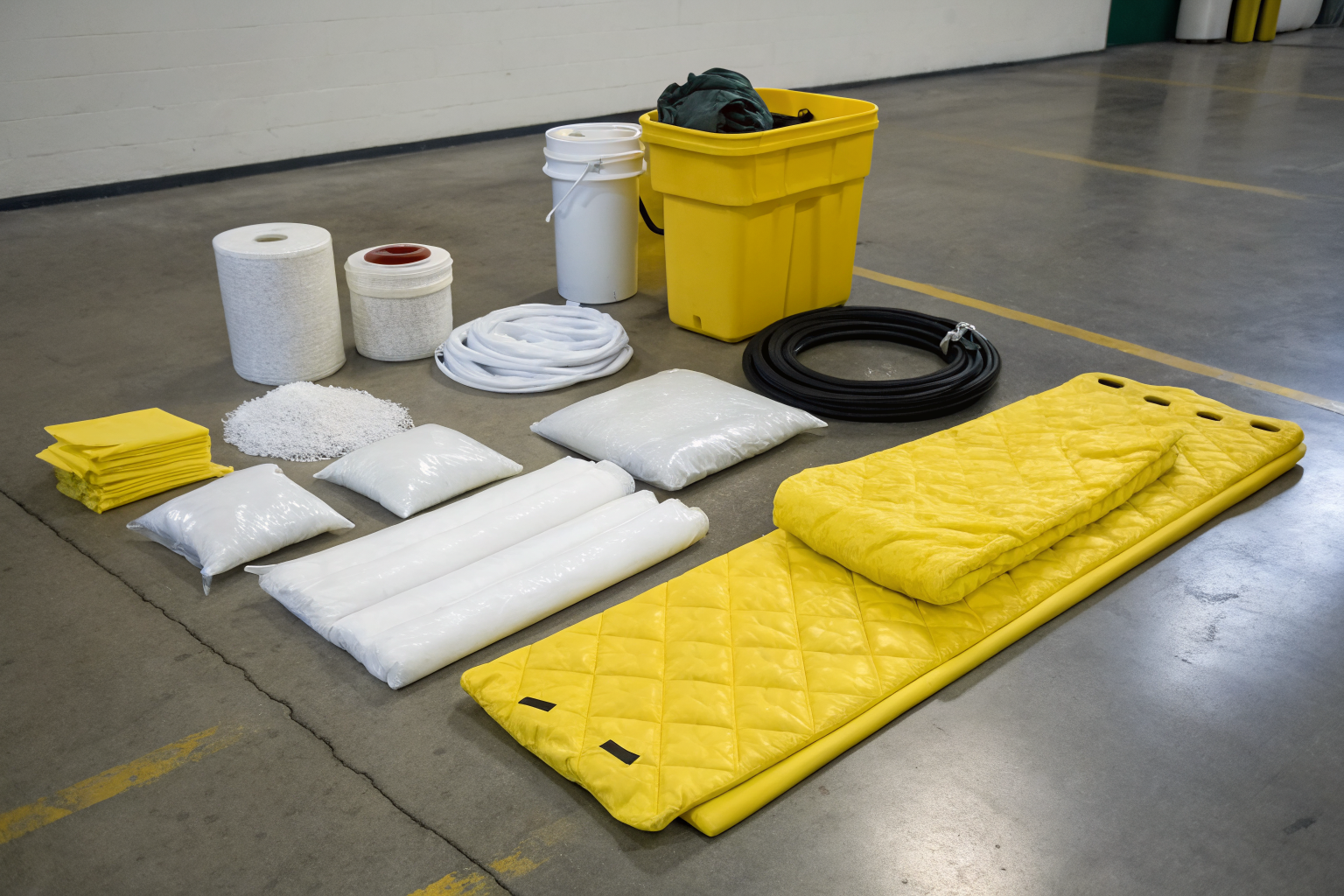
SPCC spill kit requirements define a standardized emergency response system that facilities must maintain under EPA regulations. This means every kit must contain nine essential components designed to contain, control, and clean up oil spills before they reach navigable waters or cause environmental damage.
The SPCC Plan mandates specific equipment because inadequate emergency response capabilities trigger automatic EPA violations during inspections. Facilities cannot simply purchase generic spill kits from industrial suppliers and expect SPCC compliance. The regulations require calculated capacity, verified placement, and documented maintenance of every component.
Each spill kit must provide 110% containment capacity for the largest connected tank in the storage area. For a 10,000-gallon tank, the kit must handle 11,000 gallons of liquid through combined absorbent and containment materials. This calculation includes both the primary spill volume and any rainwater that might mix with released oil during cleanup operations.
EPA Regulations specify that facilities must demonstrate their emergency response capability through equipment verification, not just written procedures. Inspectors check physical kit contents against facility-specific spill scenarios during compliance audits. Missing or inadequate components result in immediate violation notices and financial penalties.
The nine required components work as an integrated system: absorbent materials for liquid pickup, barriers for spill control, personal protective equipment for worker safety, containment vessels for collected materials, tools for application and removal, communication devices for emergency coordination, documentation supplies for incident reporting, decontamination materials for equipment cleaning, and disposal containers for contaminated waste.
Absorbent Materials: Calculating Required Capacity

Absorbent materials must exceed three times the maximum spill volume to ensure complete liquid recovery under varying weather conditions. This means facilities cannot estimate absorbent needs based on normal operating scenarios alone.
Oil-selective materials become mandatory for facilities near water bodies because universal absorbents cannot distinguish between petroleum products and storm water. The EPA requires facilities within 1,000 feet of navigable waters to stock oil-selective booms and pads exclusively to prevent water contamination during spill response.
| Tank Size | Minimum Absorbent Capacity | Oil-Selective Requirement | Boom Length Required |
|---|---|---|---|
| 1,000 gal | 300 gallons absorption | Required if near water | 100 linear feet |
| 5,000 gal | 1,500 gallons absorption | Required if near water | 300 linear feet |
| 10,000 gal | 3,000 gallons absorption | Required if near water | 500 linear feet |
| 25,000 gal | 7,500 gallons absorption | Required if near water | 1,000 linear feet |
| 50,000 gal | 15,000 gallons absorption | Required if near water | 1,500 linear feet |
Spill Prevention protocols require different absorbent materials for different oil types. Light petroleum products like gasoline require fine-fiber pads with high absorption rates, while heavy oils need coarse materials that can handle viscous liquids. Facilities storing multiple oil types must stock appropriate absorbents for each product category.
Oil Storage areas determine absorbent placement and accessibility. Indoor storage requires dust-free absorbent materials that won’t contaminate stored products, while outdoor areas need weather-resistant packaging that maintains absorption capacity during temperature extremes. The materials must remain effective for two years minimum with proper storage.
Absorbent capacity calculations must account for oil expansion during temperature changes. Petroleum products can expand up to 15% in hot weather, requiring additional absorption capacity beyond the base tank volume. Facilities in extreme climate zones adjust their calculations accordingly to maintain compliance year-round.
Secondary Containment Equipment and Barriers
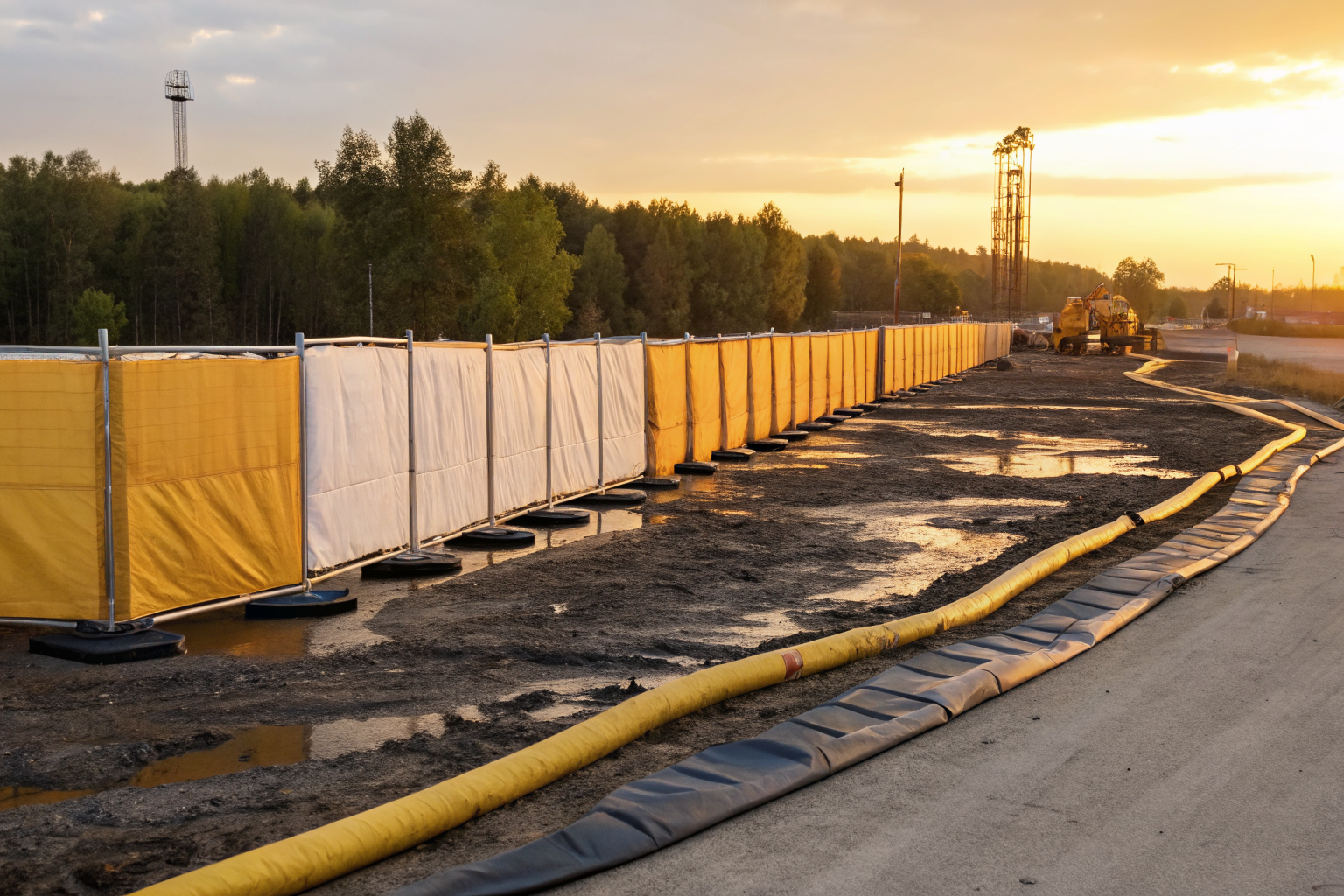
Secondary containment prevents environmental contamination by creating temporary barriers that redirect spilled oil away from sensitive areas. These systems work independently of permanent containment structures and must deploy rapidly during emergency response.
Temporary berming materials form the foundation of portable containment systems. Inflatable barriers can create containment areas up to 10,000 square feet within 15 minutes of deployment, but they require compressed air systems and trained operators. Foam barriers deploy faster but provide lower containment volumes for large spills.
Barriers must withstand 25 mph wind loads during deployment without structural failure. This requirement eliminates lightweight materials that might collapse during severe weather events when spills are most likely to occur. The EPA tests barrier strength during facility inspections using standardized load calculations.
Drain covers provide critical protection for storm water systems that connect to navigable waters. Magnetic covers work on metal grates, while inflatable seals accommodate irregular drain openings. Facilities must stock covers for every drain within 500 feet of oil storage areas, not just those in immediate proximity.
Storm water protection measures extend beyond individual drain covers to include temporary diversion systems. Portable berms can redirect contaminated runoff to collection areas where it can be treated before discharge. These systems become essential during winter months when frozen ground prevents soil absorption of spilled materials.
Response equipment must remain functional in temperatures from -20°F to 120°F because oil spills occur regardless of weather conditions. Materials that become brittle in cold weather or degrade in heat cannot provide reliable emergency response capability. Facilities in extreme climates require specialized barrier materials designed for local conditions.
Emergency supplies include hand tools for barrier deployment, cutting tools for custom fitting, and repair kits for damaged equipment. The EPA expects facilities to demonstrate barrier deployment capability during emergency drills, not just maintain the equipment in storage.
Personal Protective Equipment Standards
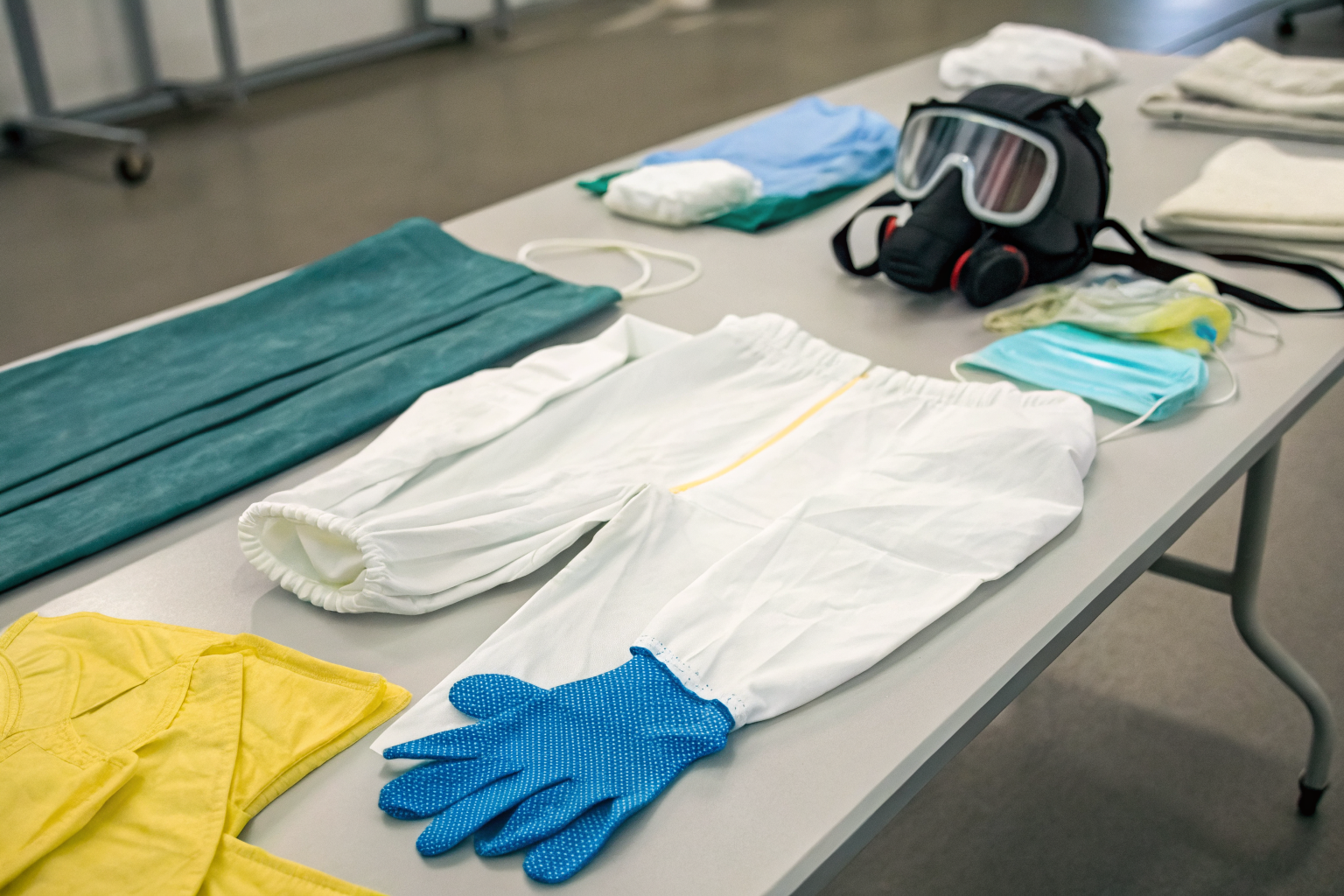
PPE protects response personnel during cleanup operations by preventing direct contact with petroleum products and contaminated materials. The equipment selection depends on the specific oil types stored at each facility and the potential exposure scenarios during spill response.
Level D protection serves as the minimum standard for petroleum products under normal spill conditions. This includes chemical-resistant coveralls, nitrile gloves, safety glasses, and slip-resistant boots. The equipment must provide at least 30 minutes of protection against direct contact with stored oil products.
Level C protection becomes mandatory when dealing with hazardous chemicals or unknown petroleum additives. This requires air-purifying respirators, full-face protection, and chemically-resistant suits. Facilities storing heating oil, diesel fuel, or gasoline with unknown additive packages must provide Level C equipment.
Facilities must follow this PPE selection process: First, identify all stored petroleum products and review their safety data sheets for exposure risks. Second, determine the maximum potential exposure duration during cleanup operations. Third, select equipment rated for the most hazardous product and longest exposure time. Fourth, verify chemical compatibility between PPE materials and stored products.
Storage requirements protect PPE integrity during long-term storage between incidents. Equipment must remain in climate-controlled environments between 40°F and 85°F with less than 60% relative humidity. Ultraviolet light degrades rubber and plastic components, requiring storage in opaque containers away from fluorescent lighting.
Replacement schedules ensure PPE effectiveness when needed for emergency response. Rubber gloves and boots require replacement every 18 months regardless of use frequency. Chemical suits need replacement every 24 months or after any exposure to petroleum products. Respirator cartridges expire 36 months after opening, even without use.
Chemical compatibility testing prevents PPE failure during actual spill response. Facilities must verify that glove materials resist degradation by stored petroleum products through manufacturer compatibility charts or direct testing. Incompatible materials can fail within minutes of petroleum contact.
How Often Should Spill Kit Contents Be Inspected?

Spill kit inspection occurs monthly with comprehensive annual inventory documentation to maintain SPCC compliance and ensure emergency response capability. These inspections verify that equipment remains functional, accessible, and complete when needed for actual spill response.
Monthly visual inspections check for obvious damage, missing components, and environmental degradation of stored materials. Inspectors examine packaging integrity, verify quantities against inventory lists, and confirm that kits remain accessible for emergency deployment. Documentation requires photographs and written condition reports.
| Inspection Type | Frequency | Documentation Required | Key Check Points | Failure Actions |
|---|---|---|---|---|
| Visual Survey | Monthly | Photo log, condition notes | Packaging integrity, accessibility | Immediate replacement |
| Inventory Count | Quarterly | Component checklist | Quantities, expiration dates | Order missing items |
| Function Test | Semi-annual | Equipment performance log | Deployment speed, barrier integrity | Repair or replace |
| Complete Audit | Annual | Full compliance report | All components, calculations, placement | EPA notification if deficient |
| Post-Use Inspection | After any deployment | Incident report, replacement list | Used materials, damaged equipment | Immediate restocking |
Inspection Forms document compliance status for EPA auditors and provide legal protection during violation investigations. The forms must include inspector signatures, dates, specific findings, and corrective actions taken. Electronic documentation systems allow real-time compliance tracking and automated replacement reminders.
Compliance Tools help facilities maintain consistent inspection standards across multiple storage areas and different personnel. Standardized checklists prevent oversight of critical components, while digital tracking systems flag upcoming inspections and expired materials. These tools reduce human error and ensure regulatory compliance.
Documentation requirements extend beyond simple checklists to include photographic evidence of kit condition and placement. The EPA expects facilities to demonstrate inspection thoroughness through detailed records that show attention to specific compliance requirements, not just general maintenance activities.
Inventory tracking prevents equipment shortages during actual emergencies by monitoring usage patterns, expiration dates, and seasonal replacement needs. Facilities that use spill kit components for training or minor incidents must restock immediately to maintain emergency response capability.
Expiration date monitoring ensures that absorbent materials, PPE, and other time-sensitive components remain effective when needed. Many facilities fail EPA inspections because they maintain complete spill kits with expired components that cannot provide adequate emergency response capability.
Spill Kit Placement and Accessibility Requirements
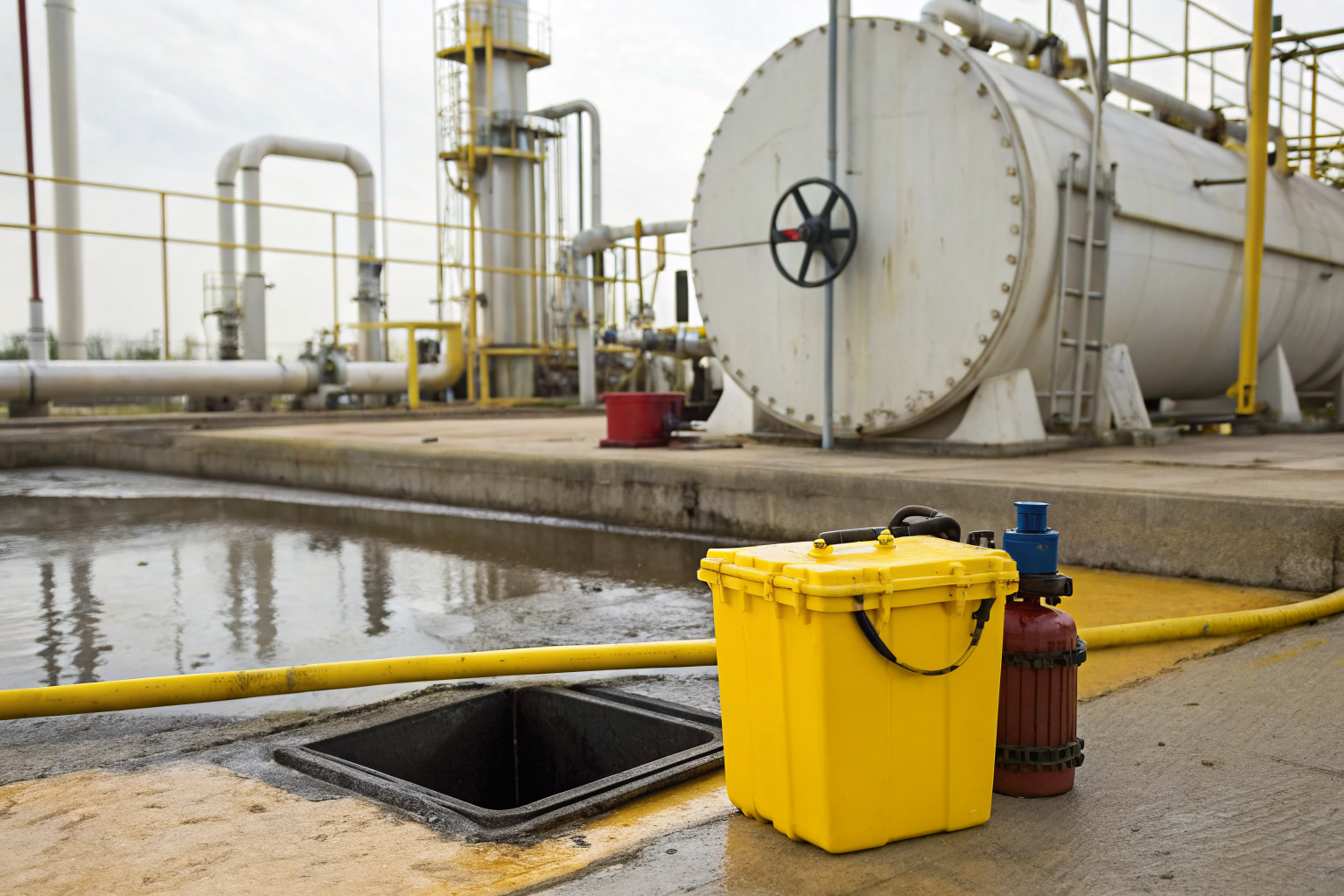
Spill kits must be positioned within 25 feet of oil storage areas to ensure rapid deployment during emergency response situations. This distance requirement reflects the time constraints of effective spill containment and the physical limitations of emergency response personnel.
The 25-foot maximum distance from the largest potential spill source ensures that response teams can begin containment activities within two minutes of spill detection. Greater distances allow oil to spread beyond controllable areas, especially on sloped surfaces or during windy conditions that accelerate spill migration.
Weather protection prevents spill kit degradation while maintaining accessibility during all operating conditions. Outdoor storage requires weatherproof containers that protect contents from temperature extremes, moisture, and ultraviolet radiation. However, these containers cannot impede rapid access during actual emergencies.
Accessibility during emergencies means that spill kits must remain reachable regardless of the spill location or size. Facilities cannot store kits in areas that might become inaccessible due to the spill itself, such as directly adjacent to tank connections or in low-lying areas where spilled oil might accumulate.
Oil Storage configurations determine the number and placement of spill kits throughout a facility. Single large tanks require one comprehensive kit positioned for optimal access. Multiple smaller tanks need strategically placed kits that can respond to simultaneous releases from different storage areas.
SPCC Plan requirements specify that facilities with storage capacity exceeding 42,000 gallons must maintain multiple spill kits positioned to handle worst-case discharge scenarios. Each kit must function independently without requiring materials or equipment from other response locations.
Emergency Response protocols require clear pathways between spill kit storage locations and all potential spill sites. These pathways must remain unobstructed by inventory, equipment, or vehicle traffic that could delay response deployment. Facilities must designate and maintain these emergency access routes as part of their SPCC compliance program.
Multiple kit positioning becomes essential for facilities with separated storage areas or potential spill migration paths that could isolate individual response locations. Each storage cluster requires dedicated spill response capability that doesn’t depend on equipment stored in other facility areas.