
SPCC Inspection Frequency: 4 Critical Scheduling Requirements
EPA violations from missed tank inspections jumped 23% in 2023, making proper SPCC inspection frequency the difference between compliance and costly penalties.
Key Takeaways:
- Monthly visual inspections are mandatory for all tank storage facilities exceeding 1,320 gallons
- Integrity testing intervals range from 3-10 years based on tank age and construction materials
- Documentation must be retained for 3 years minimum with specific timing records for EPA audit preparation
What Are SPCC Inspection Requirements?

SPCC Plan mandates inspection scheduling under 40 CFR 112 regulations for facilities storing oil in containers with aggregate capacity exceeding 1,320 gallons. This means every qualifying facility must establish documented inspection programs that meet EPA requirements for visual monitoring, integrity testing, and periodic assessments.
EPA Regulations distinguish SPCC inspections from other environmental compliance programs through specific container capacity thresholds and oil-focused requirements. Unlike hazardous waste inspections or air quality monitoring, SPCC inspection frequency targets petroleum products and vegetable oils in above-ground and underground storage systems.
Environmental Compliance under SPCC requires three distinct inspection categories. Visual inspections occur monthly for all covered containers. Integrity testing follows construction-specific intervals ranging from three to ten years. Periodic monitoring addresses seasonal weather impacts and operational changes that affect spill prevention systems.
The 1,320-gallon threshold applies to aggregate capacity across all containers at a facility. A facility with four 400-gallon tanks exceeds the threshold and triggers full SPCC inspection requirements. Single containers under 55 gallons receive exemptions from most inspection mandates, but facilities must still account for their capacity in aggregate calculations.
SPCC inspection scheduling differs fundamentally from other regulatory programs because it focuses on prevention rather than remediation. The EPA designed these requirements to catch problems before spills occur, making consistent inspection frequency critical for regulatory compliance and environmental protection.
How Often Do Tanks Require Visual Inspection?
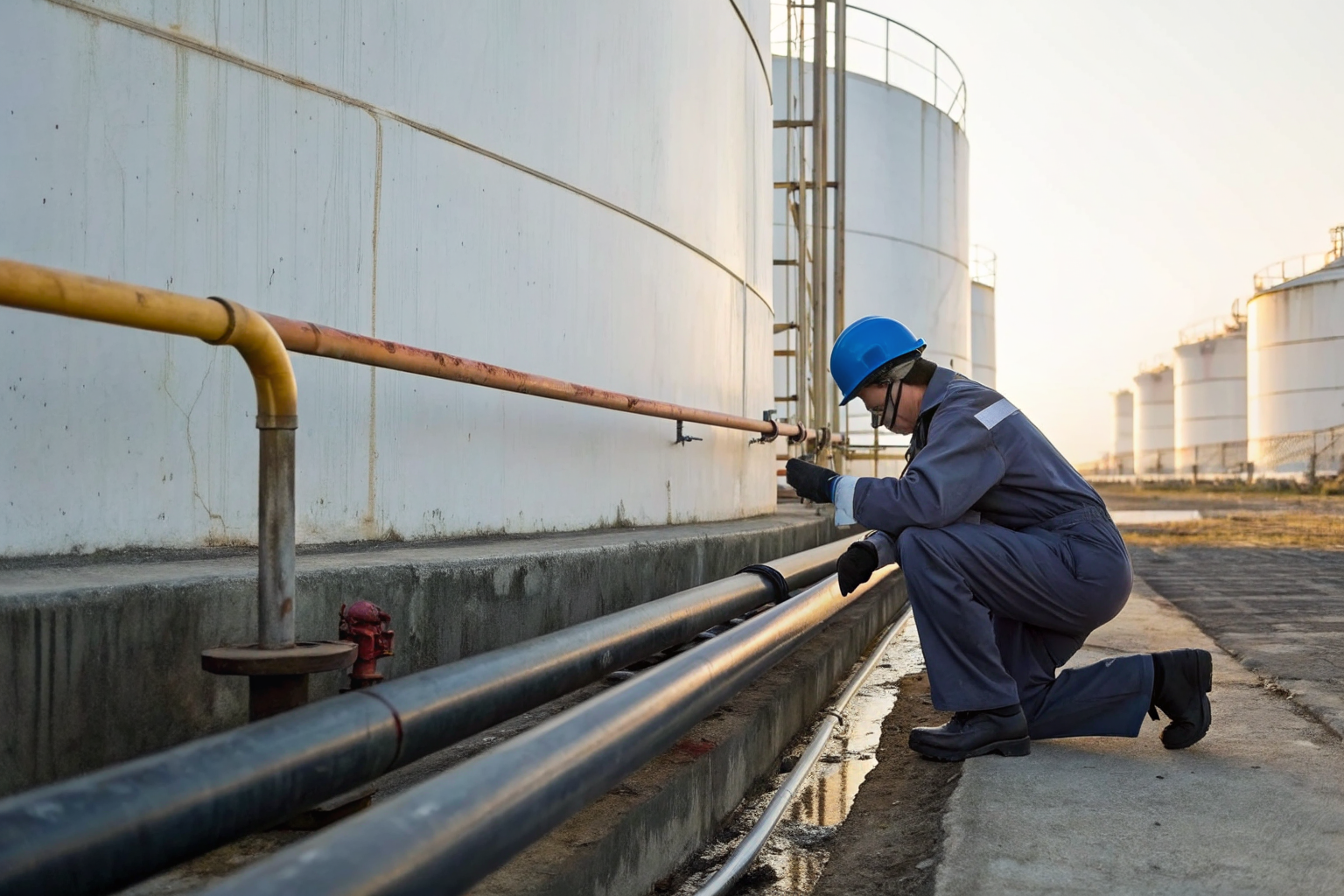
Visual Inspection occurs monthly intervals for all tank storage systems covered under SPCC regulations. This means facility operators must conduct documented visual assessments every 30 days maximum, examining tank exteriors, secondary containment systems, and associated piping for signs of leaks, corrosion, or structural damage.
| Tank Type | Visual Inspection Frequency | Required Documentation | Exemptions |
|---|---|---|---|
| Above-ground steel tanks | Monthly | Checklist with date/inspector | None for covered facilities |
| Fiberglass tanks | Monthly | Visual assessment log | None for covered facilities |
| Underground storage tanks | Annual | Professional inspection report | Buried components only |
| Mobile containers | Monthly | Movement and condition log | Tanks under 55 gallons |
| Secondary containment | Monthly | Integrity and capacity check | None for covered facilities |
Inspection Programs must include specific checklist items mandated by EPA guidance. Visual inspections cover tank shell condition, foundation integrity, valve operations, secondary containment capacity, and spill prevention equipment functionality. Each monthly assessment requires documentation showing inspector name, date, findings, and corrective actions taken.
Tank Storage facilities cannot delegate visual inspection frequency to third parties without maintaining oversight responsibility. While contractors may perform inspections, facility operators remain liable for compliance failures and must verify inspection quality and timing. The EPA holds facility owners responsible for missed inspections regardless of contractor performance.
Buried tank components receive different visual inspection requirements because direct observation is impossible. Underground storage tank systems require annual professional inspections using specialized detection equipment rather than monthly visual assessments. However, above-ground components of underground systems still require monthly visual inspection frequency.
Documentation standards for visual inspections must include photographic evidence for any identified deficiencies. The EPA expects facilities to maintain inspection logs showing consistent monthly timing and detailed findings. Gaps in visual inspection records trigger automatic compliance violations during EPA audits.
Integrity Testing Schedule Requirements

Integrity Testing varies by tank construction type and age, creating different testing intervals based on material degradation patterns and EPA risk assessments. This means steel tanks require more frequent testing than fiberglass systems due to corrosion susceptibility and historical failure data.
| Tank Construction | Age Range | Integrity Testing Interval | Testing Method Required |
|---|---|---|---|
| Steel tanks | 0-10 years | 10 years | Hydrostatic or ultrasonic |
| Steel tanks | 10-20 years | 5 years | Hydrostatic testing mandatory |
| Steel tanks | Over 20 years | 3 years | Annual thickness testing |
| Fiberglass tanks | 0-15 years | 10 years | Hydrostatic testing |
| Fiberglass tanks | Over 15 years | 5 years | Enhanced visual plus hydrostatic |
| Double-wall tanks | All ages | 5 years | Interstitial monitoring |
Secondary Containment systems require integrity testing separate from primary tank schedules. Concrete containment areas need pressure testing every five years to verify structural integrity and liquid-tight construction. Steel secondary containment follows the same intervals as primary steel tanks based on construction date and material thickness.
Tank Storage facilities must coordinate integrity testing with operational schedules because most testing requires tanks to be empty and out of service. The EPA allows facilities to group testing schedules for operational efficiency, but cannot extend individual tank intervals beyond regulatory maximums. Facilities often schedule integrity testing during planned maintenance shutdowns.
Three-year intervals for steel tanks over 20 years old reflect accelerated corrosion rates and higher failure probabilities. The EPA established these shortened intervals based on industry failure data showing exponential risk increases after two decades of service. Steel tanks approaching 30 years typically require annual integrity assessments regardless of previous testing results.
Testing method requirements vary by tank construction and regulatory interpretation. While hydrostatic testing remains the gold standard, the EPA accepts ultrasonic thickness testing and vacuum testing for specific applications. However, facilities must demonstrate testing method equivalency and maintain professional engineer certification for alternative approaches.
When Must Periodic Monitoring Occur?

Periodic Monitoring follows compliance timing beyond visual and integrity testing requirements, addressing environmental conditions and operational changes that affect spill prevention effectiveness. This means facilities must conduct quarterly assessments of weather-related impacts, seasonal ground movement, and equipment performance variations.
First, establish baseline monitoring immediately after SPCC Plan implementation. Document all tank conditions, secondary containment capacity, and environmental factors affecting facility operations. This baseline provides comparison data for future periodic monitoring activities and helps identify gradual changes that escape monthly visual inspections.
Second, conduct quarterly monitoring during seasonal transition periods when ground freeze-thaw cycles and temperature variations stress tank systems most severely. Spring monitoring focuses on winter damage assessment and foundation settlement. Summer monitoring addresses thermal expansion effects and storm drainage functionality. Fall monitoring prepares systems for winter weather impacts.
Third, perform event-triggered monitoring after significant weather events, seismic activity, or operational changes that could affect tank integrity or spill prevention systems. Heavy rainfall, flooding, earthquakes, and facility modifications all trigger mandatory periodic monitoring requirements within 30 days of the triggering event.
Fourth, implement monthly monitoring for high-risk facilities based on EPA guidance patterns including facilities with tanks over 25 years old, previous spill history, or proximity to sensitive environmental areas. These enhanced monitoring requirements often result from enforcement actions or voluntary compliance improvements.
Inspection Programs must integrate periodic monitoring with existing visual and integrity testing schedules to avoid redundant activities while ensuring comprehensive coverage. Facilities typically combine quarterly monitoring with monthly visual inspections by expanding assessment scope during designated quarterly periods.
Environmental Compliance requires periodic monitoring documentation separate from routine inspection records. The EPA expects facilities to maintain monitoring reports showing systematic assessment of changing conditions and proactive responses to identified risks.
How Do Scheduling Requirements Impact Audit Preparation?

Audit Preparation requires documented scheduling compliance across all SPCC inspection categories because EPA auditors systematically review inspection timing, frequency, and documentation quality during facility visits. This means facilities must maintain comprehensive records showing consistent adherence to monthly visual inspections, integrity testing intervals, and periodic monitoring schedules.
EPA Regulations require facilities to produce inspection schedules and completed documentation within 24 hours of audit notification. Auditors specifically examine inspection frequency patterns, looking for gaps that indicate non-compliance or inadequate oversight. Missing monthly visual inspections or delayed integrity testing trigger automatic violations regardless of actual tank condition.
The three-year minimum retention requirement applies to all inspection documentation including visual inspection checklists, integrity testing reports, periodic monitoring assessments, and corrective action records. However, facilities must maintain scheduling calendars and compliance tracking systems for the full operational life of covered tanks. EPA auditors often request historical scheduling patterns extending beyond the three-year minimum.
Environmental Compliance audits focus heavily on inspection scheduling because consistent timing demonstrates systematic spill prevention management. Facilities with irregular inspection patterns or frequent schedule deviations face enhanced scrutiny and follow-up audits. The EPA views scheduling compliance as a leading indicator of overall SPCC program effectiveness.
Documentation standards for audit preparation require electronic backup systems and organized filing protocols that allow rapid record retrieval during EPA visits. Facilities must demonstrate scheduling compliance through calendar systems, automated reminders, and completion tracking databases. Paper-only systems rarely satisfy EPA expectations for large facilities with multiple tank systems.
Common audit triggers from scheduling failures include missed integrity testing deadlines, gaps in monthly visual inspection records, and inadequate periodic monitoring after weather events. These scheduling violations often lead to broader facility audits examining SPCC Plan implementation, employee training adequacy, and spill response capabilities beyond basic inspection compliance.