
Double-Walled Tank Secondary Containment: Complete Guide to Integral Systems
Double-walled tank secondary containment eliminates the need for traditional dike systems by building secondary containment directly into the tank structure itself. This integral approach transforms bulk storage compliance from external engineering to built-in protection.
Key Takeaways:
• Double-walled tanks provide 110% containment capacity through integral design, meeting EPA requirements without external berms
• Interstitial monitoring detects leaks at 0.1 gallon per hour sensitivity, faster than any external containment method
• Tank-within-tank systems cost 15-30% less than equivalent single-wall tanks plus concrete containment areas
What Makes Double-Walled Tank Systems Different from Traditional Secondary Containment?
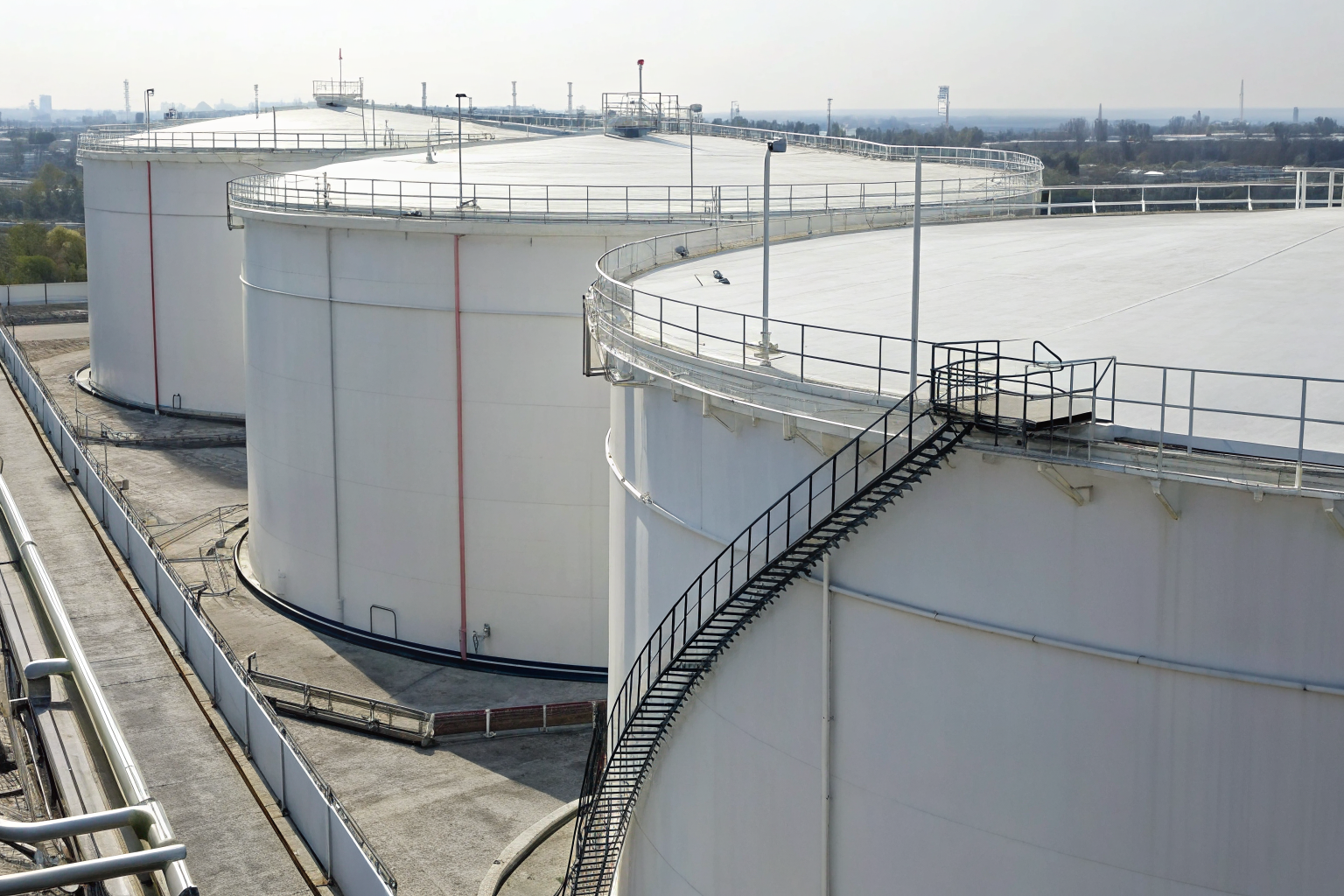
Double-walled tank systems integrate secondary containment directly into the tank construction through a tank-within-tank design. This means the outer shell serves as the containment barrier, eliminating the need for separate dikes, berms, or concrete containment areas that surround traditional single-wall tanks.
Traditional secondary containment relies on external barriers constructed around oil storage tanks. These systems require excavation, concrete pours, and waterproof linings that must be separately maintained and inspected. The containment area sits outside the tank, creating a separate system that collects spills after they’ve already left the primary storage vessel.
Integral containment systems work differently. The secondary containment exists as part of the tank structure itself. If the inner tank develops a leak, the spilled material gets captured in the interstitial space between the inner tank and outer shell before it ever reaches the environment. This fundamental design difference changes how spill prevention works at the most basic level.
The EPA requires secondary containment systems to hold 110% of the largest tank’s capacity within the containment area. Double-walled tank systems meet this requirement through the volume between the inner and outer walls, calculated during the tank design phase. Traditional external containment must be sized and constructed to achieve this same 110% capacity through separate bermed areas around the tank installation.
Double Wall Construction: Inner Tank and Outer Shell Design
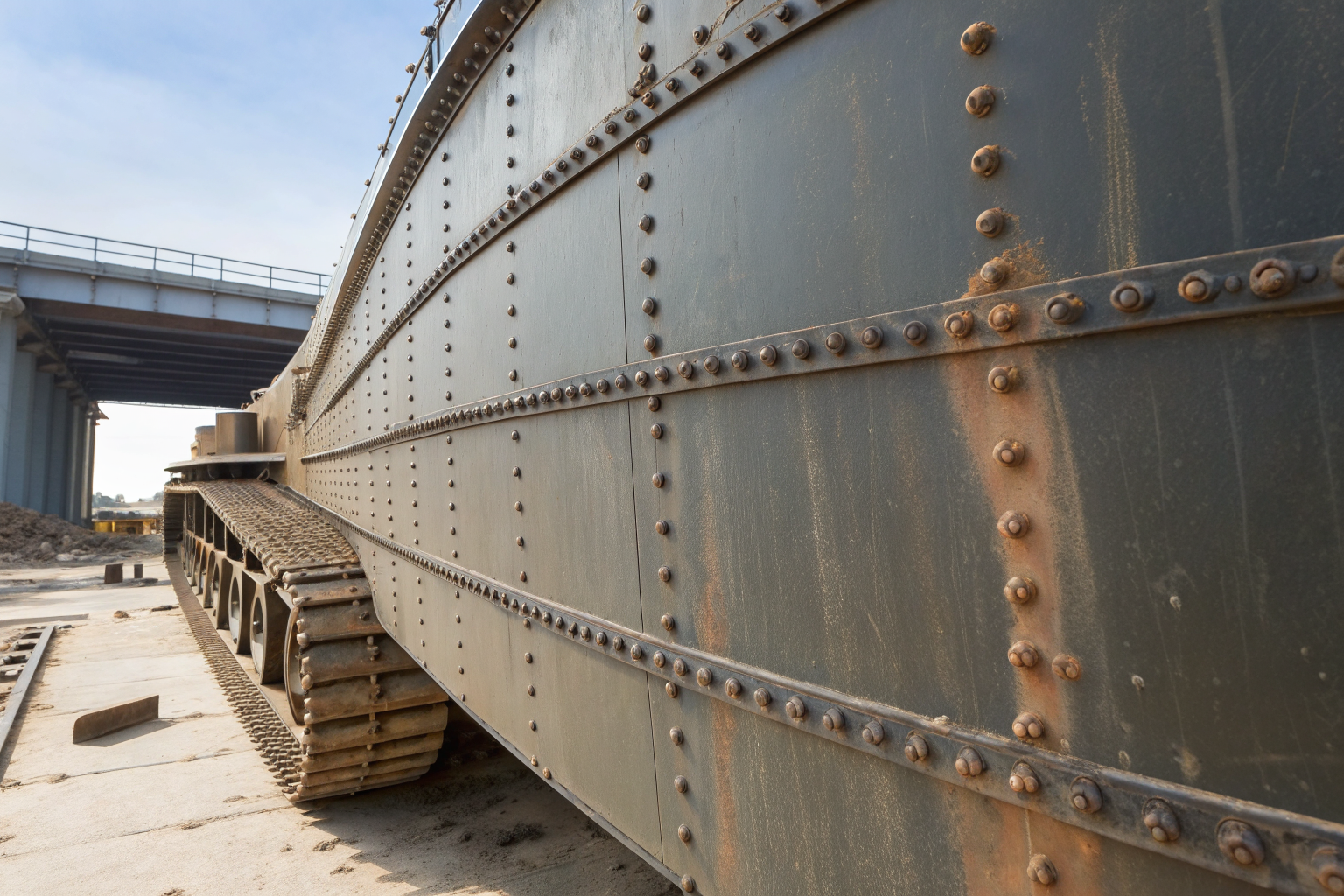
Inner tank construction uses the same materials and welding standards required for primary oil storage tanks. The inner vessel holds the stored product and operates under normal tank pressure and temperature conditions. Wall thickness follows API 650 standards for the specific product being stored, typically ranging from 3/16 inch to 1/2 inch depending on tank diameter and height.
The outer containment shell sits separated from the inner tank by a carefully designed interstitial space. This space typically measures 6 to 12 inches between the tank walls, providing sufficient volume to meet the 110% containment requirement while allowing access for monitoring equipment. The outer shell uses lighter gauge steel since it only needs to contain spilled material, not withstand the operational pressures of the stored product.
Structural integrity between the walls gets maintained through carefully placed support systems that don’t compromise the containment function. Tank manufacturers use web supports or engineered spacers that maintain the interstitial gap while transferring wind and seismic loads from the outer shell to the inner tank structure. These supports must be sealed to prevent any breach of the containment barrier.
Bulk storage installations often use double-walled tank systems for petroleum products, chemicals, and other hazardous liquids where spill prevention takes priority over initial cost savings. The manufacturing process involves constructing both vessels simultaneously, ensuring proper alignment and maintaining the precise interstitial spacing throughout the tank height. Quality control during fabrication becomes critical since any manufacturing defect compromises the entire containment system.
The bottom design requires special attention since it must support the inner tank weight while providing complete containment coverage. Most double-walled tanks use a continuous outer bottom that extends beyond the inner tank footprint, creating a catch basin effect that captures any bottom-originated leaks.
How Does Interstitial Monitoring Work in Double-Wall Systems?
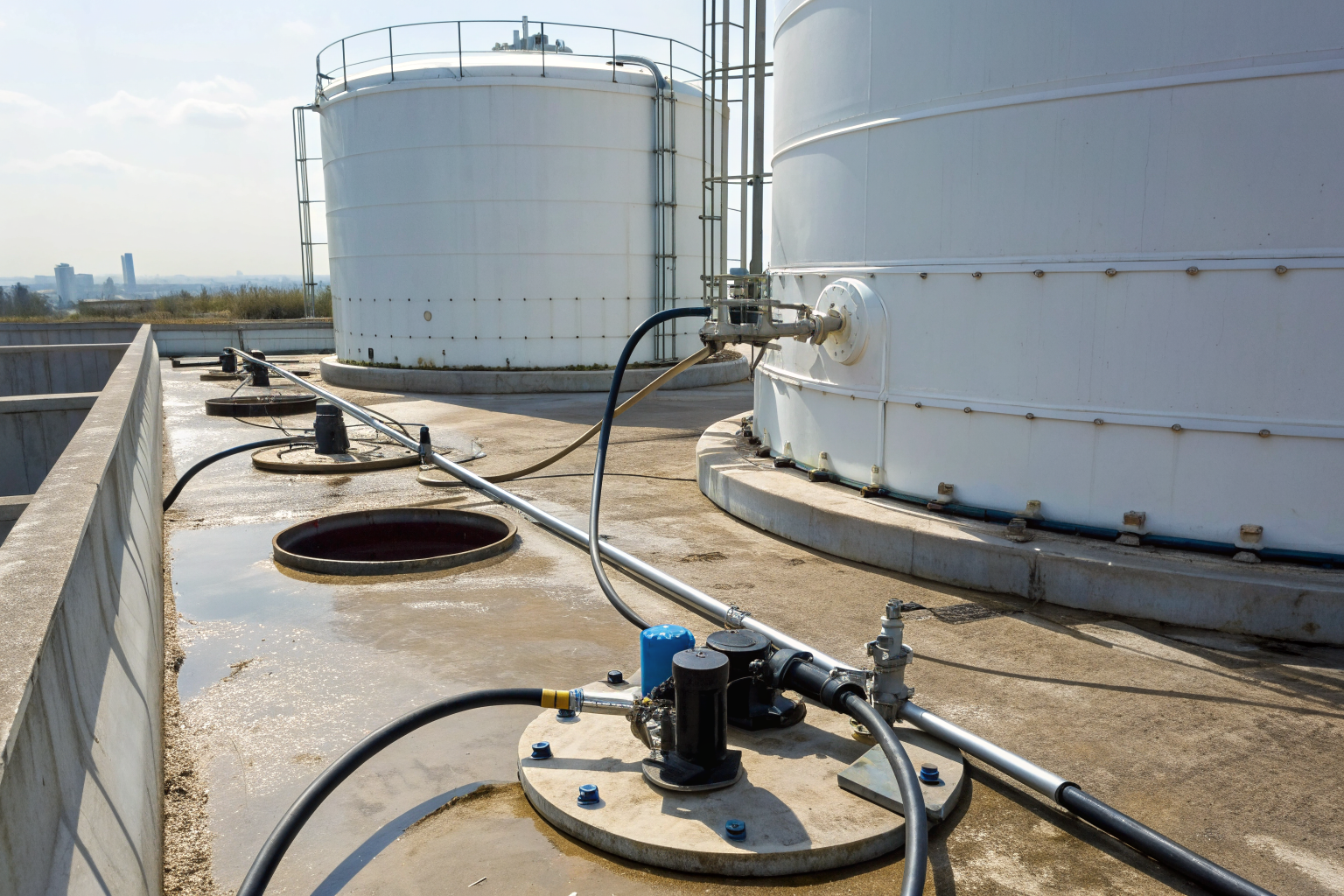
Interstitial monitoring detects leaks between the inner tank and outer shell through continuous surveillance of the space between the walls. This monitoring happens through sensors installed in the interstitial area that can detect liquid accumulation, pressure changes, or vapor presence depending on the monitoring method selected.
Step 1: Install monitoring equipment in the interstitial space during tank construction. Liquid sensors get positioned at the lowest point of the space between walls, while pressure or vacuum monitoring systems connect to the interstitial area through dedicated ports. The monitoring system must have access to the entire interstitial volume.
Step 2: Establish baseline readings for the monitoring system. Pressure-based systems create a slight vacuum or positive pressure in the interstitial space and monitor for changes that indicate a breach in either wall. Liquid detection systems establish zero liquid level as the baseline and alarm when any accumulation occurs.
Step 3: Connect monitoring equipment to alarm systems that provide immediate notification of containment breaches. Most installations tie interstitial monitoring into facility-wide alarm systems or remote monitoring services that can respond 24/7 to containment failures.
Step 4: Conduct regular testing and calibration of monitoring equipment according to manufacturer specifications and regulatory requirements. This includes sensor functionality tests, alarm response verification, and documentation of system performance.
Detection sensitivity for modern interstitial monitoring systems reaches 0.1 gallon per hour for liquid accumulation methods. Pressure-based monitoring can detect breaches within minutes of occurrence, while liquid sensors respond as soon as leaked material accumulates in the interstitial space. This response time significantly exceeds the detection capability of external containment systems that rely on visual inspection or periodic monitoring.
Spill prevention through interstitial monitoring works because the system detects failures in the primary containment before any environmental release occurs. The outer shell continues to provide containment while repairs get scheduled for the inner tank.
EPA Regulations and SPCC Plan Requirements for Integral Containment
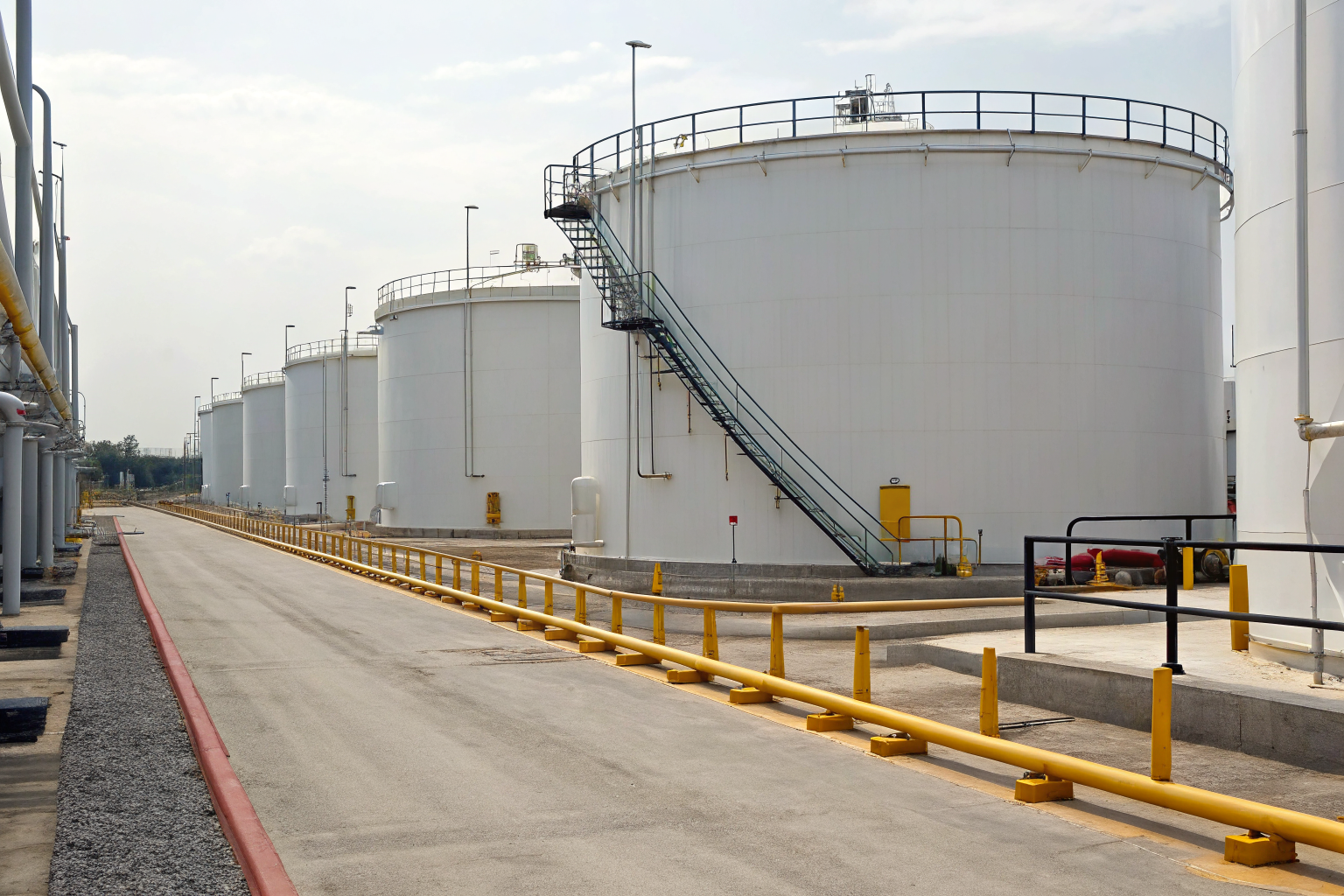
EPA regulations govern integral containment systems under the same Spill Prevention, Control, and Countermeasure (SPCC) rules that apply to all oil storage facilities. However, the regulatory compliance path differs significantly between integral and external containment approaches.
| Requirement | Integral Containment | External Containment |
|---|---|---|
| Capacity Calculation | Built into tank design, certified by manufacturer | Must be calculated and verified through field measurement |
| Precipitation Management | No accumulation in sealed interstitial space | Requires pumping and disposal of collected stormwater |
| Inspection Frequency | Visual exterior inspection monthly, interstitial monitoring continuous | Visual inspection of containment area monthly, manual capacity verification |
| Documentation | Tank certification, monitoring records | Containment calculations, drainage records, inspection logs |
| Professional Engineer Review | Required for SPCC plan, tank design pre-certified | Required for both SPCC plan and containment area design |
| Leak Detection Testing | Interstitial monitoring system calibration annually | No specific leak detection requirements for external systems |
SPCC plan integration for double-walled tank systems focuses on the interstitial monitoring capabilities and response procedures for containment breaches. The plan must document how the facility will respond to interstitial alarms, including procedures for investigating potential leaks and taking the affected tank out of service if necessary.
Containment systems using integral design must still comply with general SPCC requirements for oil storage facilities, including employee training, equipment maintenance, and spill response procedures. The advantage comes from simplified containment verification since the manufacturer provides certified capacity calculations rather than requiring field measurement of external containment areas.
Regulatory inspectors focus on the functionality of interstitial monitoring systems during SPCC compliance reviews. This includes verification that monitoring equipment receives regular calibration, alarm systems function properly, and facility personnel understand response procedures for containment breaches detected through the monitoring system.
Managing Precipitation and Drainage in Double-Walled Tank Systems
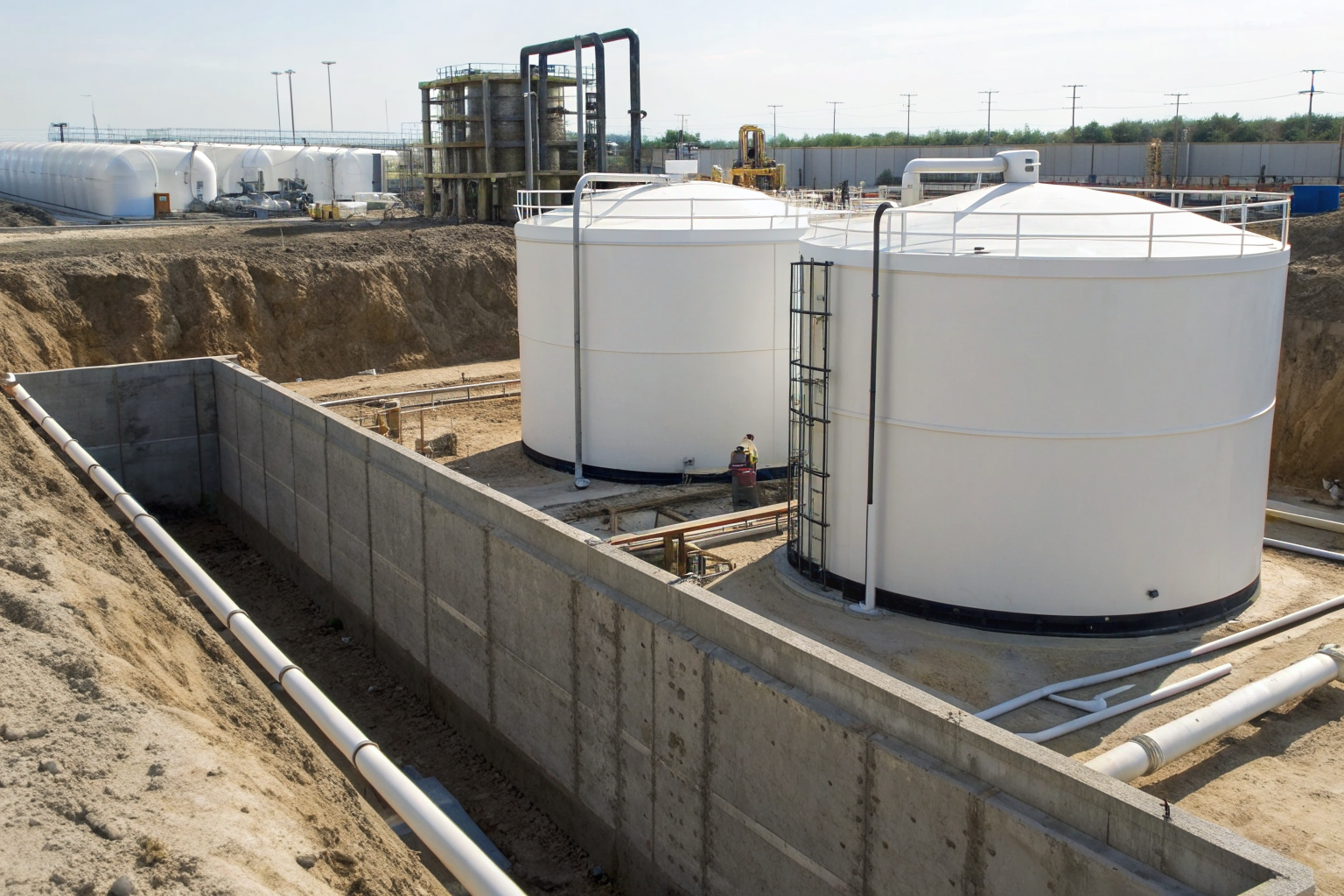
Double-walled systems eliminate precipitation accumulation issues that plague external containment areas because the interstitial space remains sealed from weather exposure. This fundamental design difference removes the most complex operational challenge facing traditional secondary containment installations.
External containment areas collect rainwater, snow, and other precipitation that must be managed to maintain the required containment capacity. Facilities with bermed containment areas spend significant resources pumping accumulated water, testing it for contamination, and disposing of it properly. Storm events can fill containment areas to capacity, temporarily eliminating spill protection until the water gets removed.
Sealed system benefits extend beyond precipitation management to include elimination of contamination from external sources. Traditional containment areas can accumulate debris, sediment, and other materials that reduce effective capacity and complicate cleanup efforts when spills occur. The interstitial space in double-walled tank systems remains clean and dedicated entirely to containment function.
Drainage systems become unnecessary with integral containment since no water accumulates in the interstitial space. This eliminates the need for pumps, drainage piping, holding tanks, and associated maintenance that external containment requires. Facilities avoid ongoing operational costs for precipitation management while maintaining full containment capacity regardless of weather conditions.
The elimination of precipitation management translates to significant cost savings over the tank’s operational life. A typical 10,000-gallon external containment area might collect 2,500 gallons of stormwater during a moderate rain event, requiring pumping and disposal costs of $500-1,000 per incident. Double-walled tank systems never face these recurring expenses while providing superior containment reliability.