Secondary Containment Impracticability: 7 Alternatives When Containment Isn’t Feasible
Secondary containment impracticability determinations face harsh EPA scrutiny. EPA rejected 73% of impracticability determinations in 2023 because facilities failed to prove that traditional secondary containment was genuinely impossible. Most rejections stemmed from confusing inconvenience with true impracticability.
Key Takeaways:
• Seven documented alternatives exist when secondary containment violates local regulations or creates greater environmental risk
• EPA requires three specific criteria met before approving impracticability determinations under 40 CFR 112.7(d)
• Alternative measures must provide equivalent environmental protection through quantifiable spill response capabilities
What Makes Secondary Containment Impracticable Under EPA Standards?

Secondary containment impracticability is a regulatory determination that traditional containment systems cannot be implemented due to specific technical or regulatory conflicts. EPA regulations define impracticability under 40 CFR 112.7(d) through three mandatory criteria. This means facilities must demonstrate genuine impossibility, not mere inconvenience or cost concerns.
The first criterion requires proof that secondary containment would conflict with applicable state or local fire codes, building codes, or other regulations. Simple cost objections fail this test. The second criterion demands evidence that secondary containment creates a greater risk of environmental damage than the proposed alternative. The third criterion mandates that alternative measures provide equivalent environmental protection.
SPCC Plans must document each criterion with engineering analysis and regulatory citations. EPA regulations require Professional Engineer certification of the impracticability determination. The burden of proof rests entirely on the facility owner. Weak documentation triggers automatic rejection.
EPA distinguishes between genuine impracticability and operational preferences. Secondary containment that costs more than expected remains practicable. Systems requiring modification of existing structures remain practicable. Only situations where containment violates mandatory regulations or increases environmental risk qualify for impracticability determinations.
How Do You Document an Impracticability Determination?

SPCC Plan documentation requires systematic proof that secondary containment meets impracticability criteria under EPA oversight. The documentation process follows specific steps that EPA reviewers evaluate against regulatory standards. Professional Engineer certification under 40 CFR 112.3(d) validates all technical determinations.
Step one involves collecting regulatory conflicts. Gather fire codes, building codes, zoning ordinances, and environmental regulations that prohibit secondary containment installation. Document specific regulatory sections and enforcement agency positions. Generic concerns about “potential conflicts” fail EPA review.
Step two requires environmental risk analysis. Compare environmental risks of secondary containment versus proposed alternatives. Quantify potential damage scenarios using spill modeling and environmental impact assessments. Calculate response times, detection capabilities, and containment volumes for each approach.
Step three demands alternative measure specifications. Design alternative systems with performance metrics, monitoring protocols, and maintenance schedules. Include equipment specifications, detection sensitivity thresholds, and response procedures. EPA requires quantifiable protection standards equivalent to traditional containment.
Step four involves Professional Engineer review and certification. The PE must verify technical analysis, confirm regulatory conflicts, and certify that alternatives provide equivalent protection. PE certification carries legal liability and professional responsibility for accuracy.
Common rejection reasons include insufficient regulatory documentation, weak environmental risk analysis, and inadequate alternative measure specifications. EPA particularly scrutinizes cost-based arguments disguised as technical impracticability claims.
7 Proven Alternatives When Traditional Containment Fails

Alternative measures provide equivalent environmental protection when secondary containment becomes impracticable through EPA-approved methods. These alternatives require specific performance standards and monitoring protocols to meet regulatory equivalency requirements.
| Alternative Method | Detection Sensitivity | Response Time Requirement | Primary Application |
|---|---|---|---|
| Integrity Testing | 0.1 gallon/hour leak rate | 24-hour detection cycle | Above-ground storage tanks |
| Leak Detection Systems | 0.05 gallon/hour sensitivity | 15-minute alarm response | Underground storage areas |
| Drainage Control | 100% containment capacity | 30-minute isolation time | Facility-wide systems |
| Enhanced Response Procedures | Visual detection threshold | 10-minute mobilization | All storage configurations |
| Continuous Monitoring | Real-time detection | Immediate notification | Critical storage areas |
| Double-Wall Tanks | Interstitial monitoring | 24-hour assessment cycle | High-risk storage applications |
| Remote Impoundments | Full tank capacity | 60-minute diversion time | Large bulk storage facilities |
Integrity testing involves systematic pressure testing and visual inspection protocols that detect structural weaknesses before failure occurs. Oil storage systems undergo monthly testing cycles with documented leak rate measurements. This alternative works best for above-ground storage tanks with accessible testing points.
Leak detection systems use electronic sensors that monitor soil conditions, groundwater levels, and vapor concentrations around storage areas. These systems require 0.05 gallon per hour detection sensitivity and automatic alarm functions. Bulk storage facilities use this method when traditional containment conflicts with fire safety requirements.
Drainage control systems capture and divert spilled oil through engineered collection networks that prevent environmental contamination. These systems require capacity calculations based on largest single tank volume and precipitation considerations. Remote impoundments serve as secondary containment located away from primary storage areas when on-site containment violates local regulations.
When Does Precipitation Make Containment Impracticable?
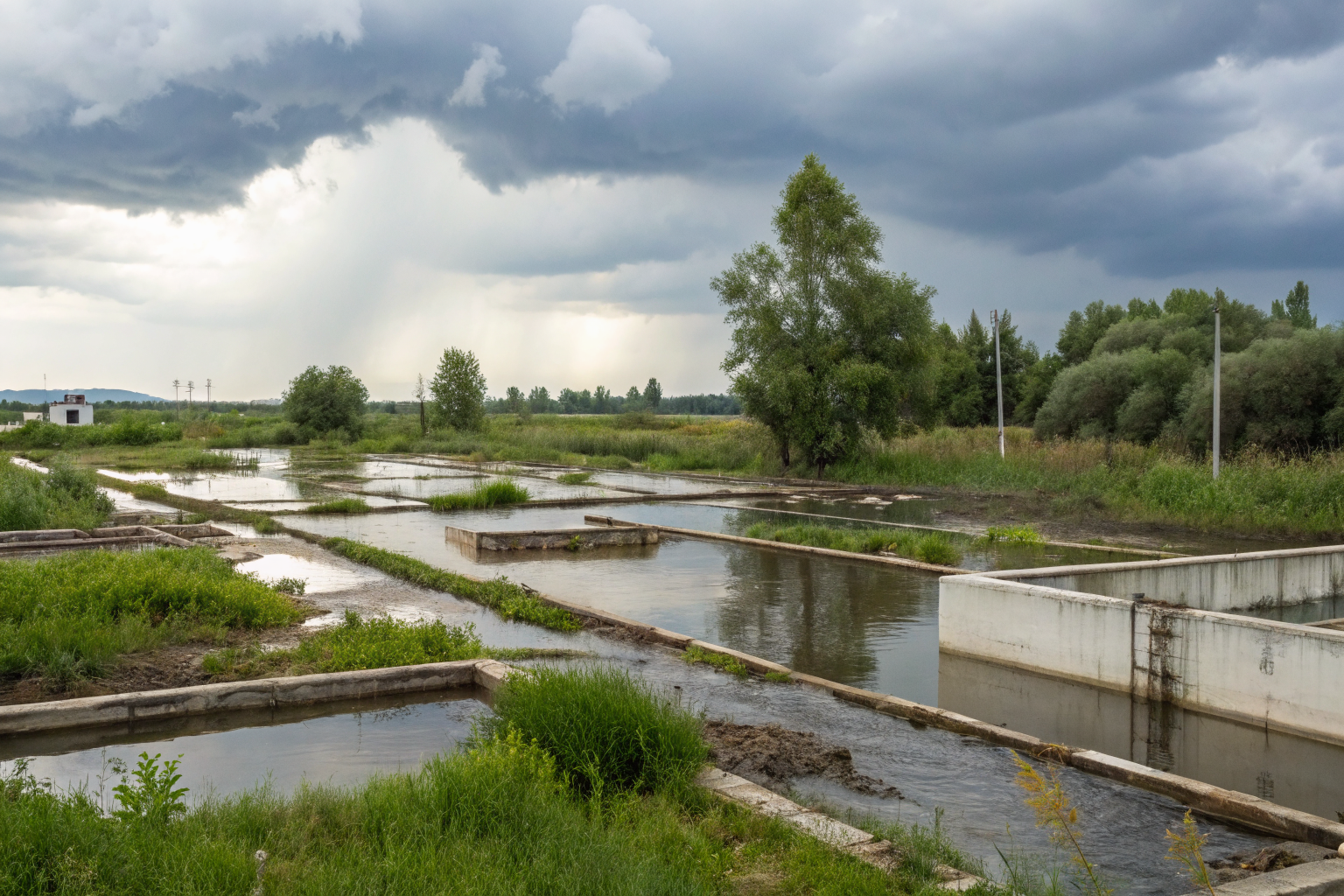
Precipitation creates drainage complications that can render secondary containment systems impracticable under specific climate conditions. EPA regulations recognize that excessive precipitation accumulation in containment areas poses environmental risks greater than alternative protection methods.
Regional precipitation data supports impracticability claims when annual rainfall exceeds containment system drainage capacity. Areas receiving more than 60 inches annual precipitation often experience containment overflow during storm events. Drainage systems cannot handle combined oil spill and stormwater volumes without environmental discharge.
Containment Systems in high-precipitation regions face three critical problems. First, accumulated stormwater dilutes spilled oil and increases total liquid volume requiring management. Second, contaminated stormwater requires treatment as hazardous waste rather than simple disposal. Third, overflow from containment areas creates larger environmental contamination than controlled alternative systems.
Stormwater management integration offers the primary solution for precipitation-based impracticability. Facilities design oil-water separation systems that handle combined precipitation and potential spill volumes. These systems include automated diversion valves, settling ponds, and treatment capabilities that exceed simple containment requirements.
Climate-based impracticability scenarios include areas with seasonal flooding, regions with inadequate drainage infrastructure, and locations where groundwater infiltration compromises containment integrity. EPA approves these determinations when facilities demonstrate that traditional containment increases environmental risk compared to enhanced monitoring and response alternatives.
Which Industries Successfully Use Containment Alternatives?

Bulk Storage facilities in specific industries implement alternatives with higher EPA approval rates than general industrial applications. These industries developed specialized approaches that address unique operational constraints while maintaining spill prevention effectiveness.
Petroleum terminals achieve 67% impracticability approval rates through enhanced monitoring systems and rapid response protocols. These facilities handle multiple product types with varying environmental risks that require customized protection approaches. Spill Prevention programs emphasize early detection and immediate containment rather than passive secondary containment systems.
Chemical manufacturing facilities use double-wall storage systems and continuous monitoring technology to replace traditional containment. These facilities handle products where secondary containment creates fire safety hazards or chemical compatibility problems. Oil Storage areas integrate with process safety management systems that provide superior environmental protection.
Power generation facilities implement impracticability alternatives when containment systems conflict with electrical safety codes and fire protection requirements. These facilities use integrity testing programs and enhanced drainage control systems. Their alternatives focus on preventing releases rather than containing released materials.
Marine terminals and port facilities achieve impracticability approval through specialized response equipment and trained personnel protocols. These facilities cannot install traditional containment due to tidal influences and shipping operations. Their alternatives emphasize rapid spill response and specialized containment equipment deployment.
Aviation fuel storage facilities use underground containment and leak detection systems that exceed traditional secondary containment performance. These facilities face unique fire safety requirements that make above-ground containment impracticable.
What Equivalent Protection Standards Must You Meet?

Equivalent protection requires quantifiable performance standards that match or exceed traditional secondary containment environmental benefits. EPA regulations demand specific detection sensitivity, response time benchmarks, and maintenance protocols that demonstrate measurable protection capabilities.
Equivalent protection means alternative systems detect releases at 0.05 gallons per hour or better sensitivity levels. This detection threshold matches the environmental protection provided by properly maintained secondary containment systems. Spill Prevention programs must document detection equipment calibration, alarm response procedures, and corrective action protocols.
Monitoring requirements include continuous or daily inspection cycles depending on storage system risk levels and alternative method specifications. High-risk storage areas require real-time monitoring with immediate alarm capabilities. Lower-risk applications use daily visual inspections combined with weekly electronic monitoring cycles.
Response time benchmarks vary by alternative method but must demonstrate faster environmental protection than passive containment systems. Leak detection systems require 15-minute maximum alarm response times. Enhanced response procedures demand 10-minute personnel mobilization capabilities. These response times must include equipment deployment and initial containment actions.
Maintenance protocols require documented inspection schedules, equipment calibration records, and performance verification testing. Alternative systems undergo quarterly performance testing to verify detection sensitivity and response capability. EPA Regulations require annual Professional Engineer certification of system performance and maintenance adequacy.
Regulatory compliance verification involves third-party testing of detection equipment, response drill documentation, and maintenance record reviews. Facilities maintain performance data that demonstrates equivalent or superior environmental protection compared to traditional secondary containment systems. This data supports impracticability determination renewals and regulatory compliance audits.