
Valve Inspection Requirements: 4 Essential Maintenance Standards
EPA citations for valve maintenance violations increased 34% in 2023, with drain valve failures accounting for the majority of SPCC compliance failures. Facilities need precise valve inspection requirements to avoid these costly violations.
Key Takeaways:
- SPCC regulations require valve inspection every 12 months with documented testing records
- Double-wall piping systems need valve pressure testing at 150% operating pressure annually
- Manual drain valve inspections must occur within 72 hours of each use per EPA guidelines
What Are SPCC Valve Inspection Requirements?
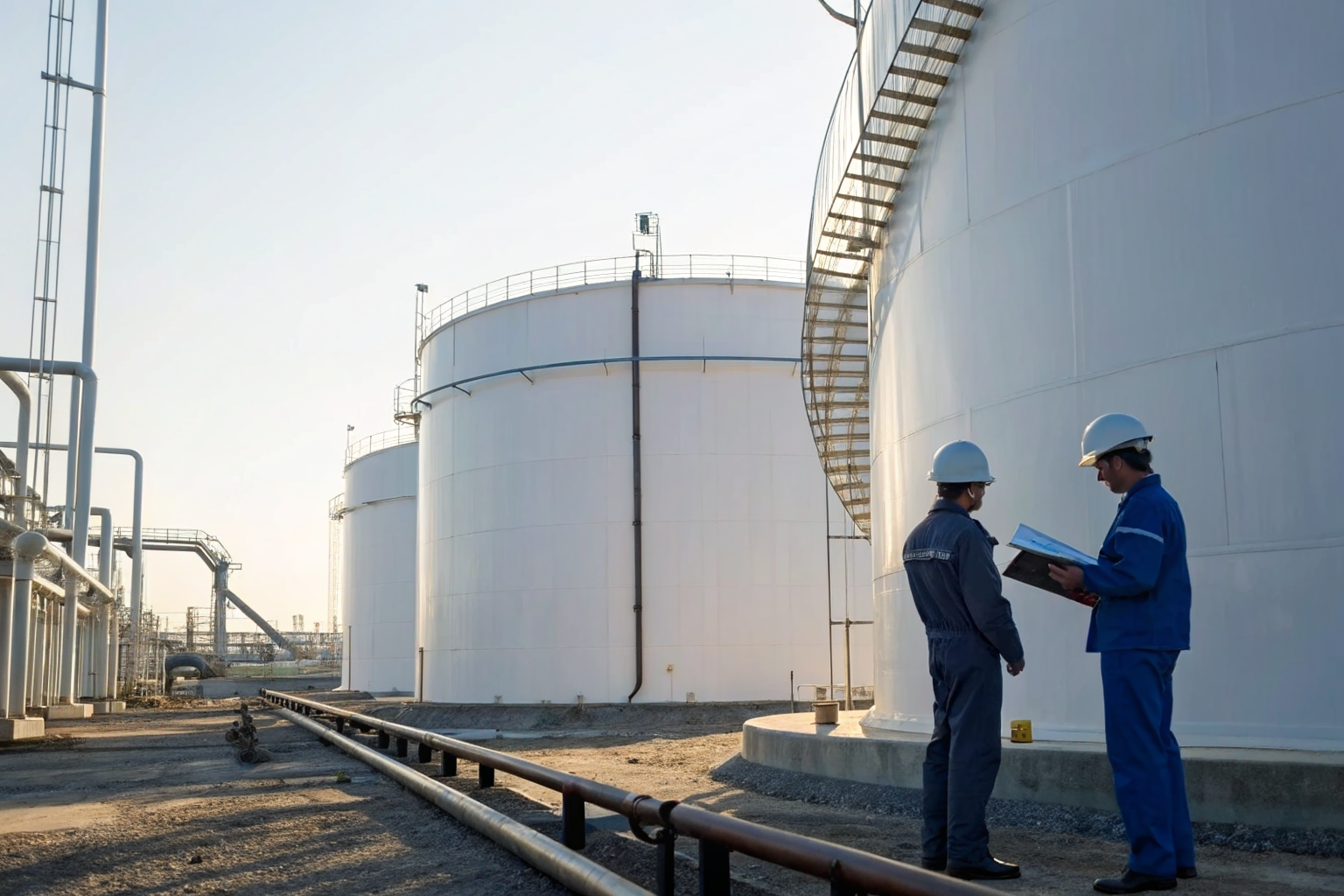
SPCC Plan mandates valve inspection protocols for all oil storage facilities with capacities exceeding 1,320 gallons. The Spill Prevention, Control, and Countermeasure rule under 40 CFR 112.8 establishes mandatory inspection frequencies and documentation standards that facilities cannot ignore without facing federal penalties.
Valve Inspection encompasses all manually operated valves, automated shut-off systems, and drain mechanisms within secondary containment areas. This means facility operators must examine every valve component that could potentially release oil into the environment if it fails. EPA Regulations specifically target valves because they represent the highest failure points in piping systems — a single malfunctioning drain valve can discharge thousands of gallons before detection.
The regulatory framework divides valve inspection into three categories: visual assessments, operational testing, and pressure verification. Visual inspections occur monthly and focus on external corrosion, seal integrity, and proper positioning. Operational testing happens quarterly, verifying that valves open and close completely without binding or leakage. Pressure verification runs annually, subjecting valves to hydraulic testing that exceeds normal operating conditions.
Facilities must document every inspection with photographs, test pressures, and pass/fail determinations. The documentation becomes part of the SPCC Plan and stays accessible for EPA auditors. Missing records trigger automatic violations regardless of actual valve condition — the agency treats undocumented maintenance as non-compliant maintenance.
Drain Valve Testing Procedures and Documentation
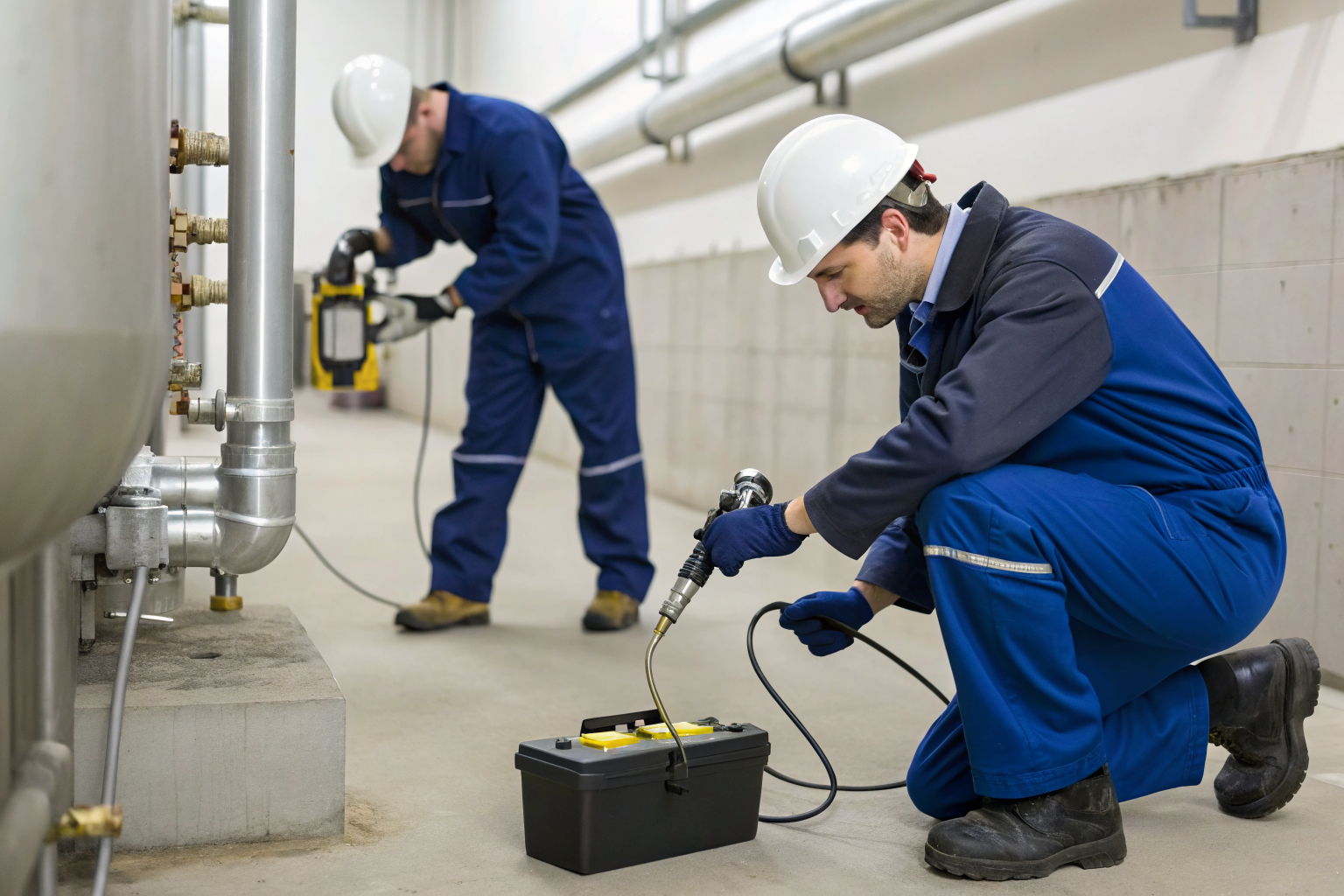
Drain valve testing prevents environmental compliance violations through systematic pressure verification and leak detection protocols. The EPA requires specific testing sequences that facilities must follow exactly to maintain regulatory standing.
Step one involves isolating the valve from system pressure and verifying zero flow conditions. Technicians install temporary blinds upstream and downstream, then confirm complete isolation using pressure gauges. This prevents contamination during testing and ensures accurate pressure readings throughout the procedure.
Step two applies test pressure using calibrated pumps and digital monitoring equipment. The test pressure must reach 150% of maximum operating pressure and hold steady for 30 minutes minimum. Pressure decay exceeding 2 PSI during the hold period indicates valve failure requiring immediate replacement.
Step three documents all measurements with timestamped photographs and signed inspection forms. Tank Storage facilities must record ambient temperature, test duration, pressure readings every 5 minutes, and final pass/fail determination. The documentation package includes valve manufacturer data, installation date, previous inspection results, and corrective actions taken.
Valve Inspection within the 72-hour window applies specifically to manual drain valves used for tank bottom water removal or sample collection. Facilities must test these valves within 72 hours after each use, not 72 hours after the last inspection. This requirement catches intermittent failures that develop between scheduled maintenance cycles.
Failed valves require immediate removal from service and replacement with certified components. Temporary repairs using sealants or clamps violate SPCC requirements and trigger enforcement actions. Environmental Compliance demands permanent solutions — facilities cannot operate with compromised valve integrity even for short periods.
How Often Should Secondary Containment Valves Be Inspected?
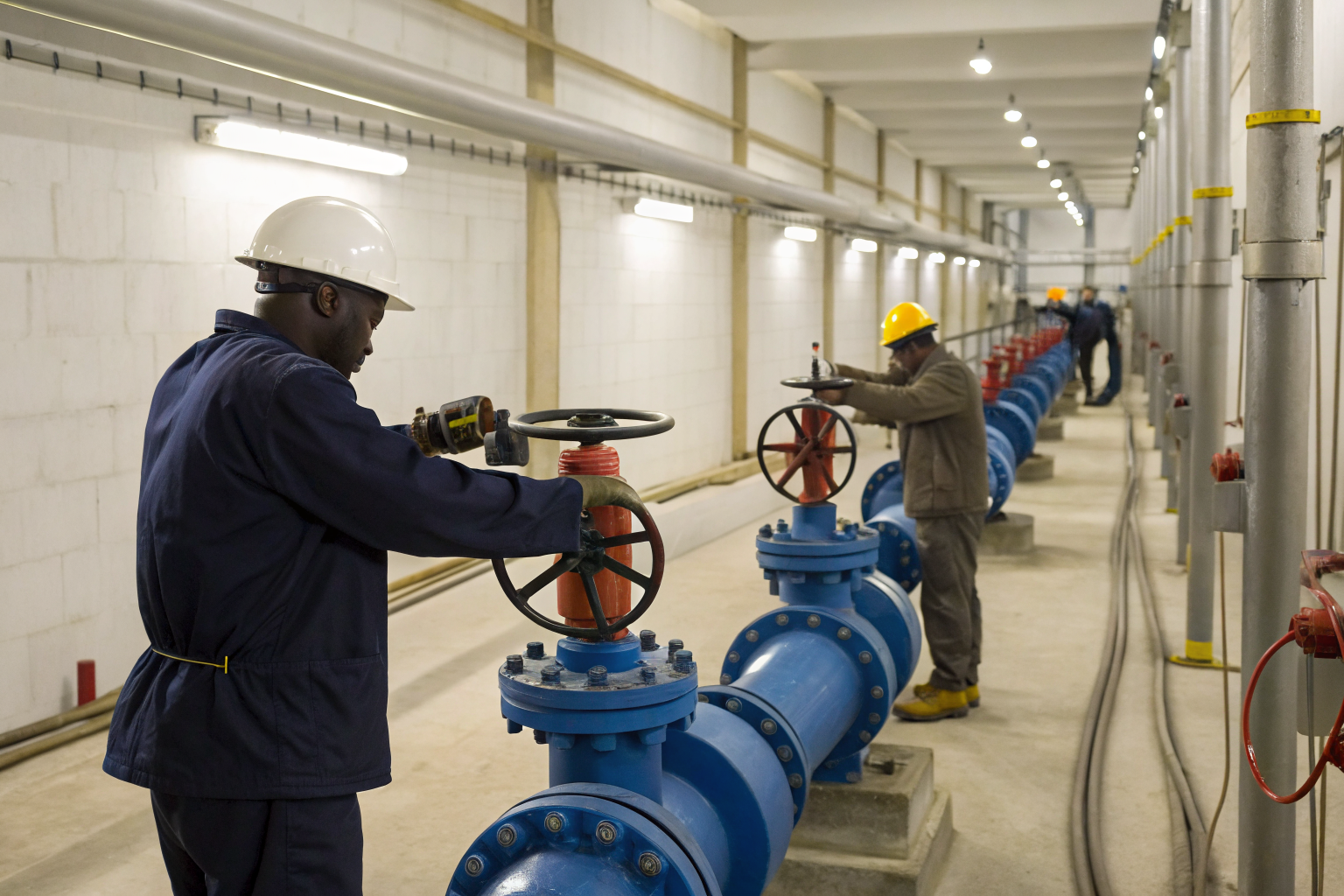
Secondary Containment requires scheduled valve maintenance based on system complexity and environmental risk factors. Different containment designs demand varying inspection frequencies that facilities must follow precisely.
| System Type | Visual Inspection | Operational Testing | Pressure Testing |
|---|---|---|---|
| Single-wall piping | Monthly | Quarterly | Annually |
| Double-wall piping | Monthly | Semi-annually | Annually |
| Buried piping | Bi-weekly | Monthly | Semi-annually |
| Above-ground storage | Weekly | Monthly | Annually |
| Loading rack systems | Daily | Weekly | Quarterly |
Piping Systems with higher failure potential require more frequent attention. Buried installations face constant soil pressure and moisture exposure that accelerates valve deterioration. Loading rack valves endure repeated thermal cycling and mechanical stress from frequent use. These conditions demand accelerated inspection schedules that exceed minimum regulatory requirements.
Seasonal considerations affect inspection timing significantly. Winter freeze-thaw cycles stress valve seals and body materials, requiring additional inspections during spring months. Summer heat expansion can cause valve binding and seat damage, necessitating increased monitoring during peak temperature periods.
High-risk periods include immediately after severe weather events, following system modifications, and during startup after extended shutdowns. Double-Wall Piping systems need interstitial monitoring that detects leaks between pipe walls — this monitoring runs continuously but requires manual valve testing to verify monitoring system accuracy.
Facilities operating in seismic zones must inspect valves within 48 hours after earthquakes exceeding 4.0 magnitude. Vibration can loosen valve components and compromise seal integrity without visible external damage. The inspection frequency table provides minimum requirements — facilities can inspect more frequently but cannot extend intervals beyond specified limits.
Buried Piping Valve Maintenance Standards
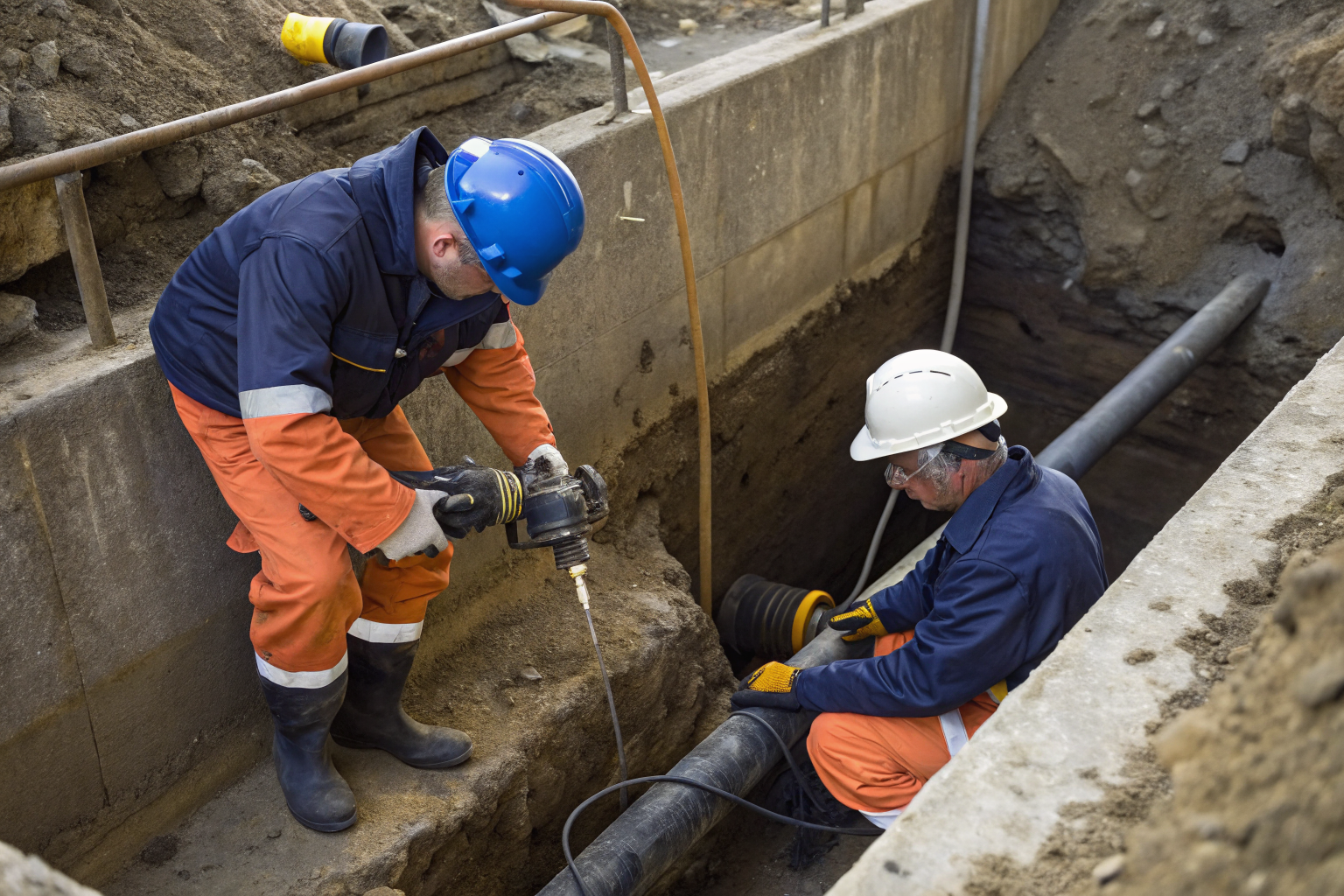
Buried Piping increases valve inspection complexity through restricted access and aggressive subsurface conditions that accelerate component degradation. Underground installations require specialized procedures that surface piping does not need.
Access limitations force facilities to install permanent valve boxes at every buried valve location. These boxes must maintain 24-inch minimum clearance around valve operators and provide drainage to prevent standing water accumulation. EPA Regulations require valve box covers that lock and display hazard warnings visible from 25 feet distance.
Specialized testing equipment includes portable hydraulic pumps, digital pressure loggers, and cathodic protection measurement tools. Valve Inspection personnel need confined space entry training because valve boxes deeper than 4 feet require atmospheric monitoring and ventilation. The testing equipment must handle moisture and soil contamination that surface installations never encounter.
Corrosion monitoring protocols focus on valve body thickness measurements using ultrasonic testing equipment. Buried valves lose metal thickness faster than surface installations due to soil chemistry and moisture exposure. Annual thickness measurements create trending data that predicts replacement timing before catastrophic failure occurs.
Cathodic protection testing verifies that electrical systems protecting buried metal maintain proper voltage levels. Valve bodies require -850 millivolt minimum potential measured against copper-copper sulfate reference electrodes. Protection voltage below this threshold allows accelerated corrosion that can perforate valve bodies within months.
Soil chemistry affects valve materials differently across geographic regions. Acidic soils attack carbon steel aggressively while alkaline conditions promote stress corrosion cracking in stainless steel components. Facilities must select valve materials compatible with local soil conditions and adjust inspection frequencies based on corrosion rates documented through thickness measurements.
Valve box access standards require covers rated for anticipated traffic loads and soil pressures. Standard residential covers handle 16,000-pound wheel loads while industrial areas need 25,000-pound capacity covers. Inadequate covers collapse under load, blocking valve access during emergencies when operators need immediate system isolation.
Double-Wall Piping Valve Performance Testing
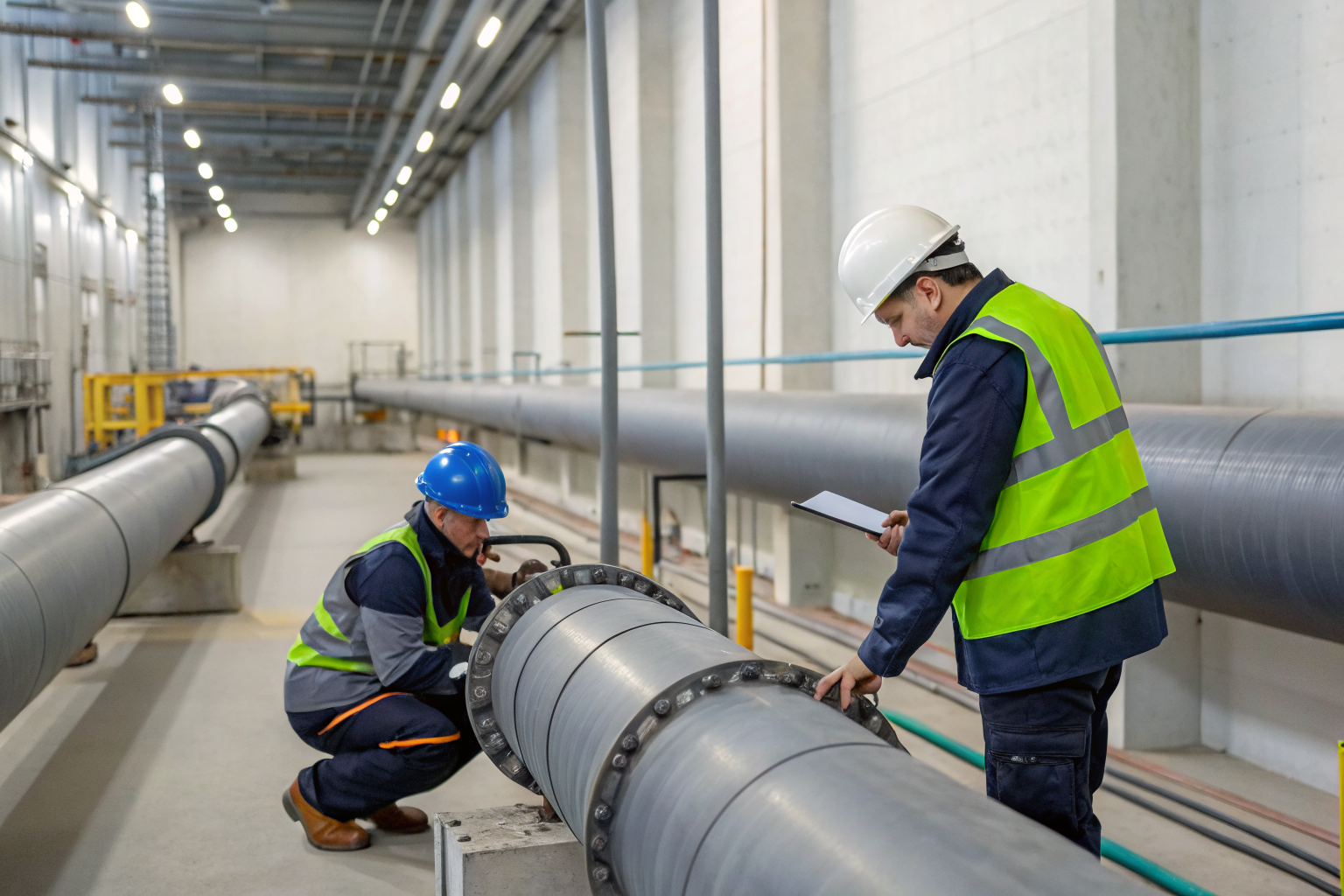
Double-Wall Piping demands enhanced testing protocols that verify both primary containment and leak detection system integrity simultaneously. These systems cost significantly more than single-wall installations but provide superior environmental protection when maintained properly.
| Testing Parameter | Single-Wall Standard | Double-Wall Standard | Critical Difference |
|---|---|---|---|
| Test pressure | 125% operating | 150% operating | Higher stress verification |
| Hold time | 15 minutes | 30 minutes | Extended leak detection |
| Leak rate | 1 drop/minute max | Zero leakage | Absolute seal requirement |
| Interstitial testing | Not applicable | Vacuum to -5 PSI | Secondary containment verification |
| Documentation | Basic pass/fail | Comprehensive data | Enhanced record keeping |
Performance Testing begins with interstitial space verification using vacuum pumps that achieve -5 PSI minimum. The annular space between pipe walls must hold vacuum for 4 hours without pressure loss exceeding 0.5 PSI. Vacuum decay indicates breaches in either the inner pipe, outer pipe, or end seal assemblies that compromise the containment system.
Environmental Compliance for double-wall systems requires simultaneous testing of primary and secondary containment barriers. Technicians pressurize the inner pipe while monitoring interstitial space pressure. Any pressure increase in the annular space during inner pipe testing reveals inner pipe leakage that requires immediate repair.
Leak detection protocols include both pressure monitoring and tracer gas methods. Helium leak detection provides sensitivity below 1×10⁻⁶ standard cubic centimeters per second — far exceeding regulatory minimums. This sensitivity catches microscopic leaks that pressure testing might miss but that grow into major failures over time.
Double-wall valve assemblies require specialized components with dual sealing systems and interstitial monitoring ports. Standard single-wall valves cannot retrofit into double-wall systems because they lack secondary containment integration. The valve body must provide sealed connections to both inner and outer pipe systems while maintaining interstitial access for testing.
Testing frequency increases for double-wall systems because component complexity creates more failure modes. Semi-annual pressure testing catches developing problems before they compromise environmental protection. Annual testing intervals suitable for single-wall systems provide insufficient monitoring for the sophisticated leak detection systems that double-wall installations require.