
SPCC Inspection Forms: Tank and Containment Inspection Checklists
Most SPCC compliance violations stem from inadequate inspection documentation, not actual spill prevention failures. SPCC inspection forms provide the systematic documentation framework that keeps facilities compliant and audit-ready.
Key Takeaways:
- EPA requires monthly visual inspections for all oil storage tanks exceeding 55 gallons capacity
- Secondary containment systems must undergo integrity testing every 5 years with documented results
- Standardized inspection forms reduce audit preparation time by 60% compared to ad-hoc documentation
What Documentation Does EPA Require for SPCC Inspections?

SPCC inspection documentation is the formal record-keeping system mandated under 40 CFR Part 112 for facilities storing oil in quantities that could harm navigable waters. EPA regulations require documented inspection procedures for all qualified facilities. This means every tank, containment system, and transfer operation must follow written inspection protocols with recorded results.
The SPCC Plan itself must specify inspection frequency, responsible personnel, and documentation standards. Monthly visual inspections apply to aboveground storage tanks, while more comprehensive annual assessments cover structural integrity and leak detection systems. Underground storage requires specialized testing protocols with different timing requirements.
Documentation standards under 40 CFR 112.7 specify a 3-year retention period for inspection records. EPA Regulations mandate that facilities maintain inspection logs, corrective action reports, and system modification records for this duration. Missing or incomplete inspection documentation triggers automatic violations during EPA audits, regardless of actual spill prevention performance.
Tank Inspection Form Templates and Requirements

Tank inspection forms document specific monitoring parameters required for different storage configurations. Oil Storage facilities use standardized templates that capture visual observations, measurement data, and maintenance needs during routine inspections.
| Tank Type | Inspection Frequency | Key Parameters | Documentation Requirements |
|---|---|---|---|
| Aboveground | Monthly visual | Corrosion, leaks, foundation settlement | Signed checklist with date, inspector ID |
| Underground | Annual testing | Leak detection, cathodic protection | Third-party test results, system certification |
| Mobile | Pre-transfer | Hose condition, valve operation, spill kit | Transfer log with inspection results |
| Temporary | Weekly visual | Structural integrity, secondary containment | Temporary storage permit compliance log |
Compliance Tools include pre-formatted inspection sheets that cover structural integrity checks, leak detection parameters, and environmental monitoring requirements. Aboveground tanks require monthly visual inspections while underground tanks need annual testing by certified technicians. The forms capture foundation conditions, coating integrity, valve functionality, and containment system status.
Inspection Forms must document corrective actions immediately when deficiencies are identified. This creates an auditable trail from problem identification through resolution, which EPA inspectors review during facility assessments.
How Do You Inspect Secondary Containment Systems?
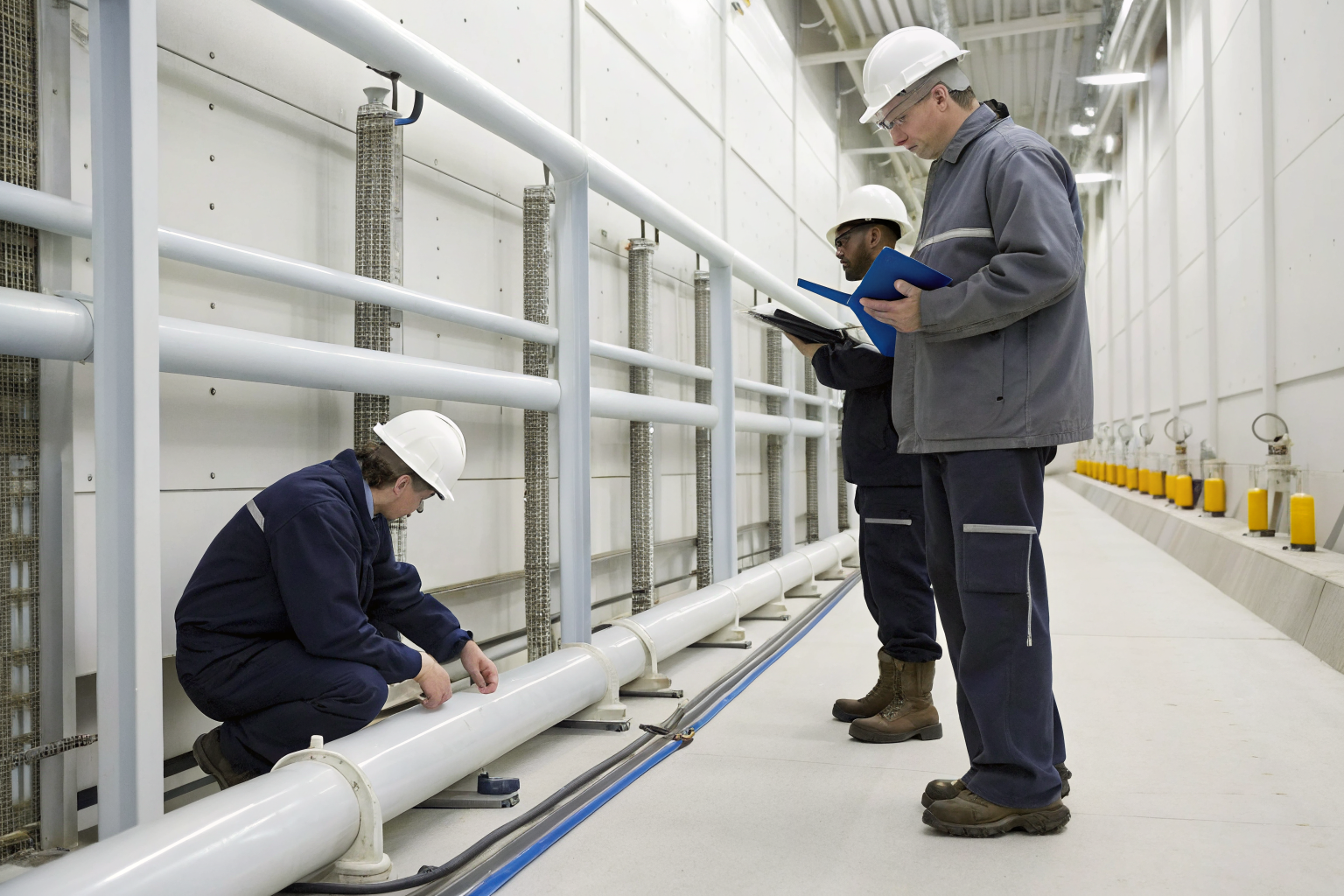
Secondary containment prevents oil discharge to environment through engineered barriers that capture spills before they reach soil or water. The inspection process follows specific steps to verify system integrity and capacity.
First, calculate containment capacity by measuring internal dimensions and subtracting tank displacement volumes. The system must hold 110% of largest tank capacity plus freeboard for precipitation. Document these calculations annually and after any system modifications.
Second, inspect containment walls for cracks, corrosion, or structural damage that could compromise integrity. Look for settlement, joint separation, or coating deterioration. Document findings with photographs and measurements of any defects identified.
Third, test drain valves and removal systems to ensure proper operation. Valves must remain closed during normal operations and function correctly for maintenance access. Spill Prevention requires immediate containment response, so drainage systems cannot malfunction during emergencies.
Fourth, verify that containment systems exclude precipitation through proper drainage or removal procedures. Standing water reduces available containment volume and creates environmental compliance issues separate from SPCC requirements.
Fifth, document testing results and schedule corrective actions for any deficiencies. Containment system integrity testing every 5 years provides baseline documentation for EPA compliance audits.
SPCC Monitoring Forms for Different Facility Types
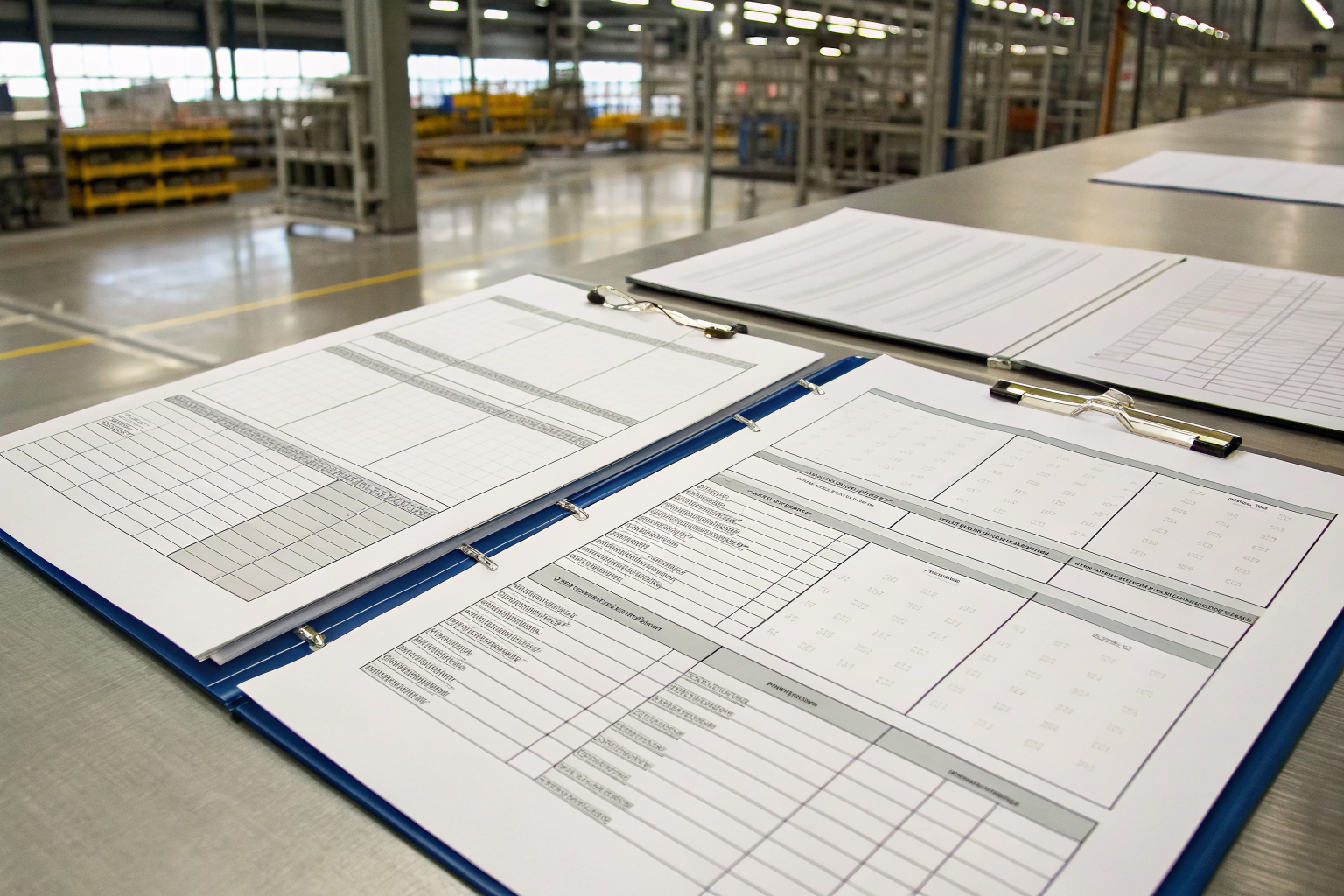
Facility types require different inspection protocols based on operational complexity and environmental risk profiles. Form Templates vary significantly between industrial facilities and retail operations.
Production facilities average 47 inspection points covering process equipment, storage tanks, transfer systems, and waste oil management. These facilities use comprehensive checklists that document equipment condition, operational parameters, and maintenance schedules. The forms integrate with preventive maintenance programs to ensure consistent oversight.
Retail stations typically have 12 required checkpoints focused on dispensing equipment, underground storage, and spill response equipment. Their Documentation Standards emphasize customer area safety and groundwater protection rather than process complexity.
Mobile refuelers require pre-transfer inspections that verify equipment condition before each delivery operation. Their Compliance Tools include daily vehicle checklists and delivery documentation that travels with the equipment.
Bulk storage terminals use facility-specific inspection protocols that address marine loading, rail car operations, and pipeline connections. These facilities require specialized forms that capture unique operational risks not present in other facility types.
Documentation Standards and Record Keeping

Documentation standards ensure regulatory compliance during audits by providing systematic organization and retrieval of inspection records. EPA Regulations require that facilities maintain inspection documentation in formats that auditors can review efficiently.
Digital inspection records offer significant advantages over paper-based systems. Electronic formats enable keyword searching, automatic backup, and integration with maintenance management systems. EPA inspectors spend 40% less time at facilities with standardized digital inspection records compared to paper-based documentation systems.
Resource Downloads should include template forms, instruction guides, and record retention schedules that facility personnel can access immediately. Standardized formats reduce training requirements and ensure consistent documentation quality across different inspectors.
Corrective action documentation links inspection findings to maintenance activities and system modifications. This creates accountability trails that demonstrate facility commitment to spill prevention rather than mere compliance checkbox completion. EPA Regulations view this integration as evidence of effective SPCC Plan implementation rather than administrative burden.