
Temporary Tank Closure: 4 Key Out-of-Service Requirements
Temporary tank closure requirements catch operators off-guard because they’re stricter than most expect. EPA compliance failures spike 73% higher for temporary closures compared to permanent ones, primarily because facilities ignore the specific regulatory framework governing inactive systems.
Key Takeaways:
- EPA requires 30-day advance notification before any temporary tank shutdown exceeding 12 months
- Secondary containment systems must maintain structural integrity monitoring every 90 days during closure periods
- Tank vapor space requires monthly atmospheric testing to prevent explosive gas accumulation during inactive periods
What Triggers Temporary Tank Closure Requirements?
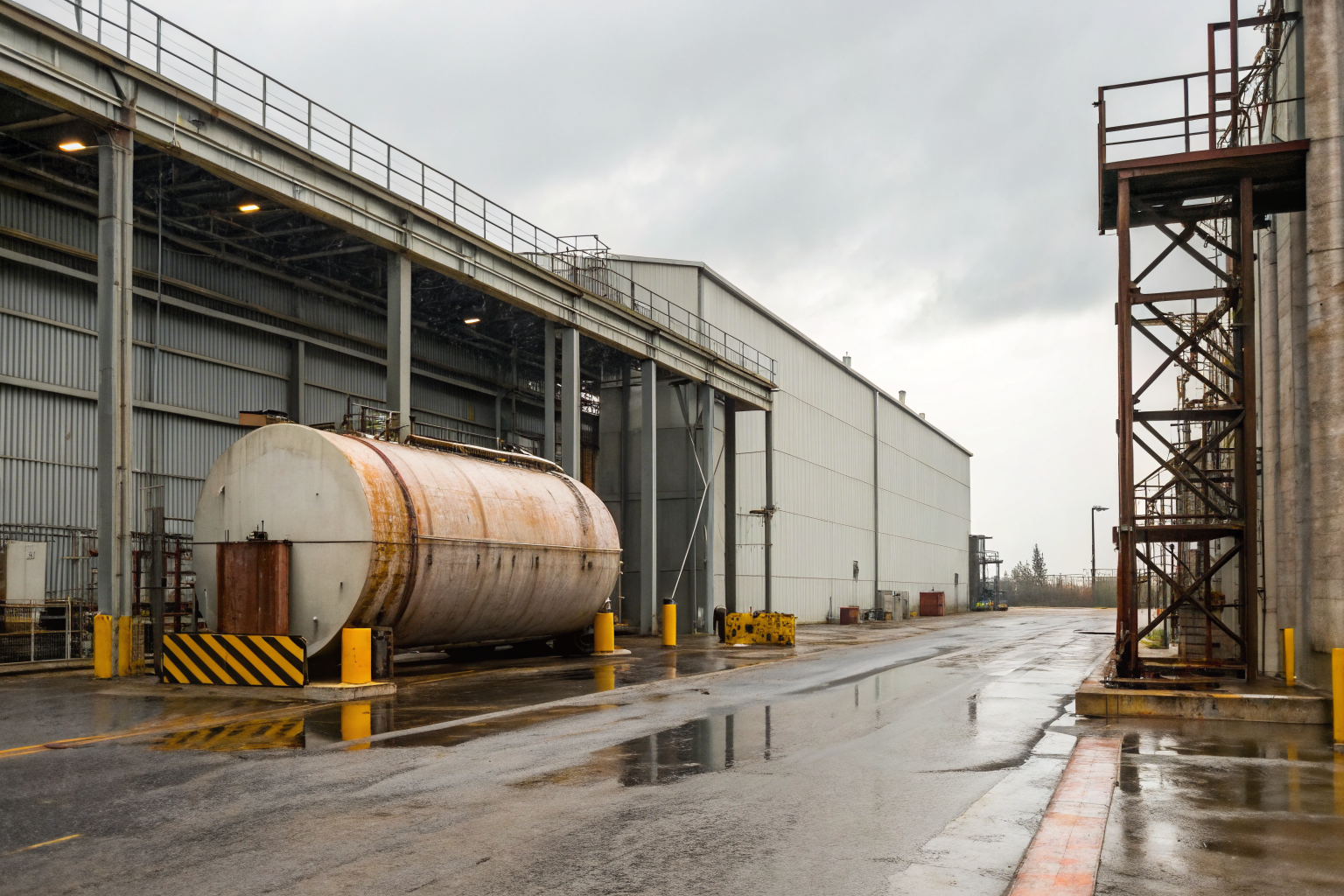
Temporary tank closure is any planned shutdown of an active storage system for more than 12 consecutive months where the owner intends to return the tank to service. This means the facility maintains ownership and plans eventual reactivation, unlike permanent decommissioning where the tank gets removed entirely.
EPA Regulations define the 12-month threshold as the trigger point for temporary closure requirements. Tank Storage systems shut down for less than 12 months fall under routine maintenance protocols, not closure regulations. The distinction matters because temporary closure activates specific Environmental Compliance obligations that maintenance shutdowns don’t require.
The 12-month regulatory threshold creates a hard line in EPA enforcement. Day 366 of shutdown automatically triggers temporary closure status, regardless of the facility’s original intentions. Operators cannot avoid these requirements by claiming they “thought” the shutdown would be shorter.
Notification requirements kick in 30 days before the planned closure date. EPA requires written documentation explaining the closure reason, expected duration, and planned monitoring protocols. The notification must include current tank contents, cleaning procedures, and vapor space management plans.
Maintenance shutdowns differ from temporary closures in both duration and regulatory treatment. Maintenance activities — even major repairs lasting several months — don’t trigger closure requirements if completed within 12 months. But extended maintenance that crosses the 12-month boundary converts to temporary closure status automatically.
Tank Decommissioning vs Mothballing: Critical Differences
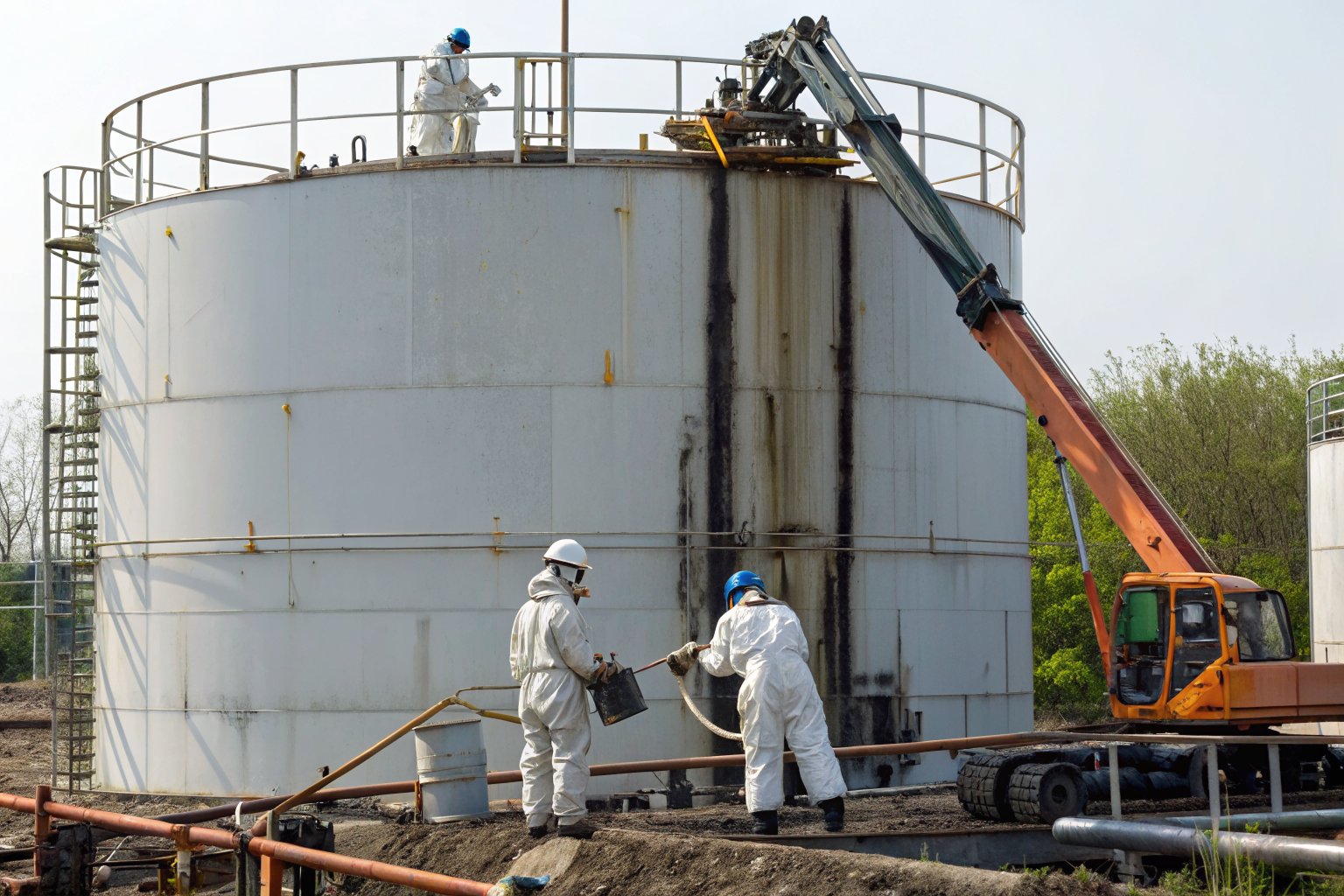
Tank Decommissioning differs from temporary shutdown procedures in permanence, cost, and regulatory pathway. Decommissioning means permanent removal from service with no intention of reactivation. Tank Closure for decommissioning requires complete system dismantling, site remediation, and closure of all regulatory permits.
Temporary closure preserves reactivation capability through mothballing procedures. The tank remains in place with minimal modifications, maintaining structural integrity for future use. Mothballing focuses on preventing deterioration while minimizing ongoing maintenance costs.
Regulatory pathways diverge significantly between the two approaches. Decommissioning follows EPA closure regulations under 40 CFR 280, requiring soil testing, groundwater monitoring, and often site remediation. Temporary closure maintains active permit status but adds specific monitoring and notification requirements.
Cost implications create the biggest practical difference. Decommissioning costs average 300-400% higher than temporary closure procedures when factoring in removal, disposal, site restoration, and regulatory compliance. A typical 10,000-gallon underground storage tank costs $15,000-25,000 to decommission versus $3,000-7,000 for proper temporary closure.
Timeline requirements also differ substantially. Decommissioning must be completed within specific deadlines — usually 90 days after closure notification. Temporary closure has no completion deadline but triggers ongoing monitoring obligations that continue until reactivation.
Environmental Compliance obligations persist differently under each approach. Decommissioned sites may require long-term groundwater monitoring but have no operational requirements. Temporarily closed tanks maintain operational monitoring requirements plus closure-specific protocols.
Secondary Containment During Inactive Tank Storage
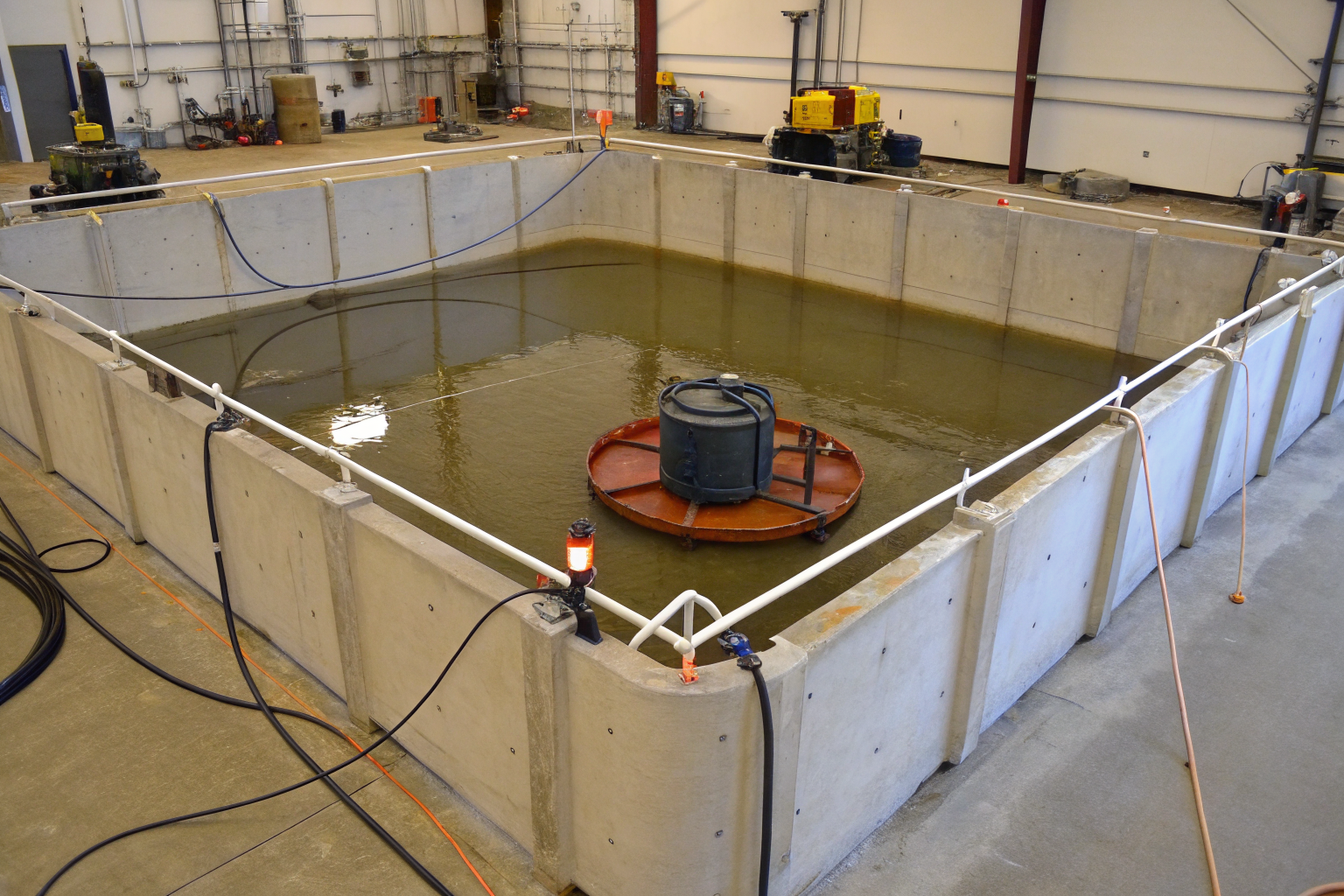
Secondary Containment requires continuous monitoring during closure periods to maintain structural integrity and prevent environmental releases. This means containment systems cannot be abandoned or left unmonitored simply because the primary tank is inactive.
Structural integrity inspections must occur every 90 days during inactive Tank Storage periods. These inspections check for containment wall damage, foundation settling, and drainage system functionality. Visual inspections aren’t sufficient — containment systems need hands-on evaluation of structural components.
Drainage system maintenance becomes critical during closure because water accumulation can compromise containment integrity. Sump pumps must remain operational, drainage valves need regular testing, and accumulated precipitation requires prompt removal. Standing water in containment areas accelerates concrete deterioration and steel corrosion.
Access control protocols prevent unauthorized entry that could compromise containment systems. Locked access points, security fencing, and warning signage must remain in place throughout the closure period. Some facilities install additional security measures like cameras or alarm systems for high-value sites.
Inspection protocols must document containment condition systematically. Each 90-day inspection requires written reports noting any changes from the previous inspection. Documentation should include photographs of containment areas, measurements of any standing water, and notes about structural condition.
SPCC Plan updates must reflect the inactive status while maintaining containment requirements. The plan needs modification to address closure-specific risks like reduced operator presence and different inspection schedules. Emergency response procedures may also need updates for inactive facilities with reduced staffing.
Containment system repairs cannot be deferred during closure periods. Any structural damage discovered during inspections requires immediate attention. Delayed repairs during closure often result in more expensive fixes and potential environmental violations.
Monitoring Requirements for Out-of-Service Tanks
| Monitoring Type | Frequency | Method | Documentation | Regulatory Basis |
|---|---|---|---|---|
| Vapor Testing | Monthly | Atmospheric monitoring equipment | Gas concentration readings, LEL measurements | 40 CFR 280.45 |
| Leak Detection | Bi-weekly | Visual inspection, automatic monitoring | Leak detection reports, system status | 40 CFR 280.43 |
| Corrosion Assessment | Quarterly | Ultrasonic thickness testing | Wall thickness measurements | 40 CFR 280.31 |
| Containment Inspection | Every 90 days | Visual and structural evaluation | Inspection reports, photos | 40 CFR 112 |
| Groundwater Monitoring | Monthly | Well sampling, laboratory analysis | Water quality reports | State regulations vary |
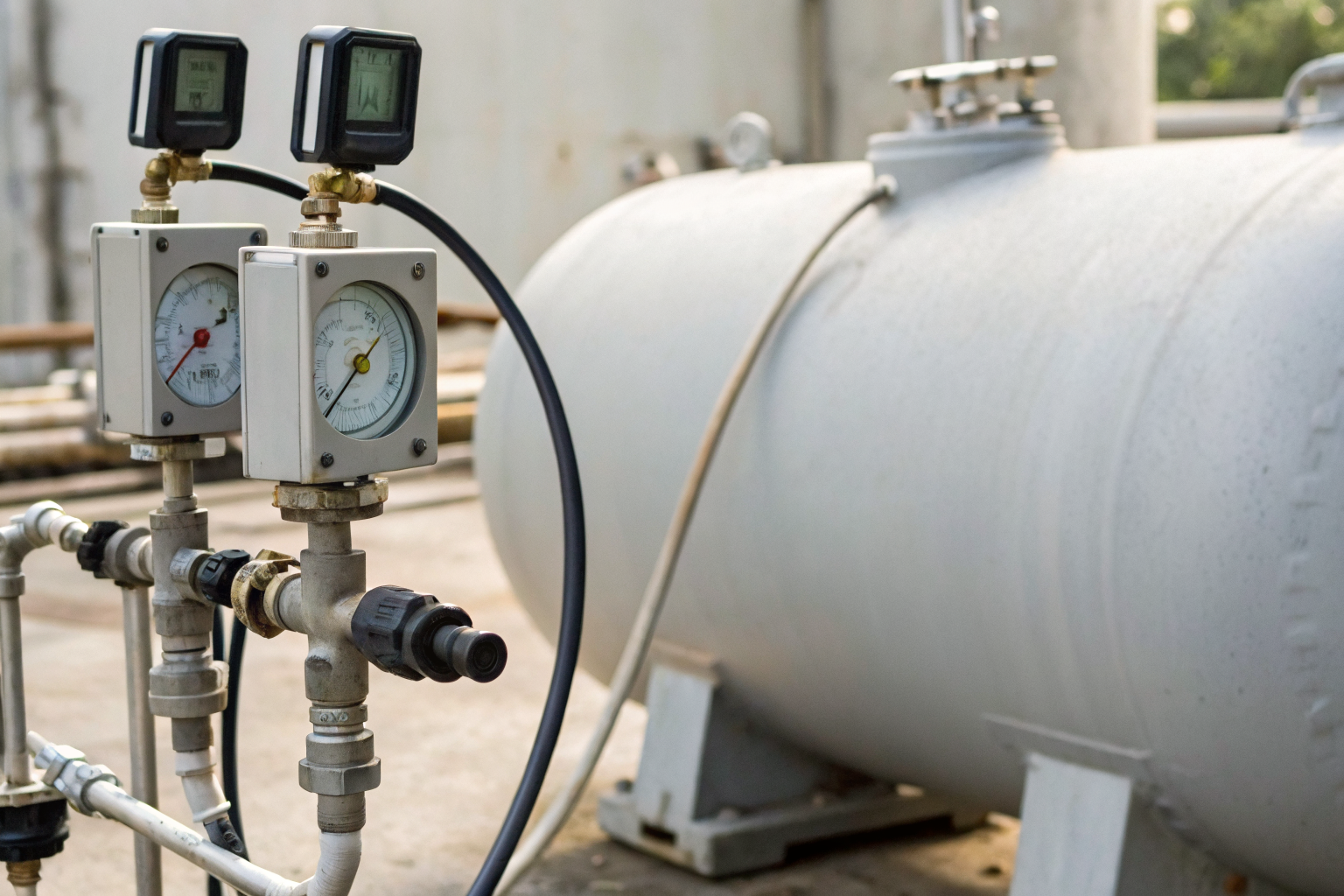
Tank Storage requires specific monitoring protocols during closure that differ from operational monitoring. Monthly vapor testing represents the most critical requirement for tanks containing residual petroleum products. Explosive gas accumulation poses immediate safety risks in inactive systems.
Atmospheric testing schedules must account for seasonal variations and tank contents. Vapor concentrations fluctuate with temperature changes, making summer months particularly risky for explosive gas buildup. Testing equipment must be calibrated monthly and capable of detecting lower explosive limits (LEL) accurately.
Leak detection protocols continue during closure but with modified parameters. Automatic monitoring systems may need recalibration for lower flow rates and different pressure conditions. Visual inspections become more important because reduced operator presence means automatic systems carry greater responsibility.
Corrosion monitoring takes on increased importance during extended closures. Inactive tanks experience different corrosion patterns than operational ones, particularly in vapor spaces where condensation patterns change. Ultrasonic thickness testing every quarter helps identify problem areas before they become leaks.
Documentation requirements intensify during closure periods. EPA Regulations require detailed records of all monitoring activities, including negative results. Missing documentation during closure periods attracts regulatory scrutiny because reduced activity doesn’t excuse compliance failures.
Environmental Compliance extends to groundwater monitoring for many facilities. State regulations often mandate continued groundwater sampling during closure periods, particularly for older tanks with questionable integrity. Laboratory analysis costs continue throughout closure, adding to the total cost of temporary shutdown.
Reactivation Planning and Tank Installation Requirements
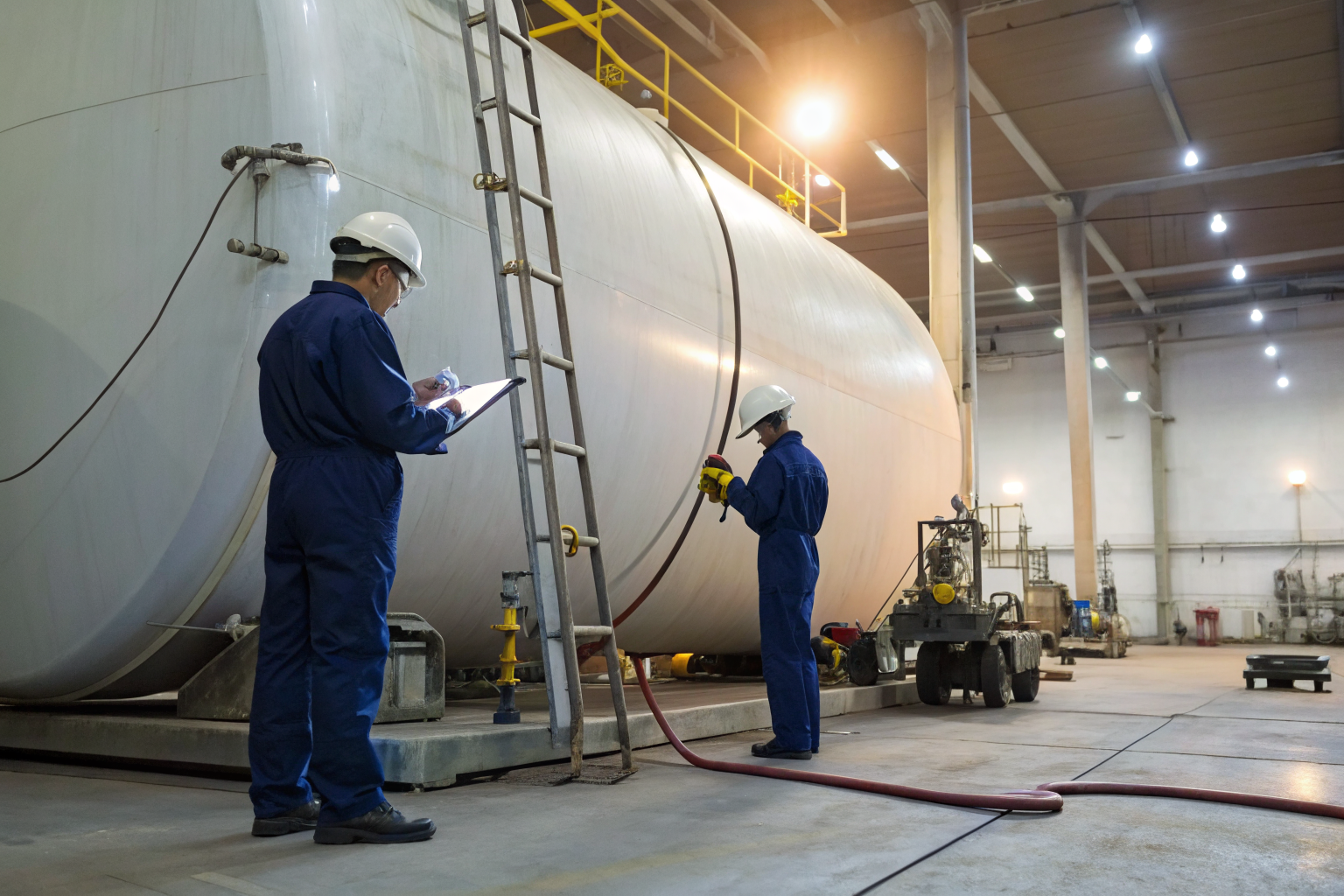
Tank Installation regulations govern reactivation from temporary closure through comprehensive system evaluation and testing protocols. Reactivation isn’t simply turning systems back on — it requires demonstrating that closure period hasn’t compromised operational safety or environmental compliance.
Pre-restart inspection requirements examine every system component for closure-related deterioration. Tank walls need ultrasonic testing to verify thickness hasn’t decreased below minimum standards. Piping systems require pressure testing to ensure closure period hasn’t created new leak points. Electrical systems need complete evaluation because extended inactivity often causes wiring problems.
System testing protocols must demonstrate operational readiness before returning to active service. This includes leak detection system calibration, overfill prevention testing, and secondary containment functionality verification. All safety systems must pass operational tests using the same standards applied to new Tank Installation projects.
Regulatory notification for reactivation requires 30-day advance notice to EPA and state regulators. The notification must include inspection results, testing documentation, and confirmation that all closure period requirements were met. Some states require additional permits or approvals before reactivation.
Equipment certification may be required for certain components that were inactive during closure. Automatic monitoring systems often need recertification after extended shutdowns. Corrosion protection systems require electrical continuity testing and cathodic protection surveys.
Timeline planning for return to service should account for inspection schedules, regulatory approval processes, and potential equipment repairs discovered during pre-restart evaluation. Tank Relocation from temporary closure status typically takes 60-90 days from decision to active operation, assuming no major problems are discovered.
Environmental Compliance verification includes updating SPCC plans, confirming insurance coverage, and training operators on any system changes made during closure. The facility must demonstrate full compliance capability before resuming active operations.