
Environmental Equivalence SPCC: 4 Key Alternative Measures
Most facilities assume SPCC compliance means rigid adherence to prescriptive requirements, but EPA regulations allow four specific alternative pathways when standard measures prove impracticable. Environmental equivalence SPCC provisions under 40 CFR 112.7(a)(2) provide legitimate compliance alternatives without compromising environmental protection.
Key Takeaways:
- Environmental equivalence under 40 CFR 112.7(a)(2) requires Regional Administrator approval and must provide equivalent environmental protection
- Alternative measures apply to 4 specific scenarios: impracticability, tank burial, existing facility constraints, and technical infeasibility
- Documentation requirements include detailed technical justification, environmental impact analysis, and demonstration of equivalent protection levels
What Is Environmental Equivalence Under SPCC Regulations?

Environmental equivalence is an EPA-approved alternative compliance method under 40 CFR 112.7(a)(2) that provides equivalent environmental protection through non-standard measures. Environmental equivalence provides equivalent protection to prescriptive SPCC measures through alternative engineering controls, enhanced monitoring systems, or administrative procedures. This means facilities can deviate from specific regulatory requirements if they demonstrate equal or superior environmental safeguards.
The EPA Regulations establish a formal approval framework requiring Regional Administrator review and written authorization before implementing any environmental equivalence measures. Unlike general permit deviations or variance requests, environmental equivalence determinations focus specifically on protective capability rather than economic hardship or operational convenience.
This SPCC Plan provision addresses situations where literal compliance with prescriptive standards creates technical impossibilities or where alternative approaches achieve superior environmental outcomes. The regulation requires facilities to prove their proposed measures match or exceed the environmental protection level of standard requirements.
Regional EPA offices maintain approval authority under 40 CFR 112.7(a)(2), ensuring consistent application of equivalence standards across different geographic areas. The approval process includes technical review, public notice periods, and ongoing compliance monitoring to verify continued equivalence.
When Do Alternative Measures Apply to Tank Storage Systems?
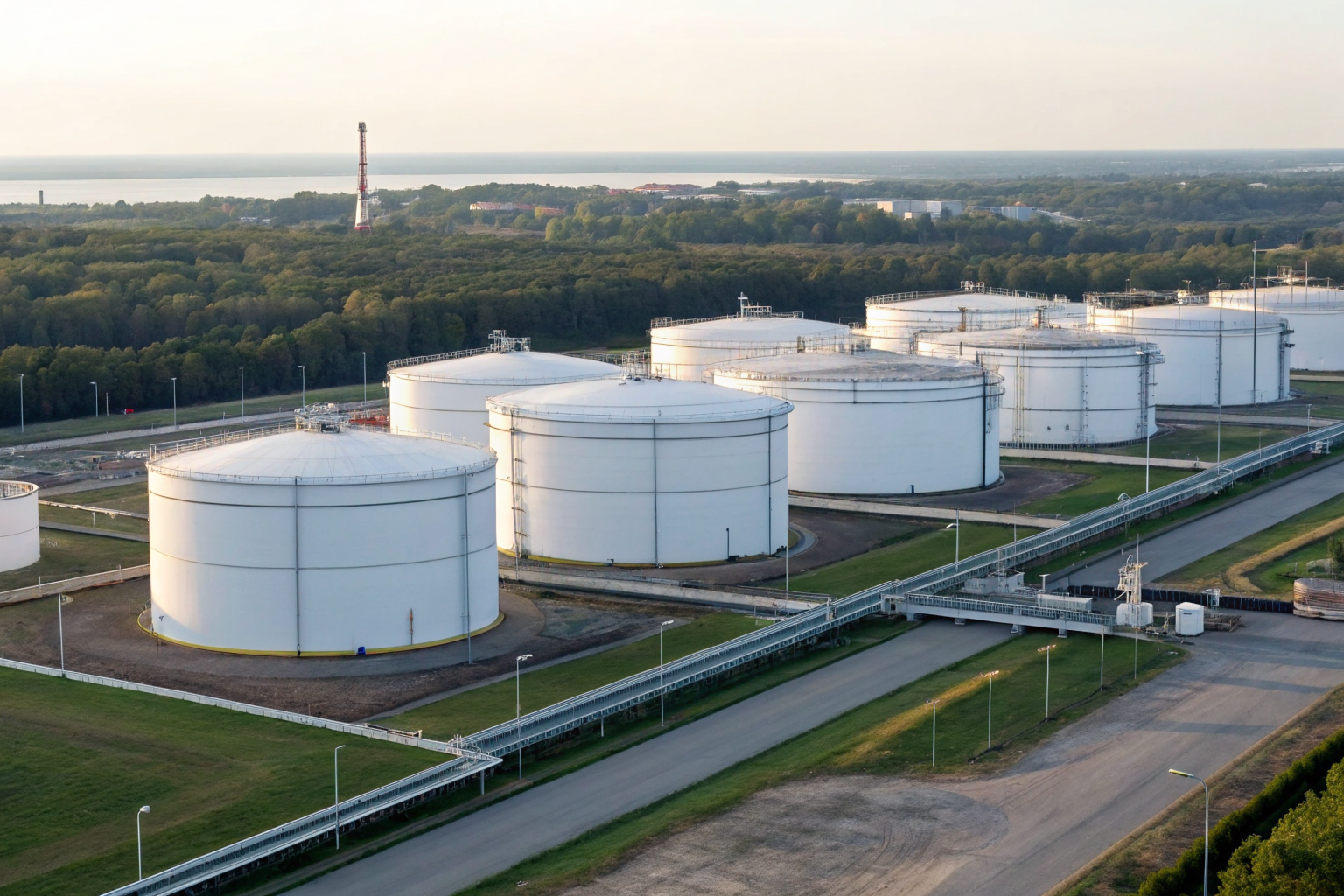
Alternative measures address impracticability scenarios in Tank Storage systems where standard SPCC requirements cannot be physically or technically implemented. Alternative Methods become applicable when facilities encounter specific constraints that prevent literal regulatory compliance while maintaining environmental protection capability.
| Trigger Scenario | Technical Threshold | Documentation Required | Typical Resolution |
|---|---|---|---|
| Geological Impracticability | Bedrock within 3 feet of surface | Geotechnical analysis, bore logs | Elevated containment systems |
| Existing Infrastructure Constraints | Pre-1973 facility modifications | Structural engineering assessment | Enhanced leak detection |
| Tank Burial Requirements | Water table interference | Hydrogeological study | Alternative liner systems |
| Geographic Limitations | Floodplain or wetland proximity | Environmental impact study | Remote monitoring systems |
Impracticability determinations require specific threshold documentation based on EPA guidance document standards. Facilities must demonstrate that standard containment measures would cost more than 125% of tank replacement value or create structural safety hazards exceeding environmental risks.
Tank Storage systems often encounter impracticability when retrofit requirements conflict with existing utility infrastructure, underground obstructions, or property boundary limitations. These constraints trigger the environmental equivalence evaluation process rather than blanket regulatory exemptions.
The EPA recognizes four primary impracticability categories: technical infeasibility, economic unreasonableness, safety conflicts, and environmental harm from compliance activities. Each category requires different documentation standards and approval criteria.
How Does the 112.7(a)(2) Approval Process Work?

The Regional Administrator evaluates alternative measure proposals for equivalence through a structured review process requiring specific documentation and technical analysis. EPA Regulations mandate a formal application pathway ensuring Environmental Equivalence determinations meet consistent national standards.
Step 1: Pre-Application Consultation
Contact the appropriate EPA Regional Office to discuss proposed alternative measures before formal submission. This consultation identifies documentation requirements, potential approval obstacles, and timeline expectations for your specific situation.
Step 2: Technical Justification Development
Prepare detailed engineering analysis demonstrating why standard SPCC measures are impracticable and how alternative measures provide equivalent protection. Include quantitative risk assessments, environmental impact calculations, and comparative protection analysis.
Step 3: Formal Application Submission
Submit complete application package including technical justification, environmental analysis, proposed implementation timeline, and ongoing monitoring protocols. EPA requires all supporting documentation in both hard copy and electronic formats.
Step 4: EPA Technical Review
Regional Administrator conducts technical evaluation typically requiring 90-180 days depending on proposal complexity. Review includes independent engineering assessment, environmental protection verification, and public comment period when applicable.
Step 5: Approval Decision and Implementation
EPA issues written approval with specific conditions, monitoring requirements, and compliance timelines. Approved facilities must implement measures exactly as approved and maintain ongoing documentation of equivalence performance.
Typical approval timelines range from 120-270 days based on EPA regional office processing patterns and proposal complexity. Complete applications with comprehensive technical documentation process faster than incomplete submissions requiring additional information requests.
Common rejection reasons include inadequate environmental protection demonstration, insufficient technical justification, missing cost-benefit analysis, and failure to address public comment concerns during review periods.
What Are the 4 Primary Alternative Compliance Pathways?

Alternative compliance pathways provide equivalent protection through different methods than standard SPCC containment requirements. Alternative Methods offer facilities flexibility when standard measures prove impracticable while maintaining environmental protection standards through innovative approaches.
Enhanced Monitoring Systems replace physical containment with sophisticated leak detection and rapid response capabilities. These systems utilize continuous monitoring sensors, automated alarm systems, and immediate shutdown protocols. Implementation complexity remains moderate with 90-95% effectiveness rates compared to standard containment. Initial costs average $45,000-75,000 for tank farm applications but eliminate excavation expenses for retrofit situations.
Alternative Containment Designs modify standard containment geometry or materials to address site-specific constraints. Double-wall tanks, synthetic liner systems, and elevated containment structures fall into this category. These designs achieve 95-98% containment effectiveness while accommodating geological or infrastructure limitations. Implementation requires specialized engineering but provides long-term compliance certainty.
Redundant Protective Measures combine multiple lower-level protections to achieve equivalent overall protection. Automated transfer controls, enhanced corrosion protection, and secondary pipeline routing create layered protection systems. This pathway works best for existing facilities where retrofitting standard measures creates safety hazards. Effectiveness depends on proper system integration and maintenance.
Administrative Controls rely on enhanced procedures, training, and operational restrictions to prevent releases. Restricted access protocols, specialized operator certification, and enhanced inspection frequencies provide protection through human factors management. These measures cost least to implement but require continuous management attention and periodic effectiveness auditing.
Each pathway requires different implementation timelines, with enhanced monitoring systems deployable within 60-90 days while alternative containment designs may require 6-12 months for proper engineering and construction. Success rates vary by facility type and management commitment to ongoing compliance.
How Do You Document Equivalent Protection Measures?

Documentation demonstrates equivalent environmental protection levels through quantitative analysis comparing alternative measures to standard SPCC requirements. Environmental Equivalence applications require comprehensive technical documentation proving protective capability matches or exceeds regulatory standards.
Technical analysis must include detailed risk assessment comparing release probabilities, potential spill volumes, and environmental impact scenarios between standard and alternative measures. Engineering calculations should quantify containment volumes, response times, and protective system reliability using established industry standards and EPA-approved methodologies.
Environmental impact assessment evaluates potential release pathways, receptor sensitivity, and mitigation effectiveness for both compliance scenarios. This analysis must address groundwater protection, surface water impacts, soil contamination potential, and ecological risk factors. Documentation should reference site-specific conditions including geology, hydrology, and sensitive environmental areas.
Contingency Planning integration requires detailed response procedures, equipment specifications, and personnel training protocols specific to alternative protection measures. Plans must demonstrate equivalent response capability including spill detection, containment deployment, cleanup procedures, and regulatory notification processes.
Ongoing monitoring requirements include performance metrics, inspection schedules, maintenance protocols, and effectiveness verification procedures. EPA guidance requires documentation retention for minimum 3-year periods with annual effectiveness reviews and quinquennial comprehensive assessments of continued equivalence.
What Are Common Regulatory Deviation Mistakes to Avoid?

Regulatory deviations fail when equivalent protection is not demonstrated through adequate technical justification and environmental analysis. Environmental Compliance requires facilities to prove alternative measures provide equal or superior protection rather than simply requesting regulatory relief.
Inadequate environmental protection demonstration represents the most frequent approval failure. Facilities often submit cost-benefit analyses without quantitative risk assessments or comparative environmental impact evaluations. EPA requires specific calculations showing alternative measures achieve equivalent release prevention, containment capability, and environmental protection outcomes.
Insufficient technical justification occurs when applications lack detailed engineering analysis supporting impracticability claims. Generic statements about cost or difficulty don’t meet EPA standards requiring specific documentation of technical obstacles, safety conflicts, or physical impossibilities preventing standard compliance.
Procedural errors include submitting applications to wrong EPA offices, missing required public notice periods, or failing to address stakeholder comments during review processes. EPA regional office rejection rates average 35-40% for applications lacking complete documentation packages or proper procedural compliance.
Facilities commonly underestimate ongoing compliance obligations for approved alternative measures. Environmental Equivalence approvals include specific monitoring, reporting, and maintenance requirements that must be documented and verified throughout the approval period. Failure to maintain equivalent protection levels can result in approval revocation and enforcement actions.