
do I need an SPCC plan? 5 Requirements That Trigger SPCC Compliance
Your facility could be violating EPA regulations right now if you store oil and don’t have an SPCC plan. The question “do I need an SPCC plan” has specific, measurable answers that determine your compliance status.
Key Takeaways:
• Facilities storing 1,320+ gallons of oil in containers over 55 gallons must have an SPCC plan
• Operating within 1 mile of navigable waters triggers automatic SPCC requirements regardless of other factors
• EPA fines for SPCC violations start at $37,500 per day and can reach $157,000 per violation
What Is SPCC Plan Applicability and Why Does It Matter?

SPCC applicability is the regulatory determination of whether your facility must develop and implement a Spill Prevention, Control, and Countermeasure plan under EPA oversight. SPCC applicability determines regulatory compliance requirements based on specific oil storage thresholds and facility characteristics outlined in 40 CFR 112.
This matters because SPCC Requirements create legally binding obligations for thousands of facilities across the United States. EPA Regulations under the Clean Water Act mandate SPCC compliance to prevent oil discharges that could harm navigable waters and adjoining shorelines. The regulatory framework doesn’t care about your industry type or good intentions — it measures Oil Storage capacity and proximity to water bodies.
EPA enforcement data shows the agency conducted over 3,200 SPCC inspections in 2023, with violation rates exceeding 45% across all facility types. Most violations stem from facility owners not understanding whether they need an SPCC plan in the first place. The EPA doesn’t provide grace periods for ignorance of the law.
SPCC Requirements apply to any facility that stores oil in quantities above federal thresholds. Oil includes petroleum products, vegetable oils, animal fats, and synthetic oils used in machinery. The definition is broader than most facility managers realize, covering hydraulic fluids, lubricating oils, and even cooking oils in commercial kitchens.
Oil Storage Capacity: The 1,320-Gallon Threshold Rule
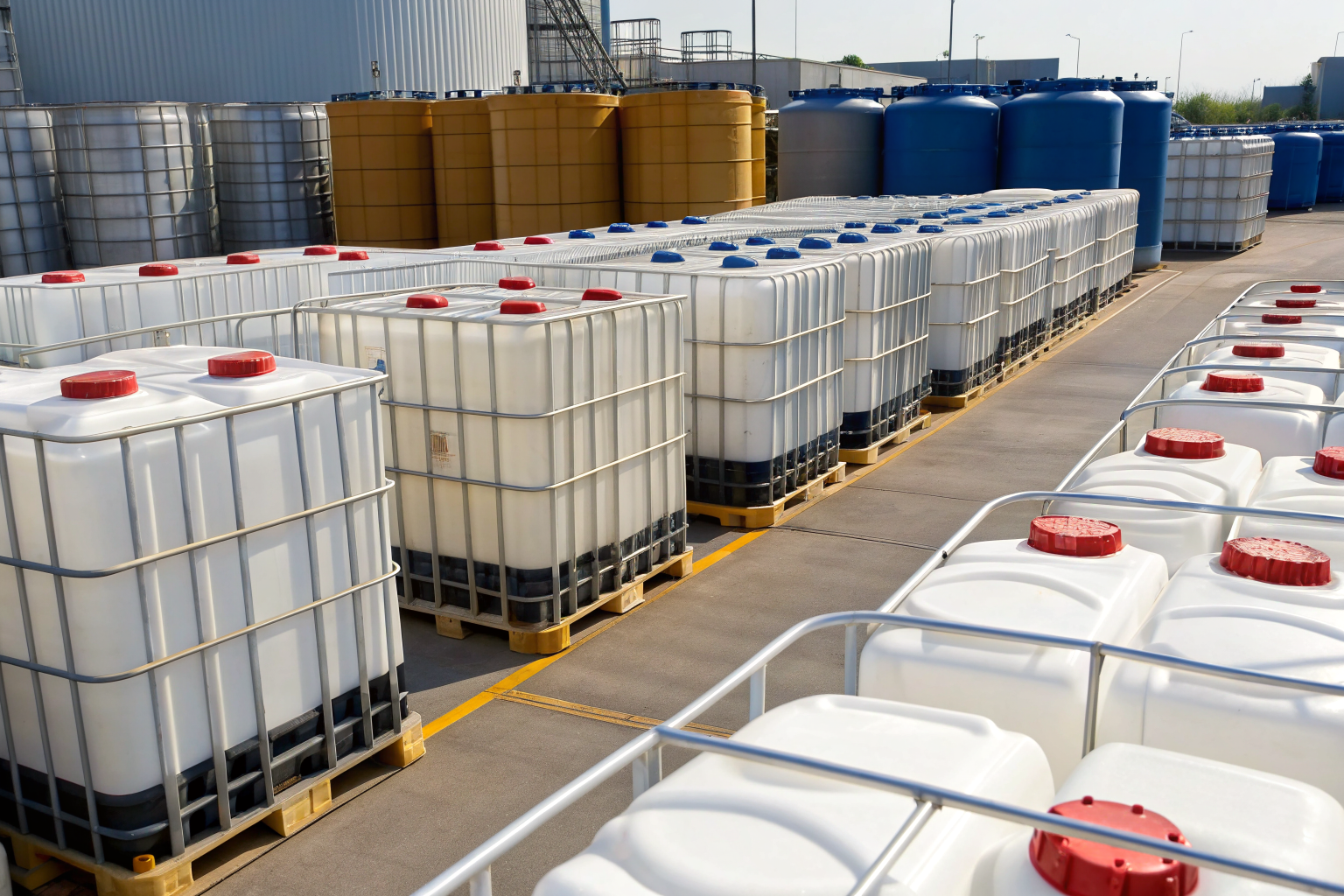
Oil storage capacity triggers SPCC compliance requirements when your facility stores 1,320 gallons or more of oil in aggregate, with individual containers holding 55 gallons or more. This calculation includes all qualifying oil storage across your entire facility, not just your largest tanks.
The 1,320-gallon threshold applies to the total combined capacity of all oil storage containers that meet the 55-gallon minimum. A facility with twenty 70-gallon drums stores 1,400 gallons total and requires an SPCC plan. A facility with fifty 50-gallon drums stores 2,500 gallons but doesn’t require SPCC compliance because individual containers fall below the 55-gallon minimum.
Facility Assessment must account for all oil types covered under EPA definitions. Petroleum-based oils obviously count — diesel fuel, gasoline, hydraulic oil, lubricating oil, and heating oil. But vegetable oils and animal fats also trigger SPCC Requirements. Restaurant chains, food processing facilities, and biodiesel producers often miss this requirement because they think SPCC only applies to petroleum companies.
Temporary storage complicates the calculation. Mobile fuel tanks, contractor equipment, and seasonal storage all count toward your aggregate capacity when present on-site for more than six months total per year. A construction site with a 500-gallon diesel tank, a 400-gallon hydraulic oil tank, and a 500-gallon lubricant storage tank exceeds the 1,320-gallon threshold and needs SPCC compliance.
Container size matters as much as total capacity. Multiple small containers don’t trigger SPCC Requirements even if they exceed 1,320 gallons total. Fifty 25-gallon drums storing 1,250 gallons of oil don’t require an SPCC plan because individual containers stay below 55 gallons. This creates a loophole some facilities exploit, but it also creates operational inefficiencies and higher per-gallon storage costs.
Oil Storage calculations exclude certain petroleum products. Heating oil stored in underground tanks at single-family residences doesn’t count. Oil stored in completely buried tanks with no underground piping doesn’t count. But partially buried tanks, tanks with underground piping, and commercial heating oil storage all count toward the threshold.
Does Your Facility Type Require SPCC Compliance?
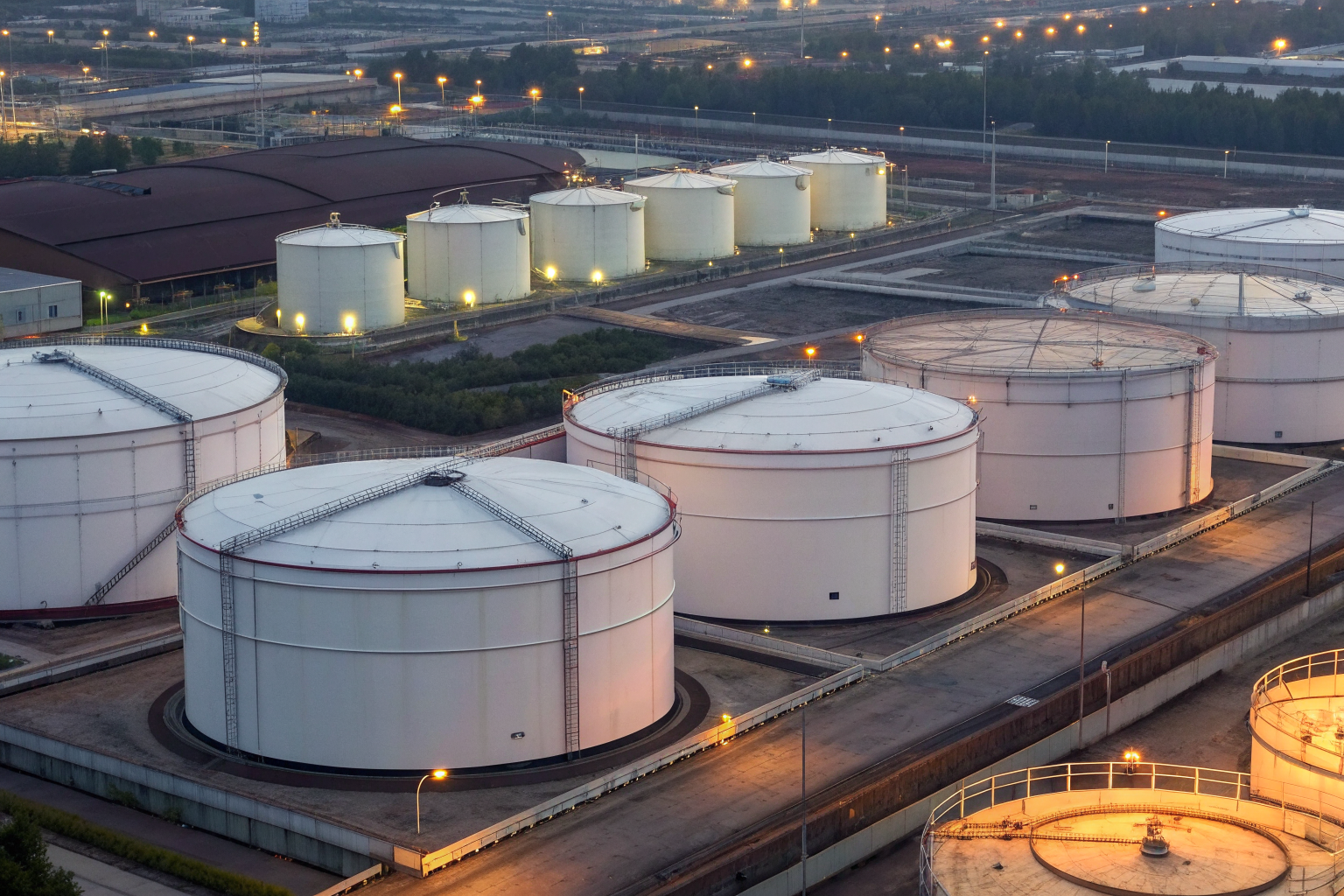
Facility type determines SPCC plan requirements based on operational characteristics and oil storage purposes, not industry classifications. Facility Assessment examines storage patterns, not business categories.
| Facility Type | SPCC Required | Key Factors | Common Exemptions |
|---|---|---|---|
| Manufacturing | Yes if >1,320 gal | Hydraulic systems, lubricants, fuel storage | None for qualifying facilities |
| Agricultural | Yes if >1,320 gal | Diesel, pesticides, vegetable oils | Farms <10,000 gal with no discharge history |
| Transportation | Yes if >1,320 gal | Fuel depots, maintenance facilities | Mobile equipment <1,320 gal |
| Commercial | Yes if >1,320 gal | Heating oil, backup generators | Single-family residential heating |
| Marine | Always if oil storage | Fuel docks, repair facilities | Recreational marinas <10,000 gal |
| Power Generation | Yes if >1,320 gal | Turbine oil, transformer oil, fuel | None for qualifying facilities |
| Waste Management | Yes if >1,320 gal | Hydraulic fluid, fuel storage | Completely enclosed facilities |
EPA Regulations don’t provide blanket exemptions for specific industries. Agricultural facilities storing pesticides dissolved in oil, vegetable oil processing plants, and biodiesel production facilities all face SPCC Requirements when they exceed storage thresholds. The EPA treats cooking oil the same as crude oil for regulatory purposes.
Mobile versus stationary storage creates different compliance requirements. Tank trucks, rail cars, and portable containers that remain on-site temporarily don’t count toward SPCC thresholds. But portable tanks that become semi-permanent installations — staying longer than six months — convert to stationary storage and trigger compliance requirements.
Some facilities operate multiple locations that individually fall below SPCC thresholds but collectively exceed them. Each facility location gets evaluated independently. A company with ten locations storing 200 gallons each doesn’t need SPCC compliance at any location, even though the company stores 2,000 gallons total across all sites.
How Close Is Too Close? Navigable Waters Proximity Rules
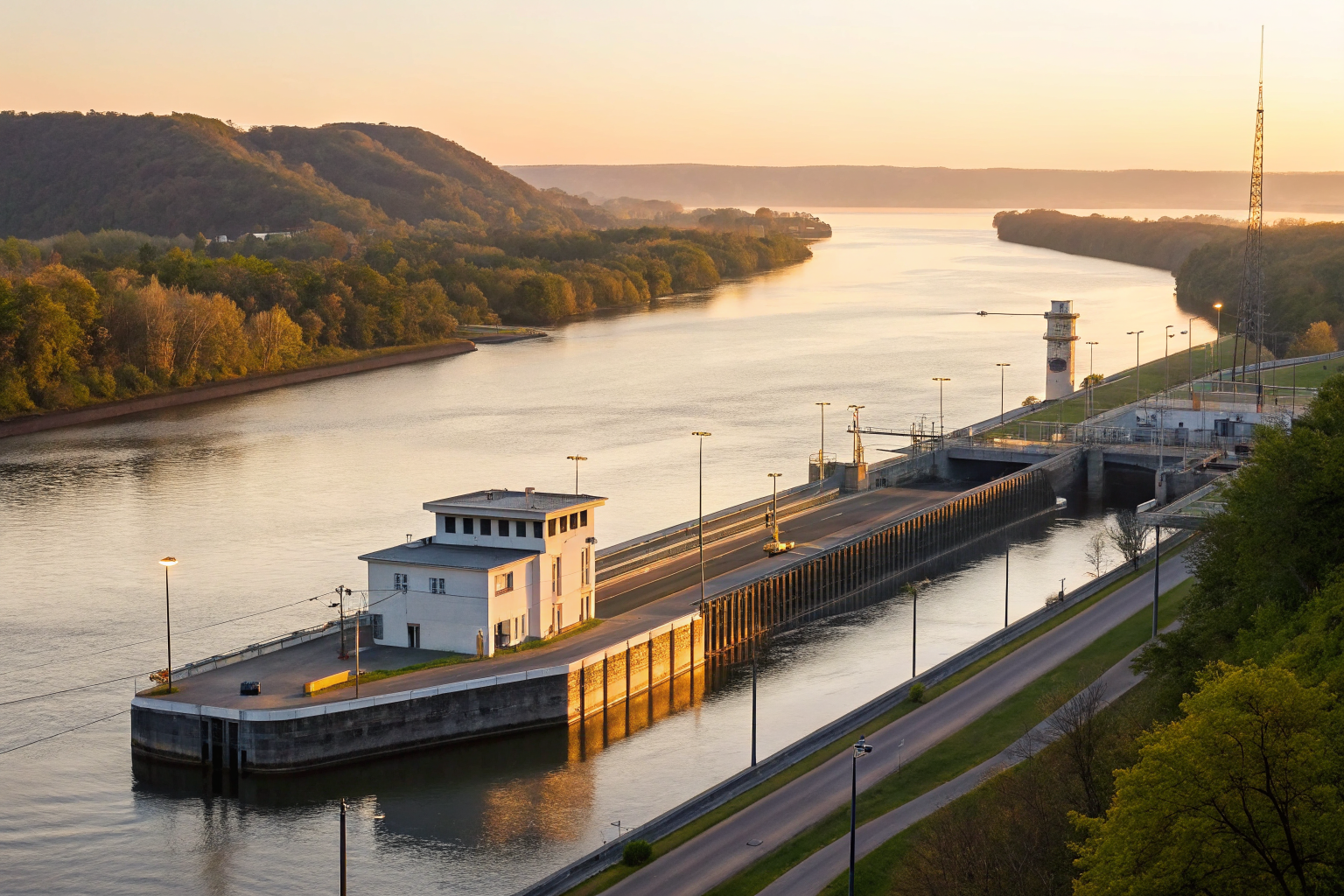
Navigable waters proximity triggers immediate SPCC requirements regardless of oil storage quantities when facilities operate within one mile of waters used for interstate commerce. EPA Regulations define navigable waters broadly, including rivers, lakes, streams, and coastal waters that connect to interstate waterways.
The one-mile proximity rule creates automatic SPCC compliance for facilities that might otherwise fall below storage thresholds. A small marina storing 800 gallons of diesel fuel normally wouldn’t need SPCC compliance, but its waterfront location triggers mandatory requirements. Distance measurements use the shortest overland route from oil storage areas to the nearest navigable water body.
Spill Prevention becomes the primary regulatory concern when oil storage sits near navigable waters. EPA analysis shows that 73% of reportable oil spills occur at facilities within one mile of navigable waters, making these locations high-priority enforcement targets. The agency assumes any oil spill at these facilities could reach navigable waters through surface runoff, storm drains, or groundwater flow.
Navigable waters under EPA definition include more water bodies than most facility managers realize. Interstate rivers, the Great Lakes, coastal waters, and tributaries that connect to interstate waterways all qualify. Even seasonal streams that flow into navigable rivers during spring runoff can trigger proximity requirements. Local ponds that connect to navigable waters through culverts or drainage systems also count.
Discharge potential assessment examines how spilled oil could reach navigable waters from your facility. Paved surfaces that drain toward water bodies create high discharge potential. Facilities on hills above navigable waters face automatic high-risk classification. Underground storage tanks near water bodies create groundwater contamination risks that trigger enhanced SPCC Requirements.
The EPA doesn’t accept “it probably won’t reach the water” as a defense. Proximity rules assume worst-case scenarios where spilled oil finds a pathway to navigable waters through storm systems, soil infiltration, or surface flow. Facilities within the one-mile zone must prove they cannot possibly discharge oil to navigable waters to avoid SPCC compliance.
What Happens If You Skip SPCC Requirements?

EPA Enforcement results in significant financial penalties starting at $37,500 per day for facilities operating without required SPCC plans. Recent enforcement cases show penalties reaching $157,000 per violation, with multiple violations often cited during single inspections.
Penalty structures escalate based on violation severity and facility compliance history. First-time violators with good faith efforts to achieve compliance typically receive lower penalties, while repeat violators or facilities with environmental damage face maximum fines. The EPA issued $12.3 million in SPCC penalties during 2023, with individual cases ranging from $15,000 to $800,000.
Compliance timeline requirements give facilities 60 days to develop initial SPCC plans after determining they need compliance. Professional Engineer certification becomes mandatory for facilities storing more than 10,000 gallons of oil or with complex storage systems. This adds 30-90 days to compliance timelines because finding qualified Professional Engineer review takes time in many markets.
SPCC Requirements include ongoing obligations beyond initial plan development. Annual inspections, employee training, and plan updates create continuous compliance costs. Facilities that develop SPCC plans but fail to implement required procedures face the same penalties as facilities without plans. The EPA treats incomplete implementation as willful non-compliance.
Enforcement patterns show the EPA prioritizes facilities near sensitive environmental areas and those with spill histories. Coastal facilities, river terminals, and facilities near drinking water sources receive enhanced inspection frequency. Anonymous complaints trigger immediate EPA response, and competitor reports about SPCC violations have increased 40% since 2020.
Secondary Containment: The Physical Infrastructure Test
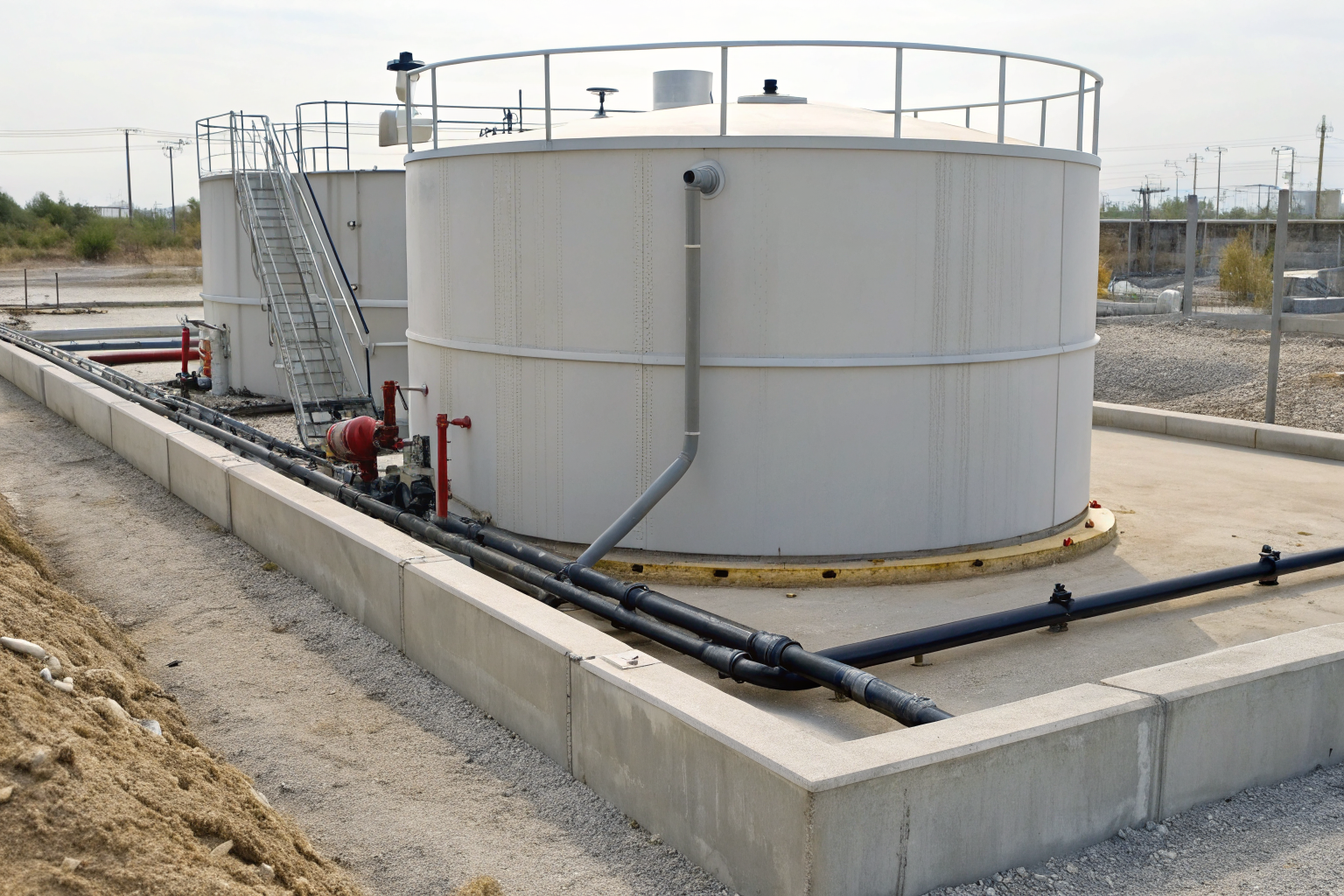
Secondary containment prevents oil discharge to navigable waters by providing backup containment when primary storage fails. SPCC Plan requirements mandate specific containment volumes and construction standards for different storage configurations.
Step 1: Calculate required containment volume at 110% of the largest container capacity within each containment area. A containment area with three 1,000-gallon tanks needs containment capacity of 1,100 gallons minimum. This accounts for the complete failure of your largest container plus precipitation and other liquids that might accumulate.
Step 2: Evaluate containment system integrity through visual inspection and testing protocols. Containment systems must remain impermeable to stored oils and structurally sound under maximum load conditions. Concrete containment requires proper sealing and crack inspection. Steel containment needs corrosion assessment and coating maintenance.
Step 3: Implement drainage controls that prevent contaminated water from leaving containment areas. Manual valves, automated systems, or removable barriers must control drainage from secondary containment. You cannot have permanently open drains that could discharge spilled oil directly to storm systems or navigable waters.
Step 4: Establish inspection schedules that verify containment effectiveness monthly for high-risk areas and quarterly for standard installations. Spill Prevention depends on early detection of containment system deterioration. Document inspection findings and corrective actions to demonstrate ongoing compliance during EPA inspections.
Step 5: Design containment systems that accommodate expansion, temperature changes, and seismic activity in applicable regions. Secondary Containment systems must function during extreme weather events when spill risks increase. Flexible connections, proper anchoring, and thermal expansion joints prevent containment failure during operational stress.
Containment volume calculations become complex when multiple containers share containment areas. The 110% rule applies to individual containment areas, not facility-wide storage. Separate containment areas can each size to their largest individual container, but shared containment must accommodate the largest container plus 10% of all other containers in the same containment area.