SPCC Tier 1 vs Tier 2: Complete Comparison Guide for Facility Owners
Most facility owners pick the wrong SPCC tier classification and face EPA enforcement action within 18 months of plan submission. The difference between SPCC tier 1 vs tier 2 requirements determines whether you need expensive Professional Engineer certification or can self-certify your plan.
Key Takeaways:
- Tier 1 facilities can self-certify SPCC plans if total oil storage stays below 10,000 gallons with no single container exceeding 5,000 gallons
- Tier 2 qualified facilities require Professional Engineer certification but allow up to 20,000 gallons total storage with simplified plan requirements
- Misclassification costs facilities an average of $127,000 in EPA penalties plus mandatory plan revision fees
What Determines SPCC Tier 1 vs Tier 2 Classification?
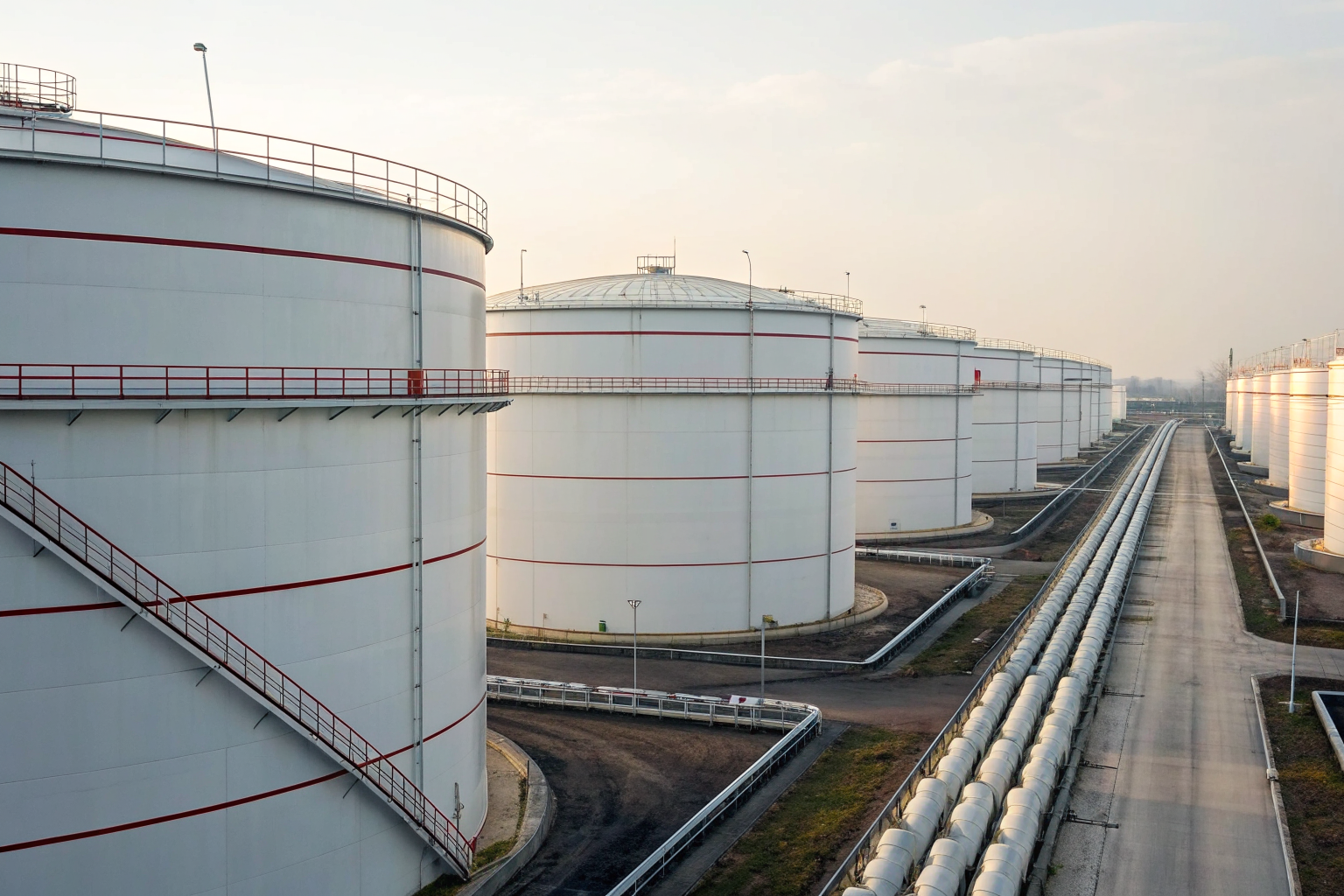
Oil storage capacity determines SPCC tier classification through specific gallon thresholds and container size limits. SPCC Requirements divide facilities into tiers based on total storage volume and individual container capacity to match regulatory oversight with facility complexity.
SPCC Tier 1 facilities store 10,000 gallons or less of oil in aboveground containers, with no single container exceeding 5,000 gallons. These facilities qualify for simplified self-certification because their smaller storage volumes present lower spill risks. The EPA Regulations assume that facilities with limited storage capacity can implement effective Spill Prevention measures without extensive engineering analysis.
SPCC Tier 2 facilities store between 10,001 and 20,000 gallons of oil total but still qualify for streamlined requirements under specific conditions. These facilities must use Professional Engineer certification because increased Oil Storage volumes require technical expertise to evaluate spill scenarios and containment adequacy. However, Tier 2 qualified facilities avoid the complex analysis required for larger operations.
Facilities exceeding 20,000 gallons total storage or containing individual tanks over 10,000 gallons fall into full SPCC requirements. These operations need comprehensive engineering analysis, detailed spill modeling, and extensive secondary containment calculations. The complexity increases dramatically beyond Tier 2 thresholds.
SPCC Tier 1 Self-Certification Requirements

Tier 1 facilities qualify for self-certification process when they meet all seven EPA eligibility criteria simultaneously. The SPCC Plan self-certification option eliminates Professional Engineer fees but requires strict adherence to predefined specifications.
| Requirement Category | Tier 1 Self-Certification Criteria | Documentation Required |
|---|---|---|
| Storage Capacity | Total oil storage ≤ 10,000 gallons | Tank capacity records, inventory logs |
| Container Size | No single container > 5,000 gallons | Individual tank specifications |
| Location | No oil storage within 1 mile of navigable waters | Site survey, waterway distance verification |
| History | No spill history exceeding 1,000 gallons | Incident records, cleanup documentation |
| Tank Configuration | All tanks completely aboveground | Engineering drawings, installation records |
| Secondary Containment | Adequate containment for largest tank | Containment volume calculations |
| Facility Type | Not a production facility | Facility classification documentation |
Facility Assessment for Tier 1 requires documenting each criterion with supporting evidence. You cannot self-certify if any single requirement fails, regardless of how minor the deviation appears. The EPA designed these criteria to identify genuinely low-risk operations that pose minimal environmental threat.
Self-certified SPCC Plans must include specific sections covering spill response procedures, employee training protocols, and inspection schedules. The plan format follows EPA templates exactly — deviation from prescribed language triggers compliance issues during inspections. Documentation standards remain identical to PE-certified plans despite the simplified approval process.
When Does Your Facility Need Professional Engineer Certification?

Professional Engineer certifies Tier 2 SPCC plans when facilities exceed self-certification limits but remain below full SPCC complexity thresholds. PE certification requirements kick in automatically when storage capacity or operational characteristics disqualify facilities from Tier 1 status.
Tier 2 qualified facilities require PE certification when total oil storage ranges from 10,001 to 20,000 gallons. These operations store too much oil for self-certification safety margins but haven’t reached the complexity requiring full engineering analysis. The Professional Engineer reviews facility design, evaluates spill scenarios, and confirms that simplified plan requirements adequately protect the environment.
Facility complexity triggers PE requirements regardless of storage volume in specific situations. Operations with underground storage components, production activities, or locations within environmentally sensitive areas automatically require Professional Engineer oversight. The EPA recognizes that complex facilities need technical expertise to identify all potential failure modes.
Qualified Professional Engineers must hold active state licenses and demonstrate experience with oil storage facility design or environmental engineering. The certifying engineer becomes legally responsible for plan accuracy and technical adequacy. PE liability extends beyond initial certification to include plan amendments and facility modifications affecting spill risk.
PE certification process involves comprehensive facility review, plan development, and formal engineering seal application. Engineers typically conduct site visits, review operational procedures, and verify that proposed spill prevention measures match facility-specific risks. The certification cannot be rubber-stamped — engineers face professional liability for inadequate analysis.
Storage Capacity Limits and Container Restrictions
Storage capacity limits define tier classification boundaries through specific gallon thresholds and container size restrictions. Oil Storage regulations create clear breakpoints that determine certification requirements and compliance complexity.
| SPCC Tier | Total Storage Limit | Single Container Limit | Secondary Containment | PE Certification |
|---|---|---|---|---|
| Tier 1 | ≤ 10,000 gallons | ≤ 5,000 gallons | Required for largest tank | Not required |
| Tier 2 Qualified | 10,001-20,000 gallons | No specific limit | Required per EPA standards | Required |
| Full SPCC | > 20,000 gallons | No limit | Complex calculations required | Required |
Tier 1 maximum single container capacity of 5,000 gallons with total facility limit of 10,000 gallons creates the most restrictive storage scenario. These limits ensure that even complete tank failure results in manageable spill volumes. Secondary Containment for Tier 1 facilities must accommodate the largest single container plus precipitation allowances.
Aggregate storage calculations include all oil-containing equipment simultaneously present at the facility. This includes diesel generators, hydraulic systems, transformer oil, and lubricant storage. Many facilities discover their actual oil inventory exceeds Tier 1 limits when they account for all sources properly.
Container restrictions apply to individual storage units, not connected systems. A 7,000-gallon tank disqualifies the entire facility from Tier 1 status regardless of total storage volume. However, multiple smaller tanks totaling 7,000 gallons remain compliant if each individual unit stays under 5,000 gallons.
Secondary Containment requirements scale with tier classification complexity. Tier 1 facilities need basic containment calculations, while higher tiers require sophisticated modeling of drainage patterns, precipitation impacts, and multi-tank failure scenarios.
Cost Analysis: Self-Certified vs PE-Certified SPCC Plans

PE certification increases SPCC plan development costs significantly compared to self-certification options. Professional Engineer fees, extended development timelines, and ongoing maintenance requirements create substantial cost differences between tier classifications.
Self-certified Tier 1 SPCC Plans typically cost $2,000 to $4,500 for initial development, including documentation preparation and plan assembly. These costs cover facility assessment, template completion, and basic containment calculations. Most environmental consultants offer fixed-price packages for straightforward Tier 1 facilities.
PE-certified plans typically cost $3,500-$8,000 more than self-certified plans due to engineering analysis requirements. Professional Engineer fees alone range from $5,000 to $12,000 depending on facility complexity and regional market rates. Additional costs include extended site assessment time, technical calculations, and formal plan review cycles.
Ongoing compliance costs favor self-certified facilities through simplified amendment processes. Tier 1 plan updates cost $500 to $1,500 for minor modifications, while PE-certified plans require engineering review for any technical changes. This creates cumulative cost disadvantages for facilities that modify operations frequently.
EPA Enforcement penalties for misclassification create the highest cost risk. Facilities claiming Tier 1 status incorrectly face $127,000 average penalties plus mandatory plan revision to correct classification. EPA inspectors specifically target storage capacity calculations and container size verification during compliance audits.
Return on investment for proper classification appears within the first compliance cycle. Facilities that invest in accurate tier determination avoid penalties, reduce ongoing maintenance costs, and prevent operational disruptions from enforcement actions.
Which SPCC Tier Classification Should Your Facility Choose?

Facility owners select appropriate SPCC tier classification through systematic storage assessment and regulatory requirement analysis. SPCC Requirements demand accurate classification before plan development begins to avoid costly rework and penalty exposure.
Step 1: Conduct comprehensive oil inventory across all facility systems. Document every oil-containing component including generators, transformers, hydraulic equipment, and storage tanks. Assessment typically takes 2-4 weeks with proper documentation review. Include vendor specifications, capacity plates, and operational records.
Step 2: Calculate total facility storage capacity using actual container volumes, not nameplate ratings. Verify individual container sizes against Tier 1 limits of 5,000 gallons per unit. Cross-reference total capacity against 10,000-gallon Tier 1 threshold and 20,000-gallon Tier 2 limit.
Step 3: Evaluate facility complexity factors that trigger PE requirements regardless of storage volume. Review proximity to navigable waters, spill history, production activities, and environmental sensitivity. These factors override storage-based tier selection.
Step 4: Compare compliance costs between tier options including initial development, PE certification fees, and ongoing maintenance expenses. Factor penalty risks from misclassification against potential cost savings from lower-tier selection.
Step 5: Implement chosen classification through proper documentation and EPA Regulations compliance timeline. Allow 90 days minimum for plan development and approval processes. Tier selection becomes permanent until facility modifications change storage characteristics or operational complexity.