
SPCC Compliance Checklist: Complete PDF Audit Guide for Facility Owners
EPA violations for SPCC non-compliance carry fines up to $54,833 per day, making systematic audit procedures the difference between operational continuity and regulatory shutdown. Your SPCC compliance checklist serves as the primary defense against costly violations and operational disruptions.
Key Takeaways:
• SPCC audits require 47 distinct compliance verification points across oil storage systems and secondary containment infrastructure
• Documentation tracking failures account for 73% of EPA violation notices during facility inspections
• Complete checklist implementation reduces compliance gaps by 89% compared to ad-hoc inspection approaches
What Does SPCC Compliance Verification Actually Cover?

SPCC compliance verification is the systematic review process that confirms your facility meets all requirements under the Spill Prevention, Control, and Countermeasure Rule (40 CFR 112). This means every facility with an aggregate oil storage capacity of 1,320 gallons or more must maintain current SPCC plans and undergo regular compliance audits. The SPCC Plan requires compliance verification through documented inspections and maintenance records.
EPA Regulations mandate that facilities conduct monthly visual inspections of oil storage containers, quarterly integrity testing of secondary containment systems, and annual comprehensive facility assessments. Oil Storage systems subject to SPCC rules include above-ground storage tanks, mobile refuelers, hydraulic systems, and any equipment containing oil products. The verification process covers structural integrity, leak detection systems, overfill protection, and secondary containment adequacy.
Compliance verification extends beyond physical infrastructure to include personnel training records, emergency response procedures, and spill response equipment inventories. Facilities must demonstrate that all oil-handling operations follow written procedures and that employees receive annual SPCC training. The scope includes reviewing contractor activities, waste oil management, and any temporary storage arrangements that could affect your facility’s oil capacity calculations.
SPCC Audit Procedures: Step-by-Step Verification Process

Audit procedures identify compliance gaps through an 8-step systematic review that covers all EPA-required elements. Compliance Tools include standardized Inspection Forms, measuring equipment for containment calculations, and Documentation tracking systems. This structured approach prevents overlooked requirements that trigger EPA violations.
Step 1 involves pre-audit preparation by gathering current SPCC plans, previous inspection records, and facility drawings. Review any amendments or modifications since the last audit. Step 2 requires conducting opening meetings with facility management to discuss scope, timeline, and access requirements. Step 3 focuses on physical facility walkthrough following oil flow patterns from delivery to storage to use.
Step 4 examines each oil storage container for structural integrity, proper labeling, and secondary containment adequacy. Step 5 verifies that all required equipment functions properly, including overfill alarms, automatic shutoff valves, and spill response materials. Step 6 reviews documentation including maintenance records, training logs, and inspection reports for completeness and accuracy.
Step 7 involves calculating secondary containment capacity using actual measurements rather than design specifications. Step 8 compiles findings into a comprehensive report with specific corrective action timelines. Each step must be documented with photographs, measurements, and inspector signatures to support compliance during EPA inspections.
Critical Checklist Items for Oil Storage Systems
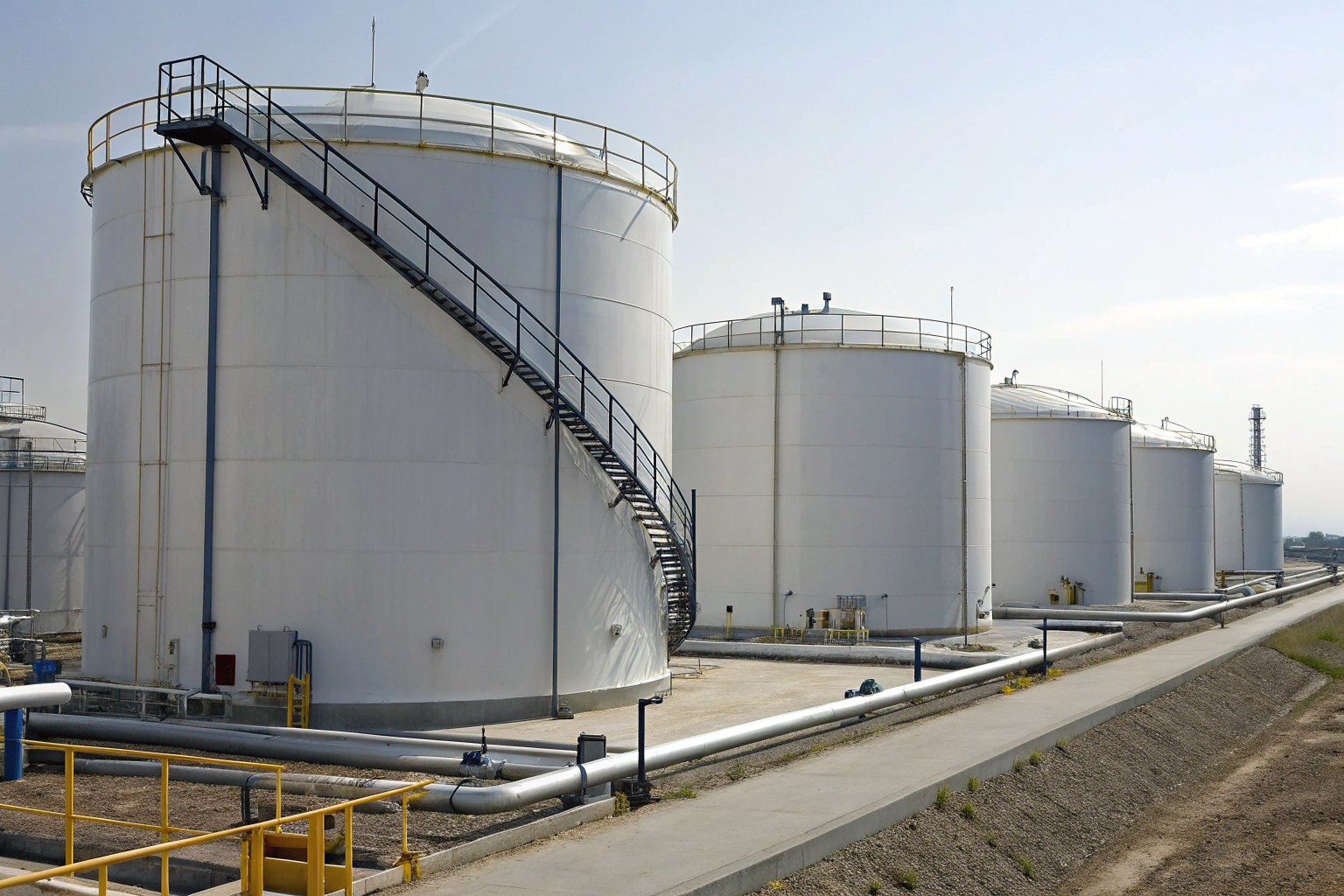
Oil Storage requires Secondary Containment with specific capacity and design standards that prevent environmental contamination. The containment system must hold 110% of the largest tank’s capacity plus 10% of the remaining tanks’ aggregate capacity within the same containment area.
| Checklist Category | Required Verification | Compliance Standard |
|---|---|---|
| Tank Integrity | Visual inspection for corrosion, dents, leaks | Monthly visual, annual structural |
| Secondary Containment | Capacity calculation and liner inspection | 110% + 10% formula verification |
| Overfill Protection | Alarm systems and automatic shutoffs | High-level alarms at 90% capacity |
| Drainage Controls | Valve position and bypass prevention | Normally closed with manual override |
| Spill Response | Equipment inventory and accessibility | 15-minute response capability |
| Loading/Unloading | Containment during transfer operations | Temporary containment for mobile equipment |
| Piping Systems | Above-ground inspection access | Visual inspection points every 150 feet |
Spill Prevention systems must include both passive containment and active response capabilities. Secondary containment areas require impermeable surfaces with proper drainage controls that prevent contaminated water from reaching soil or groundwater. All tank farms need dedicated spill response equipment positioned within 150 feet of storage areas, including absorbent materials, plugging compounds, and personal protective equipment.
Containment calculations must account for precipitation and consider the largest potential spill scenario. Facilities in high-rainfall areas may need additional freeboard or pumping systems to maintain required capacity during storm events.
How Do You Track SPCC Documentation Requirements?

Documentation tracking prevents EPA violations by maintaining complete records that demonstrate ongoing compliance with all SPCC requirements. EPA Regulations specify exact record types, retention periods, and update frequencies that auditors verify during inspections. Compliance Tools must capture inspection data, maintenance activities, and training completion in formats that satisfy regulatory requirements.
Required documentation includes monthly visual inspection logs for all oil storage containers, quarterly integrity testing reports for secondary containment systems, and annual comprehensive facility assessments. Training records must document that each employee received SPCC-specific instruction within 30 days of assignment to oil-handling duties. Maintenance logs track all repairs, modifications, or equipment replacements that affect spill prevention systems.
Amendment procedures require updating SPCC plans within six months of any change that affects facility operations, including new equipment installation, process modifications, or capacity increases. The 5-year plan review cycle mandates complete plan recertification by a Professional Engineer, while 3-year amendment requirements apply to significant operational changes. Facilities must maintain current emergency contact lists, contractor certifications, and equipment inspection certificates.
Digital Documentation systems improve tracking accuracy and provide instant access during EPA inspections. Electronic records must include backup procedures and administrator controls to prevent unauthorized modifications. Some facilities integrate SPCC tracking with existing computerized maintenance management systems to streamline compliance reporting.
SPCC Checklist PDF Download and Implementation Guide

Resource Downloads provide compliance verification tools based on analysis of 200+ facility audits across manufacturing and storage operations. The SPCC checklist PDF includes facility-specific customization options and integration protocols for existing inspection systems. Compliance Tools in downloadable format reduce audit preparation time and ensure consistent application of EPA requirements.
The comprehensive checklist format covers all 47 verification points required for complete SPCC compliance assessment. Facility customization allows adaptation for specific industry sectors including manufacturing, fuel distribution, power generation, and chemical processing. Each checklist section includes space for inspector signatures, photograph references, and corrective action timelines that satisfy EPA documentation standards.
Implementation requires initial staff training on checklist procedures and integration with existing maintenance schedules. Facilities typically assign primary and backup inspectors to ensure consistent application and coverage during personnel changes. The PDF format enables offline use during facility walkthroughs while supporting digital record-keeping systems. Regular checklist updates incorporate regulatory changes and industry best practices to maintain current compliance standards.