
SPCC for Food Processing: Vegetable Oil and Cooking Oil Containment Guide
Food processing facilities handle massive volumes of vegetable and cooking oils daily, making SPCC compliance critical for preventing catastrophic spills that shut down operations and trigger EPA enforcement actions.
Key Takeaways:
• Food processing facilities storing 1,320+ gallons of vegetable oil must maintain EPA-compliant SPCC plans with secondary containment systems
• Secondary containment must hold 110% of the largest single container plus 10% of remaining aggregate capacity for bulk oil storage areas
• EPA inspections of food processing plants increased 47% since 2020, with oil storage violations averaging $127,000 in penalties per facility
What Makes Food Processing Oil Storage Different from General SPCC Requirements?
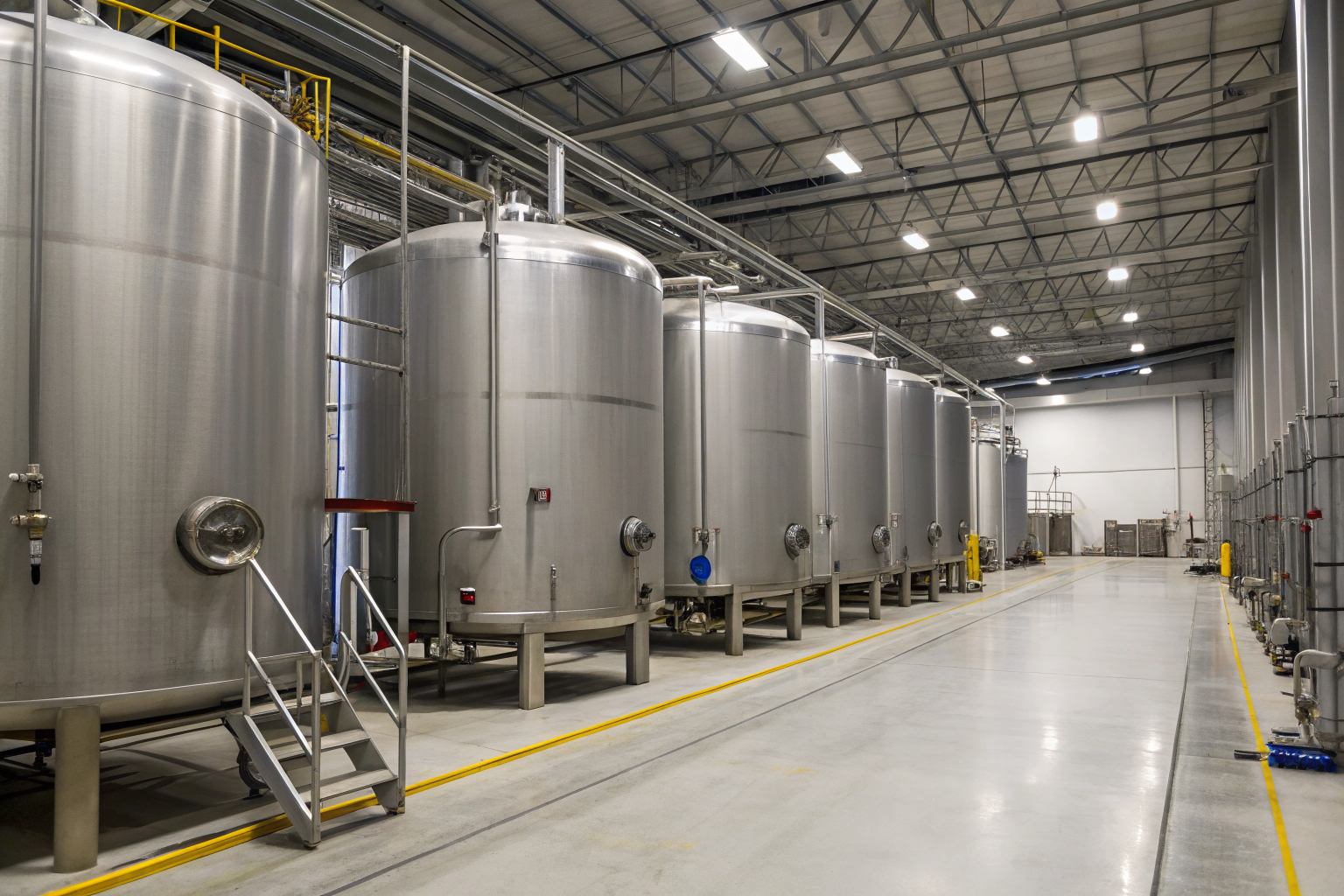
SPCC for food processing is specialized compliance that addresses the unique properties and handling requirements of edible oils in manufacturing environments. This means food-grade oil operations face stricter containment standards, temperature-sensitive storage protocols, and dual regulatory oversight from both EPA and FDA.
Food processing facilities require specialized SPCC compliance for edible oil operations because vegetable oils and cooking oils behave differently than petroleum products under temperature variations. Cooking oils maintain viscosity at temperatures ranging from 350°F to 450°F during processing, while petroleum oils typically operate at ambient temperatures. This temperature differential requires containment systems rated for thermal expansion and contraction cycles that petroleum-focused SPCC plans don’t address.
EPA Regulations for food processing must integrate with FDA HACCP requirements, creating a compliance framework that protects both environmental and food safety standards. Food-grade oil handling requires stainless steel or food-safe coated containment surfaces, unlike standard concrete containment acceptable for petroleum products. The SPCC Plan must document cleaning protocols that prevent cross-contamination between food-grade and non-food-grade areas.
Temperature threshold requirements differ significantly between petroleum and food-grade oil storage. Food processing oils require containment systems rated for sustained temperatures up to 200°F during normal storage, compared to petroleum containment designed for maximum 120°F ambient conditions. This temperature differential impacts material selection, expansion joint design, and monitoring system specifications.
Vegetable Oil Storage Tank Requirements and Secondary Containment Systems
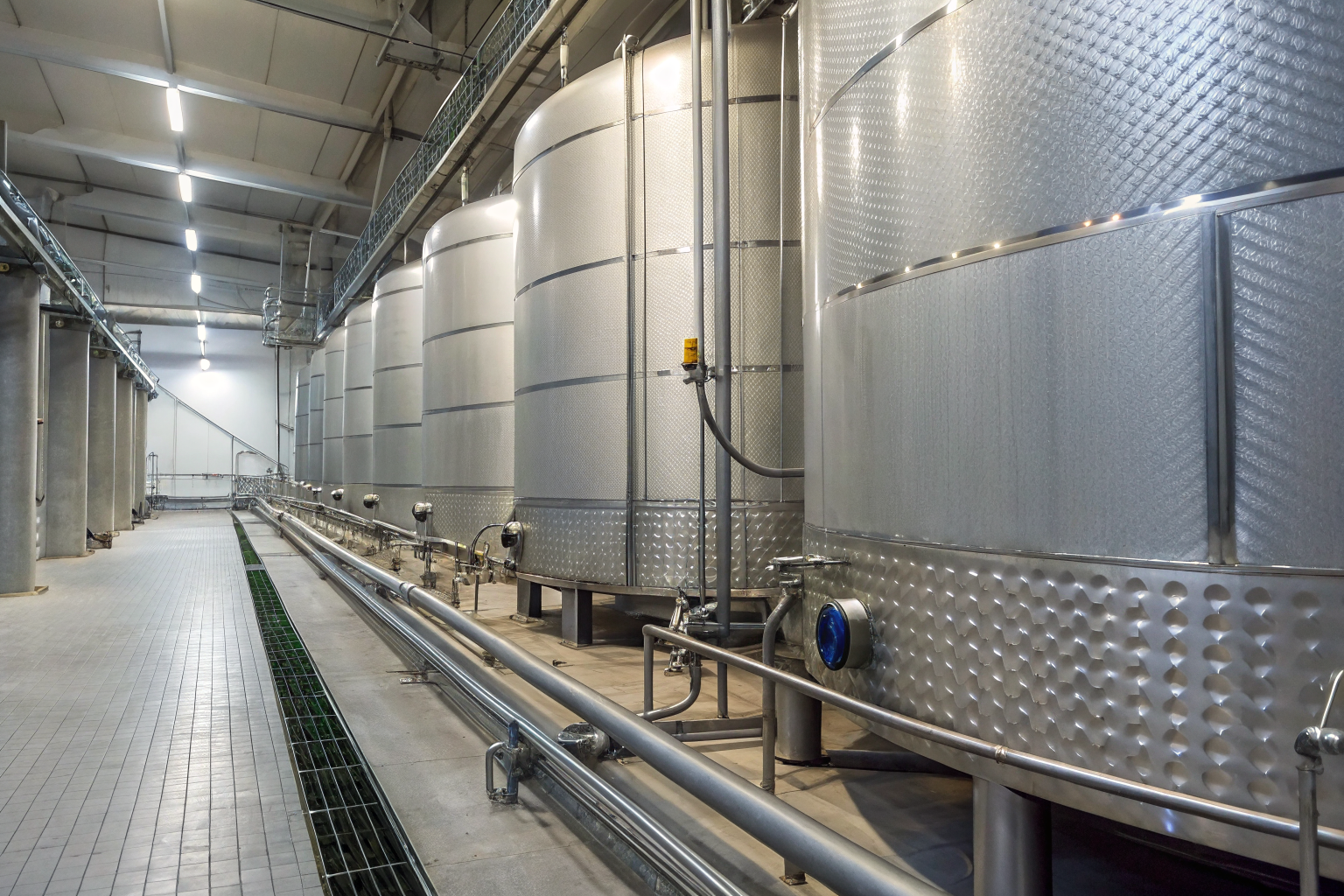
Secondary containment systems must accommodate vegetable oil storage volumes while meeting food-grade material requirements and thermal expansion specifications. Oil Storage in food processing facilities requires specialized engineering calculations that account for product viscosity changes, temperature cycling, and food safety protocols.
| Tank Configuration | Containment Volume Required | Material Specification | Temperature Rating |
|---|---|---|---|
| Single 10,000-gallon bulk tank | 11,000 gallons (110% capacity) | Stainless steel 316L or food-grade coating | 200°F sustained |
| Multiple tanks (largest 8,000 gal) | 9,600 gallons + 10% of remaining | Concrete with food-grade liner | 180°F sustained |
| Processing day tanks (<1,000 gal) | 110% of largest plus aggregate | Stainless steel preferred | 250°F intermittent |
| Transfer system piping | Linear foot containment trenches | Food-grade materials only | Process temperature +50°F |
Secondary Containment volume calculations for vegetable oil differ from petroleum calculations due to thermal expansion rates. Vegetable oils expand approximately 8% when heated from ambient temperature to 180°F, requiring containment systems sized for expanded volumes plus the standard 110% requirement. A 5,000-gallon soybean oil tank requires containment capacity of 5,940 gallons to accommodate both regulatory requirements and thermal expansion.
Concrete containment specifications for food-grade applications require impermeable liners or specialized coatings rated for contact with edible oils. Standard concrete absorbs vegetable oils, creating contamination risks and structural degradation. Food processing facilities must use epoxy-lined concrete, stainless steel construction, or high-density polyethylene liner systems rated for sustained oil contact.
Drainage system requirements prevent contamination by segregating food-grade oil recovery from other facility drainage. Vegetable oil spills require collection systems that maintain product integrity for potential reprocessing or proper disposal as food waste rather than hazardous material. This separation requires dedicated oil-water separators sized for vegetable oil viscosity characteristics.
How Do Processing Operations Impact Oil Spill Prevention Plans?
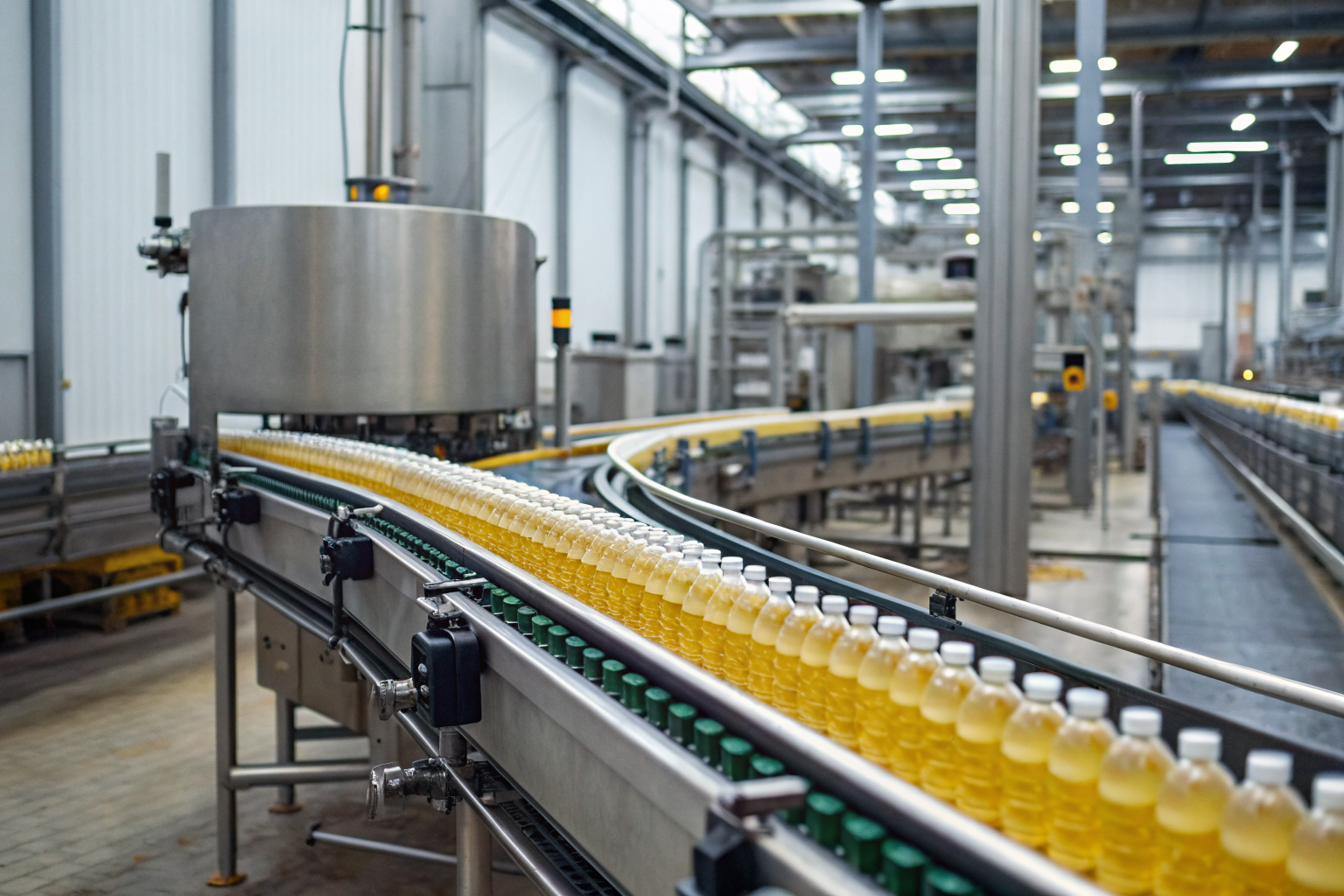
Processing operations create unique spill risks requiring specialized prevention measures because food production involves continuous oil circulation, high-temperature transfer systems, and integration with automated production lines. Spill Prevention in food manufacturing addresses risks that don’t exist in static petroleum storage scenarios.
Heat transfer systems and oil circulation create the highest spill risk in food processing operations. Continuous fryers circulate up to 2,000 gallons of cooking oil per hour through heated piping systems operating at 350°F. These systems require specialized leak detection capable of identifying oil losses as small as 5 gallons per hour before they become reportable spills. Temperature-rated gaskets, expansion joints, and valve systems prevent thermal stress failures that cause sudden releases.
Loading and unloading procedures for food-grade tankers require contamination prevention protocols that exceed petroleum handling standards. Cooking oil storage demands cleaning verification between deliveries, dedicated transfer lines for different oil types, and vapor control systems that prevent oxidation during transfer. Transfer rates typically range from 200-400 gallons per minute for bulk vegetable oil deliveries, requiring containment systems sized for potential line breaks during these high-volume operations.
Integration with production line oil handling creates complex spill scenarios where processing equipment failures can release oils directly onto production floors. Automated frying systems, spray coating applications, and ingredient mixing operations each present unique containment challenges. Production line integration requires portable containment systems, rapid-deployment spill kits sized for food-grade volumes, and emergency shutdown procedures that prevent oil releases during equipment malfunctions.
Typical oil circulation volumes in large-scale food processing operations range from 500 gallons per hour in small snack food facilities to 15,000 gallons per hour in major vegetable oil processing plants. These circulation rates require continuous monitoring systems and automated shutdown capabilities that activate within 60 seconds of detecting pressure drops or flow anomalies.
SPCC Plan Documentation for Food Processing Facilities
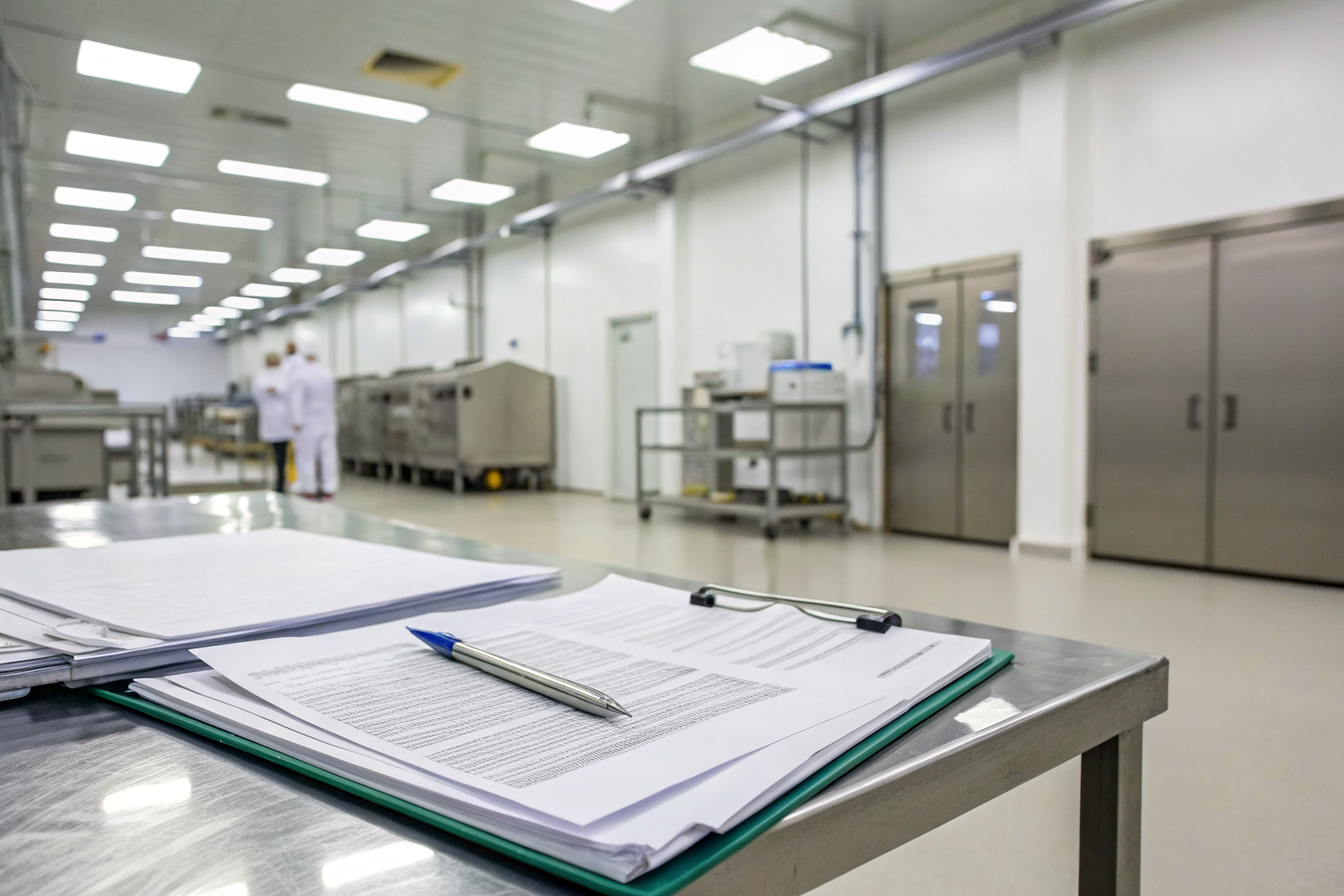
SPCC documentation must address food processing specific requirements through comprehensive planning that integrates environmental protection with food safety protocols. Specialized Compliance for food processing requires documentation that satisfies both EPA spill prevention regulations and FDA food safety requirements.
Required documentation begins with detailed facility diagrams showing all vegetable oil storage areas, processing equipment containing oils, and containment systems. These diagrams must identify food-grade versus non-food-grade zones, emergency response equipment locations, and drainage patterns for different types of spills. Documentation includes material safety data sheets for all cooking oils, certificates of food-grade compatibility for containment materials, and temperature monitoring records for heated oil systems.
Inspection schedules must align with production cycles to minimize disruption while maintaining compliance effectiveness. Monthly visual inspections of containment systems occur during scheduled maintenance windows. Weekly leak detection system testing coincides with equipment cleaning cycles. Annual comprehensive inspections by certified professionals occur during extended production shutdowns, typically aligned with deep cleaning and maintenance schedules.
Emergency response procedures for edible oil spills differ significantly from petroleum response protocols. Vegetable oil spills require immediate assessment for food safety impact, specialized cleanup materials that don’t contaminate the processing environment, and coordination with food safety personnel to determine production restart procedures. Response procedures include notification protocols for both EPA and FDA when spills affect food production areas.
Documentation retention requirements specific to food processing SPCC plans mandate 3-year retention for inspection records, 5-year retention for spill incident reports, and permanent retention for facility modifications that affect containment systems. Temperature monitoring records for heated oil systems require 2-year retention to demonstrate proper operation of thermal expansion controls.
Common Compliance Gaps in Food Plant Oil Storage Systems
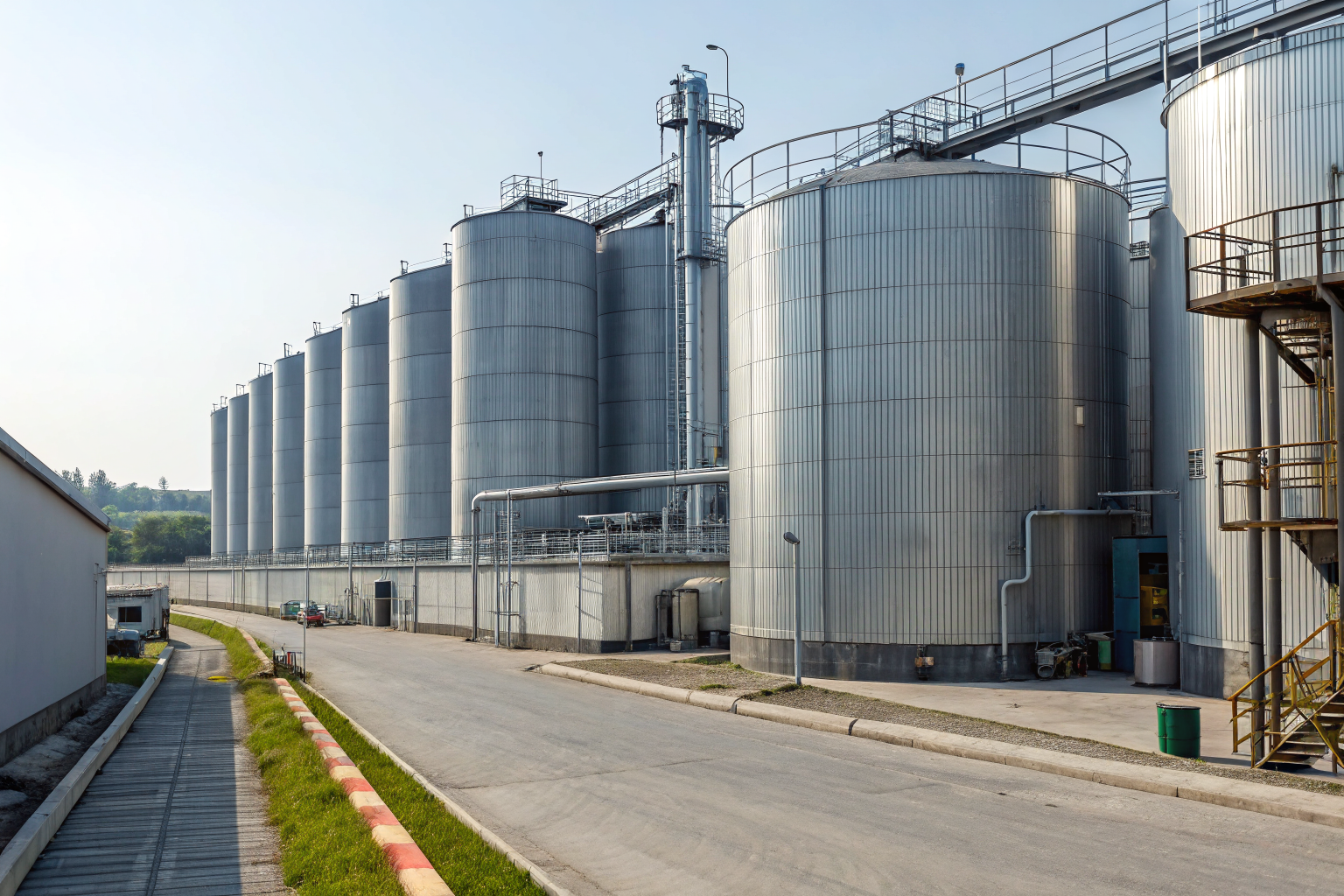
Food processing facilities frequently violate specific SPCC requirements due to misunderstanding the intersection between food safety and environmental regulations. Industry Applications in food processing often prioritize food safety compliance while overlooking environmental protection requirements that apply equally to edible oils.
| Violation Type | Frequency in Inspections | Average Penalty Range | Prevention Cost |
|---|---|---|---|
| Inadequate secondary containment | 67% of violations | $45,000-$85,000 | $15,000-$35,000 |
| Missing temperature monitoring | 45% of violations | $25,000-$55,000 | $8,000-$18,000 |
| Incomplete documentation | 38% of violations | $15,000-$35,000 | $3,000-$8,000 |
| Improper containment materials | 29% of violations | $35,000-$75,000 | $20,000-$50,000 |
| Inadequate spill response equipment | 23% of violations | $20,000-$40,000 | $5,000-$15,000 |
Sector Requirements often create confusion because food processing facilities assume that edible oils receive different treatment under SPCC regulations. EPA Regulations apply identical volume thresholds and containment requirements to vegetable oils as petroleum products. Facilities storing 1,320 gallons or more of cooking oil must comply with full SPCC requirements regardless of the oil’s food-grade status.
Cost analysis reveals that compliance gaps result in penalties averaging $127,000 per facility, while preventive compliance measures typically cost $35,000-$85,000 for comprehensive system upgrades. The highest-cost violations involve inadequate secondary containment systems that require facility modifications, equipment replacement, and extended downtime during construction.
Preventive measures that food processors commonly miss include regular calibration of temperature monitoring systems, proper documentation of cleaning protocols that affect containment system integrity, and coordination between environmental compliance and food safety teams. Many facilities maintain separate documentation systems for EPA and FDA requirements, creating gaps where SPCC requirements overlap with HACCP protocols. Integration of these systems prevents documentation gaps and ensures consistent compliance across both regulatory frameworks.