
SPCC for Small Businesses: 5 Key Compliance Strategies for Small Facilities
Most small business owners storing oil products discover their SPCC compliance gap only after an EPA inspector arrives unannounced. SPCC for small businesses carries the same regulatory weight as major industrial facilities — no size exemptions exist.
Key Takeaways:
• Facilities with 1,320+ gallons aggregate oil storage need SPCC plans — no exemption for small businesses
• Secondary containment costs average $2,000-$8,000 per storage area for typical small facilities
• Professional Engineer certification adds $3,000-$5,000 to plan development but prevents $25,000+ violation penalties
Do Small Businesses Need SPCC Plans?
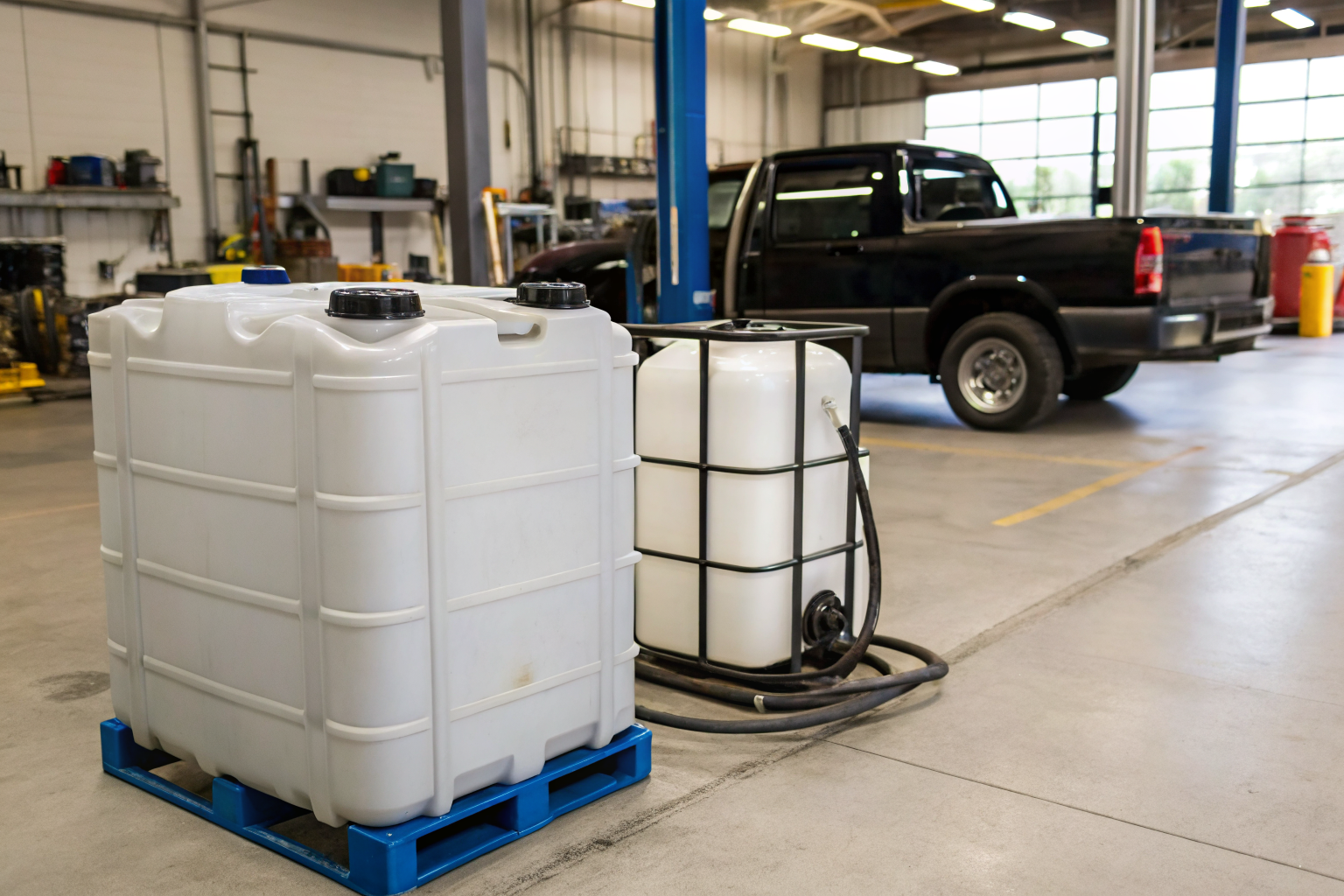
SPCC Requirements apply equally to all facilities regardless of size or industry type. Small businesses must comply with EPA Regulations when their aggregate Oil Storage capacity reaches 1,320 gallons. This means a auto repair shop with two 500-gallon waste oil tanks and a 400-gallon hydraulic fluid container hits the threshold — no exceptions exist for facility size.
The 1,320-gallon trigger includes all oil-containing equipment and containers at your facility. Many small business owners assume they qualify for some kind of small facility exemption. They don’t. EPA Regulations make no distinction between a 50-employee manufacturing plant and a Fortune 500 refinery when it comes to spill prevention requirements.
Violation penalties average $25,000 for unprepared facilities, regardless of company size. Small businesses actually face proportionally higher financial impact because they lack dedicated compliance staff to catch problems early. The EPA doesn’t adjust penalty structures based on annual revenue or employee count — regulatory compliance is binary.
What Qualifies as Oil Storage Under SPCC Rules?
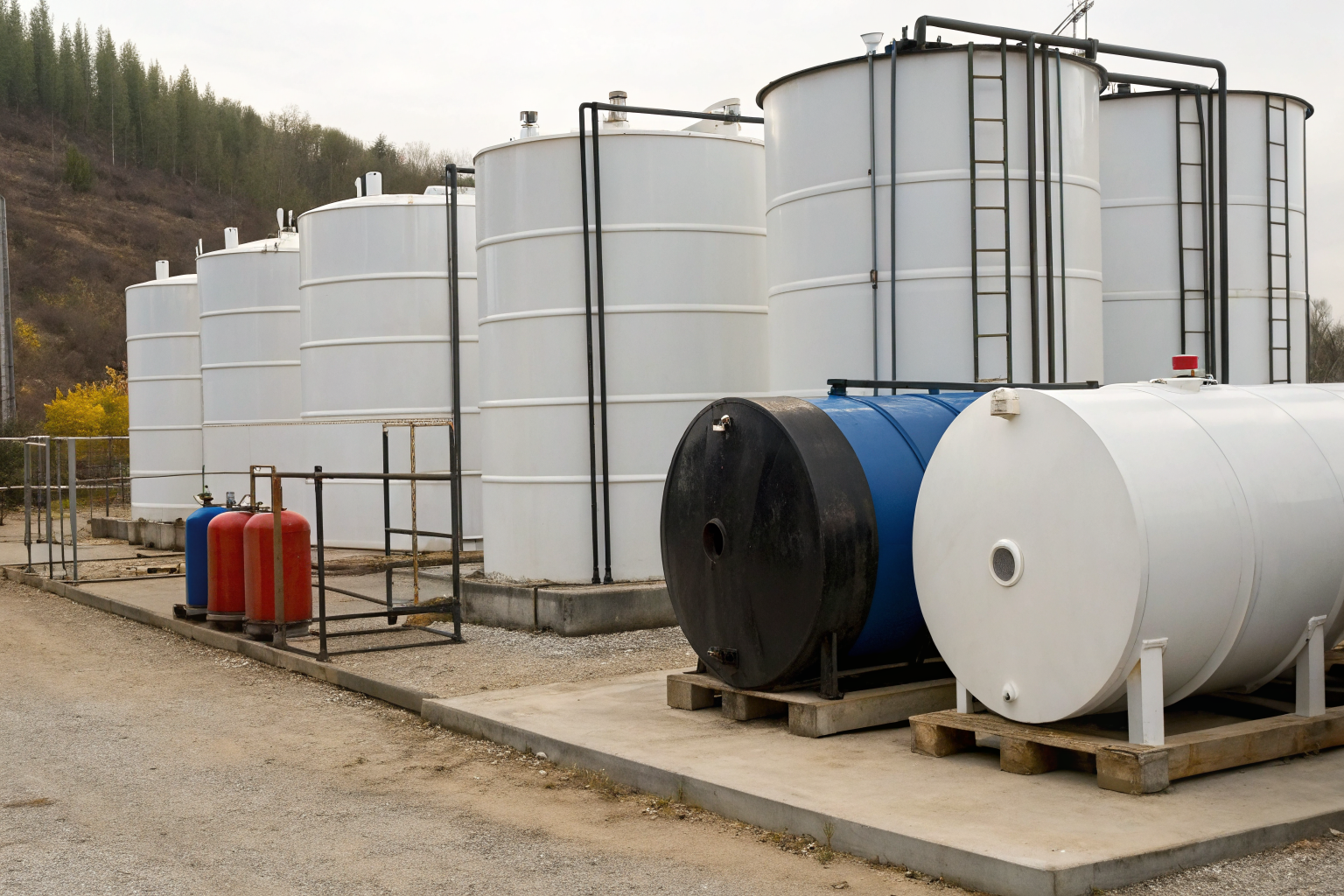
Oil Storage includes petroleum products and non-petroleum oils that flow at normal temperatures. This definition catches many small businesses off-guard because it extends beyond obvious petroleum storage.
| Storage Type | Common Examples | Capacity Considerations |
|---|---|---|
| Petroleum Products | Gasoline, diesel fuel, heating oil, motor oil | All containers count toward 1,320-gallon threshold |
| Non-Petroleum Oils | Hydraulic fluid, transformer oil, gear oil | Synthetic and mineral-based fluids included |
| Cooking Oils | Restaurant fryer oil, food processing oils | Commercial kitchens often exceed thresholds |
| Mobile Equipment | Fuel trucks, hydraulic systems, generators | Units with 55+ gallon capacity count toward total |
| Waste Oil | Used motor oil, contaminated hydraulic fluid | Storage tanks and collection containers included |
Mobile equipment with 55+ gallon capacity counts toward aggregate storage total. A delivery truck with a 100-gallon fuel tank parked on-site contributes to your facility’s storage calculation. Facility Assessment must include all oil-containing systems, not just stationary storage tanks.
Many small facilities undercount their actual capacity by missing hydraulic systems, emergency generators, and waste oil collection areas. The SPCC Requirements don’t distinguish between “active” and “backup” storage — if oil can spill from it, it counts.
Small Facility SPCC Plan Requirements

SPCC Plan development follows a structured process that small facilities must complete regardless of their limited resources. The plan must include comprehensive Spill Prevention measures and Professional Engineer certification for most facilities.
Facility Assessment comes first — document all oil storage areas, calculate aggregate capacity, and identify potential spill pathways. This assessment forms the foundation for your entire compliance strategy. Small businesses often try to rush this step, but incomplete assessments guarantee plan rejections during EPA inspections.
Spill Prevention measures must address each storage area’s specific risks. Secondary Containment design specifications follow EPA guidelines — 110% of the largest container’s capacity or 10% of aggregate storage, whichever is greater. Small facilities can’t use simplified approaches that ignore engineering requirements.
Professional Engineer certification is mandatory unless your facility qualifies for self-certification. Self-certification is available only for facilities under 10,000 gallons total with no single container exceeding 5,000 gallons. Most small businesses exceed these limits and need PE certification.
Plan implementation requires written procedures, employee training, and regular inspections. Small facilities must maintain the same documentation standards as large industrial sites. There’s no “lite” version of SPCC compliance for smaller operations.
Cost-Effective Secondary Containment Solutions
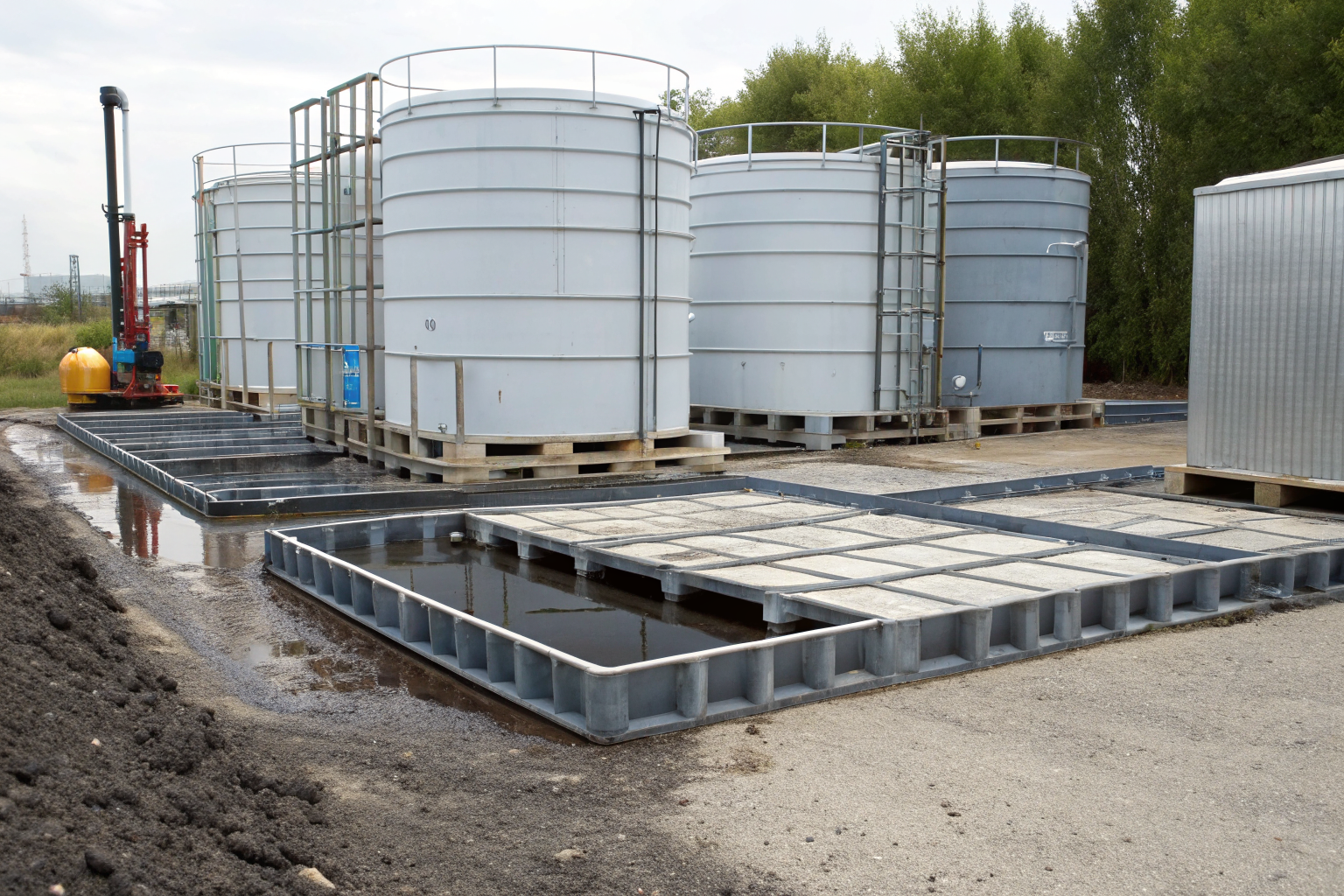
Secondary Containment prevents oil spills through engineered barriers that capture releases before they reach soil or water. Small facilities have several containment options, each with distinct cost and performance characteristics.
Steel containment pallets offer the most cost-effective solution for drum storage and small tanks. Units cost $800-$2,500 depending on capacity and can be relocated as storage needs change. These work well for facilities storing oil in standard drums or totes but don’t accommodate larger tanks.
Concrete berms provide permanent containment for larger storage areas. Construction costs range $3,000-$12,000 depending on area size and local labor rates. Concrete berms handle heavy equipment loads and provide decades of service but can’t be easily modified.
Flexible berms use reinforced fabric construction and cost $1,500-$4,000 for typical small facility applications. They install quickly and work well for temporary or seasonal storage but require more frequent replacement than permanent options.
Double-wall tanks eliminate separate containment structures by building containment into the storage vessel itself. New double-wall tanks cost 40-60% more than single-wall equivalents but often provide the lowest total cost when factoring in containment construction.
The 110% capacity rule applies to all containment systems — your Secondary Containment must hold at least 110% of the largest container’s volume. A 5,000-gallon tank requires 5,500 gallons of containment capacity minimum.
How EPA Enforcement Targets Small Facilities
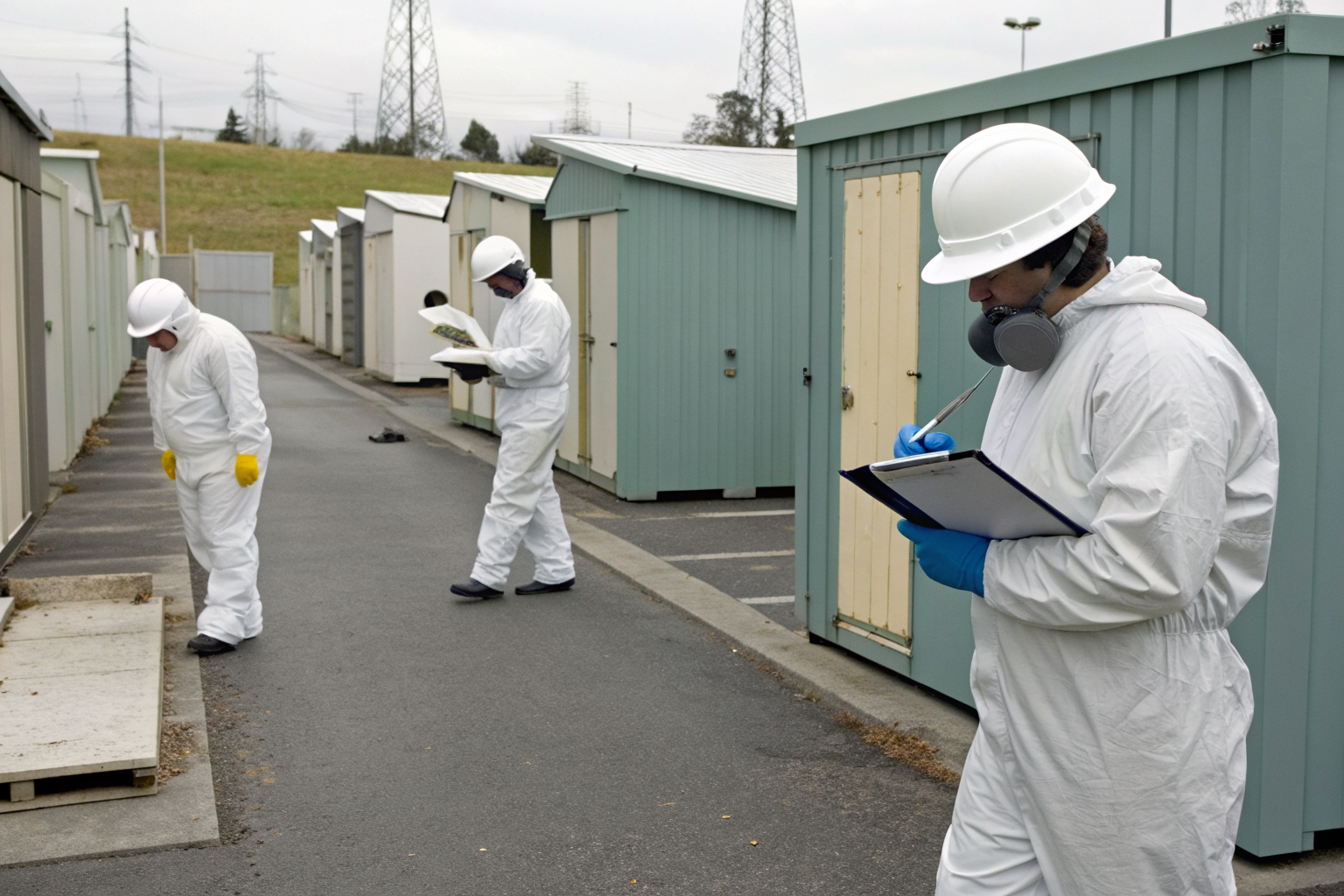
EPA Enforcement increases violation penalties for unprepared small businesses through targeted inspection programs. The agency conducts routine compliance sweeps in industrial areas where multiple small facilities cluster together.
EPA conducted 2,847 SPCC inspections in 2022 with average penalties of $18,500 for small facility violations. Small businesses face higher per-violation costs because they typically have multiple compliance gaps when inspectors arrive. Large facilities invest in compliance staff who catch problems early.
Common violations include missing SPCC plans, inadequate secondary containment, and expired Professional Engineer certifications. Small facilities also struggle with documentation requirements — inspectors expect the same record-keeping standards regardless of company size.
Enforcement patterns show EPA targeting facilities near waterways, in industrial parks, and in areas with previous spill incidents. Small businesses can’t rely on their size for regulatory anonymity. EPA Regulations apply equally to all covered facilities.
Violation penalty structures don’t scale with company size or revenue. A small auto shop faces the same base penalties as a major corporation for identical violations. This creates proportionally higher financial impact on smaller operations that lack dedicated compliance budgets.