TAG

EPA regulations

Chemical Secondary Containment Requirements: 7 Critical Compliance Standards Every Facility Must Meet

Chemical storage facility with containment systems under dramatic lighting.

Chemical Secondary Containment Requirements: 7 Critical Compliance Standards Every Facility Must Meet Chemical facilities face up to $37,500 daily fines for containment violations while 73% of environmental incidents trace back to inadequate secondary containment design. Getting these chemical secondary containment requirements wrong costs more than money — it destroys reputations and triggers years of regulatory … Read more

Spill Kit Requirements: 9 Essential Components for SPCC Response

SPCC spill kit with oil-selective booms in dramatic lighting.

Spill Kit Requirements: 9 Essential Components for SPCC Response EPA fines for inadequate spill response average $47,000 per incident, but most facilities still assemble spill kits without understanding spill kit requirements under SPCC regulations. Key Takeaways:• SPCC spill kits must contain 9 specific components including 110% containment capacity for the largest tank• Absorbent materials require … Read more

SPCC for Food Processing: Vegetable Oil and Cooking Oil Containment Guide

Vegetable oil storage tanks with containment barriers in a food processing facility.

SPCC for Food Processing: Vegetable Oil and Cooking Oil Containment Guide Food processing facilities handle massive volumes of vegetable and cooking oils daily, making SPCC compliance critical for preventing catastrophic spills that shut down operations and trigger EPA enforcement actions. Key Takeaways: • Food processing facilities storing 1,320+ gallons of vegetable oil must maintain EPA-compliant … Read more

SPCC for Manufacturing Facilities: Complete Plant Oil Storage Compliance Guide

Oil storage facility at sunset with tanks and pipelines, highlighted by dramatic lighting.

SPCC for Manufacturing Facilities: Complete Plant Oil Storage Compliance Guide Manufacturing facilities face SPCC violations that average $47,000 per incident because plant oil storage systems differ fundamentally from standard commercial operations. Industrial plants operate complex integrated systems where hydraulic fluids, lubricants, and process oils interconnect across production lines. Key Takeaways: • Manufacturing facilities require SPCC … Read more

Spill Deck vs Spill Pallet: Modular Containment System Comparison

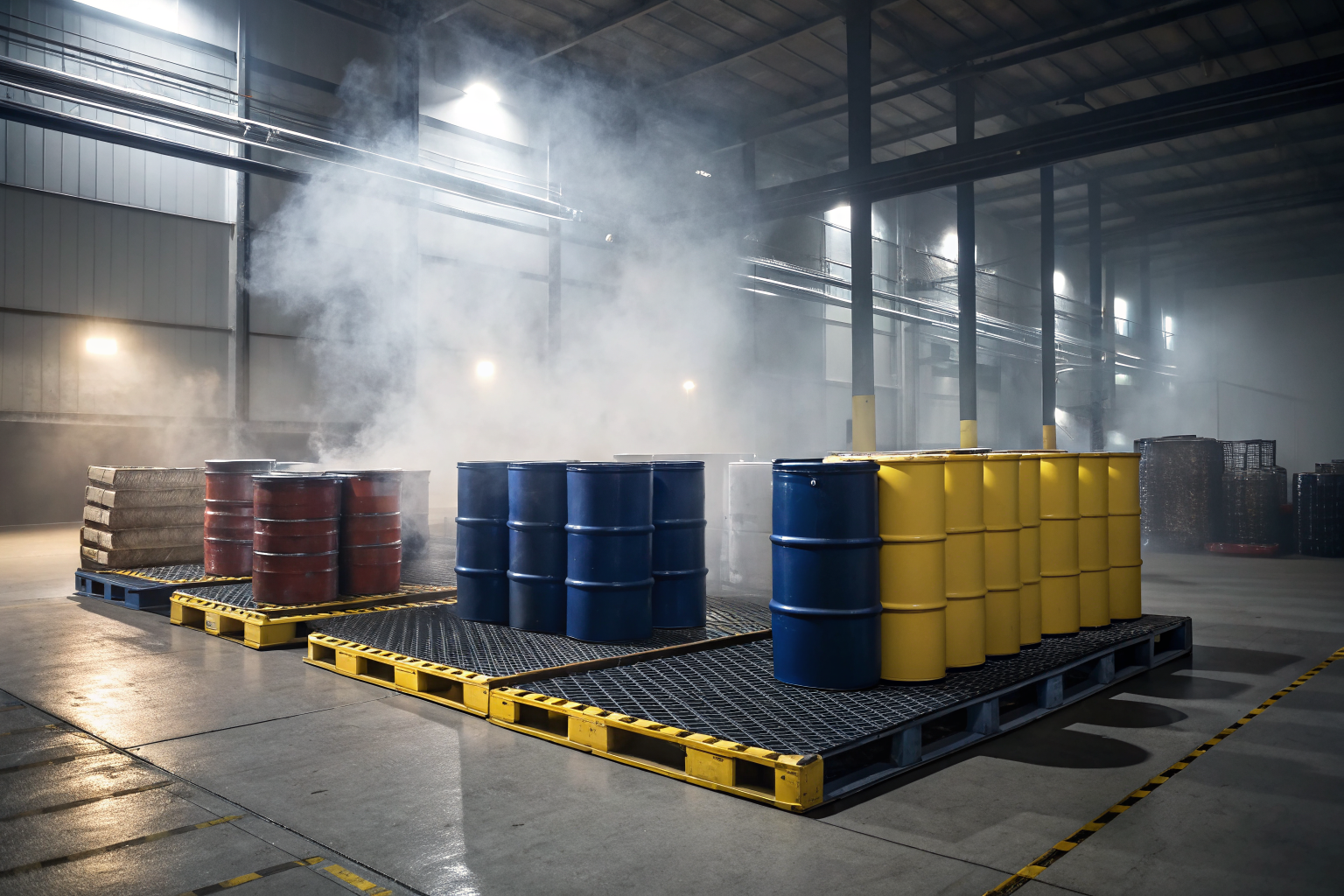
Spill decks and pallets with chemical drums in a warehouse, dramatic lighting.

Spill Deck vs Spill Pallet: Modular Containment System Comparison Spill containment systems cost facilities thousands in EPA fines when improperly selected, yet most buyers choose based on initial price instead of total compliance value. The spill deck vs spill pallet decision determines both regulatory compliance and long-term operational costs. Key Takeaways: Modular spill decks support … Read more

Outdoor Drum Storage Containment: 6 Weather-Resistant Solutions

Weather-resistant drum storage solutions in dramatic lighting with volumetric fog.

outdoor drum storage containment: 6 Weather-Resistant Solutions Most outdoor drum storage containment systems fail because water infiltration voids EPA compliance and creates expensive spill incidents. Weather protection determines whether your containment system meets regulatory standards or becomes a liability. Key Takeaways: • Covered drum storage reduces spill risk by 78% compared to open-air solutions• UV-resistant … Read more

4 Drum Spill Pallet: Complete Guide to 55-Gallon Drum Containment Solutions

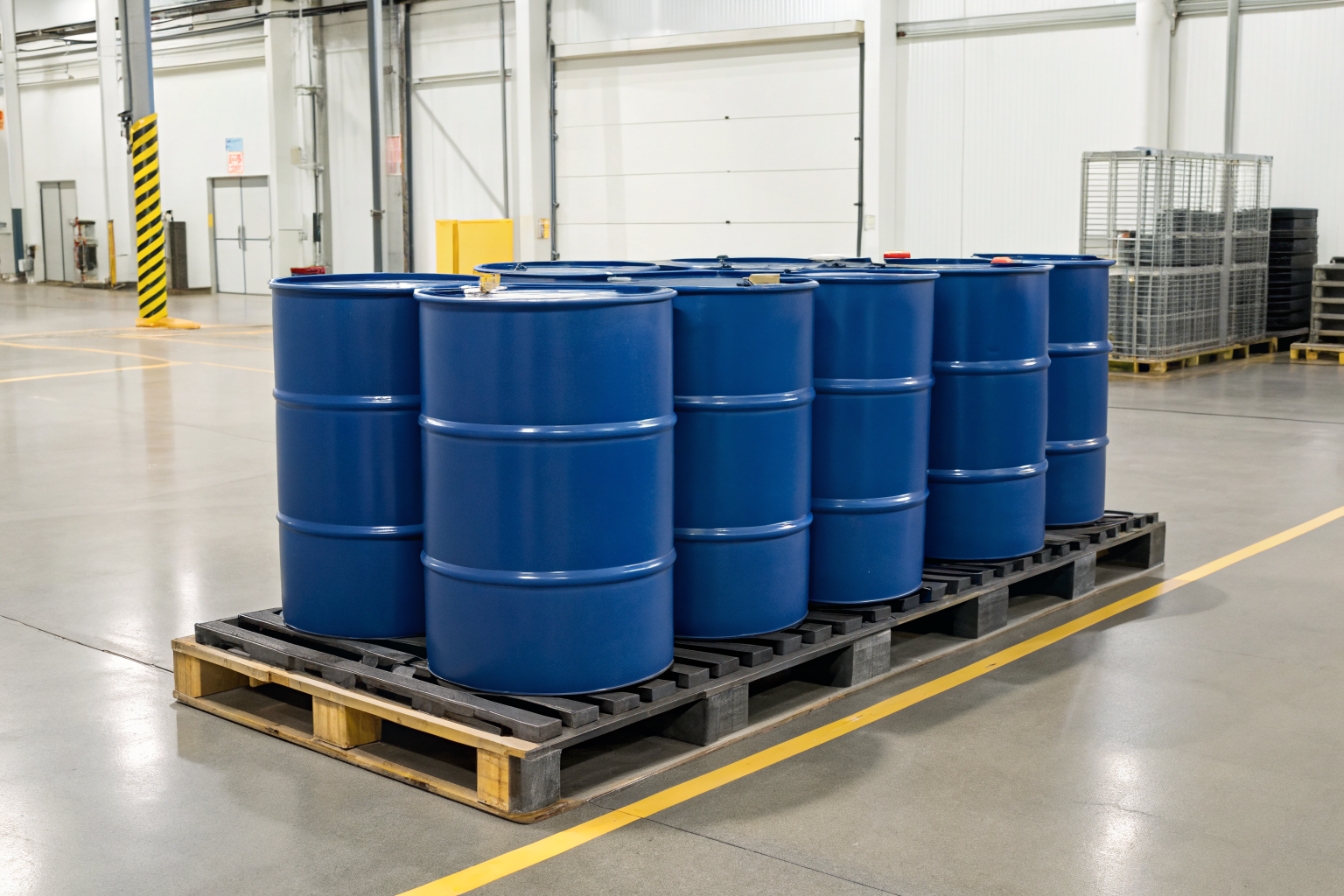
Drums on a containment pallet with sump in an industrial setting.

4 Drum Spill Pallet: Complete Guide to 55-Gallon Drum Containment Solutions Four drum spill pallets prevent EPA fines that average $37,500 per violation while containing 220 gallons of spilled oil, chemicals, or hazardous liquids. These containment systems protect facilities from regulatory penalties and environmental damage when 55-gallon drums leak or overflow. Key Takeaways: Standard four-drum … Read more

Secondary Containment Drainage Requirements: Managing Stormwater and Drain Valves

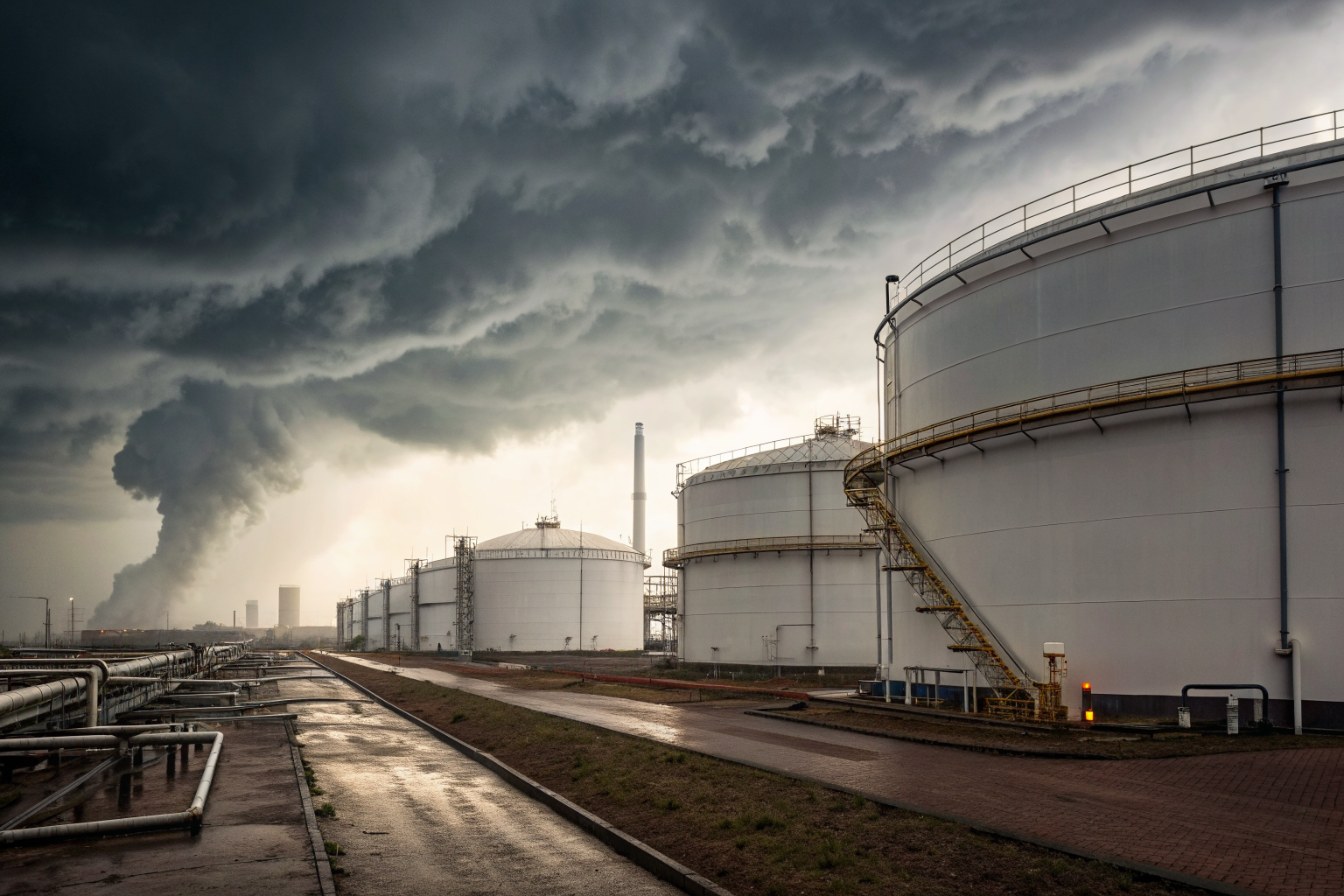
Industrial facility with containment systems and drain valves under stormy skies.

Secondary Containment Drainage Requirements: Managing Stormwater and Drain Valves Secondary containment systems that can’t properly manage water become compliance nightmares and environmental liabilities within months of installation. Understanding secondary containment drainage requirements prevents costly violations and protects your facility from regulatory scrutiny. Key Takeaways: • EPA requires drain valves to remain closed during normal operations … Read more

Double-Walled Tank Secondary Containment: Complete Guide to Integral Systems

Double-walled tank with dramatic lighting and fog, showing outer shell design.

Double-Walled Tank Secondary Containment: Complete Guide to Integral Systems Double-walled tank secondary containment eliminates the need for traditional dike systems by building secondary containment directly into the tank structure itself. This integral approach transforms bulk storage compliance from external engineering to built-in protection. Key Takeaways:• Double-walled tanks provide 110% containment capacity through integral design, meeting … Read more

Secondary Containment Impracticability: 7 Alternatives When Containment Isn’t Feasible

Dramatic industrial containment scene with fog and dramatic lighting.

Secondary Containment Impracticability: 7 Alternatives When Containment Isn’t Feasible Secondary containment impracticability determinations face harsh EPA scrutiny. EPA rejected 73% of impracticability determinations in 2023 because facilities failed to prove that traditional secondary containment was genuinely impossible. Most rejections stemmed from confusing inconvenience with true impracticability. Key Takeaways:• Seven documented alternatives exist when secondary containment … Read more