TAG

secondary containment

SPCC Piping Requirements: 6 Essential Containment Standards
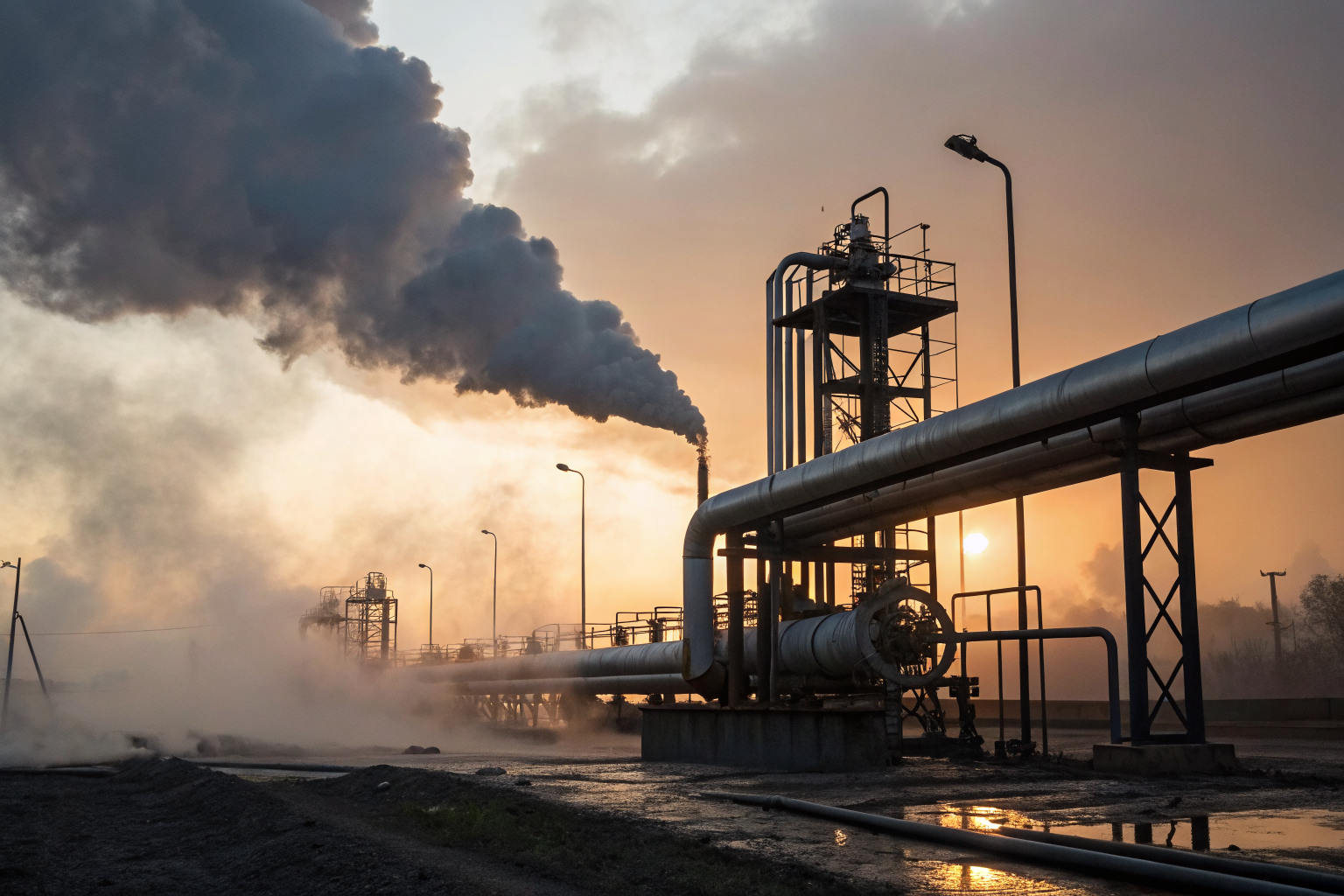
Industrial scene with oil pipes and leak detection at dusk, hyper-detailed.

SPCC Piping Requirements: 6 Essential Containment Standards EPA violations for inadequate piping containment cost facilities an average of $87,000 per incident in 2023. SPCC piping requirements control how oil moves between tanks, preventing environmental disasters that bankrupt companies. Key Takeaways: • Double-wall piping systems require annual integrity testing per 40 CFR 112.7• Buried piping must … Read more

Temporary Tank Closure: 4 Key Out-of-Service Requirements

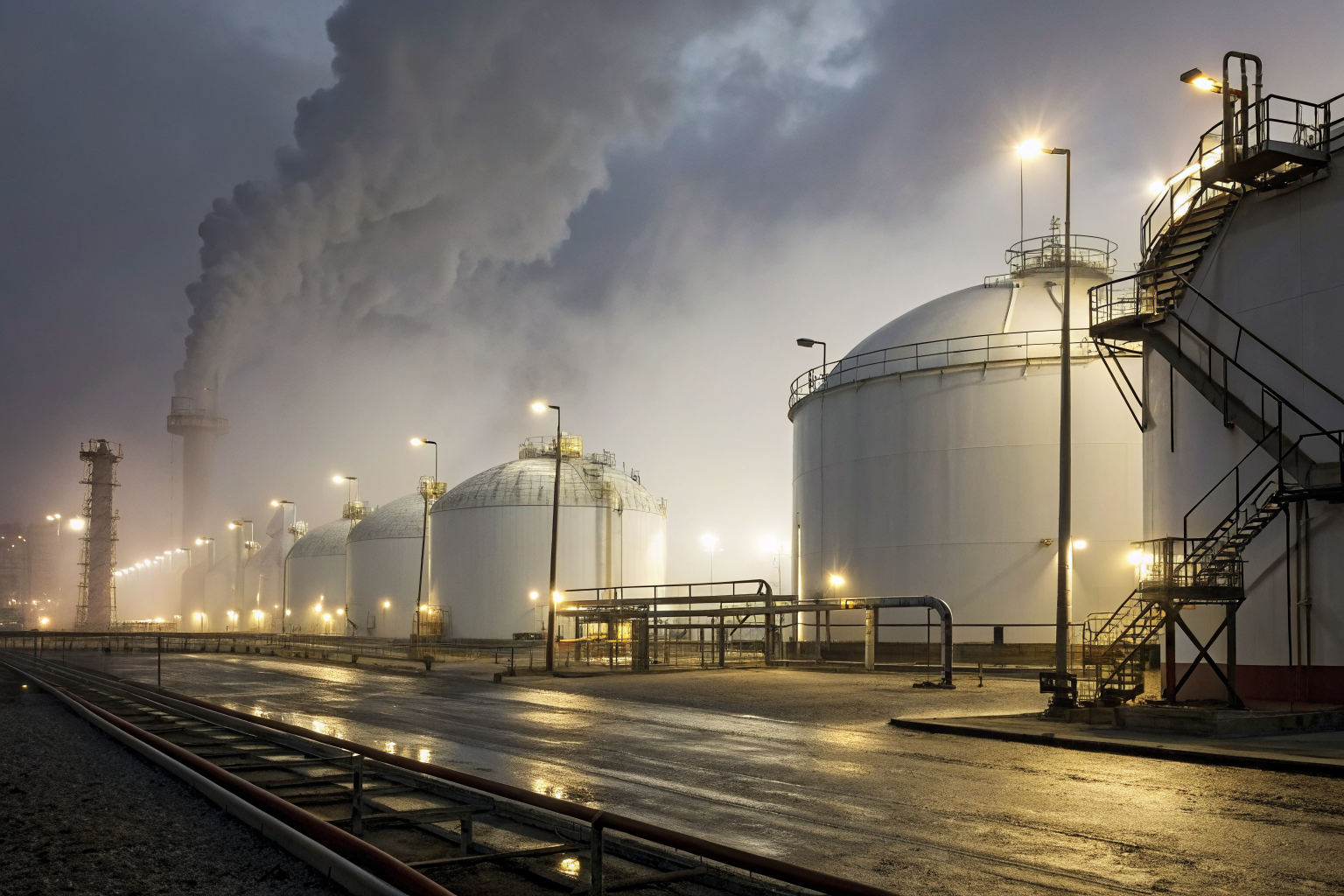
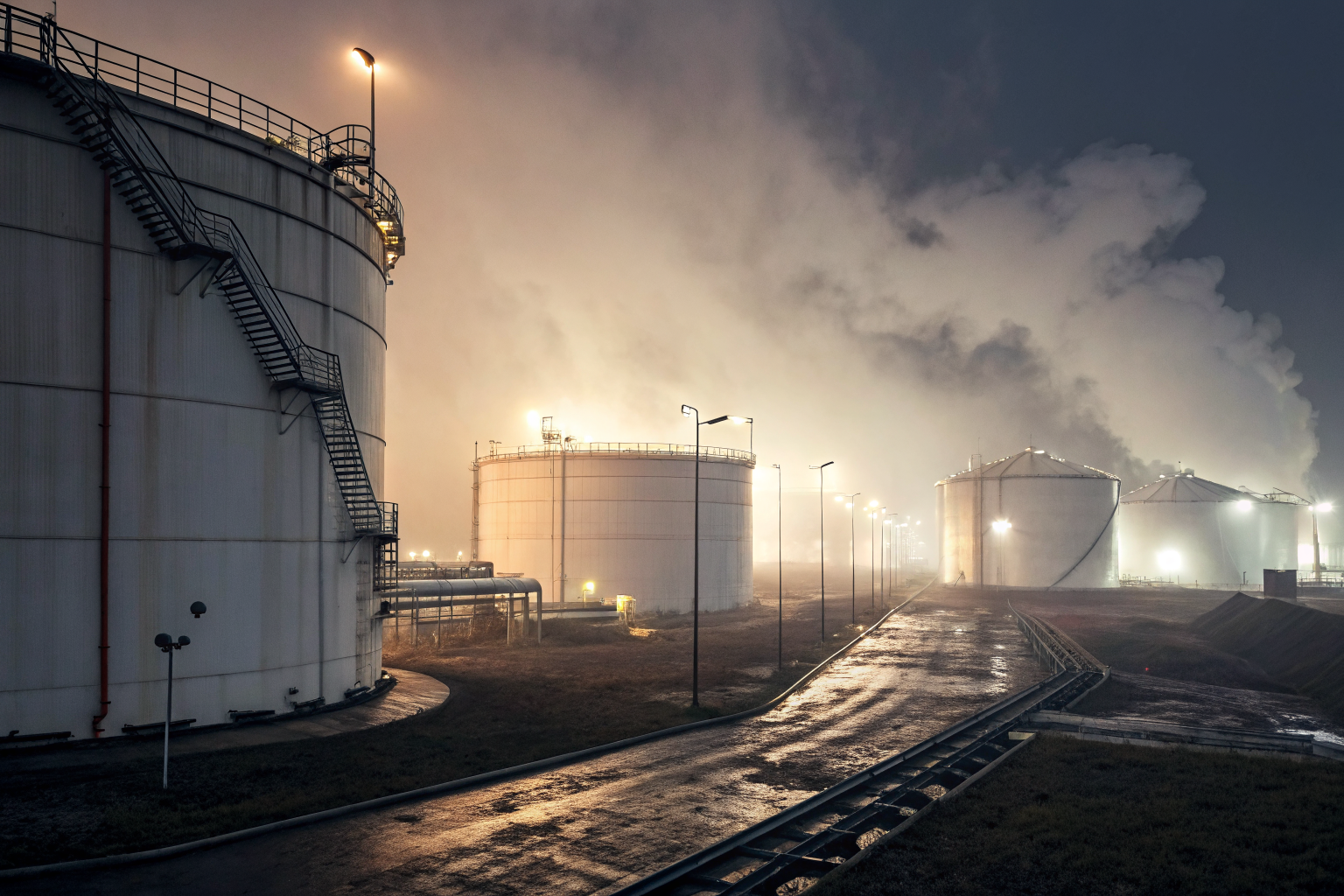
Large industrial tank in fog with dramatic lighting, cinematic style.

Temporary Tank Closure: 4 Key Out-of-Service Requirements Temporary tank closure requirements catch operators off-guard because they’re stricter than most expect. EPA compliance failures spike 73% higher for temporary closures compared to permanent ones, primarily because facilities ignore the specific regulatory framework governing inactive systems. Key Takeaways: EPA requires 30-day advance notification before any temporary tank … Read more

AST Installation Requirements: 8 Critical Compliance Steps

Oil storage facility with dramatic lighting and fog, high detail.

AST Installation Requirements: 8 Critical Compliance Steps EPA violations for improper AST installations cost facilities an average of $37,500 per incident, yet 60% of new installations skip critical pre-approval steps. Getting AST installation requirements right from day one prevents costly retrofits and regulatory penalties. Key Takeaways: Tank installation permits require 45-90 days processing time across … Read more

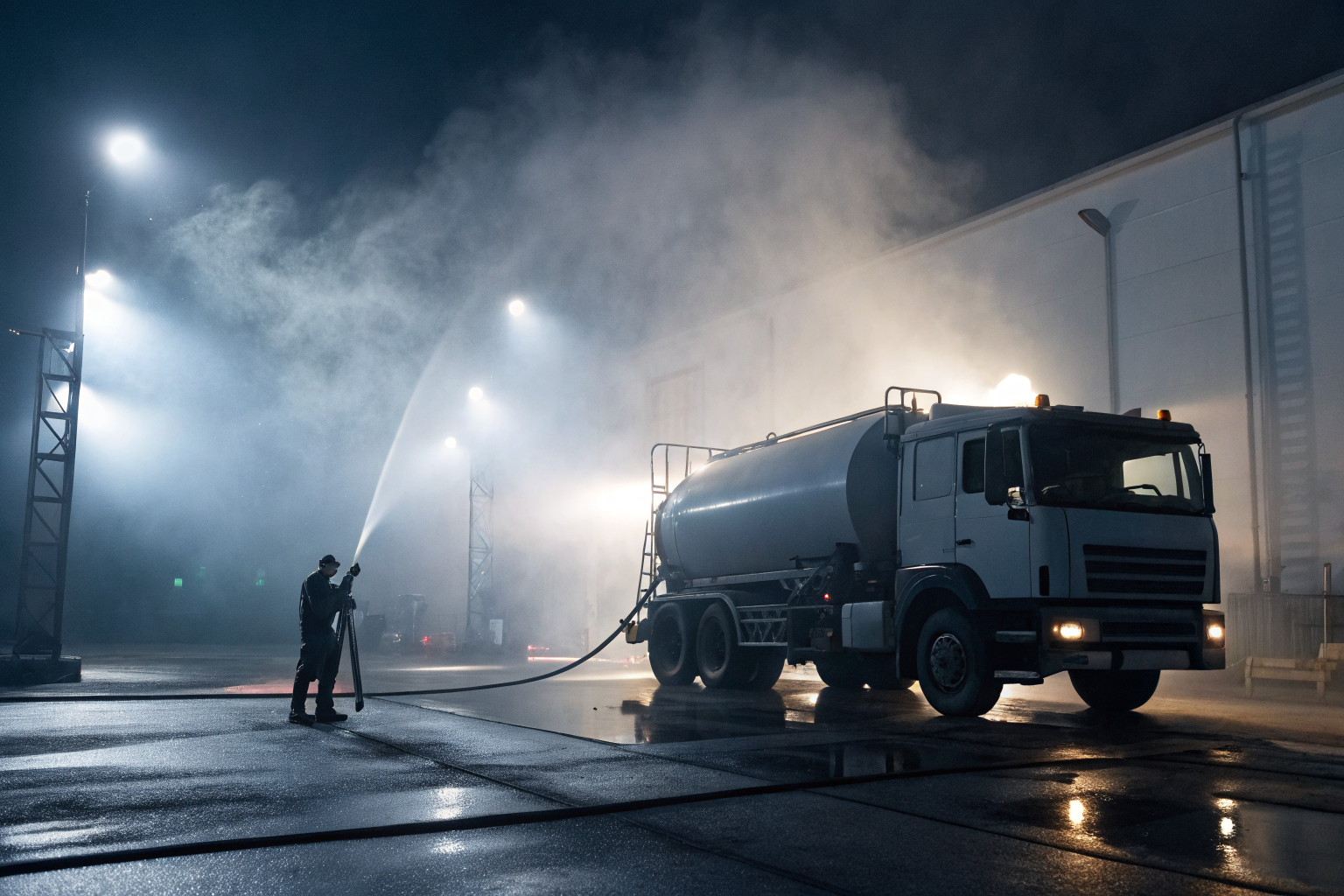
Mobile Refueler SPCC Requirements: 6 Critical Compliance Elements

Mobile refueler truck with fuel transfer and containment systems in dramatic lighting.

Mobile Refueler SPCC Requirements: 6 Critical Compliance Elements EPA fines for mobile refueler violations averaged $47,000 per incident in 2023, making SPCC compliance the difference between profitable operations and regulatory disaster. Mobile refueler SPCC requirements demand precise adherence to federal protocols that protect both your operation and the environment. Key Takeaways:• Mobile refuelers with 1,320+ … Read more

Oil Transfer Containment: 4 Best Practices for Spill Prevention

Oil containment facility with advanced spill-prevention systems, dramatic lighting, and volumetric fog.

Oil Transfer Containment: 4 Best Practices for Spill Prevention Oil transfer spills cost operators an average of $47,000 per incident in cleanup and regulatory penalties, making proper oil transfer containment the difference between profit and disaster. Key Takeaways: Secondary containment must hold 110% of the largest container’s capacity under EPA regulations Loading rack systems prevent … Read more

Loading Unloading Rack Requirements: 5 Essential SPCC Compliance Standards

Loading rack facility at dawn with containment systems and safety gear.

Loading Unloading Rack Requirements: 5 Essential SPCC Compliance Standards Loading unloading rack requirements under SPCC regulations carry severe financial penalties when facilities fail compliance audits. EPA violations for improper loading rack containment design cost facilities an average of $87,000 per incident in 2023. Key Takeaways:• SPCC loading racks require 110% containment capacity of the largest … Read more

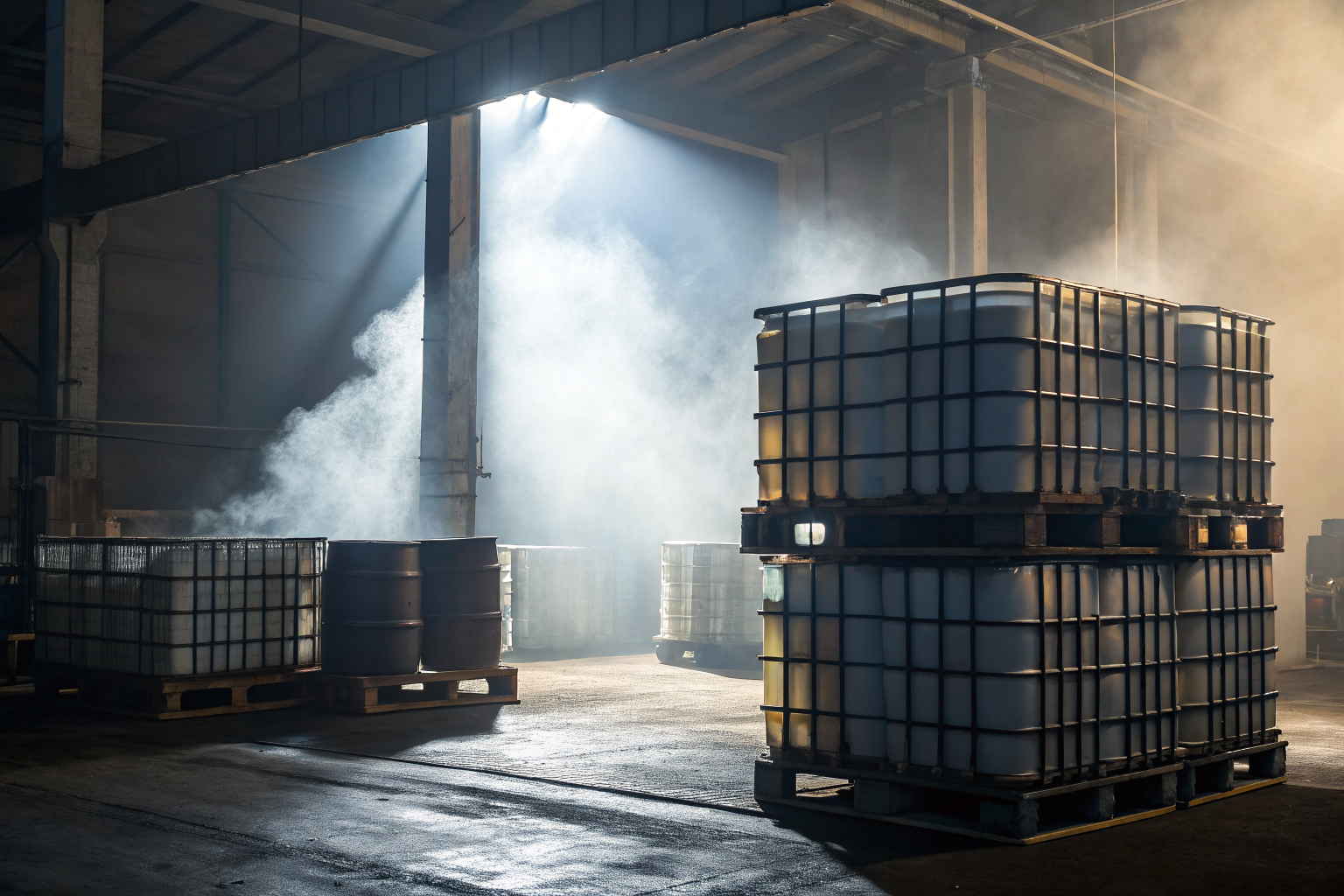
Chemical Secondary Containment Requirements: 7 Critical Compliance Standards Every Facility Must Meet

Chemical storage facility with containment systems under dramatic lighting.

Chemical Secondary Containment Requirements: 7 Critical Compliance Standards Every Facility Must Meet Chemical facilities face up to $37,500 daily fines for containment violations while 73% of environmental incidents trace back to inadequate secondary containment design. Getting these chemical secondary containment requirements wrong costs more than money — it destroys reputations and triggers years of regulatory … Read more

Steel vs Polyethylene Spill Pallet: Complete Material Comparison Guide

Steel and polyethylene spill pallets in dramatic lighting with fog.

Steel vs Polyethylene Spill Pallet: Complete Material Comparison Guide Steel spill pallets cost 3x more upfront than polyethylene alternatives, but the total cost equation flips when you factor in chemical compatibility failures and replacement cycles. Key Takeaways: Steel pallets handle 2,000+ pound drum loads while polyethylene maxes out at 8,000 pounds distributed weight Chemical compatibility … Read more

Covered vs Uncovered Containment: 6 Benefits of Containment Shelter

A robust containment shelter shields against stormy weather, with water and debris deflected.

Covered vs Uncovered Containment: 6 Benefits of Containment Shelter Uncovered containment systems lose 15% more stored material annually due to weather exposure than covered alternatives. This difference impacts your SPCC plan compliance costs and long-term facility operations. Key Takeaways: Covered containment reduces material loss by 15-20% annually through weather protection UV-resistant shelter systems extend containment … Read more

IBC Hard Top Containment: 5 Best Covered Storage Solutions for Outdoor Use

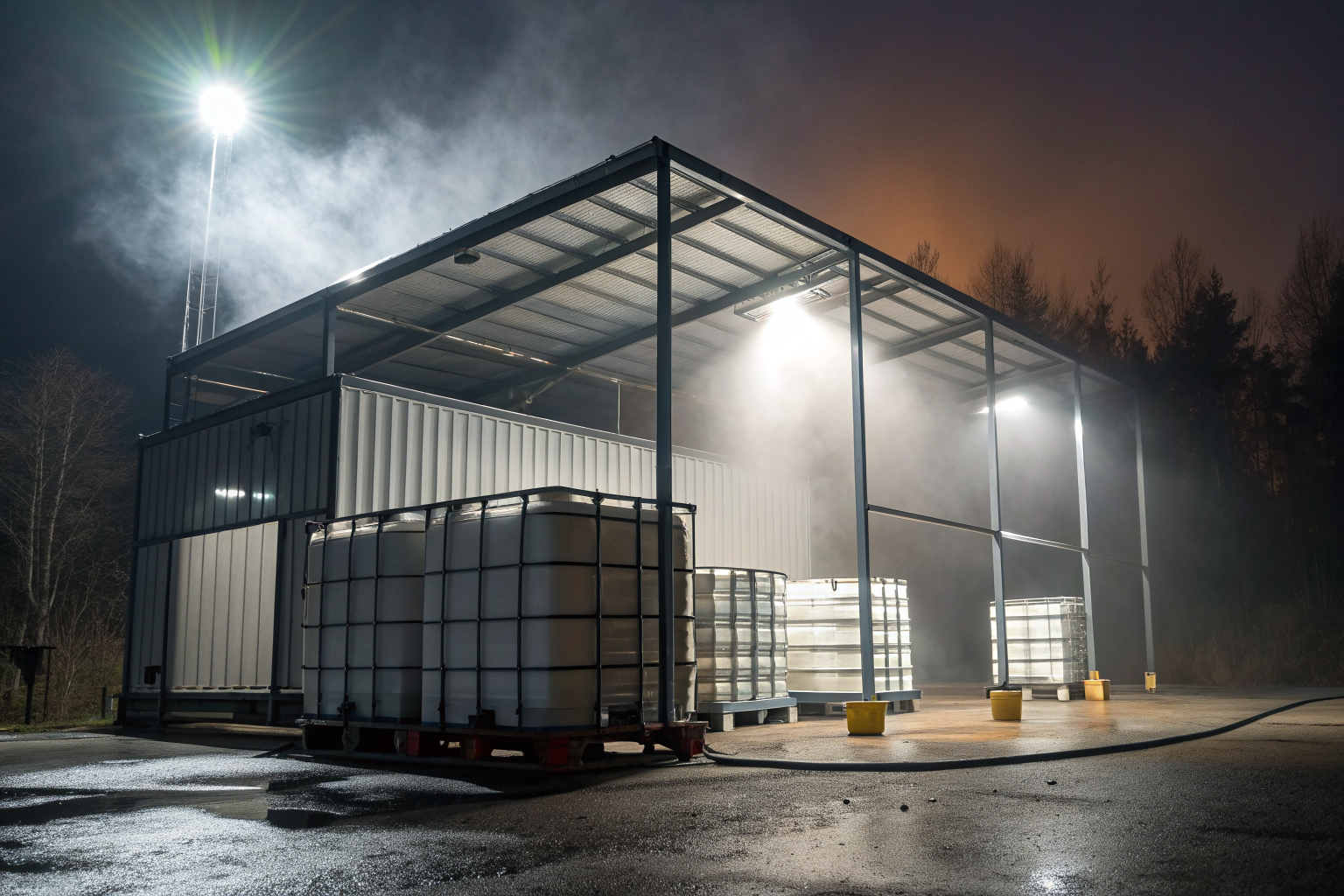
Steel IBC containment shelter with dramatic lighting and industrial elements.

IBC Hard Top Containment: 5 Best Covered Storage Solutions for Outdoor Use Uncovered IBC totes lose 15-20% of chemical integrity per year from UV degradation and temperature cycling alone. IBC hard top containment prevents this costly deterioration while ensuring regulatory compliance for outdoor chemical storage operations. Key Takeaways:• Hard top IBC containment extends chemical storage … Read more