TAG

secondary containment

Secondary Containment Design Standards: Engineering Specifications and Technical Implementation Guide

Industrial containment structure with steel beams and concrete sections, dramatic lighting.

Secondary Containment Design Standards: Engineering Specifications and Technical Implementation Guide Secondary containment systems fail not from regulatory gaps, but from fundamental engineering design flaws that could have been prevented with proper technical specifications. These failures cost facilities millions in cleanup costs and regulatory penalties that proper secondary containment design standards could prevent. Key Takeaways: • … Read more

SPCC Inspection Forms: Tank and Containment Inspection Checklists

Workers inspecting oil tanks during sunset at storage facility.

SPCC Inspection Forms: Tank and Containment Inspection Checklists Most SPCC compliance violations stem from inadequate inspection documentation, not actual spill prevention failures. SPCC inspection forms provide the systematic documentation framework that keeps facilities compliant and audit-ready. Key Takeaways: EPA requires monthly visual inspections for all oil storage tanks exceeding 55 gallons capacity Secondary containment systems … Read more

Secondary Containment Calculator: Free Spill Containment Sizing Tool

Industrial containment system with tanks and safety gear, dramatic lighting.

Secondary Containment Calculator: Free Spill Containment Sizing Tool Getting secondary containment sizing wrong costs companies thousands in fines, cleanup costs, and regulatory headaches—this secondary containment calculator eliminates the guesswork. Key Takeaways: EPA requires 110% containment capacity for most hazardous liquids, but specific requirements vary by industry and substance type Proper containment sizing prevents 90% of … Read more

Transformer Oil Containment: 8 Critical Requirements for Utility SPCC

Transformer with containment system in dramatic lighting.

Transformer Oil Containment: 8 Critical Requirements for Utility SPCC Utility transformers hold up to 20,000 gallons of oil per unit, and a single containment failure costs $3.2 million in cleanup and regulatory penalties. Transformer oil containment demands specialized engineering that standard industrial storage can’t provide. Key Takeaways: SPCC rules require 110% containment capacity for transformer … Read more

Auto Shop Oil Storage Compliance: SPCC Requirements for Mechanic Shops

Mechanic shop with large oil containers, SPCC compliance signs visible.

Auto Shop Oil Storage Compliance: SPCC requirements for mechanic shops Most auto shops unknowingly violate federal oil storage laws and face $37,500 per day EPA penalties because they don’t understand SPCC thresholds. Auto shop oil storage compliance affects thousands of repair facilities that store motor oil, transmission fluid, and hydraulic oil in quantities that trigger … Read more

SPCC for Food Processing: Vegetable Oil and Cooking Oil Containment Guide

Vegetable oil storage tanks with containment barriers in a food processing facility.

SPCC for Food Processing: Vegetable Oil and Cooking Oil Containment Guide Food processing facilities handle massive volumes of vegetable and cooking oils daily, making SPCC compliance critical for preventing catastrophic spills that shut down operations and trigger EPA enforcement actions. Key Takeaways: • Food processing facilities storing 1,320+ gallons of vegetable oil must maintain EPA-compliant … Read more

SPCC for Manufacturing Facilities: Complete Plant Oil Storage Compliance Guide

Oil storage facility at sunset with tanks and pipelines, highlighted by dramatic lighting.

SPCC for Manufacturing Facilities: Complete Plant Oil Storage Compliance Guide Manufacturing facilities face SPCC violations that average $47,000 per incident because plant oil storage systems differ fundamentally from standard commercial operations. Industrial plants operate complex integrated systems where hydraulic fluids, lubricants, and process oils interconnect across production lines. Key Takeaways: • Manufacturing facilities require SPCC … Read more

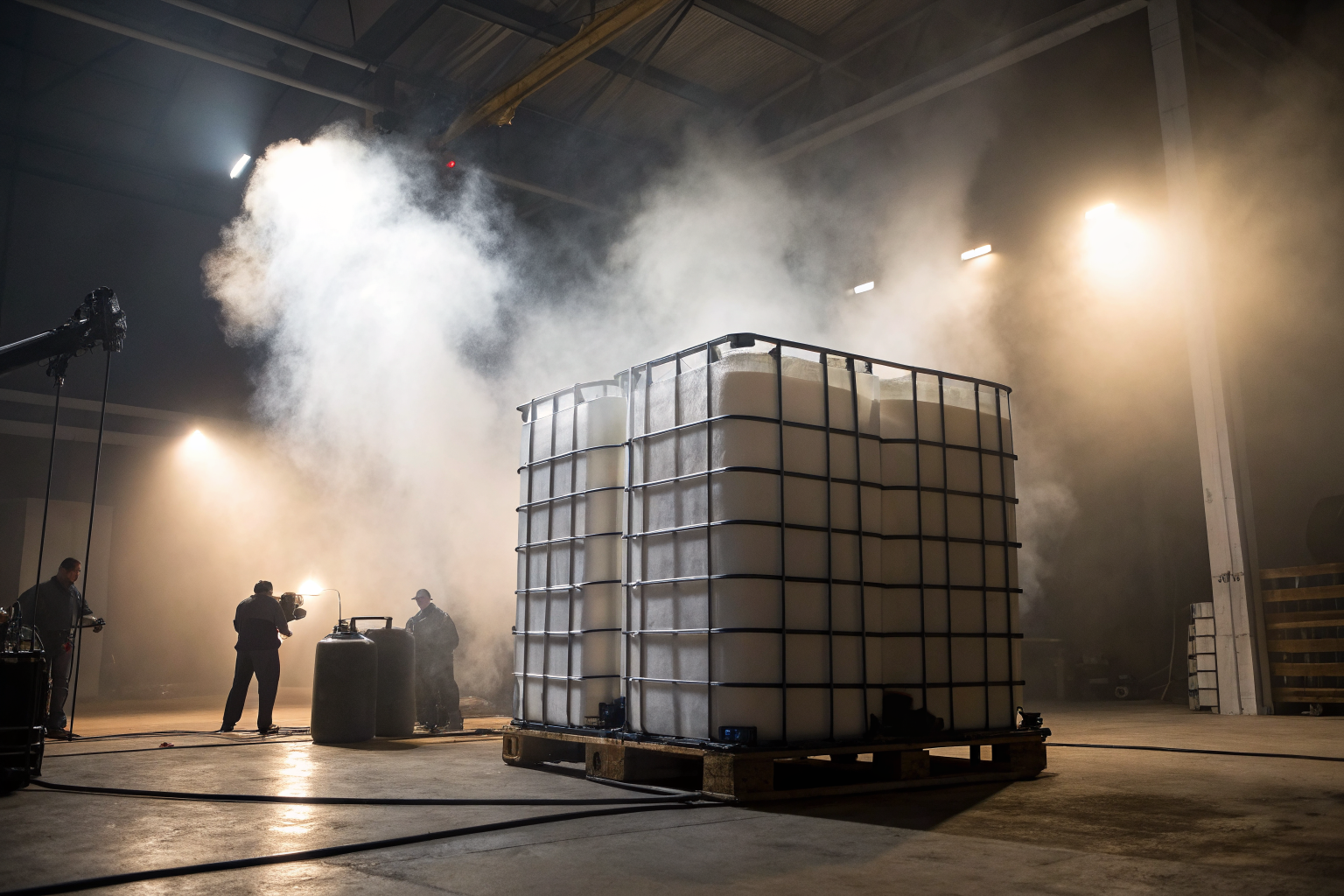
IBC Pallet vs Modular Berm: Rigid vs Flexible Containment Options

IBC pallet and modular berm in a detailed, dramatic setup.

IBC Pallet vs Modular Berm: Rigid vs Flexible Containment Options IBC containment failures cost facilities an average of $47,000 per incident when secondary containment systems fail EPA compliance standards. The choice between IBC pallet vs modular berm systems determines both your regulatory compliance and operational efficiency. Key Takeaways: • Rigid IBC pallets handle 330-gallon capacity … Read more

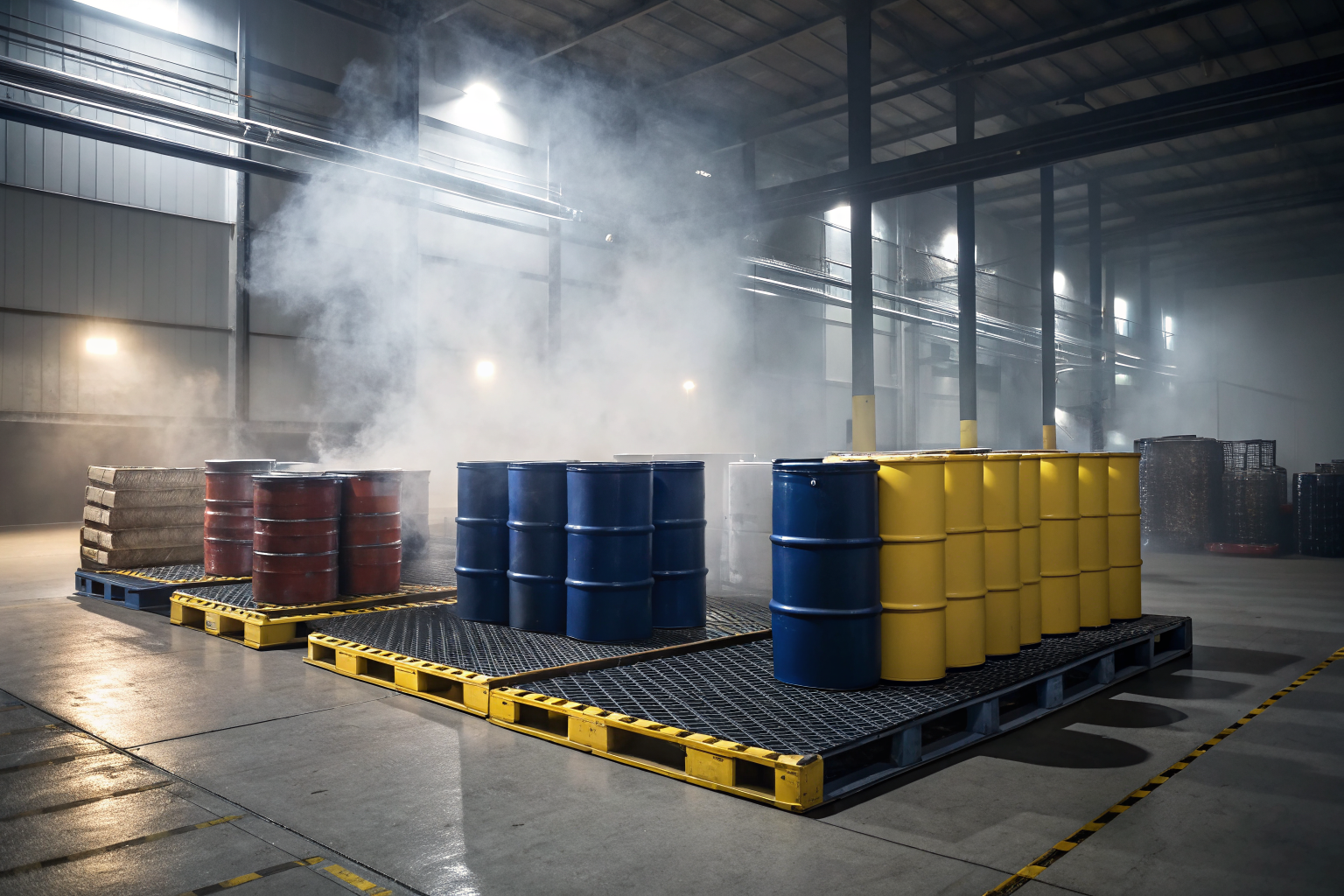
Spill Deck vs Spill Pallet: Modular Containment System Comparison

Spill decks and pallets with chemical drums in a warehouse, dramatic lighting.

Spill Deck vs Spill Pallet: Modular Containment System Comparison Spill containment systems cost facilities thousands in EPA fines when improperly selected, yet most buyers choose based on initial price instead of total compliance value. The spill deck vs spill pallet decision determines both regulatory compliance and long-term operational costs. Key Takeaways: Modular spill decks support … Read more

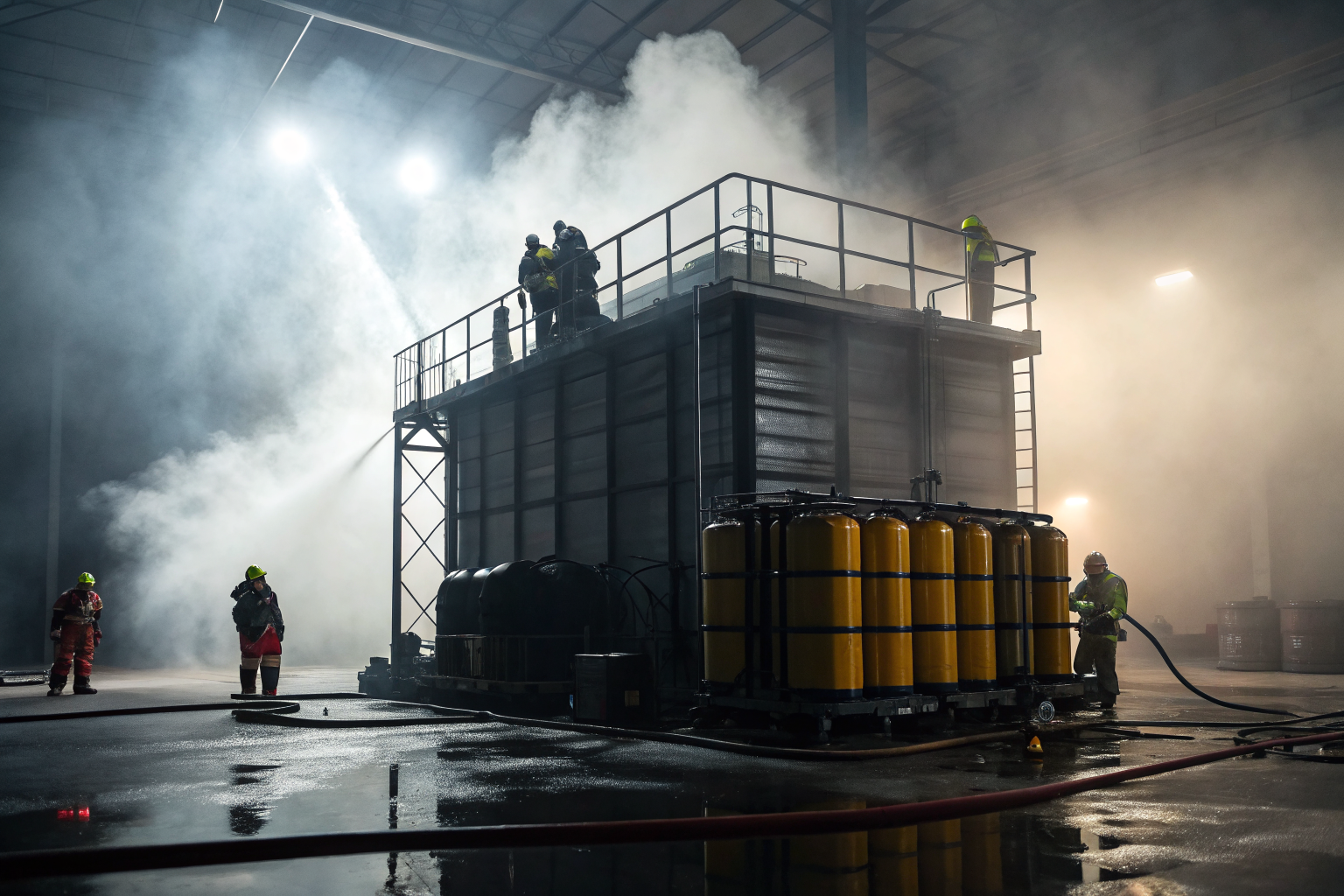
Temporary Tank Containment: Portable AST and Tank Berm Solutions

Portable tank containment setup with dramatic lighting and fog in industrial setting.

Temporary Tank Containment: Portable AST and Tank Berm Solutions Tank failures cost companies an average of $47,000 per incident, making temporary tank containment systems the most cost-effective insurance for short-term operations. Key Takeaways: Portable tank berms deploy in under 30 minutes and contain up to 150% of tank capacity as required by EPA SPCC regulations … Read more