TAG

SPCC plan

SPCC vs Hazmat Containment: 4 Key Regulatory Differences

Industrial facility with large petroleum storage tanks in dramatic lighting.

SPCC vs Hazmat Containment: 4 Key Regulatory Differences Most facility managers get slapped with containment violations because they assume all secondary containment follows the same rules. SPCC vs hazmat containment requirements operate under completely different EPA programs with distinct thresholds, calculations, and penalties. Key Takeaways: SPCC applies to petroleum storage above 1,320 gallons total capacity … Read more

Temporary Tank Closure: 4 Key Out-of-Service Requirements

Large industrial tank in fog with dramatic lighting, cinematic style.

Temporary Tank Closure: 4 Key Out-of-Service Requirements Temporary tank closure requirements catch operators off-guard because they’re stricter than most expect. EPA compliance failures spike 73% higher for temporary closures compared to permanent ones, primarily because facilities ignore the specific regulatory framework governing inactive systems. Key Takeaways: EPA requires 30-day advance notification before any temporary tank … Read more

Chemical Secondary Containment Requirements: 7 Critical Compliance Standards Every Facility Must Meet

Chemical storage facility with containment systems under dramatic lighting.

Chemical Secondary Containment Requirements: 7 Critical Compliance Standards Every Facility Must Meet Chemical facilities face up to $37,500 daily fines for containment violations while 73% of environmental incidents trace back to inadequate secondary containment design. Getting these chemical secondary containment requirements wrong costs more than money — it destroys reputations and triggers years of regulatory … Read more

Covered vs Uncovered Containment: 6 Benefits of Containment Shelter

A robust containment shelter shields against stormy weather, with water and debris deflected.

Covered vs Uncovered Containment: 6 Benefits of Containment Shelter Uncovered containment systems lose 15% more stored material annually due to weather exposure than covered alternatives. This difference impacts your SPCC plan compliance costs and long-term facility operations. Key Takeaways: Covered containment reduces material loss by 15-20% annually through weather protection UV-resistant shelter systems extend containment … Read more

IBC Hard Top Containment: 5 Best Covered Storage Solutions for Outdoor Use

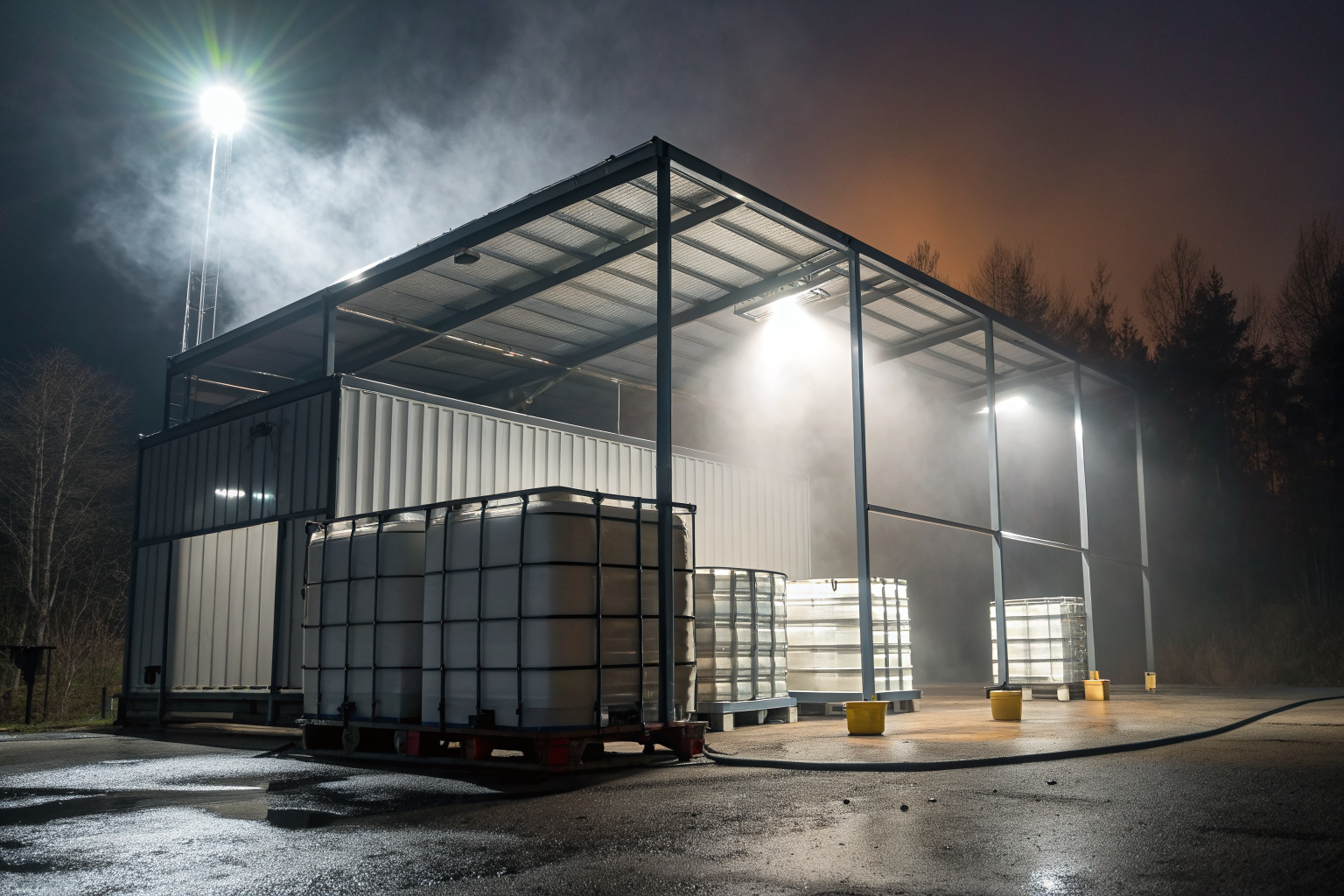
Steel IBC containment shelter with dramatic lighting and industrial elements.

IBC Hard Top Containment: 5 Best Covered Storage Solutions for Outdoor Use Uncovered IBC totes lose 15-20% of chemical integrity per year from UV degradation and temperature cycling alone. IBC hard top containment prevents this costly deterioration while ensuring regulatory compliance for outdoor chemical storage operations. Key Takeaways:• Hard top IBC containment extends chemical storage … Read more

Transformer Oil Containment: 8 Critical Requirements for Utility SPCC

Transformer with containment system in dramatic lighting.

Transformer Oil Containment: 8 Critical Requirements for Utility SPCC Utility transformers hold up to 20,000 gallons of oil per unit, and a single containment failure costs $3.2 million in cleanup and regulatory penalties. Transformer oil containment demands specialized engineering that standard industrial storage can’t provide. Key Takeaways: SPCC rules require 110% containment capacity for transformer … Read more

IBC Pallet vs Modular Berm: Rigid vs Flexible Containment Options

IBC pallet and modular berm in a detailed, dramatic setup.

IBC Pallet vs Modular Berm: Rigid vs Flexible Containment Options IBC containment failures cost facilities an average of $47,000 per incident when secondary containment systems fail EPA compliance standards. The choice between IBC pallet vs modular berm systems determines both your regulatory compliance and operational efficiency. Key Takeaways: • Rigid IBC pallets handle 330-gallon capacity … Read more

IBC Dispensing Station: Safe Tote Stands and Gravity Dispensing Solutions

IBC dispensing station with tote stands, dramatic lighting, and fog.

IBC Dispensing Station: Safe Tote Stands and Gravity Dispensing Solutions IBC dispensing stations prevent 90% of transfer spills that trigger EPA violations and costly cleanup operations. These systems handle bulk liquids safely while meeting stringent federal containment requirements. Key Takeaways: Proper IBC tote stands reduce dispensing accidents by 73% through ergonomic height positioning Gravity dispensing … Read more

Modular IBC Containment: 7 Expandable Systems for Growing Operations

High-contrast modular IBC systems with connection points under dramatic lighting.

Modular IBC Containment: 7 Expandable Systems for Growing Operations Modular IBC containment systems reduce expansion costs by 40-60% compared to fixed installations while maintaining EPA compliance. Growing operations need containment that scales without complete infrastructure replacement. Key Takeaways:• Modular systems start at 2-tote capacity and expand to 50+ units without relocating existing infrastructure• Expandable designs … Read more

IBC Spill Containment Pallet: Complete Guide to 275-Gallon Tote Protection

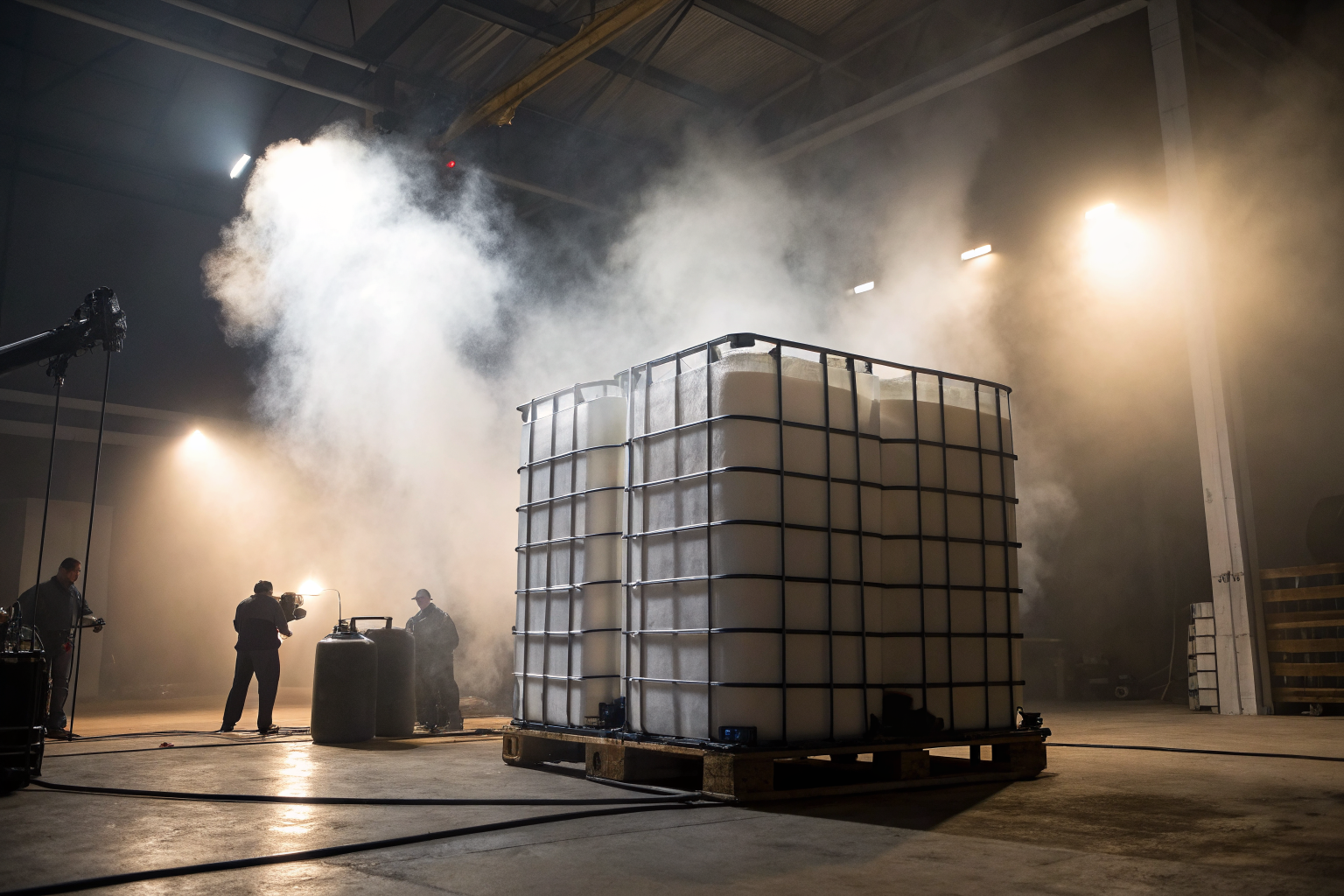
IBC spill containment pallet in warehouse, dramatic lighting, high detail.

IBC Spill Containment Pallet: Complete Guide to 275-Gallon Tote Protection IBC spill containment pallets prevent catastrophic environmental penalties that cost companies an average of $47,000 per violation according to EPA enforcement data. These specialized platforms protect facilities from regulatory fines while preventing chemical spills from contaminating soil and groundwater. Key Takeaways: EPA requires 110% containment … Read more