CATEGORY

Secondary Containment Requirements

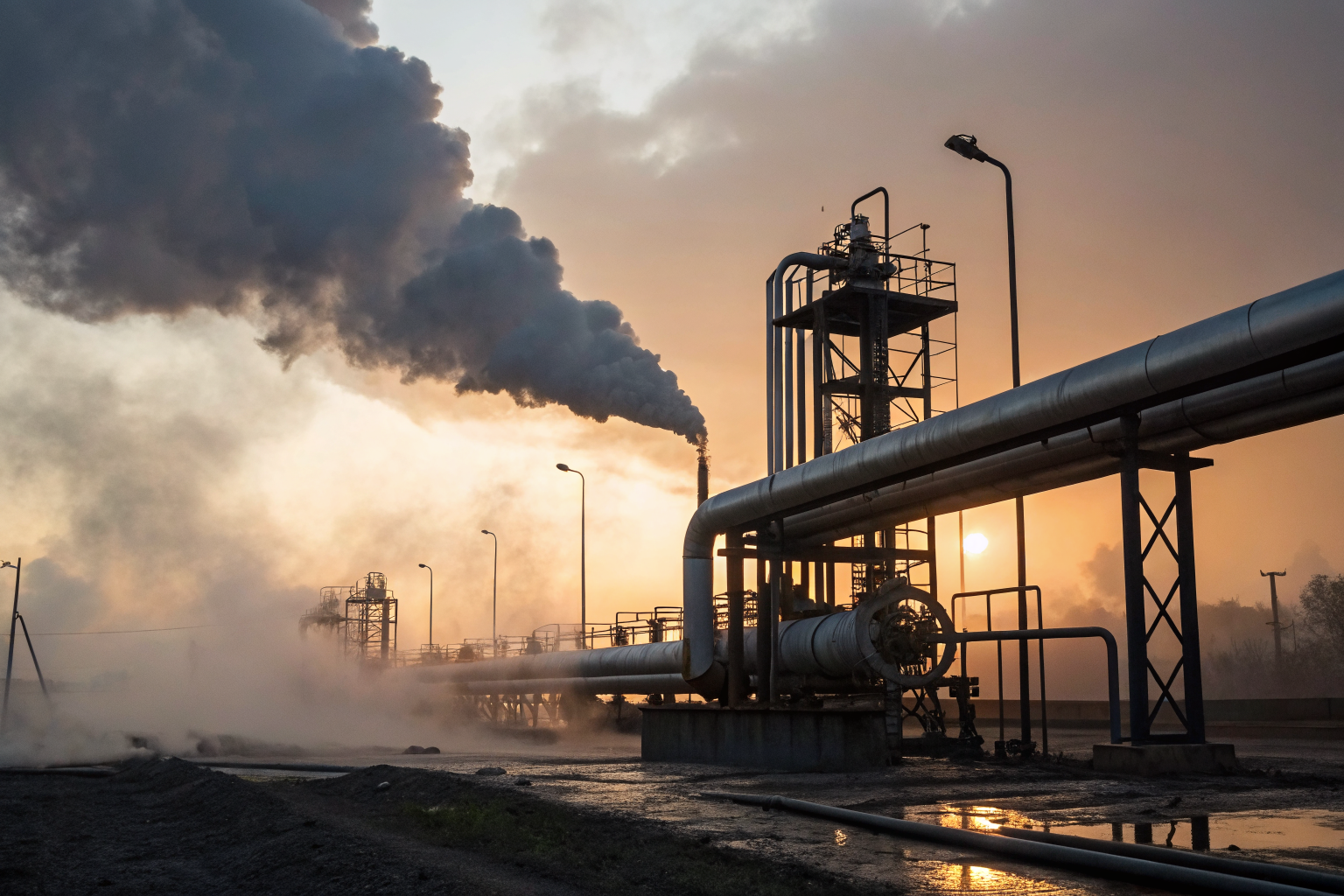
Double-Walled Piping Requirements: 3 Key Containment Options

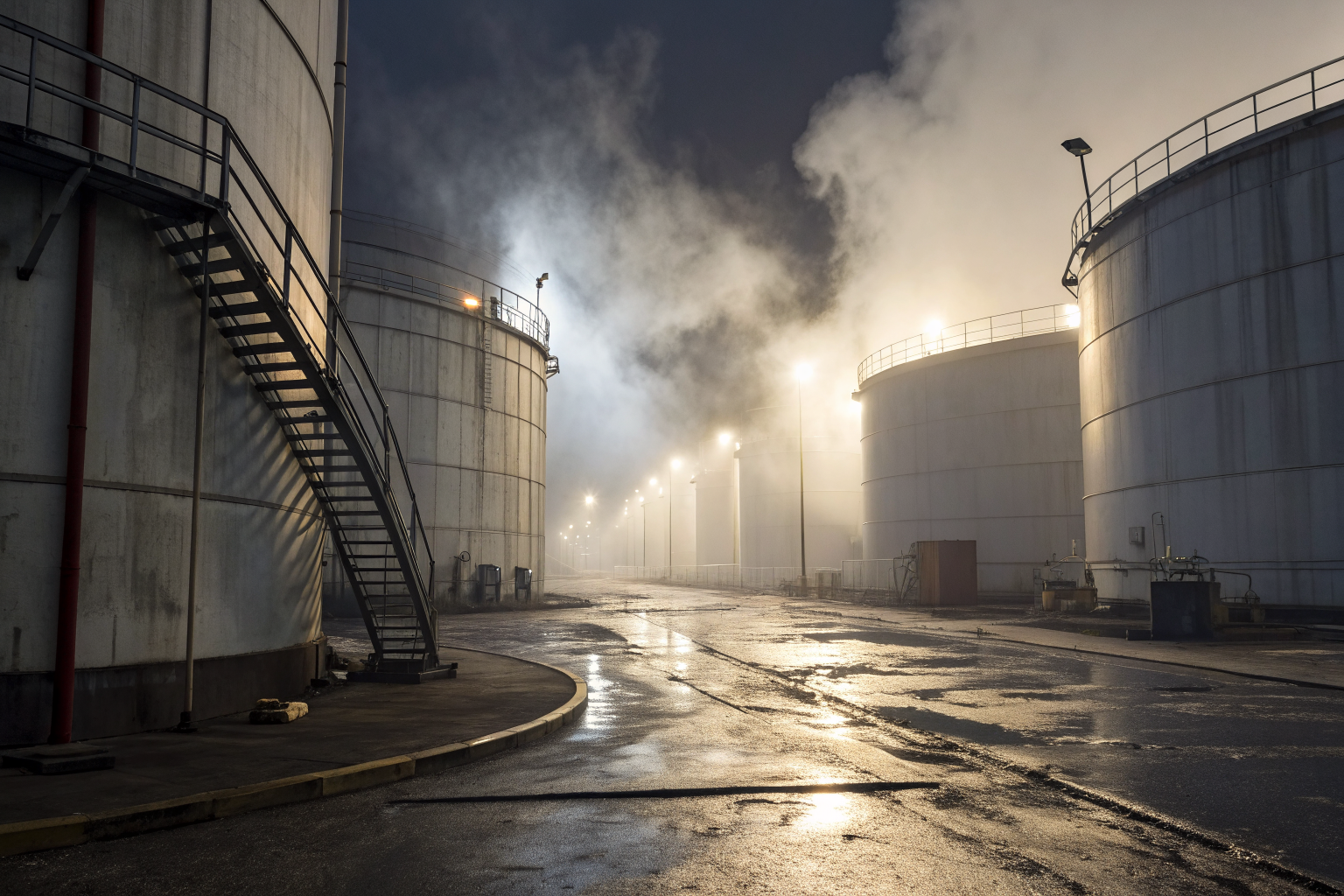
Industrial facility with double-walled pipes, dramatic lighting and fog.

Double-Walled Piping Requirements: 3 Key Containment Options EPA violations for piping failures cost facilities an average of $1.3 million per incident when secondary containment systems fail. Double-walled piping requirements under federal regulations protect both your facility and the environment from catastrophic spills. Key Takeaways: • Double-wall piping reduces environmental liability by 89% compared to single-wall … Read more

Valve Inspection Requirements: 4 Essential Maintenance Standards

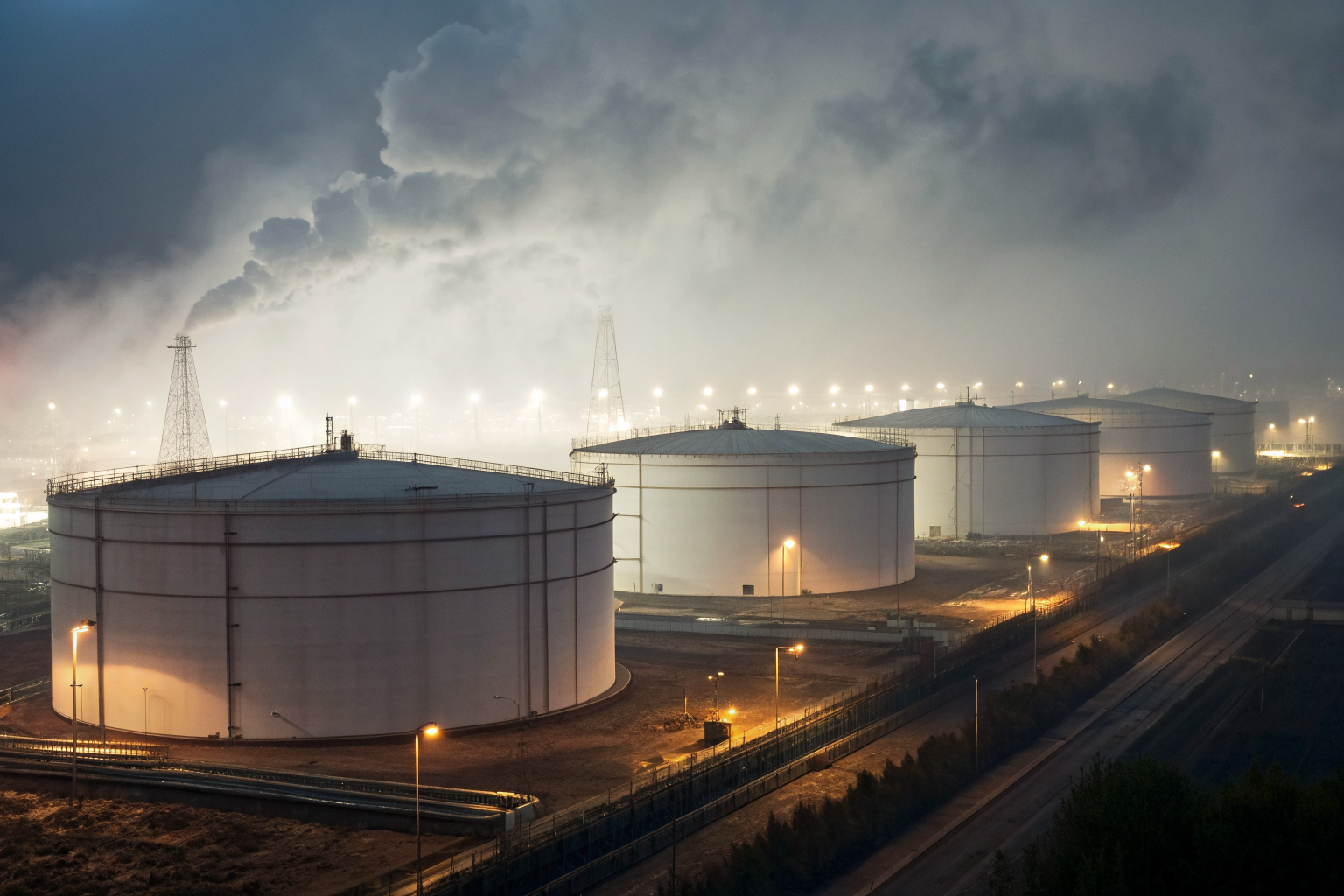
Cinematic oil storage facility with valve inspection, dramatic lighting.

Valve Inspection Requirements: 4 Essential Maintenance Standards EPA citations for valve maintenance violations increased 34% in 2023, with drain valve failures accounting for the majority of SPCC compliance failures. Facilities need precise valve inspection requirements to avoid these costly violations. Key Takeaways: SPCC regulations require valve inspection every 12 months with documented testing records Double-wall … Read more

Buried Piping Integrity Testing: 5 Critical Testing Methods

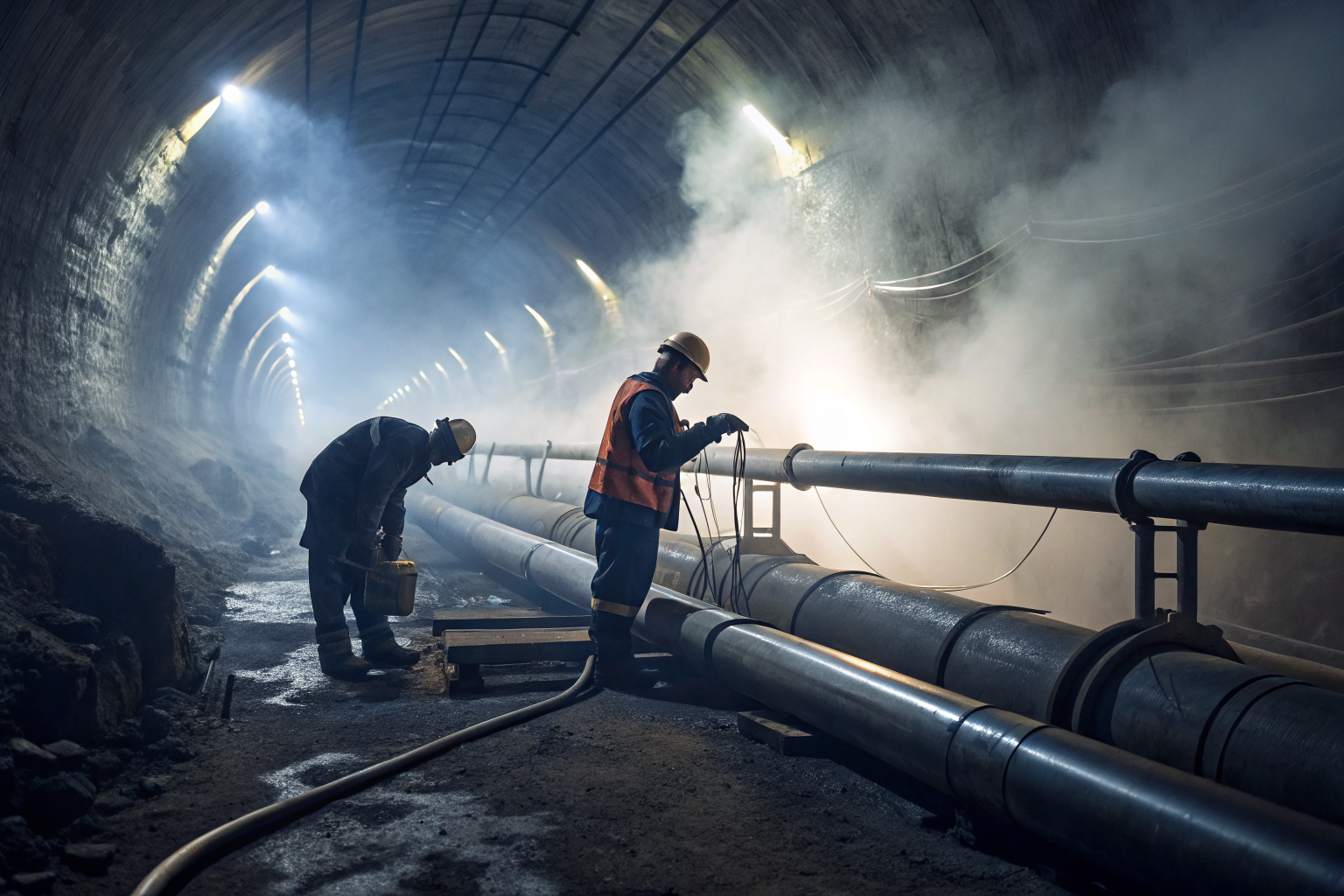
Engineers testing underground pipes with dramatic lighting and fog.

Buried Piping Integrity Testing: 5 Critical Testing Methods Buried piping failures cost facilities an average of $350,000 per incident when secondary containment systems fail EPA compliance inspections. Buried piping integrity testing prevents these catastrophic failures through systematic verification protocols. Key Takeaways: • Hydrostatic testing detects 94% of structural defects in double-wall piping systems before operational … Read more

SPCC Piping Requirements: 6 Essential Containment Standards

Industrial scene with oil pipes and leak detection at dusk, hyper-detailed.

SPCC Piping Requirements: 6 Essential Containment Standards EPA violations for inadequate piping containment cost facilities an average of $87,000 per incident in 2023. SPCC piping requirements control how oil moves between tanks, preventing environmental disasters that bankrupt companies. Key Takeaways: • Double-wall piping systems require annual integrity testing per 40 CFR 112.7• Buried piping must … Read more

Secondary Containment Drainage Requirements: Managing Stormwater and Drain Valves

Industrial facility with containment systems and drain valves under stormy skies.

Secondary Containment Drainage Requirements: Managing Stormwater and Drain Valves Secondary containment systems that can’t properly manage water become compliance nightmares and environmental liabilities within months of installation. Understanding secondary containment drainage requirements prevents costly violations and protects your facility from regulatory scrutiny. Key Takeaways: • EPA requires drain valves to remain closed during normal operations … Read more

Double-Walled Tank Secondary Containment: Complete Guide to Integral Systems

Double-walled tank with dramatic lighting and fog, showing outer shell design.

Double-Walled Tank Secondary Containment: Complete Guide to Integral Systems Double-walled tank secondary containment eliminates the need for traditional dike systems by building secondary containment directly into the tank structure itself. This integral approach transforms bulk storage compliance from external engineering to built-in protection. Key Takeaways:• Double-walled tanks provide 110% containment capacity through integral design, meeting … Read more

Secondary Containment Impracticability: 7 Alternatives When Containment Isn’t Feasible

Dramatic industrial containment scene with fog and dramatic lighting.

Secondary Containment Impracticability: 7 Alternatives When Containment Isn’t Feasible Secondary containment impracticability determinations face harsh EPA scrutiny. EPA rejected 73% of impracticability determinations in 2023 because facilities failed to prove that traditional secondary containment was genuinely impossible. Most rejections stemmed from confusing inconvenience with true impracticability. Key Takeaways:• Seven documented alternatives exist when secondary containment … Read more

110 Percent Containment Rule: Debunking the Most Common SPCC Myth

Industrial tanks in fog, symbolizing 110 percent containment myth.

110 Percent Containment Rule: Debunking the Most Common SPCC Myth The EPA never wrote a 110 percent containment rule, yet it’s cited in thousands of SPCC plans nationwide. This widespread myth costs facilities millions in unnecessary infrastructure while failing to reflect actual regulatory requirements. Key Takeaways: Secondary containment requires 100% capacity plus additional volume for … Read more

Secondary Containment Sizing Calculator: How Much Containment Do You Need?

Oil tanks with containment barriers and spilled oil in dramatic lighting.

Secondary Containment Sizing Calculator: How Much Containment Do You Need? Getting secondary containment sizing wrong costs facilities an average of $180,000 in EPA fines plus cleanup costs when spills exceed capacity. Your secondary containment sizing calculator must account for tank volume, displacement, precipitation, and freeboard to meet regulatory standards. Key Takeaways: EPA requires 110% tank … Read more

SPCC Secondary Containment Requirements: Complete Compliance Guide for 2024

Oil storage facility with containment structures, dramatic lighting.

SPCC Secondary Containment Requirements: Complete Compliance Guide for 2024 EPA fines for SPCC secondary containment violations averaged $127,000 per facility in 2023, with most penalties stemming from improper capacity calculations and drainage system failures. These SPCC secondary containment requirements determine whether your facility faces crushing penalties or operates within regulatory compliance. Key Takeaways: Secondary containment … Read more